

The design world has been captivated by “Japandi,” a hybrid interior style that seamlessly blends the rustic warmth of Scandinavian “Hygge” with the timeless elegance and functional minimalism of Japanese “Wabi-Sabi.” This fusion creates spaces that are not only aesthetically pleasing but also deeply calming and highly functional.
The core of Japandi philosophy lies in finding beauty in imperfection, prioritizing quality over quantity, and fostering a connection with the natural world. If you are looking to transform your living room into a sanctuary of peace and style, here are 15 beautiful Japandi living room ideas to inspire your next renovation.
1. Neutral Palettes
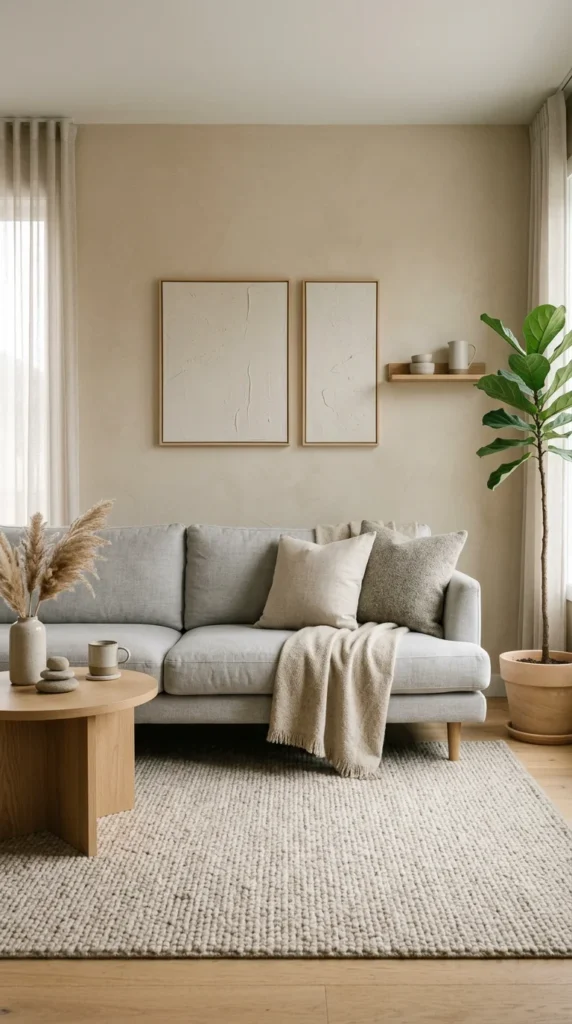
The foundation of any Japandi space is a restrained, neutral color palette. Unlike the stark whites often found in pure Scandinavian design, Japandi leans toward warmer “greige,” oatmeal, sand, and cream tones. These hues create a cocoon-like atmosphere that feels inviting rather than cold. To achieve this look, avoid high-contrast colors and instead focus on a tonal approach where different shades of the same neutral color are layered throughout the room.
2. Natural Textures
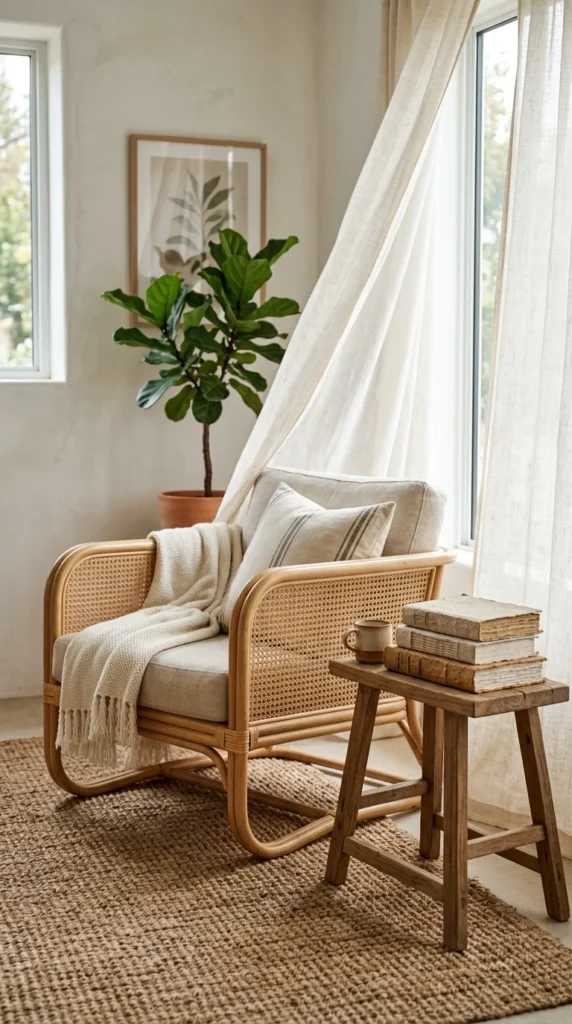
In a minimalist room, texture takes the place of color in providing visual interest. Japandi living rooms rely heavily on raw, organic materials. Think of the tactile sensation of a sisal rug underfoot, the softness of a linen cushion, or the rough grain of an unfinished wooden stool. By mixing these textures—rattan, wicker, wood, and wool—you create a rich, sensory experience that feels grounded in nature.
3. Low-Profile Furniture
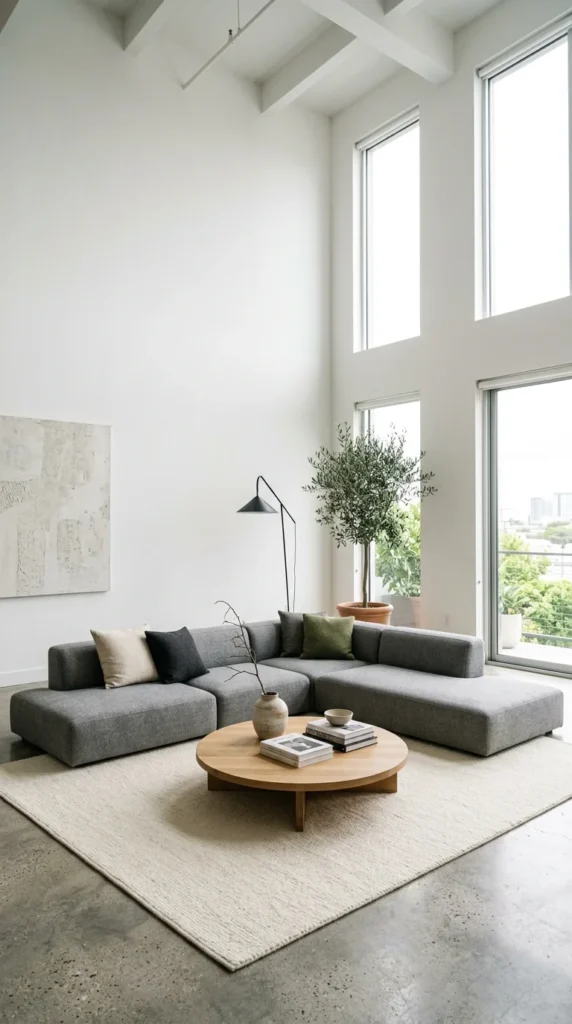
A hallmark of Japanese interior design is the use of low-profile furniture. This tradition stems from the custom of sitting on tatami mats. In a modern Japandi living room, incorporating low-slung sofas, coffee tables, and even floor cushions encourages a different perspective of the room and creates a sense of openness. This approach also helps smaller rooms feel more spacious by leaving the sightlines clear.
4. Statement Lighting
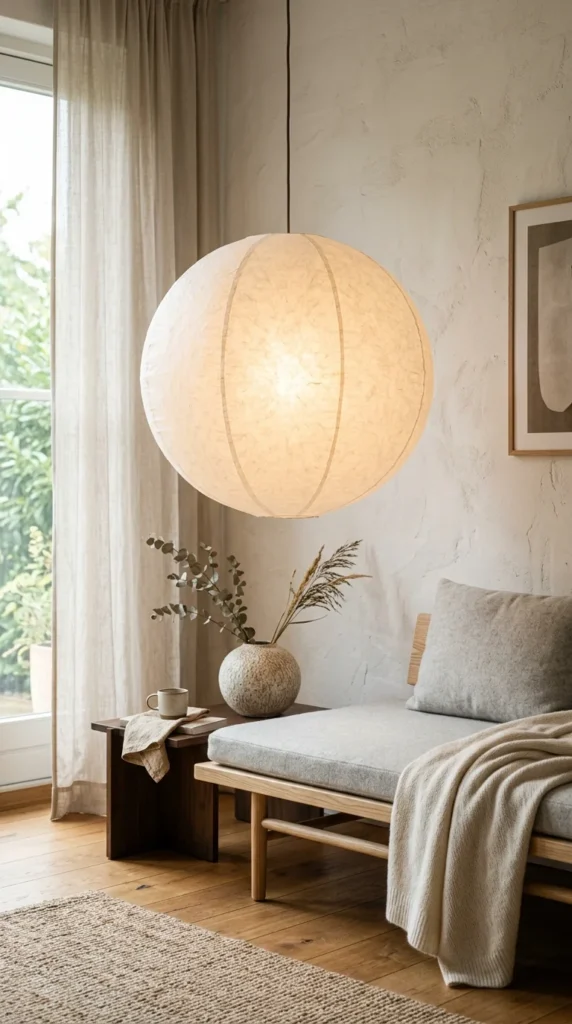
Lighting in a Japandi living room serves as both a functional necessity and a piece of sculptural art. Large paper lanterns, inspired by traditional Japanese Akari lamps, are a popular choice. They diffuse light softly, eliminating harsh shadows. Alternatively, look for Scandinavian-inspired metal lamps with clean, geometric lines in matte finishes like black or brushed brass to provide a modern edge to the organic surroundings.
5. Indoor Greenery
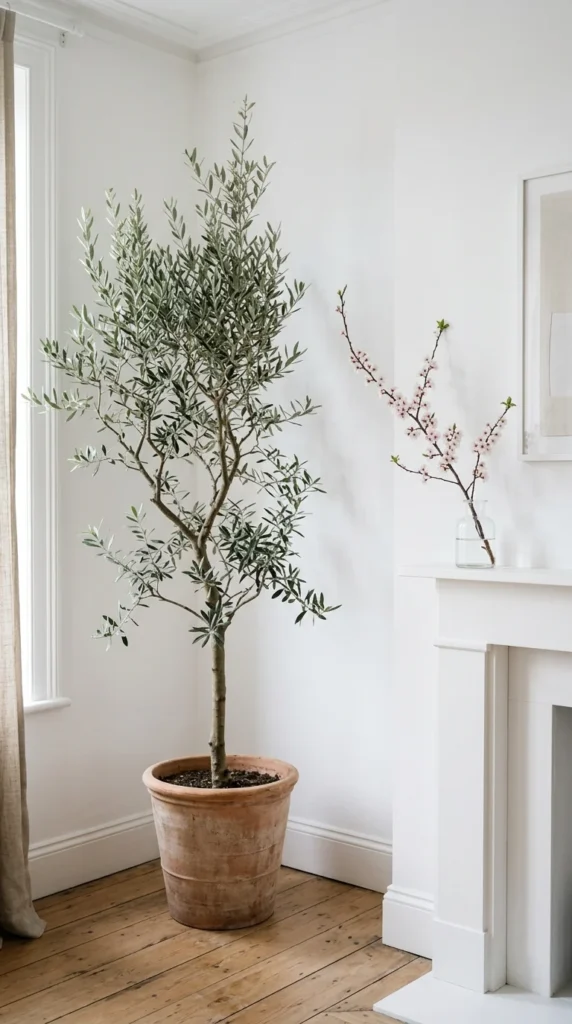
Nature is a central pillar of Japandi design. However, instead of the “urban jungle” look with dozens of small plants, Japandi favors a “less is more” approach. A single, well-placed statement plant—such as a tall Fiddle Leaf Fig, an elegant Olive tree, or a meticulously pruned Bonsai—creates a focal point and brings life into the room without creating visual clutter.
6. Wabi-Sabi Decor
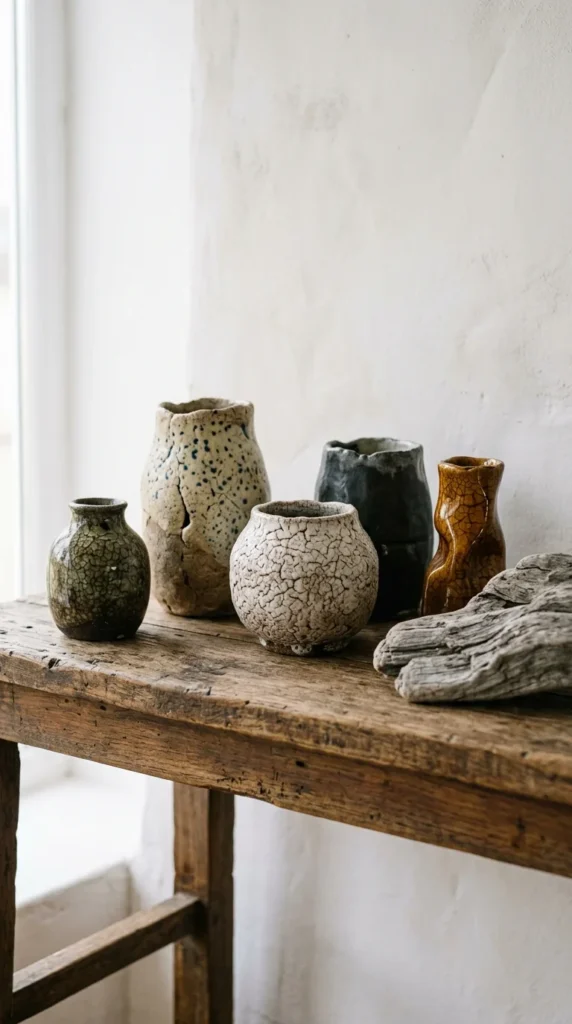
Wabi-Sabi is the Japanese art of finding beauty in imperfection and the natural cycle of growth and decay. In your living room, this can be represented through decor that looks handmade or aged. Choose ceramics with uneven edges, hand-thrown pottery, or a wooden table that shows its natural knots and cracks. These pieces tell a story and add a layer of soulful authenticity that mass-produced items lack.
7. Functional Minimalism
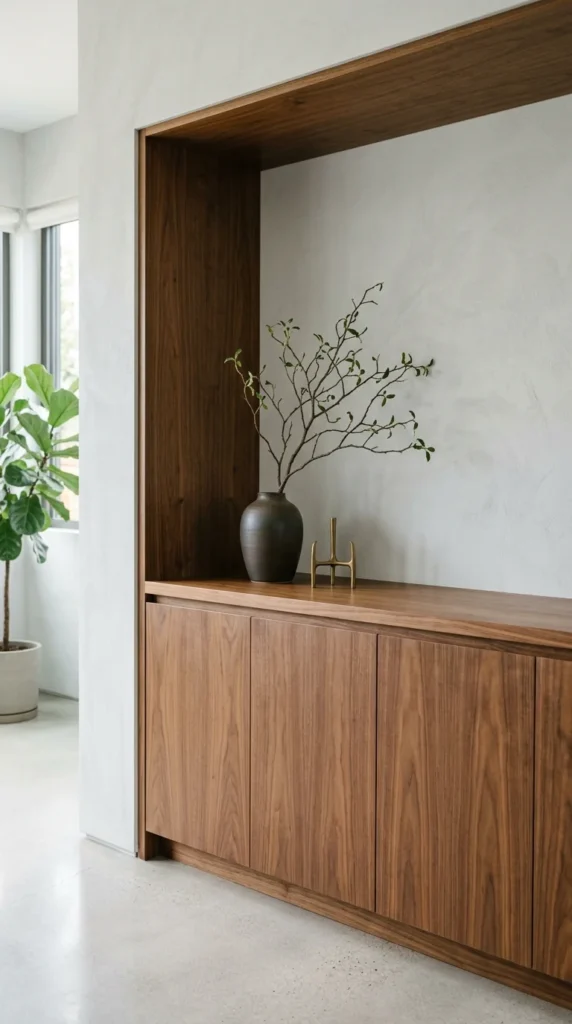
Japandi is not just about looks; it is about how a space functions. The Scandinavian influence brings a focus on practicality and organization. Invest in smart storage solutions that hide clutter away, such as built-in cabinetry or ottomans with hidden compartments. The goal is to have every item in the room serve a purpose or bring joy, keeping the surfaces clear for a calm mind.
8. Sliding Screens
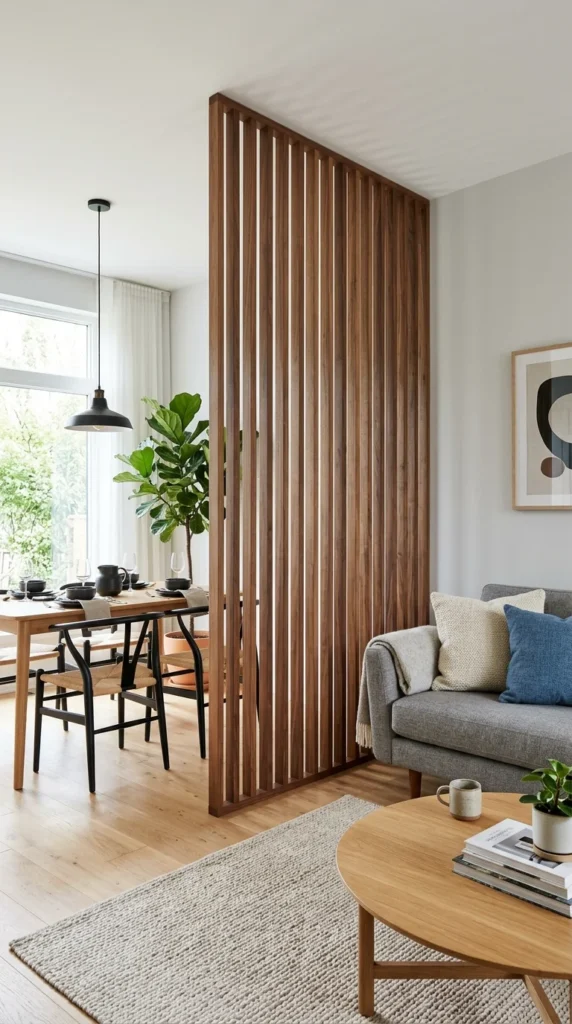
To emulate the traditional Japanese Shoji screen, consider using wooden slat dividers or sliding panels. These architectural elements are excellent for defining spaces in open-plan living rooms without completely blocking off light or airflow. They add vertical lines to the room, which provides a sense of height and structural elegance.
9. Layered Textiles
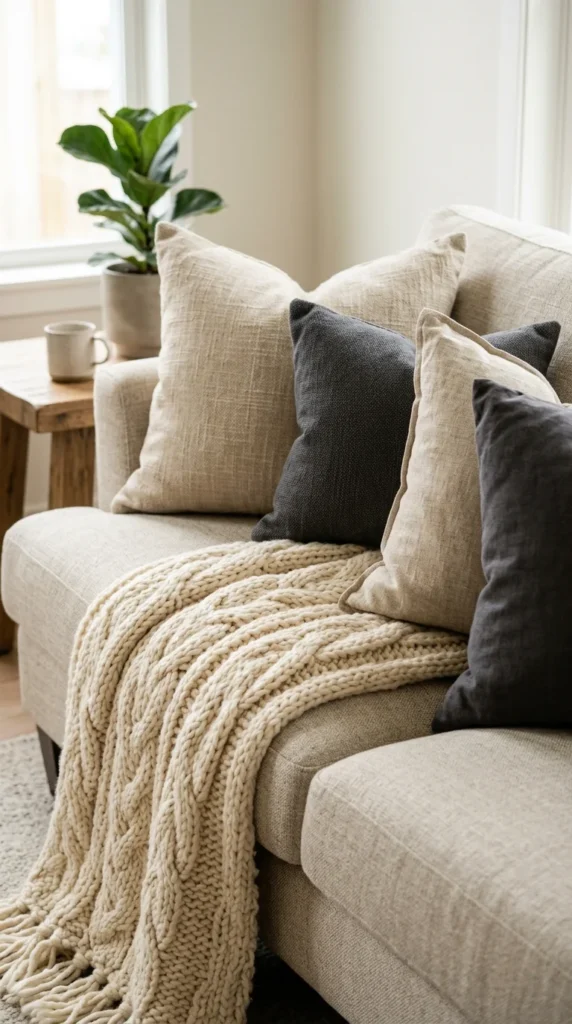
While minimalism is key, a Japandi living room should never feel sparse or uncomfortable. Layering textiles is the secret to achieving “Hygge” within a minimalist framework. Combine a smooth cotton rug with a plush wool throw and linen curtains. The contrast between these materials adds depth and makes the living room a cozy place to retreat at the end of the day.
10. Curved Silhouettes
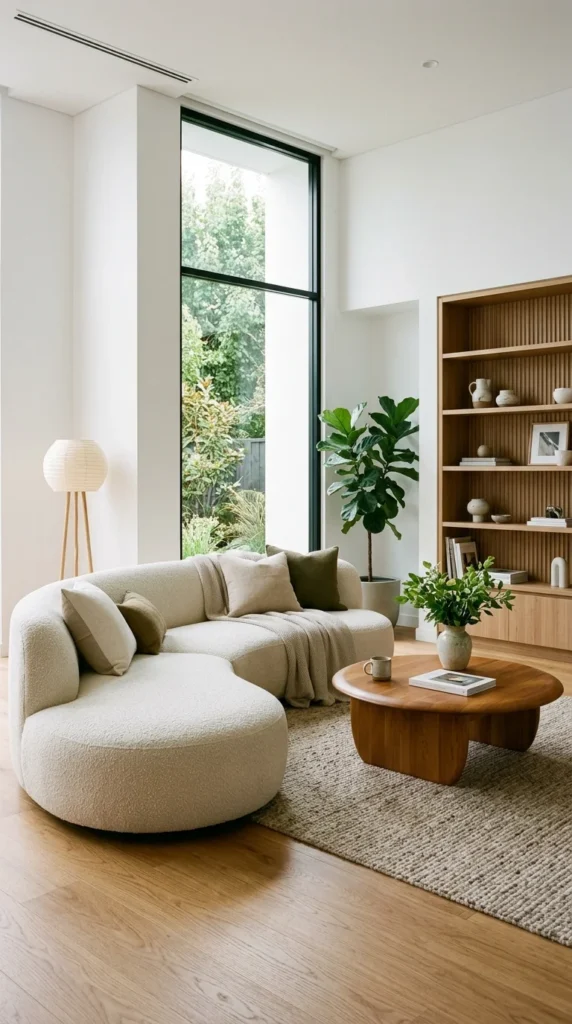
While Japanese design often focuses on straight lines and grids, the Scandinavian side of the fusion introduces organic, curved shapes. Incorporating a curved sofa, a round coffee table, or an arched mirror can soften the “hardness” of a room. These gentle silhouettes make the space feel more fluid and approachable.
11. Black Accents
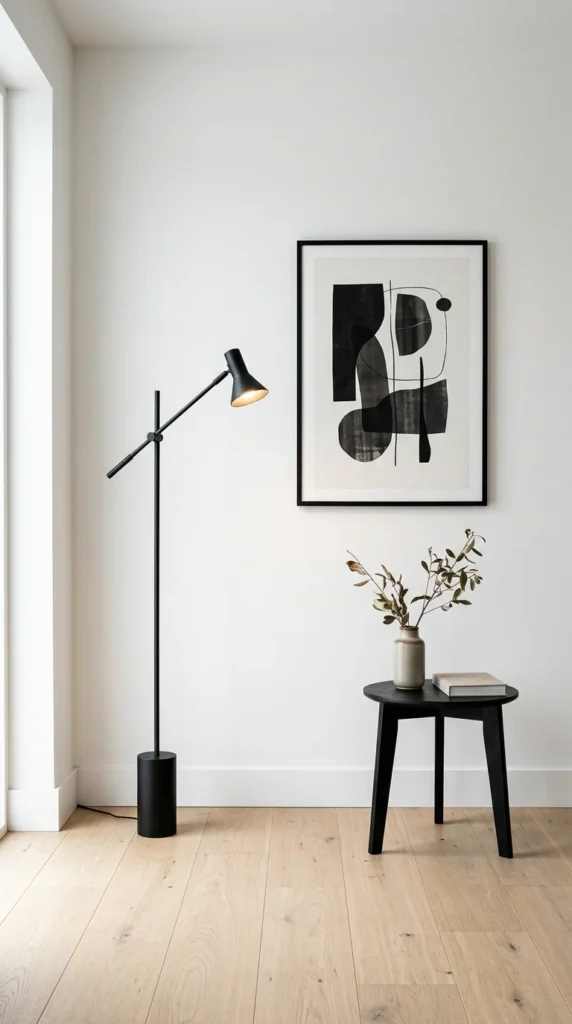
To prevent a neutral room from looking washed out, Japandi designers often use black as an accent color. This is inspired by the bold ink strokes of Japanese calligraphy. A black metal chair frame, a slim floor lamp, or black picture frames provide the necessary “weight” to anchor the room and add a touch of modern sophistication.
12. Wooden Slatting
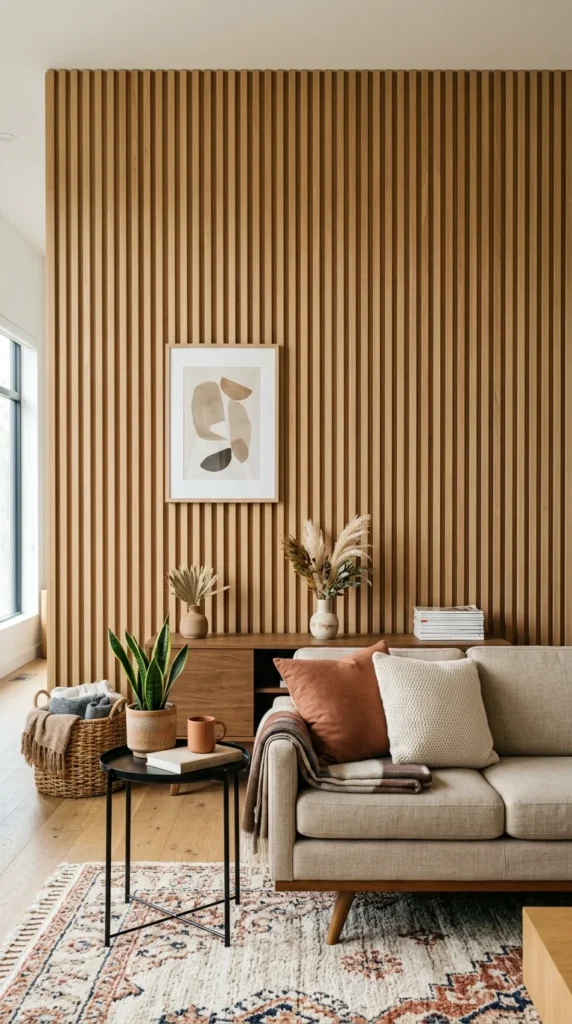
Wooden slats (or “tambour”) are a quintessential Japandi feature. Whether used on a feature wall, as a cabinet front, or as a room divider, the repeated vertical lines create a sense of order and serenity. This element also pays homage to traditional Japanese architecture while fitting perfectly into a contemporary Scandi-style home.
13. Earthy Ceramics
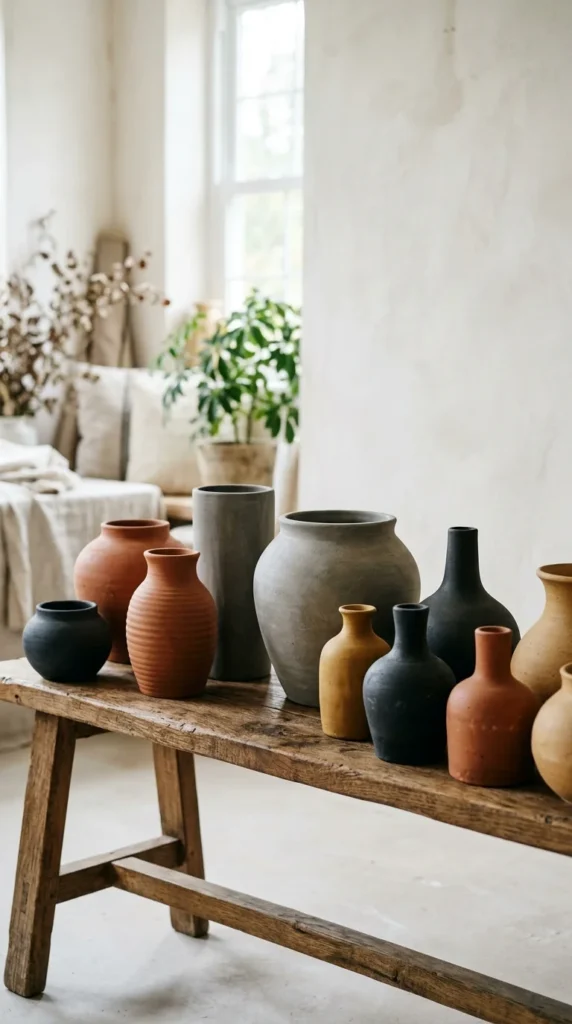
Ceramics are the perfect medium for expressing the Japandi aesthetic. Look for pieces with matte finishes and earthy tones. Grouping a few vases of varying heights and shapes can create a beautiful vignette on a coffee table or shelf. These pieces should feel heavy and grounded, reflecting the elemental nature of clay and fire.
14. Open Spaces
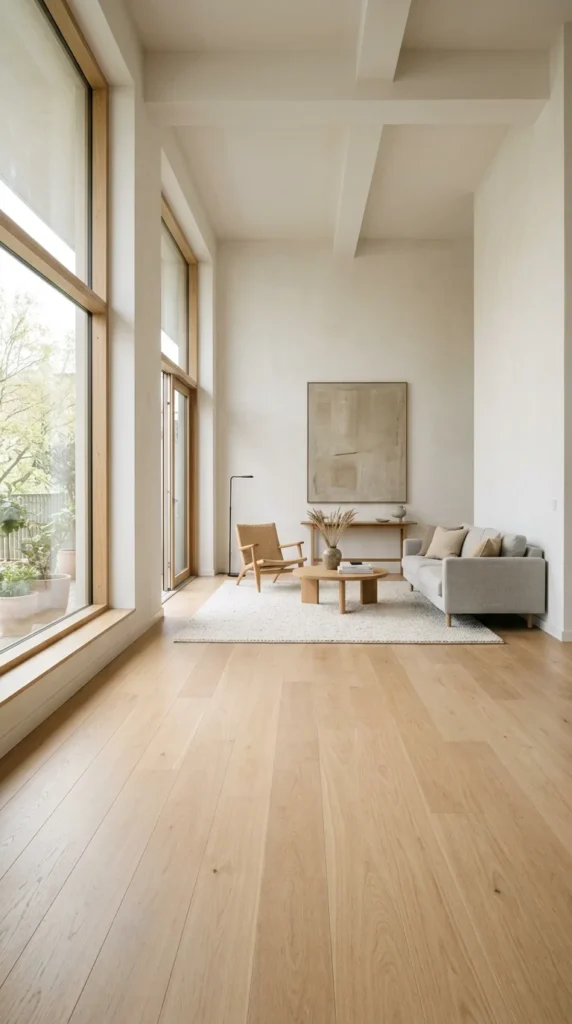
One of the most important aspects of Japandi design is the space between the objects. In Japanese, this is known as “Ma”—the celebration of emptiness. Resist the urge to fill every corner of your living room. Leaving open space on the walls and floors allows the eyes to rest and highlights the beauty of the few pieces you have chosen to display.
15. Subtle Art
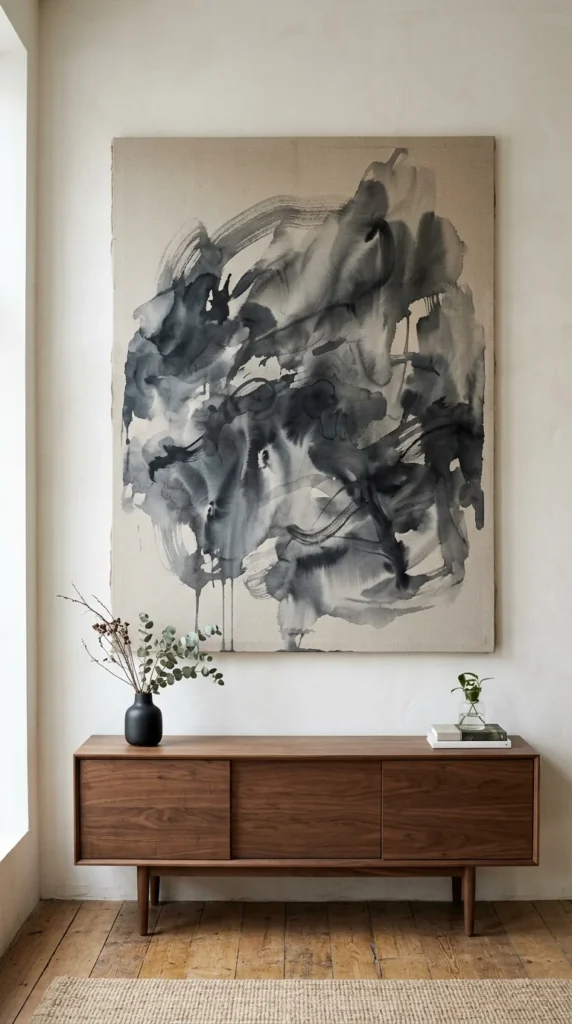
When it comes to wall art in a Japandi living room, think “subtle” and “abstract.” Large-scale ink wash paintings, simple line drawings, or even framed pieces of textured handmade paper work beautifully. The art should complement the room’s color palette rather than dominate it, acting as a quiet background element that enhances the overall sense of tranquility.