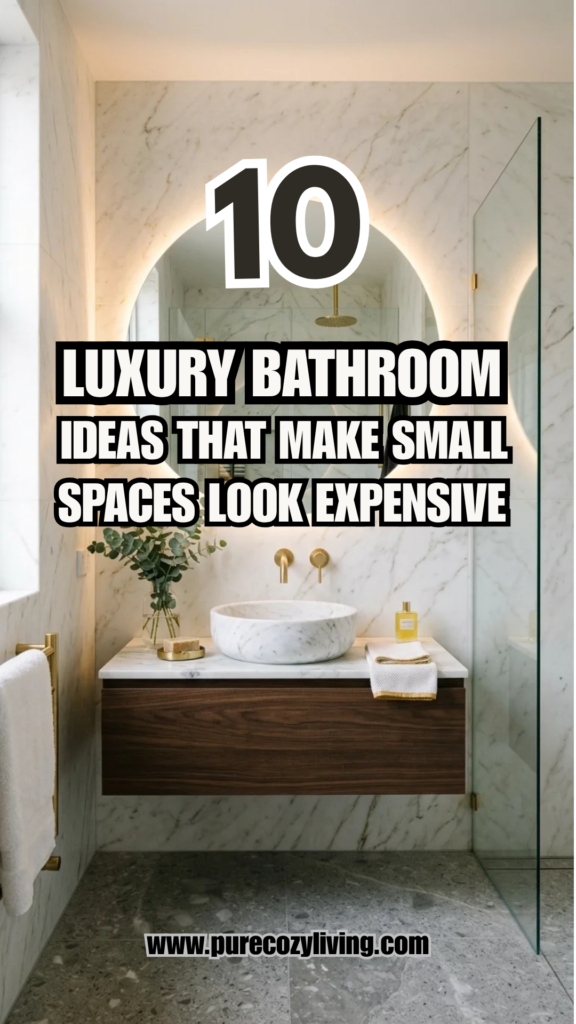

Transforming a compact bathroom into a sanctuary of opulence requires a strategic blend of architectural ingenuity and high-end finishes. In interior design, “luxury” isn’t defined by square footage, but by the quality of materials, the intentionality of the layout, and the sophistication of the details. When space is limited, every choice carries more weight, allowing you to invest in premium materials that might be cost-prohibitive in a larger room. By focusing on visual continuity and high-impact accents, you can elevate a modest powder room or a cramped master bath into a five-star retreat.
1. Floating Vanities
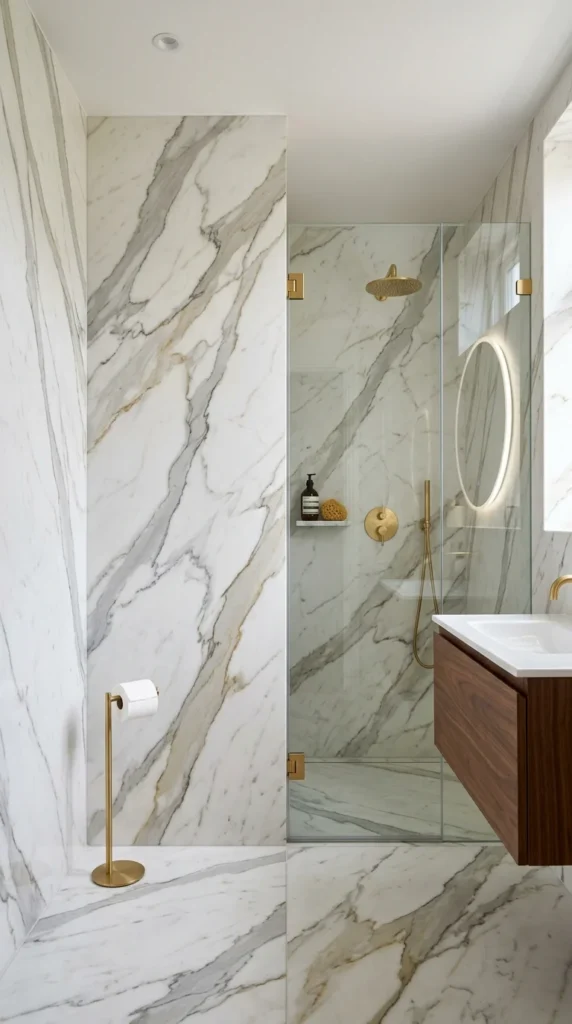
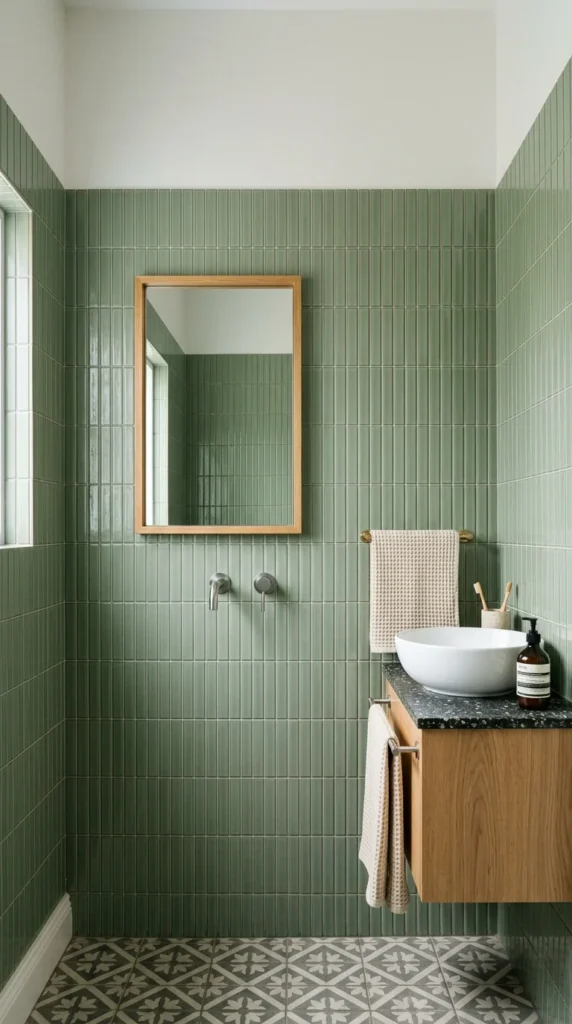
One of the most effective ways to trick the eye into perceiving more space is to maximize visible floor area. A floating vanity—mounted directly to the wall without legs—creates an unbroken line of flooring that extends all the way to the wall. This architectural sleight of hand makes the room feel significantly more open.
Beyond the spatial benefits, wall-hung vanities scream modern luxury. They offer a clean, streamlined aesthetic that mimics high-end spa designs. To enhance the “expensive” feel, opt for vanities with integrated handles or push-to-open drawers, and pair them with a vessel sink or a thick-mitered edge countertop. Adding motion-sensor LED lighting underneath the vanity not only provides a soft nightlight but also adds a futuristic, high-end glow to the room.
2. Monochromatic Palettes
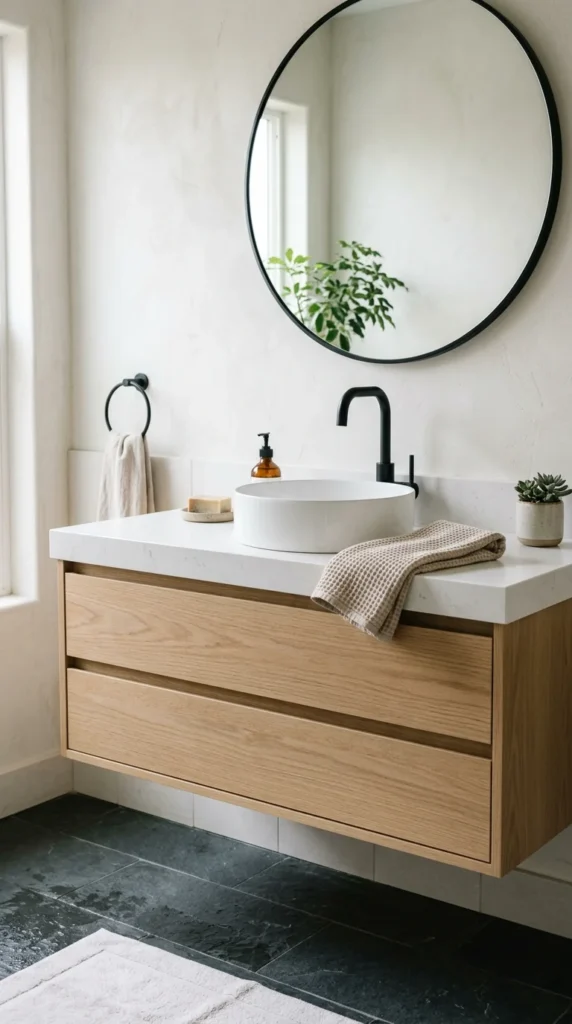
Color fragmentation is the enemy of small spaces. When a room is broken up by contrasting colors, the eye stops at every transition, making the boundaries of the room feel closer. A monochromatic color scheme—using various shades and textures of a single hue—creates a seamless visual flow that expands the room’s perceived dimensions.
To prevent a monochromatic space from feeling flat, play with textures. Pair matte-finish walls with glossy subway tiles or a hammered metal sink. Soft grays, warm beiges, and “greige” are classic choices that evoke a sense of calm and sophistication. If you prefer a moodier look, a deep charcoal or navy palette can create a “jewel box” effect, making the small space feel intentionally cozy and incredibly high-end.
3. Large-Format Tiles
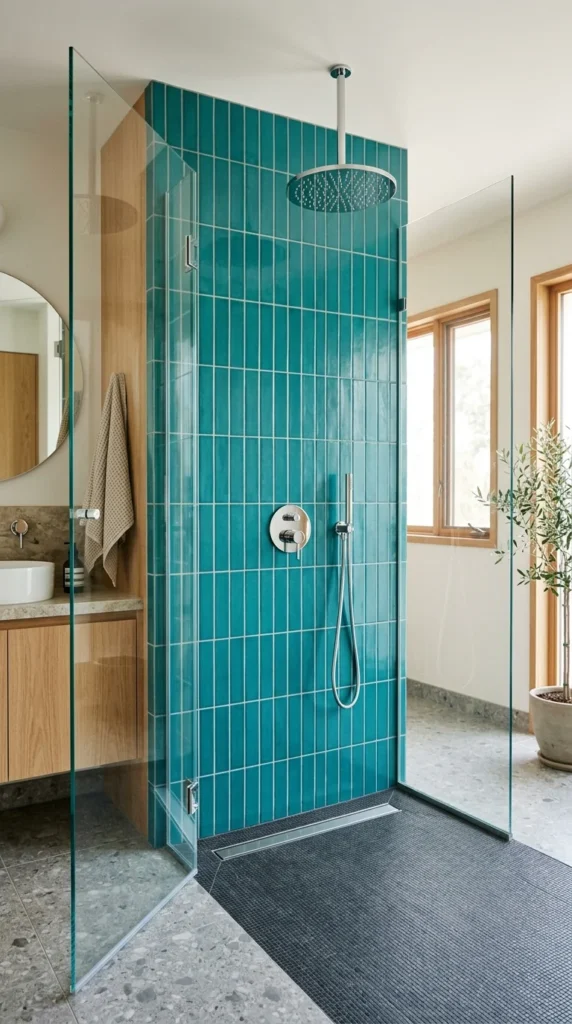
In a small bathroom, busy patterns and numerous grout lines can create visual clutter, making the space feel “noisy” and cramped. Luxury designers often opt for large-format tiles—sometimes as large as 24×48 inches or even full-slab porcelain—to minimize grout lines. Fewer lines mean fewer interruptions for the eye, resulting in a cleaner, more expansive appearance.
When selecting large tiles, look for natural stone patterns like marble, travertine, or slate. Rectified tiles, which have perfectly straight, machine-cut edges, allow for incredibly thin grout lines (1/16th of an inch). When the grout is color-matched to the tile, the walls and floors appear as a singular, solid surface of stone, a hallmark of expensive, custom-built homes.
4. Frameless Showers
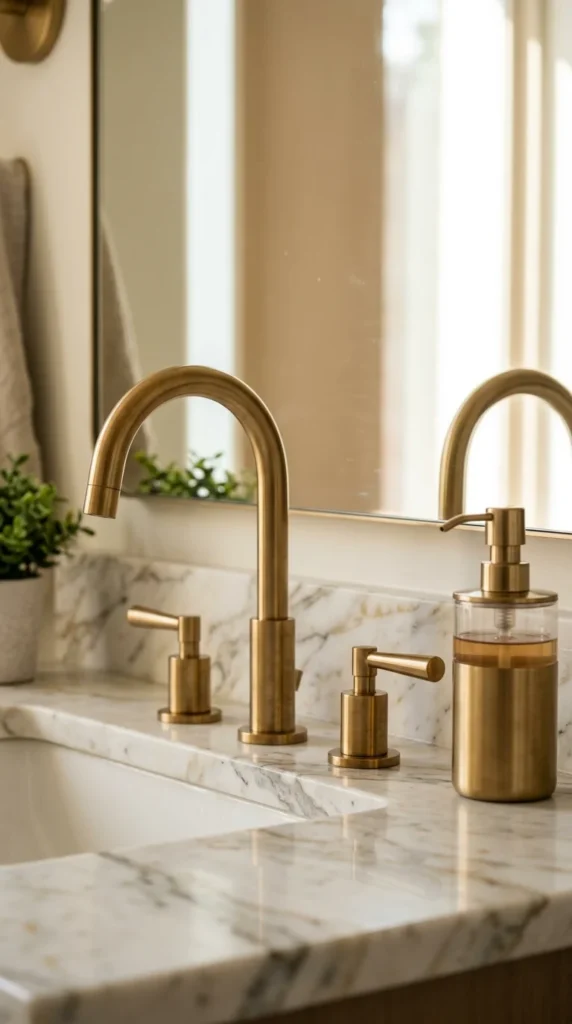
Traditional shower curtains or framed glass doors act as a physical and visual wall, cutting the room in half. In a luxury small bathroom, transparency is key. A frameless glass shower enclosure eliminates bulky metal frames, allowing the eye to travel through the glass to the back wall of the shower.
For the ultimate high-end look, consider a “wet room” layout where the shower floor is flush with the rest of the bathroom floor, separated only by a single pane of glass. This removes the “curb” or step-up, creating a barrier-free environment that feels like a professional spa. Ensure the hardware—hinges and handles—matches your other fixtures for a cohesive, curated aesthetic.
5. Statement Lighting
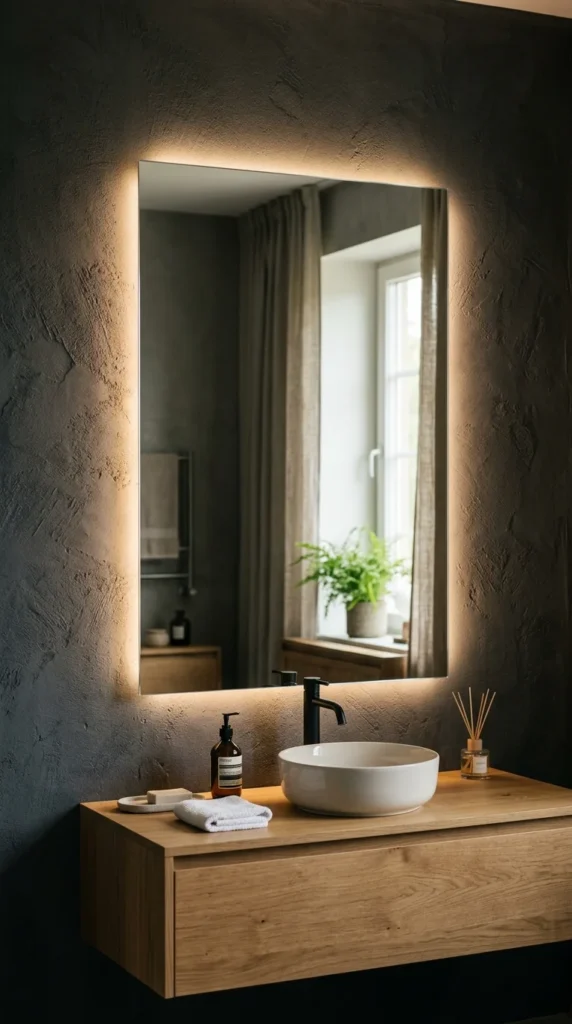
Lighting is often the most overlooked element in bathroom design, yet it has the greatest impact on the “expensive” factor. In a small space, a single overhead boob-light can feel cheap and harsh. Layered lighting is the secret to a luxury feel. This includes ambient lighting (the main source), task lighting (around the mirror), and accent lighting (to highlight features).
Instead of standard builder-grade fixtures, choose statement pieces. Think sculptural wall sconces, a mini-chandelier, or even an oversized pendant light if the ceiling height allows. Backlit mirrors are another high-end trend; they provide shadow-free illumination for grooming while creating a halo effect on the wall behind them, adding depth and drama to the room.
6. Metallic Accents
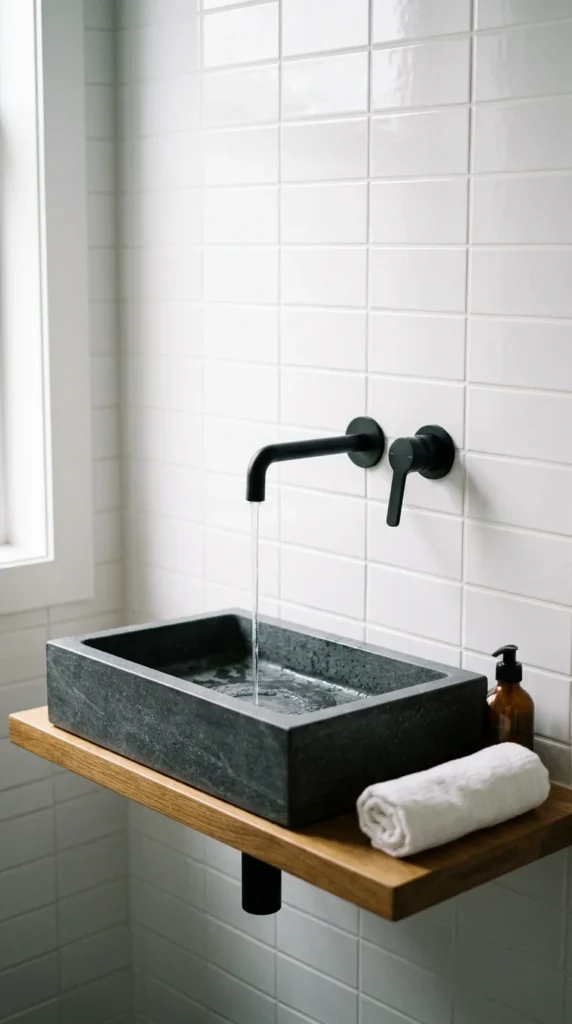
The “jewelry” of the bathroom—the faucets, towel bars, and cabinet hardware—should never be an afterthought. Switching out standard chrome fixtures for more premium finishes like brushed gold, champagne bronze, or matte black can instantly elevate the room’s status.
Consistency is vital for a luxury look. Ensure that the finish of your faucet matches your shower head, flush lever, and even the hinges on the door. Mixing metals can be done, but it requires a very skilled hand; for most small spaces, sticking to one high-quality finish creates a more polished and intentional look. Look for fixtures with a heavy, solid feel and unique silhouettes, such as cross-handles or sleek, gooseneck spouts.
7. Recessed Niches
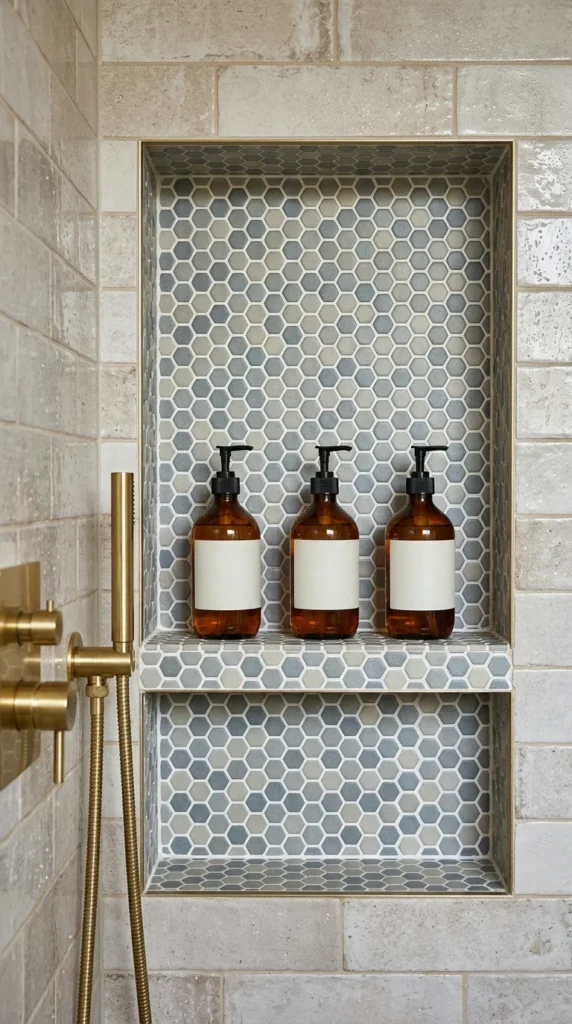
Clutter is the ultimate luxury killer. Plastic shampoo bottles and soap bars sitting on the floor or hanging from wire racks can make even the most expensive bathroom look cheap. A recessed wall niche—built directly into the wall framing—provides a dedicated space for toiletries without eating into the room’s physical space.
To make the niche look expensive, tile it with a contrasting mosaic or use the same stone as your countertops. For an extra touch of “wow,” install waterproof LED strip lighting inside the niche. To maintain the aesthetic, decant your products into uniform glass or high-quality plastic dispensers. This small detail eliminates visual noise and reinforces the curated, spa-like atmosphere.
8. Natural Stone
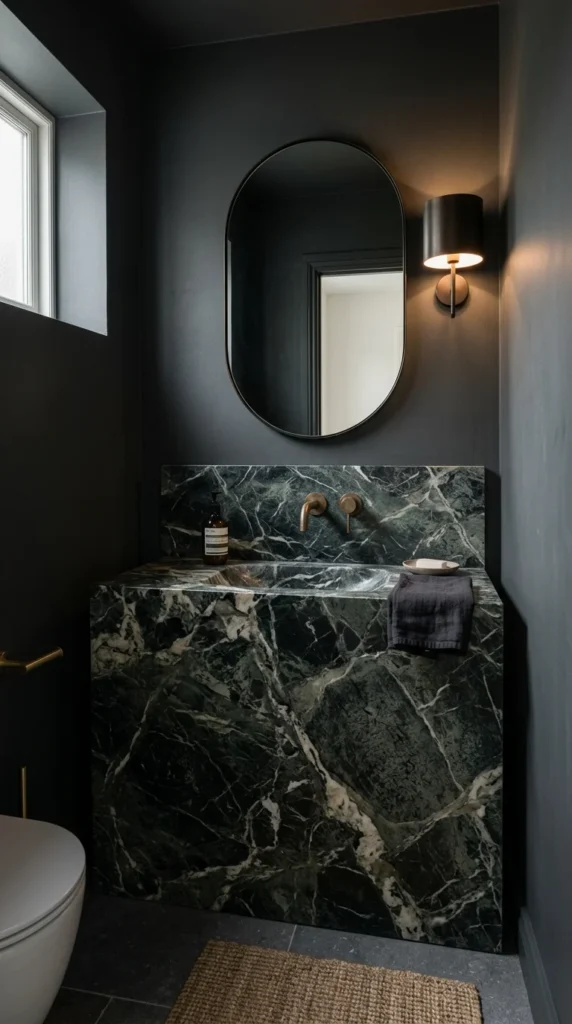
There is no substitute for the timeless elegance of natural stone. While high-quality porcelain mimics the look, the depth, texture, and unique veining of real marble, granite, or soapstone provide an unmistakable sense of luxury. In a small bathroom, the cost of using premium stone is much lower than in a large kitchen, making it the perfect place to splurge.
Consider a marble-topped vanity, a stone vessel sink, or even a feature wall made of book-matched stone slabs. If a full wall of stone is out of reach, use natural stone for the “touch points”—the areas you interact with most, like the vanity top or the shower bench. The cool touch and heavy weight of natural stone communicate quality in a way that synthetic materials simply cannot.
9. Vertical Features
When you lack horizontal space, go vertical. Drawing the eye upward creates the illusion of height, which can make a cramped bathroom feel much grander. This can be achieved through various design elements, such as floor-to-ceiling tiling, tall mirrors, or vertical wall paneling.
A mirror that extends all the way to the ceiling is a classic designer trick. Not only does it double the light in the room, but it also blurs the line where the wall ends and the ceiling begins. Similarly, choosing a vertical pattern for your tiles (like a vertical stack bond or a tall herringbone) can “stretch” the walls. These elements create a sense of scale that feels grand and expensive rather than “small and cozy.”
10. Smart Tech
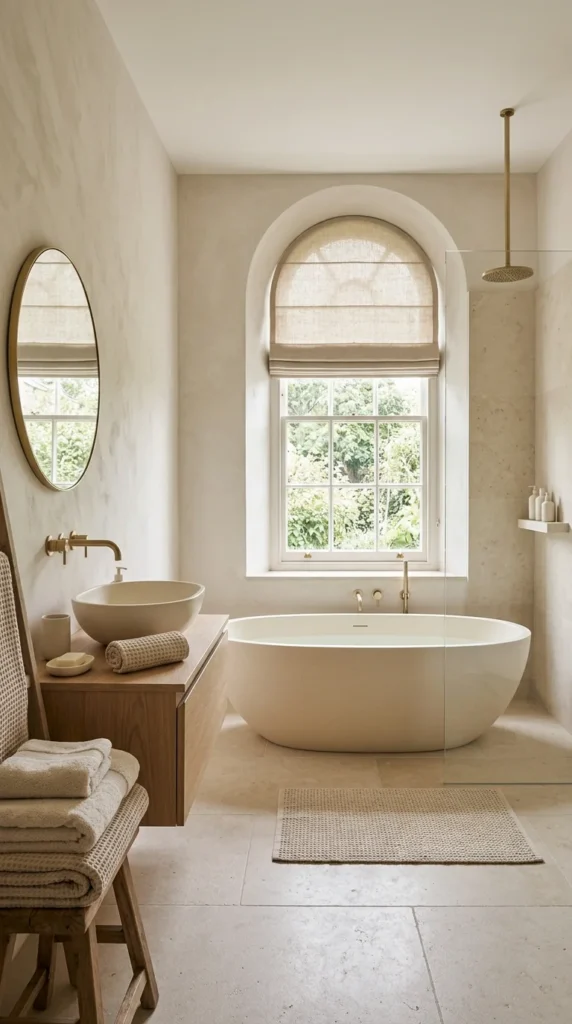
Modern luxury is increasingly defined by convenience and technology. Integrating “smart” features into a small bathroom adds a layer of sophistication that suggests a high-end, custom-designed space. This can range from high-tech toilets with bidet functions and heated seats to smart mirrors with built-in Bluetooth speakers and de-misting capabilities.
In-floor heating is another “invisible” luxury that makes a massive difference in how a space feels. Stepping onto a warm floor on a cold morning is a premium experience that takes up zero physical space. These technological additions don’t just add value to the home; they transform the daily routine into a pampered experience, proving that a bathroom doesn’t need to be big to be world-class.