
The Scandinavian design movement, originating from the Nordic countries of Denmark, Norway, Sweden, Finland, and Iceland, has become a global phenomenon. It is defined by a blend of textures, contrasts, and soft hues to make sleek, modern furniture feel warm and inviting. At its heart, “Scandi” style is about finding the perfect balance between functionality and aesthetics, a concept often referred to as “lagom” (not too much, not too little) or “hygge” (creating a warm atmosphere and enjoying the good things in life).
Whether you live in a sprawling penthouse or a compact city studio, Scandinavian design offers a timeless blueprint for creating a home that feels both organized and deeply comfortable. Here are ten cozy Scandinavian apartment designs that showcase the versatility and beauty of this iconic style.
1. Monochrome Simplicity
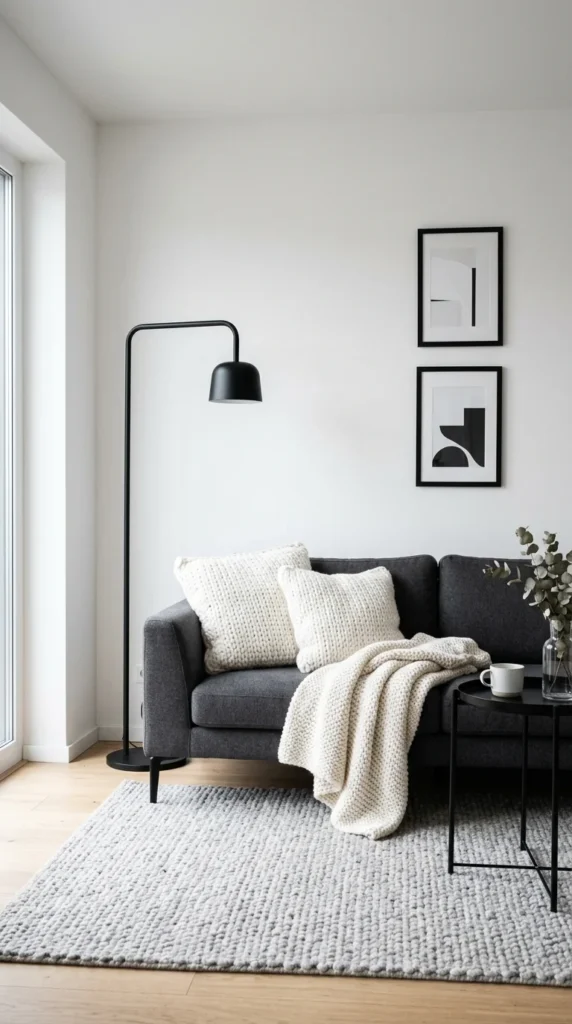
Monochrome doesn’t mean boring. In Scandinavian design, a black-and-white palette serves as a crisp canvas that allows architectural details and textures to shine. By using varying shades of grey, charcoal, and soot alongside bright whites, you create a space that feels sophisticated and grounded. The key to making a monochrome room feel “cozy” rather than “cold” lies in the layering of textiles. Think thick wool rugs, velvet cushions, and heavy knit throws. The contrast between the dark accents and the light walls creates a visual depth that makes the room feel structured yet serene.
2. Biophilic Haven
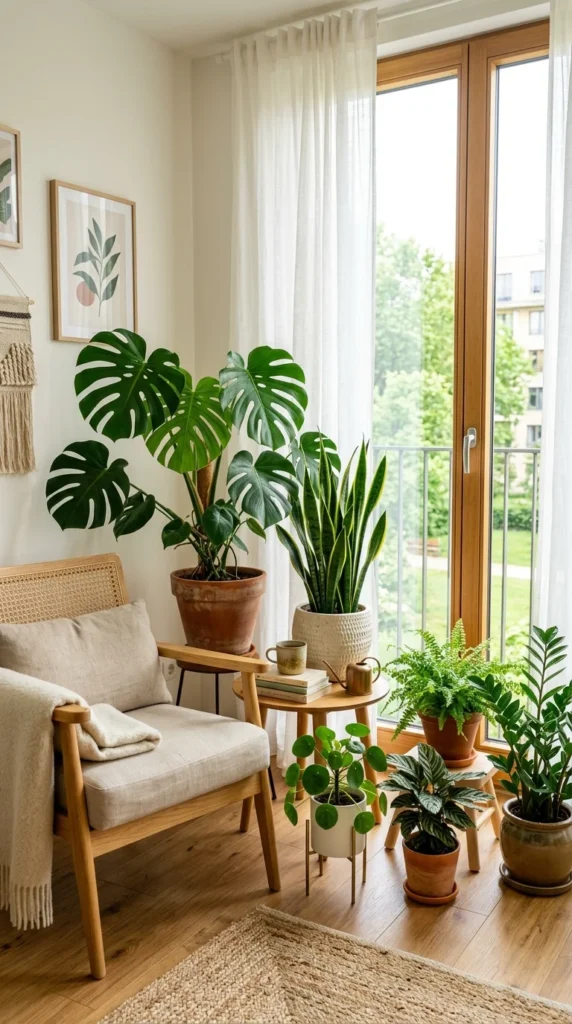
Scandinavian winters are long and dark, which is why bringing the outdoors in is a fundamental pillar of the design. A biophilic Scandinavian apartment focuses on the relationship between humans and nature. This design utilizes large windows to maximize natural light and integrates a plethora of indoor greenery to purify the air and add a vibrant pop of color. To achieve this look, use natural materials like light-toned woods (ash or pine), stone surfaces, and organic cotton. The presence of plants against a neutral background creates a “forest-bathing” effect inside the home, promoting relaxation and well-being.
3. Pastel Softness
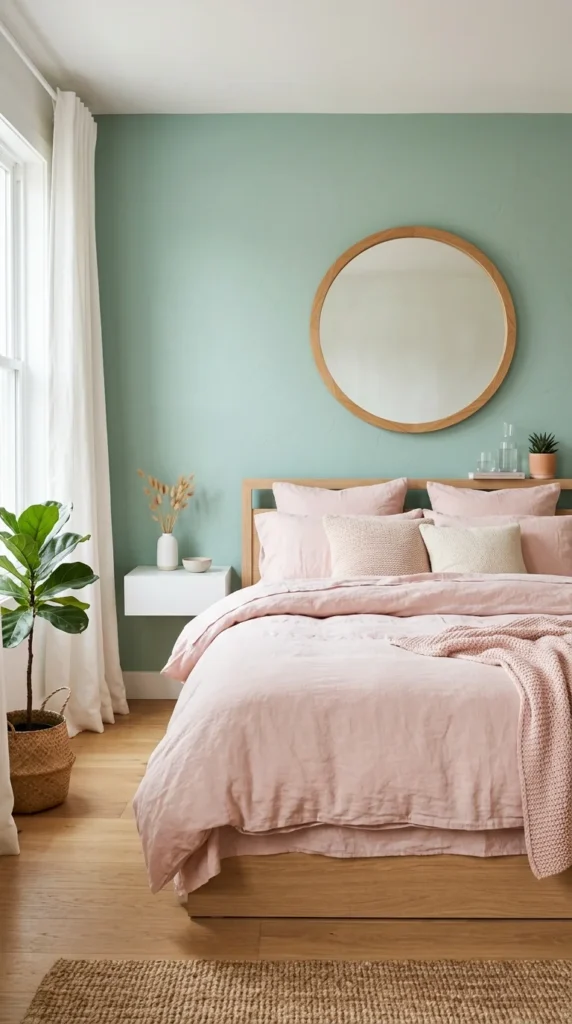
While whites and greys are standard, many modern Scandinavian homes are embracing a softer color story. “Pastel Scandi” uses muted tones of blush pink, sage green, and duck-egg blue to add a sense of playfulness and warmth. These colors are never neon or overwhelming; they are desaturated and earthy, mimicking the colors of a Nordic sunset or a spring meadow. This design works exceptionally well in bedrooms and nurseries, where a calm, soothing environment is paramount. Pairing these colors with light oak furniture keeps the space feeling modern and prevents it from looking overly “shabby chic.”
4. Industrial Nordic
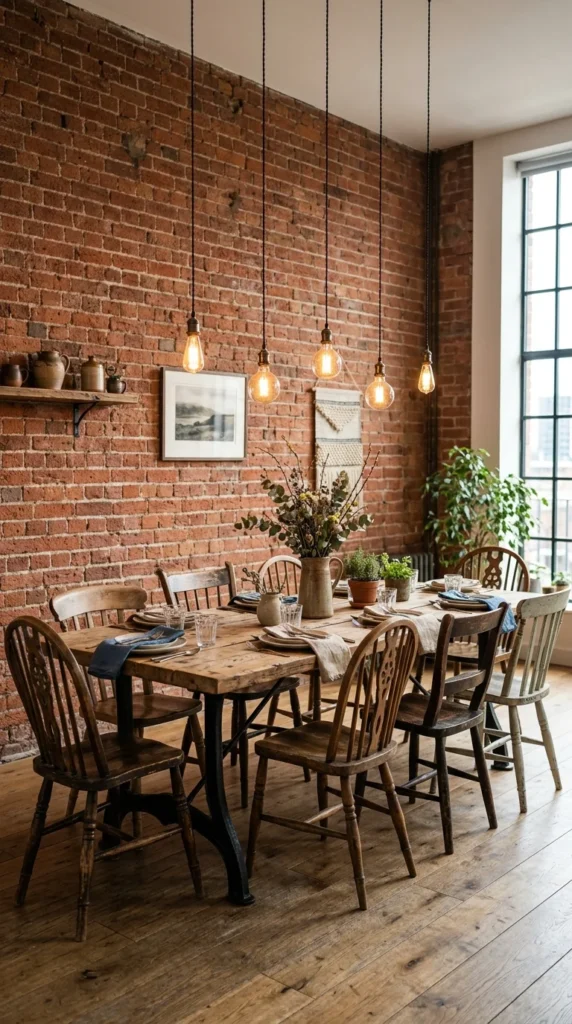
Industrial Scandinavian design is the perfect marriage of ruggedness and refinement. It takes the “unfinished” look of urban lofts—exposed brick, concrete floors, and metal piping—and softens it with the warmth of Scandinavian furnishings. In this design, the “coldness” of industrial elements is countered by large, plush area rugs and warm-toned wood furniture. Lighting plays a crucial role here; oversized metal pendants or “spider” chandeliers with warm-toned bulbs can transform a cavernous industrial space into an intimate retreat.
5. Rustic Retreat
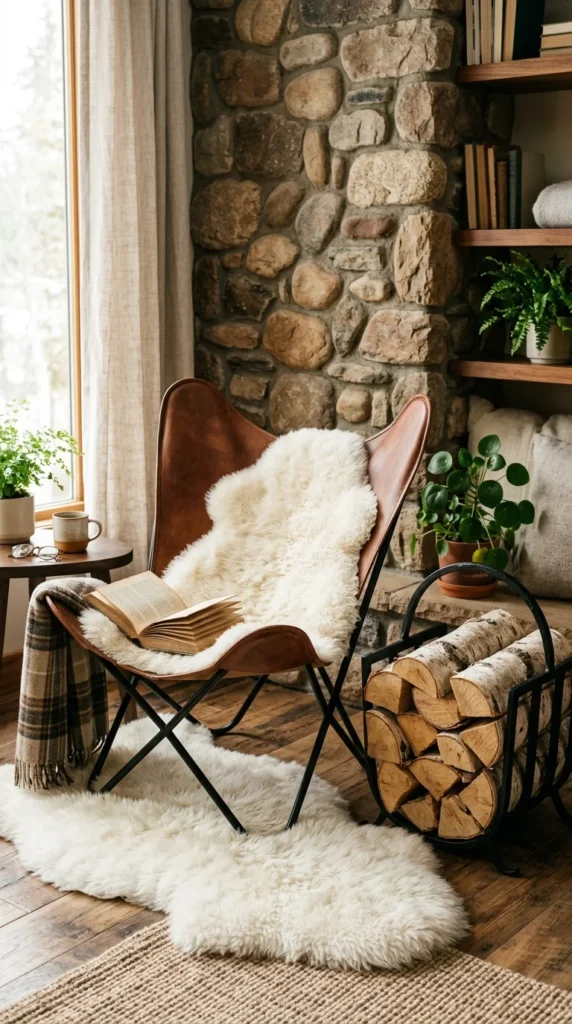
The rustic side of Scandinavian design is heavily influenced by the traditional “hytte” or mountain cabin. This look focuses on raw, tactile materials that tell a story. Leather that patinas over time, untreated wood with visible grains, and stone accents create a sense of history and permanence. To get this look, focus on “hygge-heavy” accessories: a sheepskin draped over a chair, a wood-burning stove (or a cluster of large candles), and artisanal ceramics. It’s about creating a space that feels shielded from the outside world—a true sanctuary.
6. Modern Minimalist
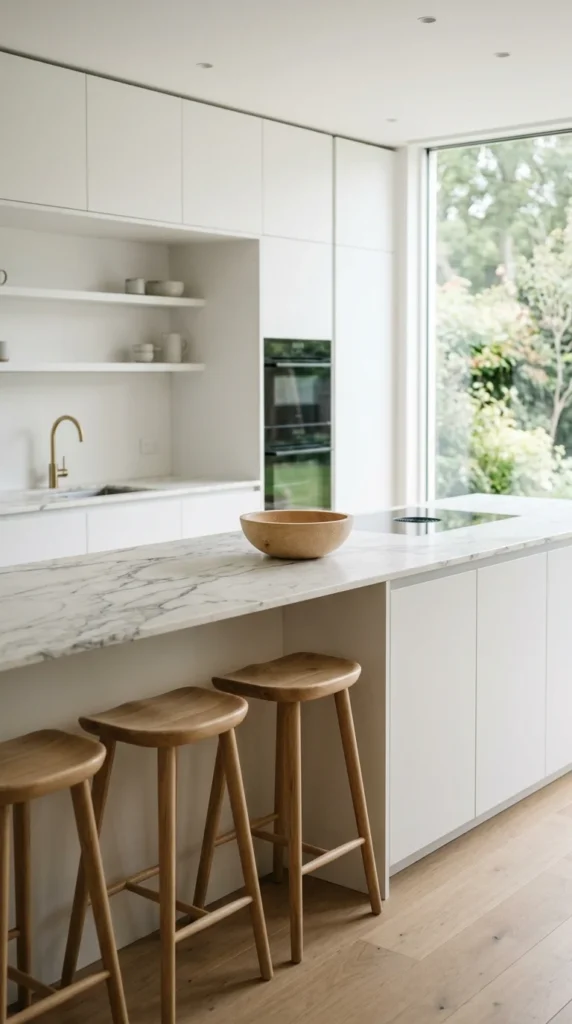
Modern minimalism is the quintessential Scandi look that most people recognize. It is governed by the principle of “everything in its place.” This design emphasizes clean lines, hidden storage, and a lack of clutter. In a minimalist Scandinavian apartment, every piece of furniture is chosen for its utility as much as its beauty. This style is perfect for those who find peace in order. To prevent it from feeling clinical, designers often use “warm minimalism,” which incorporates curved edges on furniture and soft, indirect lighting to create a gentle, welcoming glow.
7. Bohemian Scandi
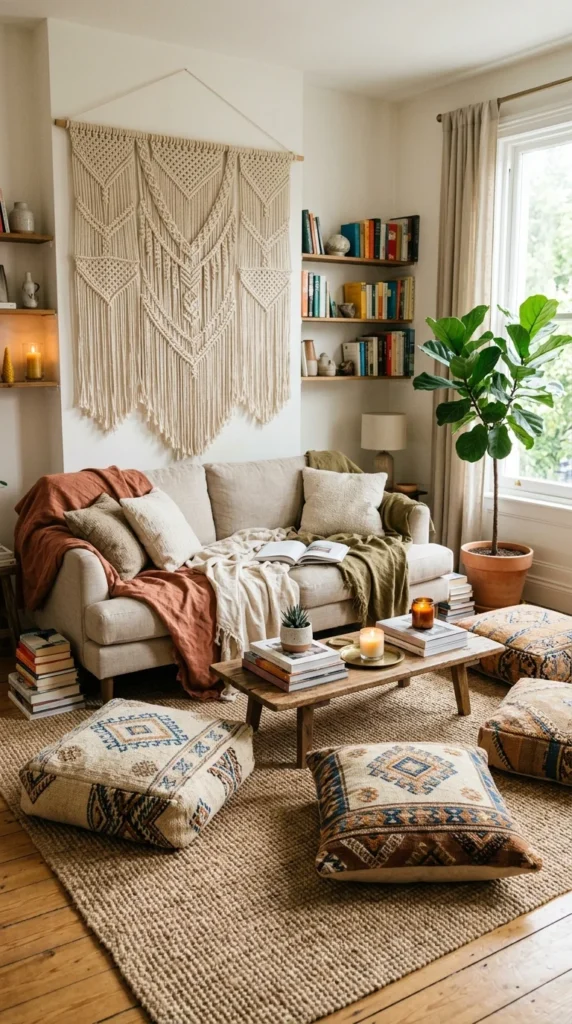
Bohemian Scandinavian (or “Scandiboho”) is a more eclectic, layered approach to the Nordic aesthetic. It takes the clean base of Scandinavian design and adds the global, artistic flair of the Bohemian style. You’ll see more patterns here—think kilim rugs, tribal prints, and woven wall hangings—but they remain within a controlled, earthy color palette. This design is for the collector; it allows for personal expression through art, travel souvenirs, and vintage finds, all held together by the cohesive, airy framework of a Scandi-style room.
8. Mid-Century Infusion
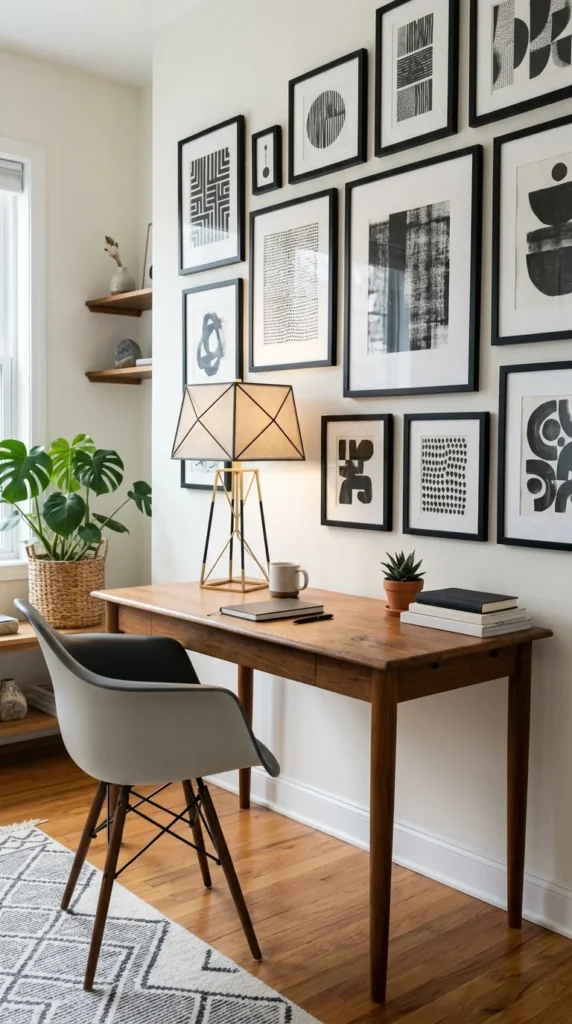
Scandinavian design and Mid-Century Modern (MCM) design grew up together in the mid-20th century, and they complement each other perfectly. An apartment designed with this infusion features the iconic tapered legs, organic curves, and rich wood tones (like teak and walnut) typical of the 1950s and 60s. The Scandinavian influence keeps the MCM look from feeling like a time capsule by surrounding the vintage pieces with bright white walls, contemporary lighting, and modern textiles. This creates a “New Nordic” look that feels both nostalgic and fresh.
9. Small Space Hygge
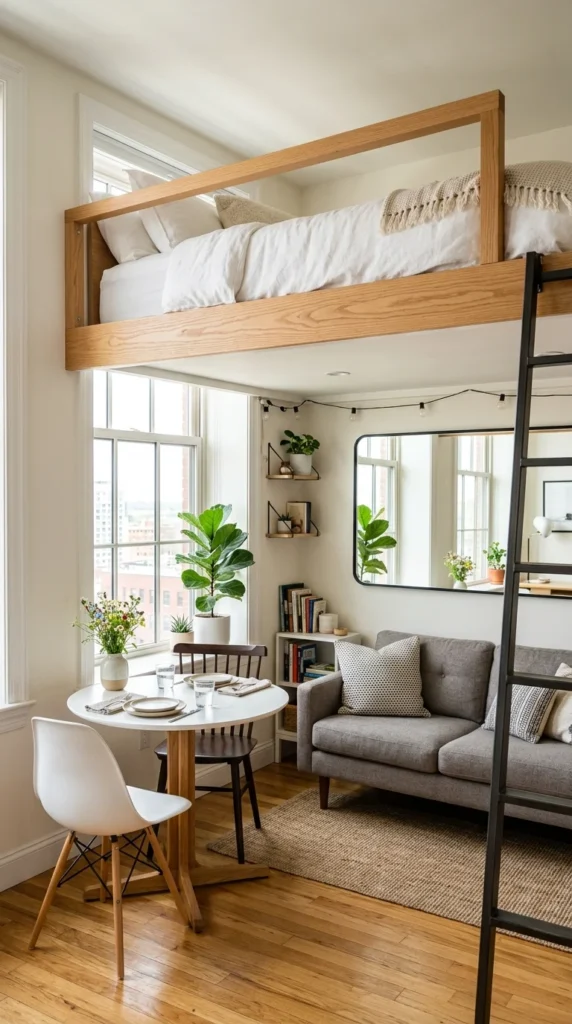
Scandinavian designers are masters of small-space living. This design philosophy assumes that you don’t need a lot of square footage to live well. In a small Scandinavian apartment, the focus is on light and flow. Mirrors are used strategically to double the perceived space, and furniture is often “leggy” (raised off the ground) to keep the floor visible, which makes the room feel larger. Multi-functional furniture—like a coffee table with hidden storage or a sofa bed—is essential. By keeping the color palette light and the clutter at bay, even the smallest studio can feel like a luxurious suite.
10. Coastal Calm
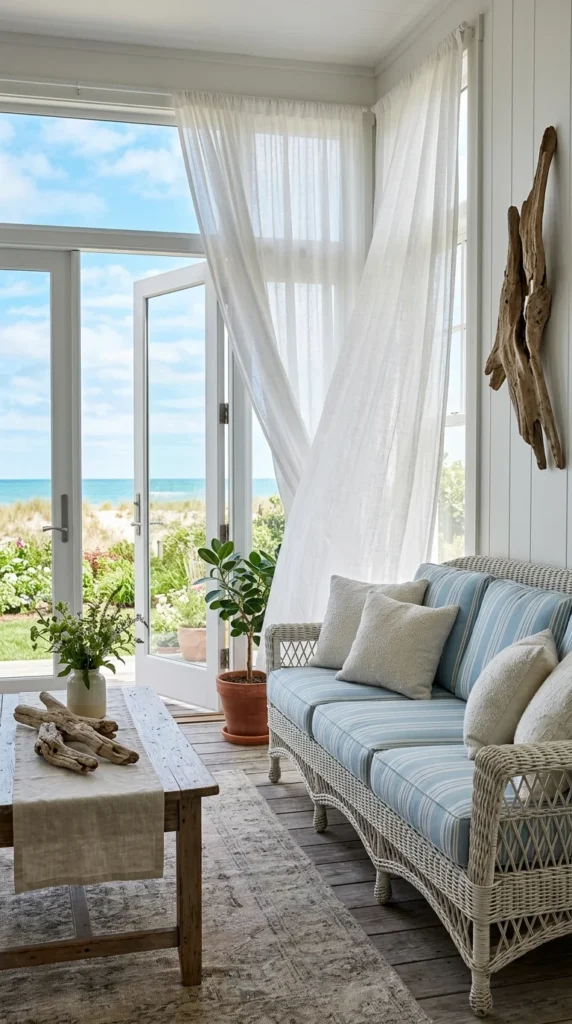
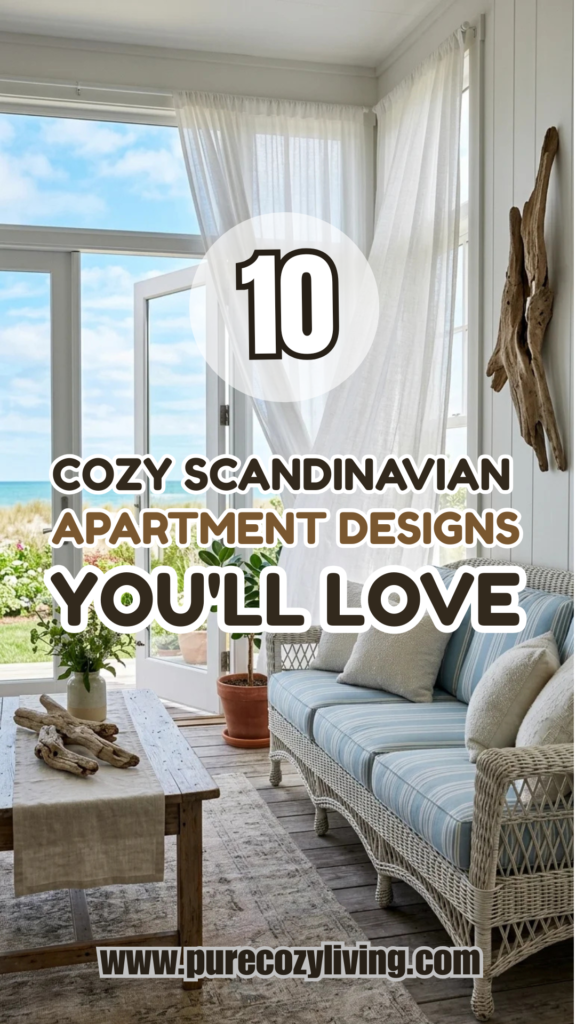
Inspired by the archipelagos of Sweden and the rugged coastlines of Denmark, the coastal Scandinavian look is breezy and light. Unlike the traditional “nautical” theme, there are no anchors or navy blues here. Instead, it’s about the colors of the sea on a cloudy day: pale blues, sandy beiges, and weathered greys. Materials like rattan, wicker, and light linen are used to create a sense of airiness. This design is perfect for creating a summer-house vibe all year round, emphasizing a slow, relaxed pace of life.
Scandinavian design is more than just a decorating style; it is a way of living that prioritizes comfort, utility, and a connection to the natural world. By choosing one of these ten approaches, you can transform your apartment into a cozy, functional, and beautiful haven that stands the test of time.