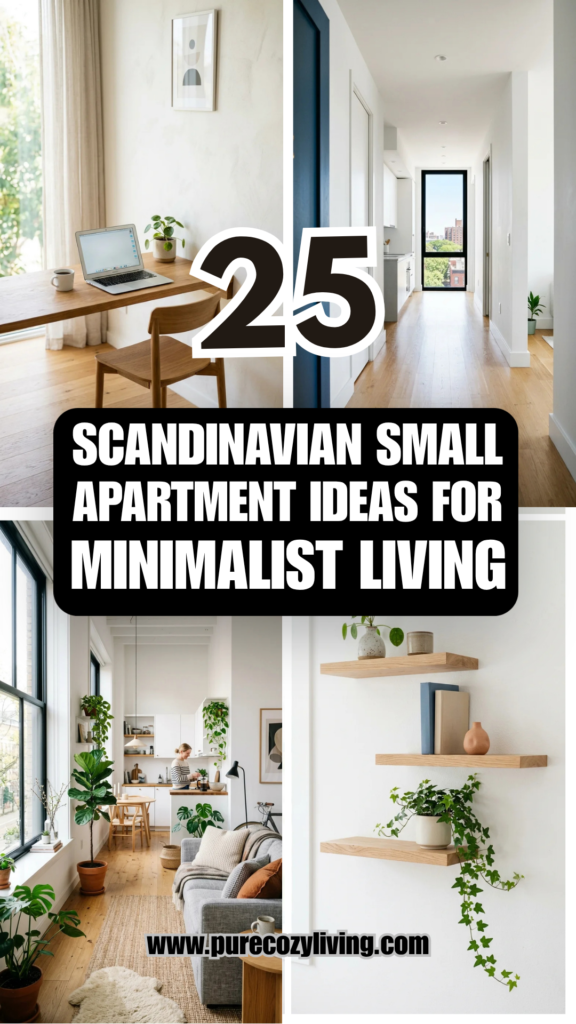

Scandinavian design, or Scandi style, is more than just a trend; it is a philosophy rooted in functionality, simplicity, and a deep connection to the natural world. Originating from the Nordic countries where winters are long and daylight is scarce, this aesthetic prioritizes brightness, warmth, and the efficient use of space. For those living in small apartments, the Scandinavian approach offers a masterclass in how to live large in a limited square footage. By focusing on “lagom” (the Swedish concept of ‘just the right amount’) and “hygge” (the Danish concept of coziness), you can transform a cramped dwelling into a serene, minimalist sanctuary.
1. White Walls
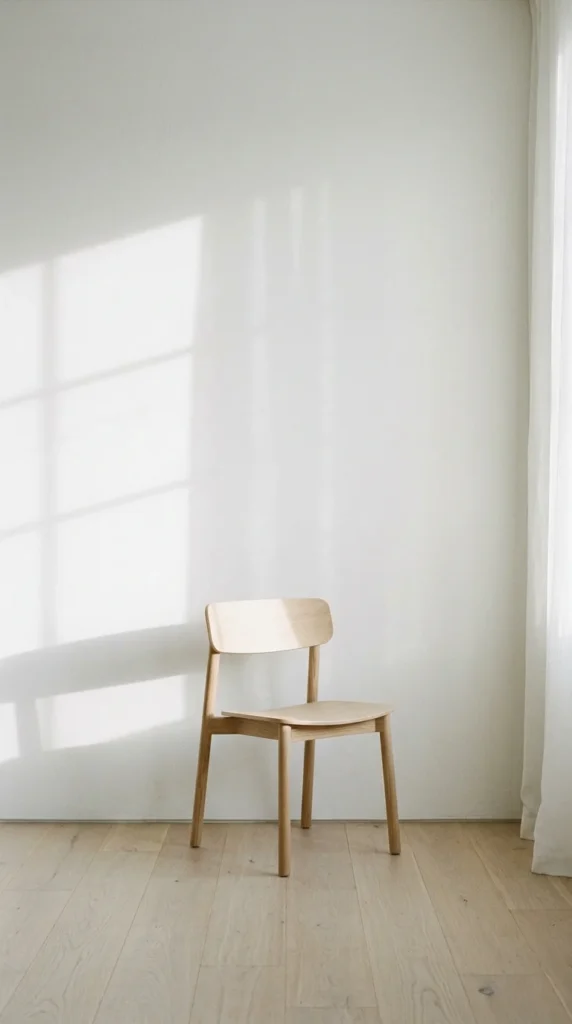
White is the foundation of Scandinavian interiors. It acts as a blank canvas that reflects every bit of available natural light, making even the smallest room feel expansive and airy. In a tiny apartment, white walls blur the boundaries between the ceiling and the floor, creating an optical illusion of more space. To keep it from feeling clinical, choose “warm” whites with subtle yellow or pink undertones.
2. Light Wood
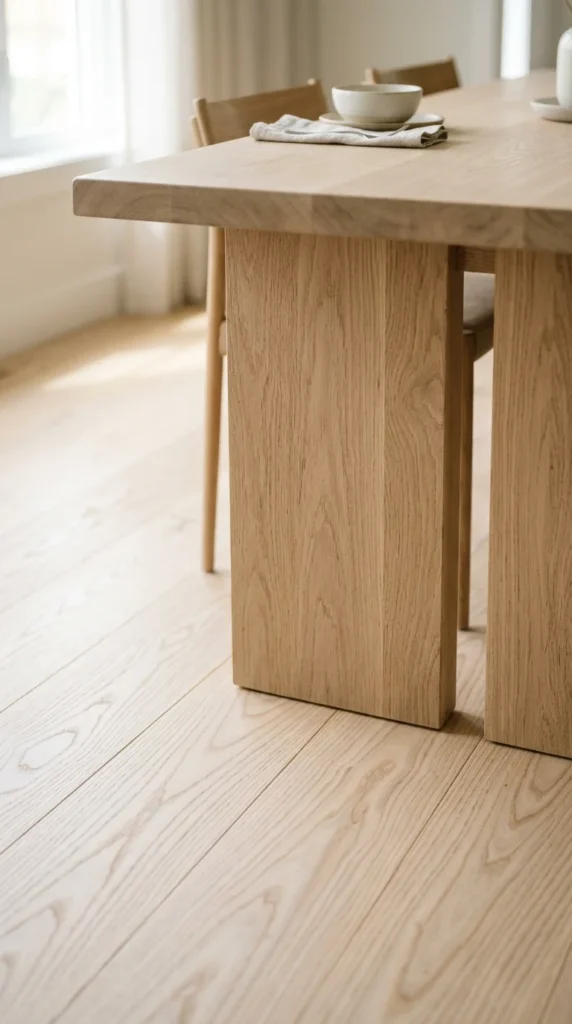
Wood brings warmth and organic texture to the minimalist home. Scandi design favors light woods like ash, beech, and pine over dark, heavy mahoganies. Using light wood for flooring, furniture legs, and cabinetry maintains a sense of continuity and prevents the furniture from feeling like it is “weighing down” the room.
3. Multi-functional Furniture
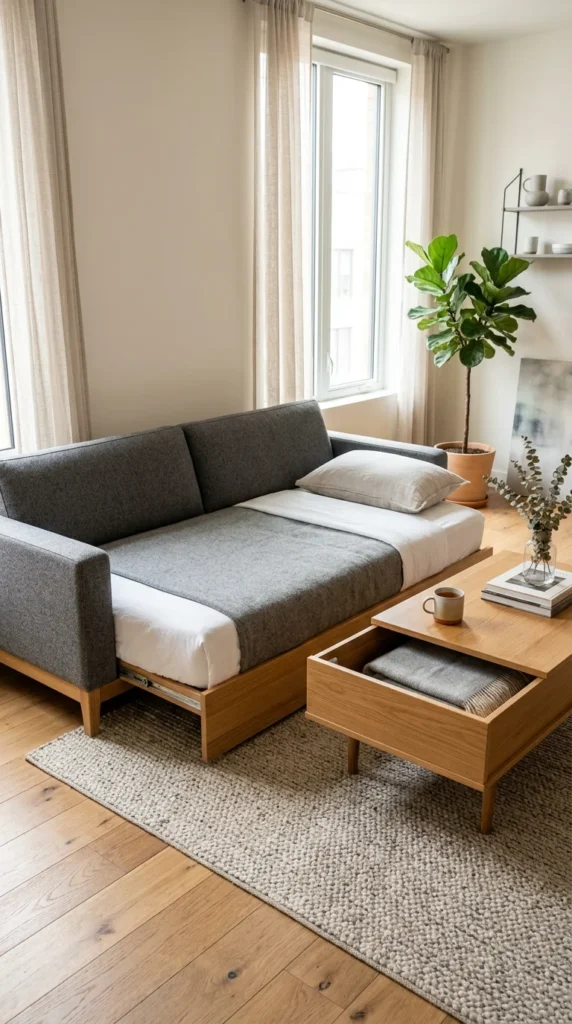
In a small apartment, every piece of furniture must earn its keep. Look for coffee tables with hidden storage, ottomans that double as seating, or sofa beds that provide a guest sleeping area without requiring an extra room. The goal is to reduce the number of individual items while maximizing the utility of each one.
4. Large Mirrors
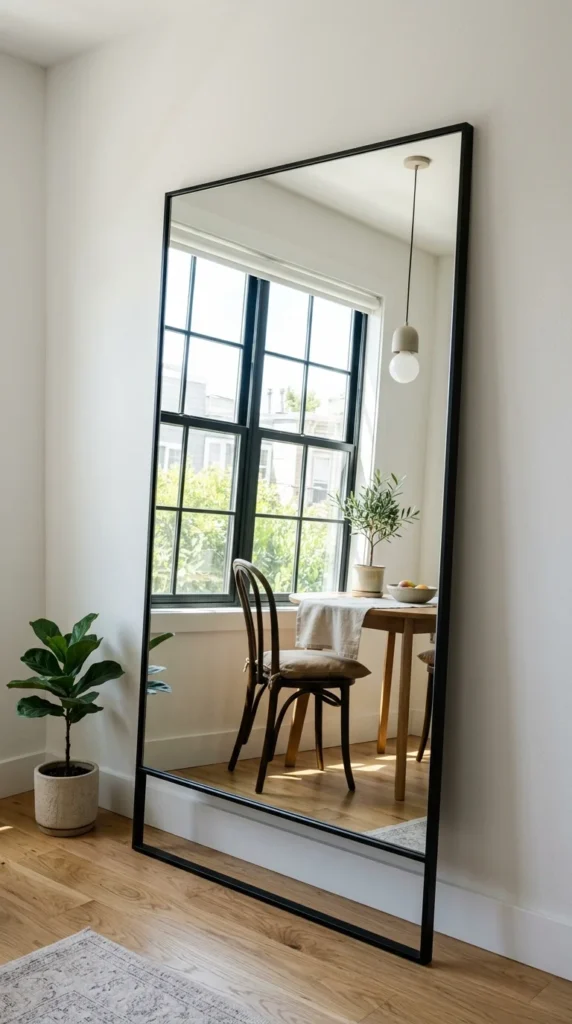
Mirrors are a classic trick for a reason. By placing a large mirror opposite a window, you effectively double the amount of light entering the room. In Scandinavian apartments, mirrors often feature thin, unobtrusive frames or are completely frameless to maintain the minimalist aesthetic.
5. Floating Shelves
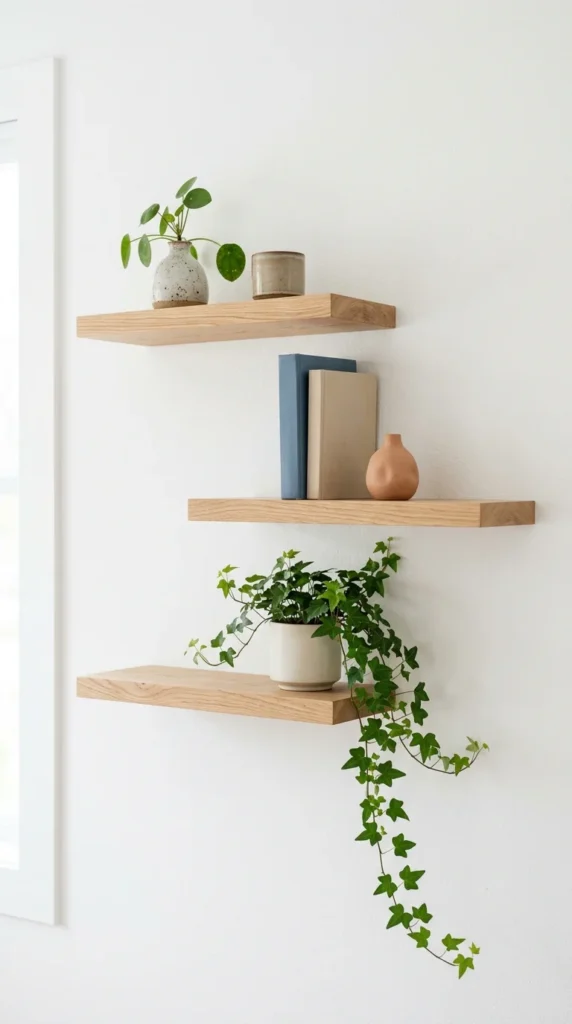
When floor space is at a premium, look to the walls. Floating shelves provide storage and display space without the visual bulk of a traditional bookcase. By keeping the floor clear beneath the shelves, the room appears larger because more of the floor plan remains visible.
6. Neutral Palettes
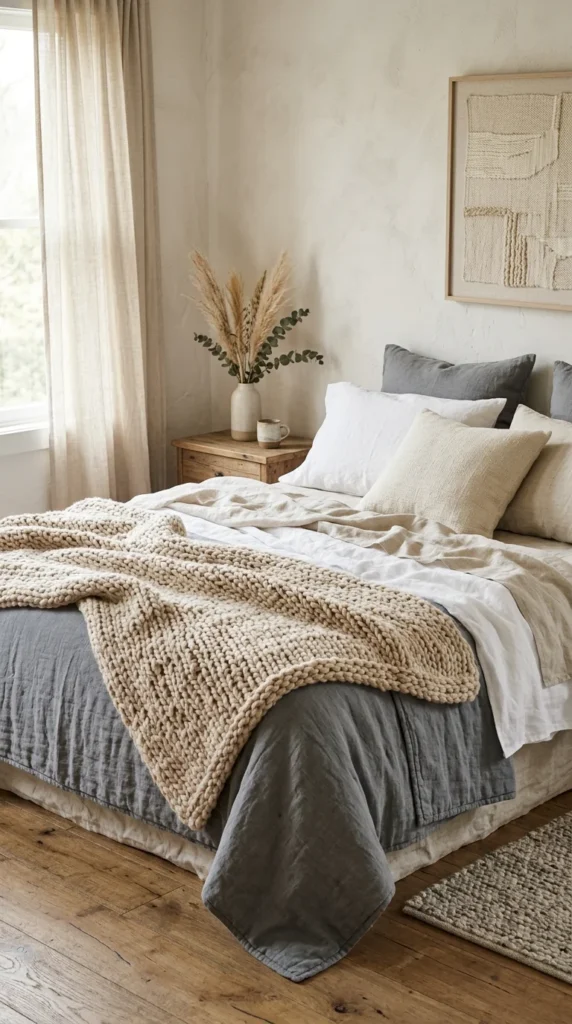
Minimalist living relies on a cohesive color palette to prevent visual clutter. Stick to a base of neutrals—grays, beiges, and whites—to create a calming atmosphere. This uniformity allows the eye to move smoothly across the room without being interrupted by jarring colors, which can make a small space feel fragmented.
7. Sheer Curtains
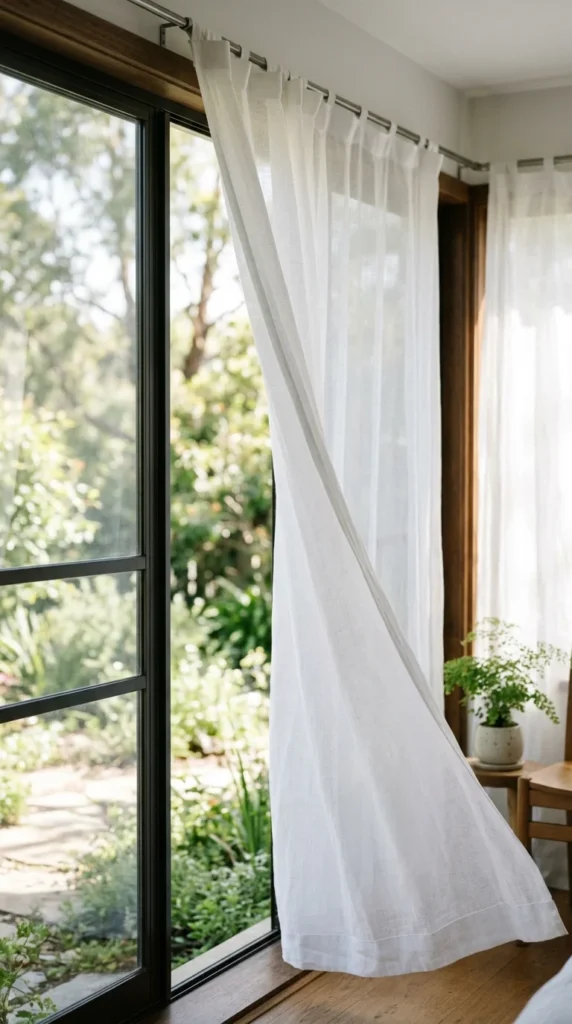
Heavy drapes are the enemy of small, Scandi-style apartments. To maximize natural light, opt for sheer curtains or light linen fabrics. These provide privacy while still allowing the sun to illuminate the interior. Some minimalist homes forgo window treatments altogether to emphasize the architectural lines of the windows.
8. Statement Lighting
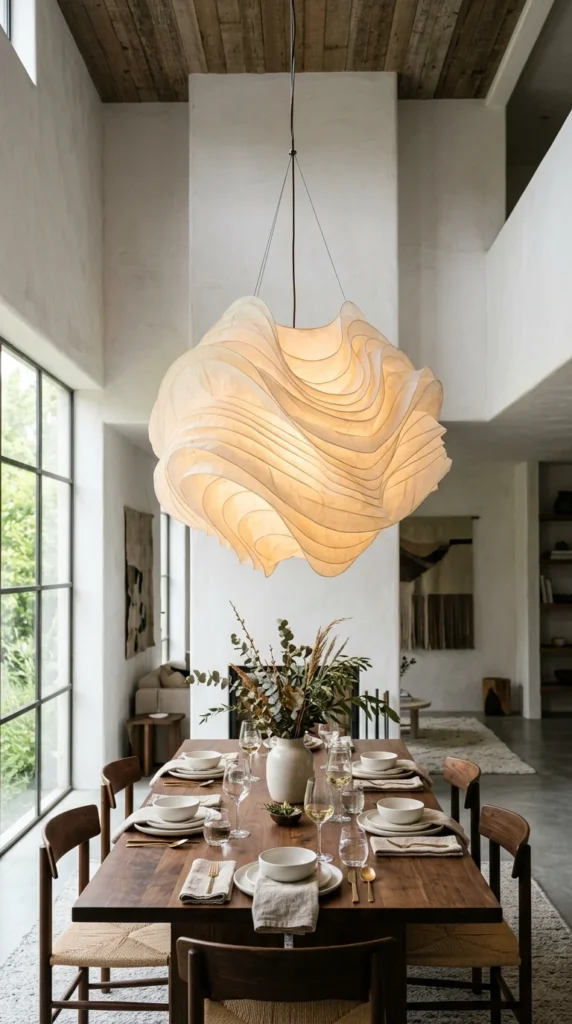
Since natural light is limited during Nordic winters, artificial lighting is crucial. Instead of one harsh overhead light, use a variety of sources. A large, well-designed pendant light can serve as a focal point, while floor lamps and task lighting create “pools” of warmth that make a small apartment feel cozy and layered.
9. Indoor Greenery
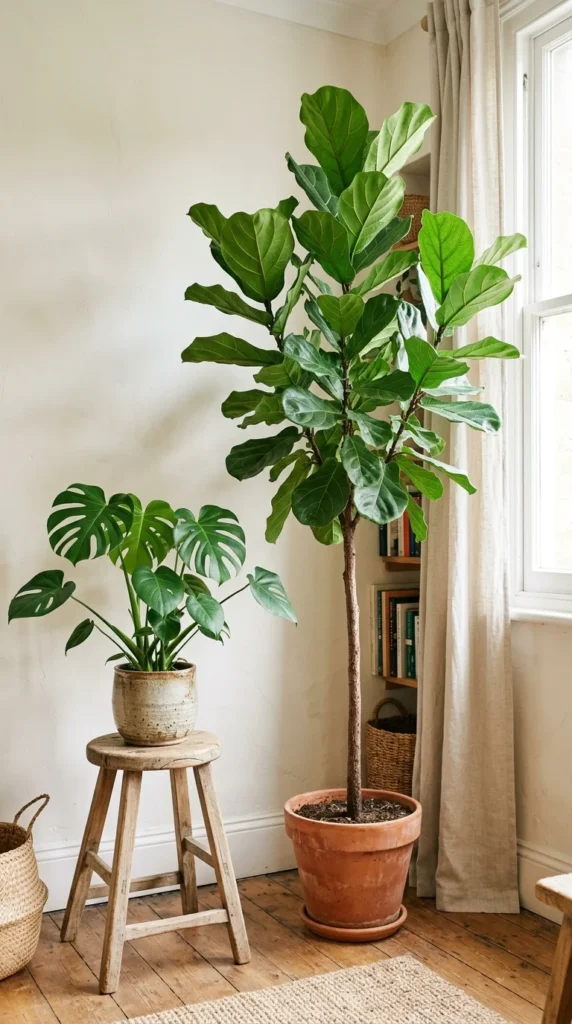
Scandi design celebrates the connection to nature. Adding living plants introduces color and life into a minimalist space without adding clutter. Plants like the Snake Plant or Pothos are perfect for small apartments because they are low-maintenance and thrive in various lighting conditions.
10. Under-Bed Storage
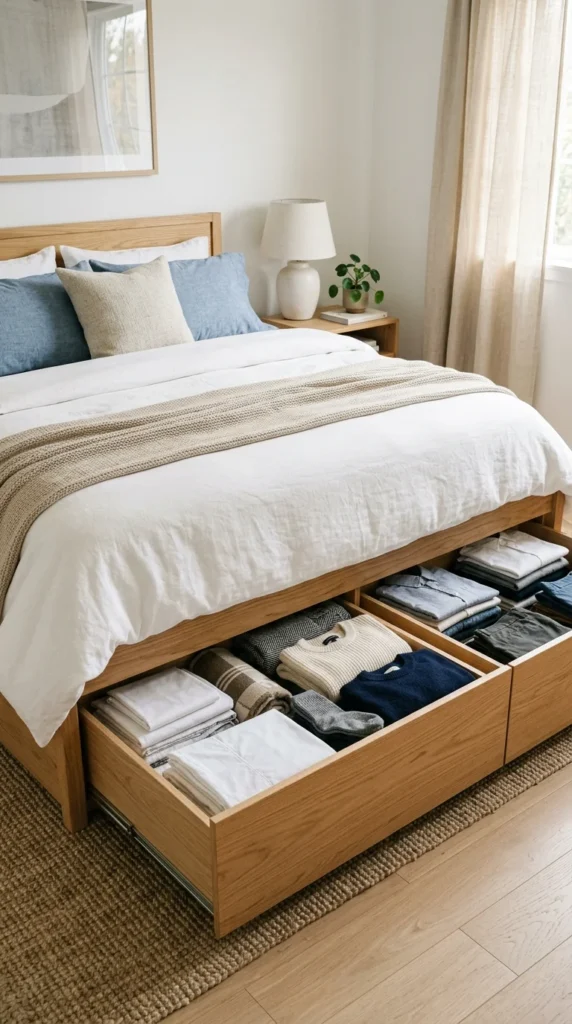
The space under the bed is often wasted. In a small minimalist apartment, this is prime real estate for seasonal clothing, extra bedding, or shoes. Integrated drawers or sleek rolling bins keep these items out of sight, adhering to the minimalist rule of “everything has a place.”
11. Minimalist Art
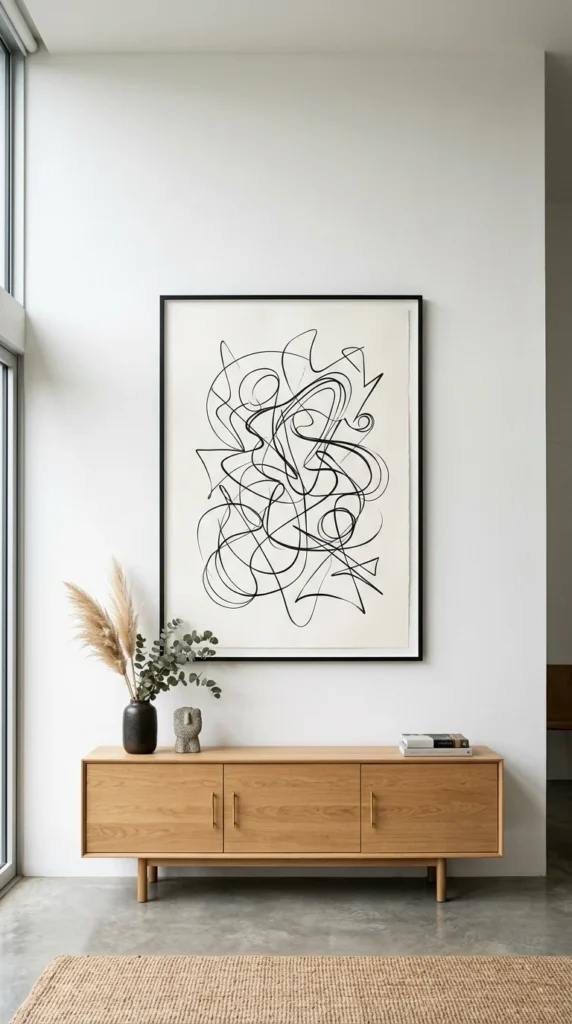
Rather than a gallery wall of many small pictures, which can feel busy, choose one or two large, meaningful pieces. This creates a focal point and gives the room a sense of sophisticated curation. Minimalist art—such as line drawings or monochromatic photography—complements the Scandi aesthetic perfectly.
12. Glass Elements
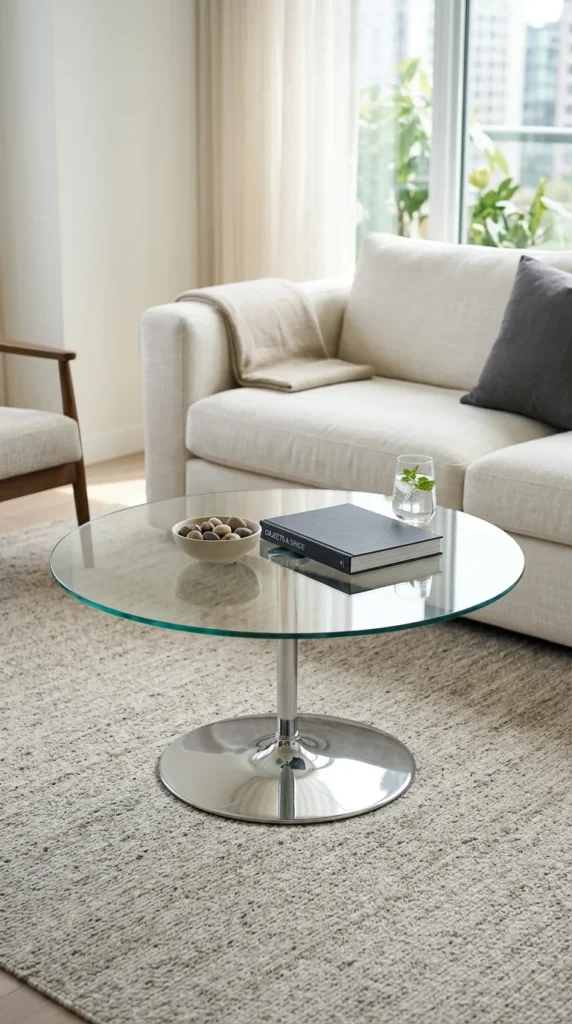
Transparent furniture, such as glass tables or acrylic “ghost” chairs, is a brilliant solution for small spaces. Because you can see through them, they occupy “zero” visual space, preventing the room from feeling crowded while still providing necessary surfaces.
13. Area Rugs
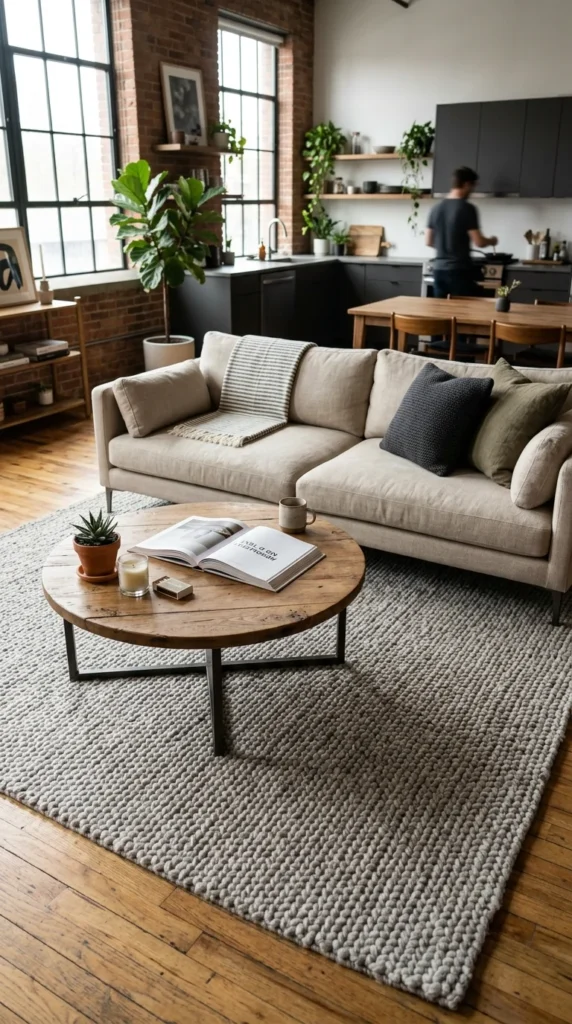
In small studio apartments, rugs are essential for “zoning.” A well-placed rug can define the living area versus the sleeping area without the need for physical walls. Opt for natural fibers like wool or jute in neutral tones to add texture and comfort.
14. Sliding Doors
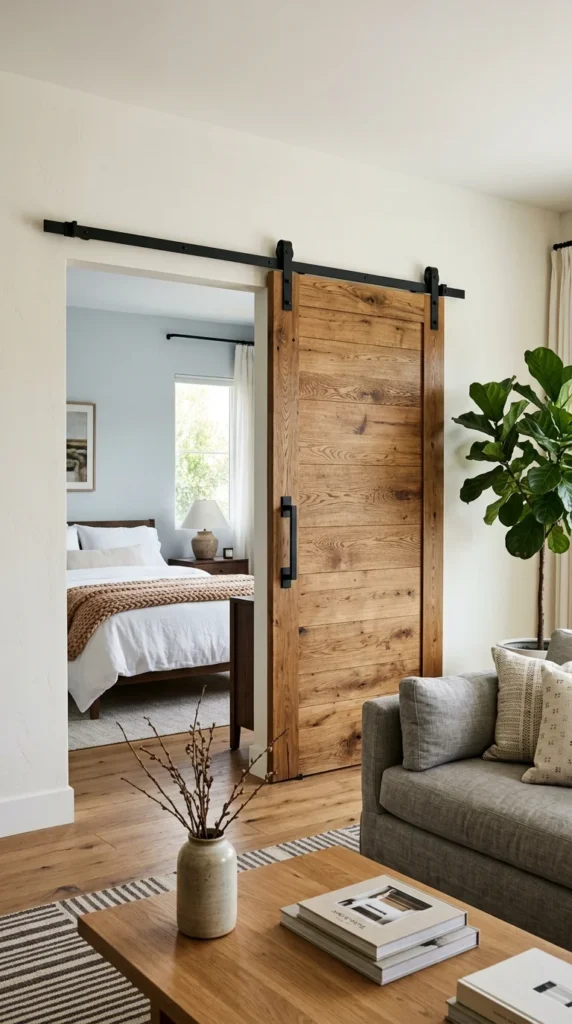
Traditional doors require a “swing” radius that can take up valuable square footage. Sliding doors or pocket doors are a staple in smart Scandi layouts. They allow you to close off private areas when needed but remain flush against the wall when open, maintaining an unobstructed flow.
15. Low-Profile Seating
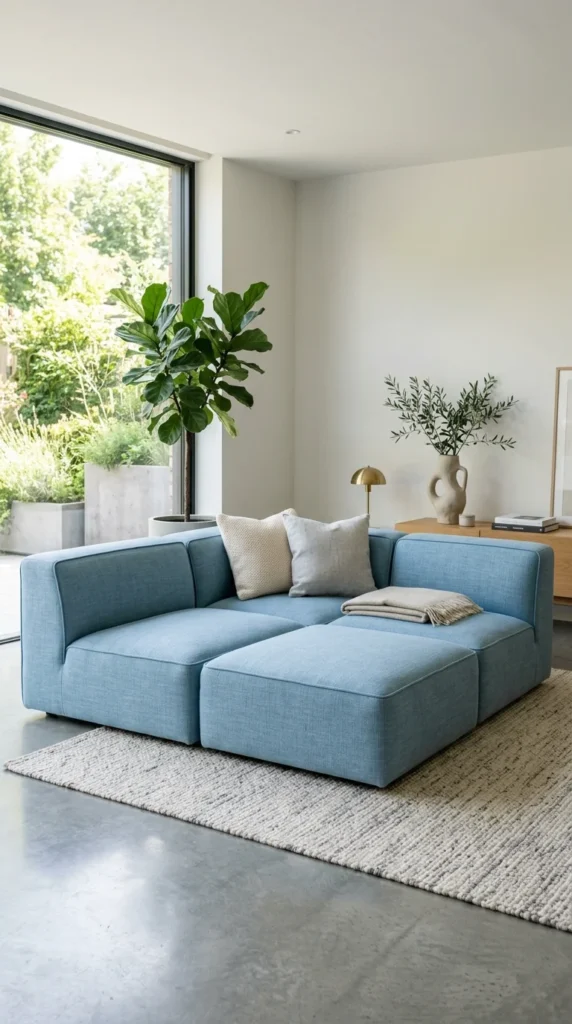
Furniture that sits low to the ground creates more vertical space between the top of the furniture and the ceiling. This makes the ceiling feel higher and the room feel more open. Low-profile sofas and beds are hallmark pieces of Scandinavian and Japanese-inspired minimalism.
16. Wall-Mounted Desks
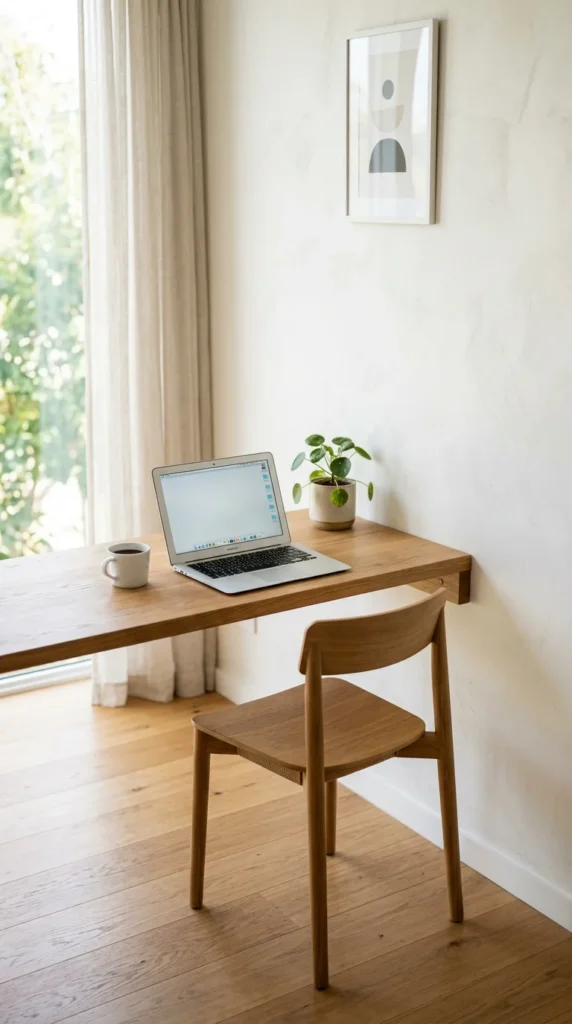
With the rise of remote work, a home office is often necessary, even in a tiny apartment. A wall-mounted or “floating” desk provides a dedicated workspace that can be tucked into a corner or even a closet (a “cloffice”). This keeps the floor clear and prevents the desk from dominating the room.
17. Hidden Storage
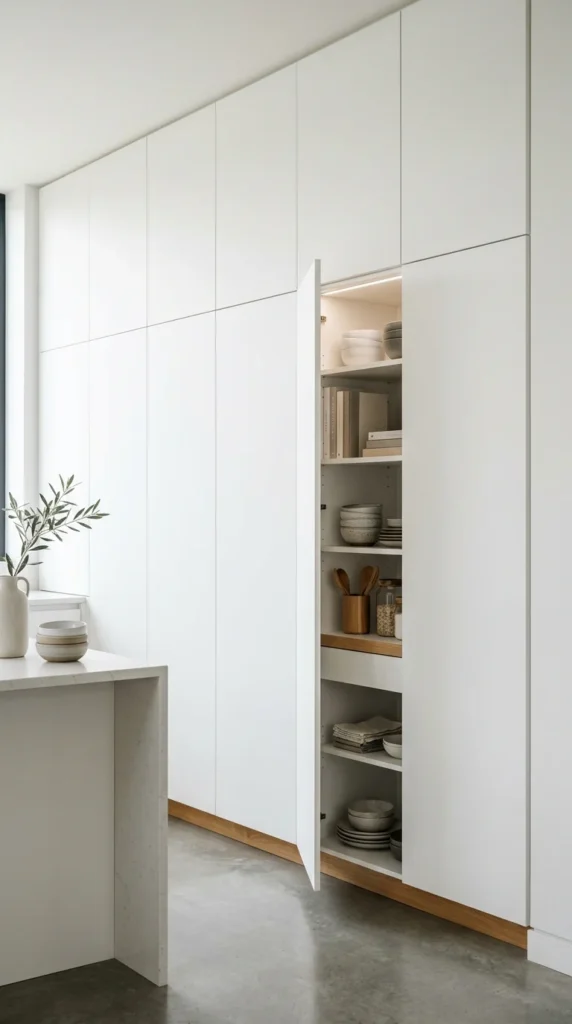
Scandinavian design excels at “stealth” storage. Floor-to-ceiling cabinets that match the wall color can hold an entire household’s worth of items while remaining virtually invisible. Using handle-less, push-to-open doors ensures the cabinetry looks like a flat wall rather than a bulky furniture piece.
18. Cohesive Textures
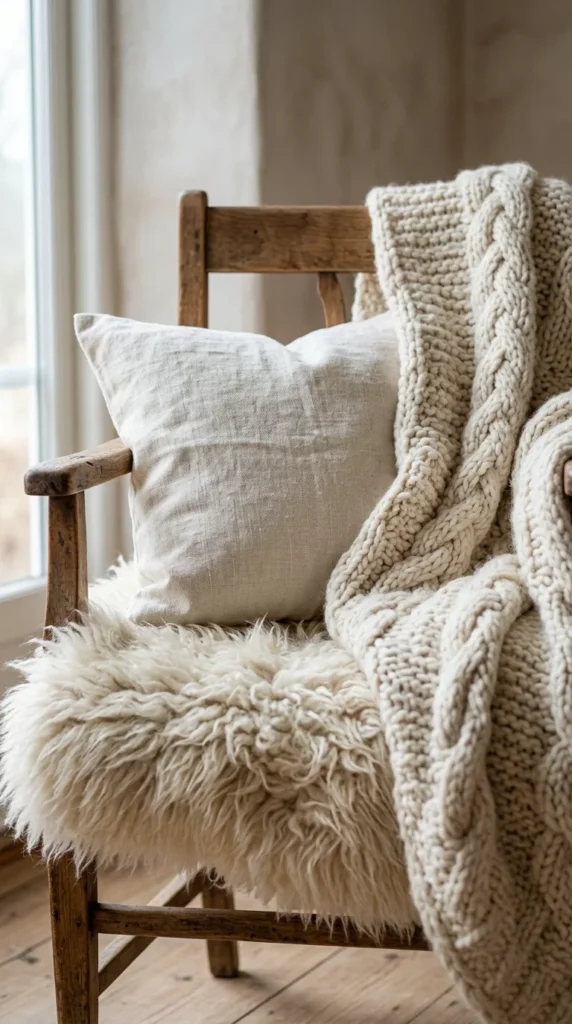
Minimalism doesn’t have to be cold. By layering different textures—linen, wool, leather, and sheepskin—you add depth and “hygge” to the space. Keeping the colors similar but the textures varied allows for a rich, sensory experience without the visual noise of patterns.
19. Vertical Gardens
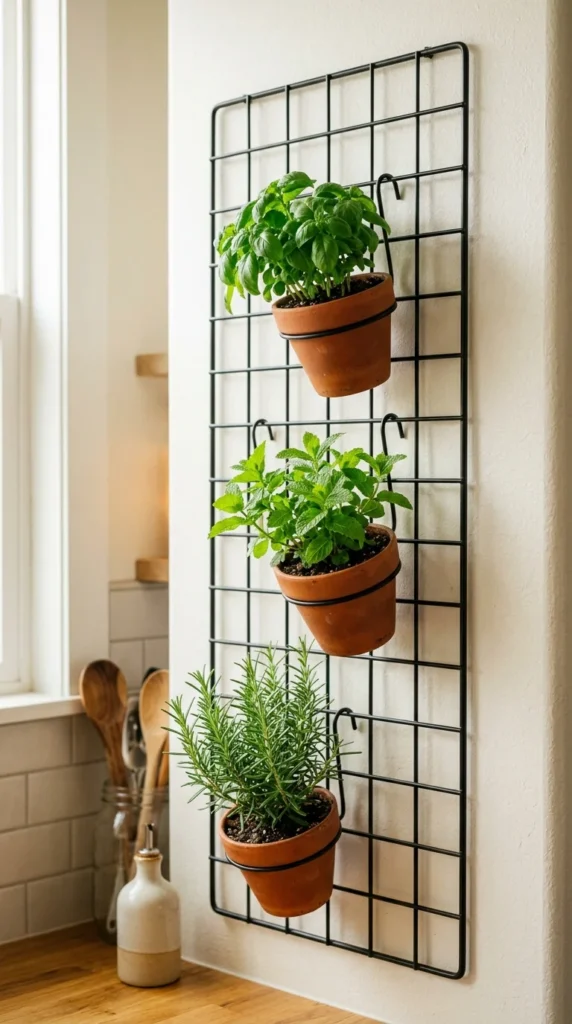
If you lack a balcony or windowsill space, use your walls for greenery. A vertical herb garden in the kitchen is both functional and beautiful. It brings a pop of organic color to the space and provides fresh ingredients for cooking, all while taking up zero counter space.
20. Monochromatic Decor
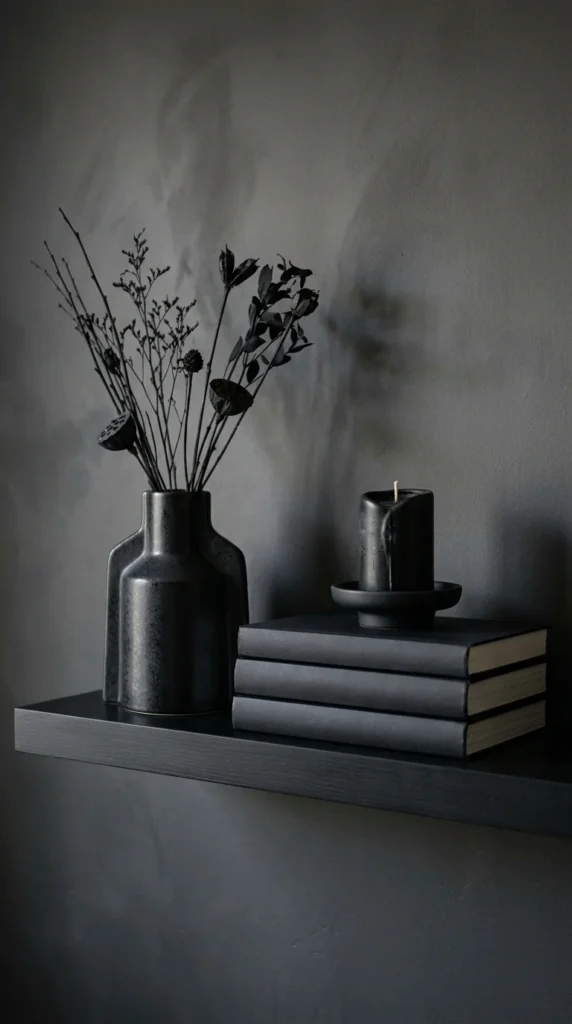
Choosing decor in a single color family creates a sense of intentionality. In a small space, a monochromatic approach prevents the room from looking cluttered. For example, a collection of white ceramics on a white shelf looks like an art installation rather than a pile of knick-knacks.
21. Entryway Hooks
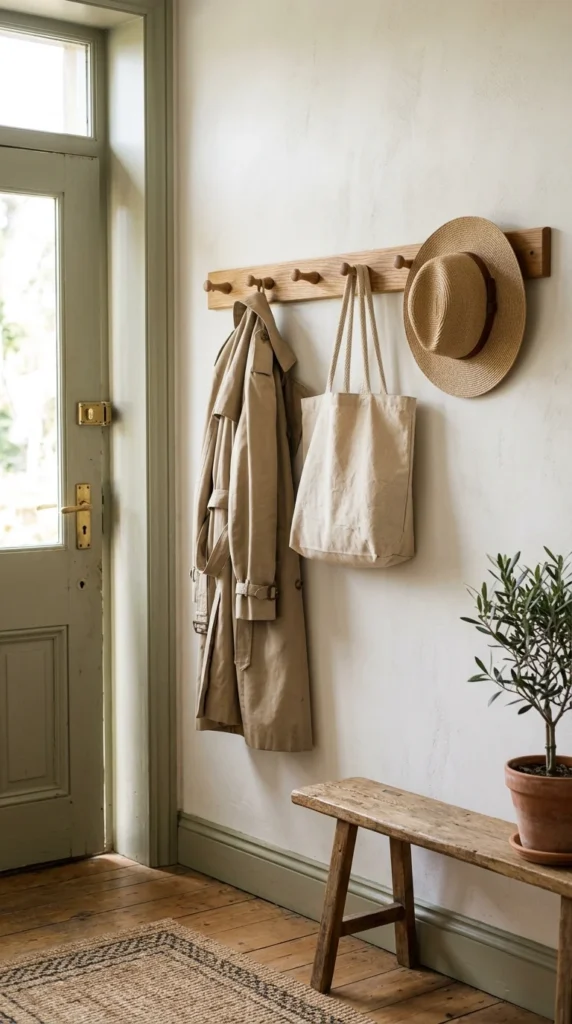
Small apartments often lack a proper foyer. A simple row of hooks or a wall-mounted pegboard near the door provides a landing spot for coats and bags. This prevents “clutter creep” where items are tossed onto chairs or tables as soon as you walk through the door.
22. Loft Beds
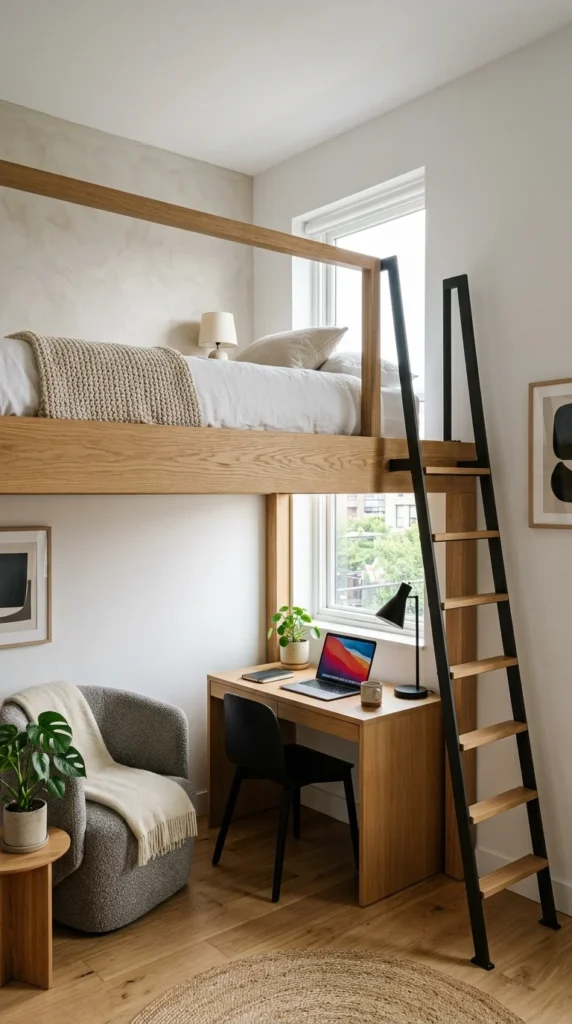
If your apartment has high ceilings, a loft bed is the ultimate space-saver. By elevating the sleeping area, you effectively double your usable square footage, leaving room for a home office, a cozy reading nook, or even a small walk-in closet underneath.
23. The “One In, One Out” Rule
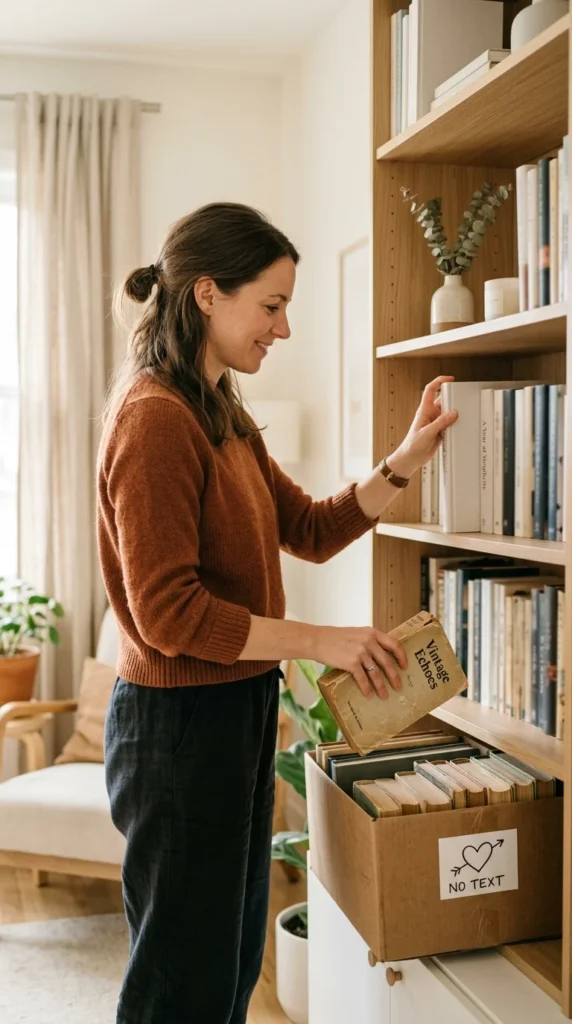
Minimalism is a practice as much as an aesthetic. To maintain a Scandinavian-style home, adopt the “one in, one out” rule. For every new item you bring into your apartment, one item must leave. This ensures that your space never becomes overwhelmed by possessions.
24. Subtle Pops of Color
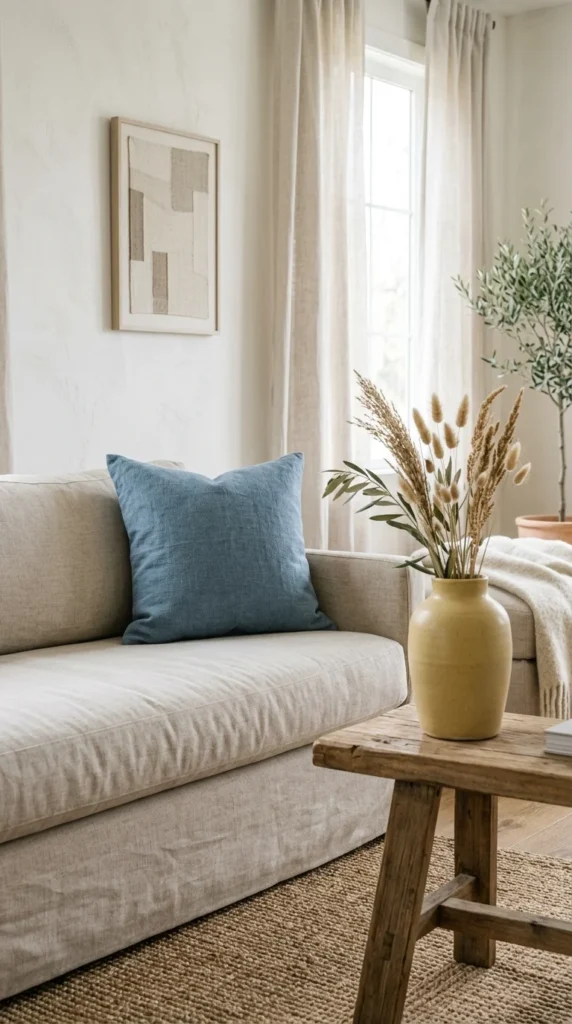
While neutrals dominate, Scandinavian design often incorporates “muted” pops of color. Think dusty blues, sage greens, or burnt oranges. Using these colors sparingly—on a single cushion, a vase, or a piece of art—adds personality to the apartment without breaking the minimalist harmony.
25. Open Sightlines
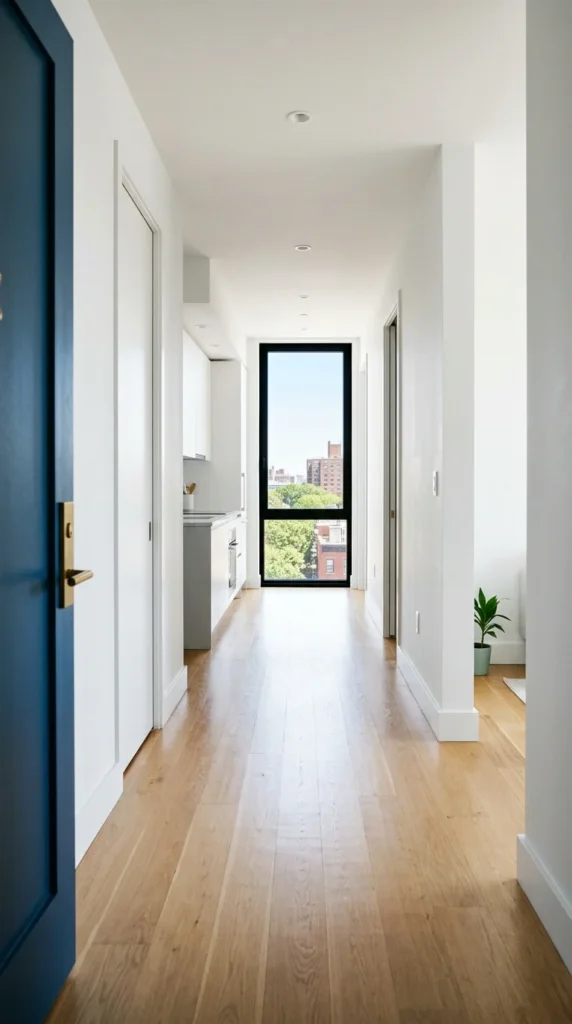
The most important aspect of a small Scandi apartment is the flow of movement. Avoid placing large pieces of furniture in the middle of walk-ways. By keeping the center of the room clear and ensuring you can see from one end of the space to the other, you create an “unbroken” environment that feels significantly larger than its actual dimensions.