
Floating shelves are the ultimate secret weapon in interior design. Combining functionality with aesthetic appeal, these gravity-defying surfaces offer a unique opportunity to showcase your personality without the bulk of traditional cabinetry. Whether you are working with a cramped studio apartment or a sprawling suburban home, the way you style your shelves can transform a blank wall into a sophisticated focal point.
The beauty of floating shelves lies in their versatility. They can serve as a rotating gallery for art, a practical storage solution for kitchen essentials, or a lush vertical garden. However, achieving that “magazine-perfect” look requires more than just placing items at random. It involves a careful balance of height, texture, color, and negative space. Here are 20 inspired ideas to help you elevate your floating shelves and bring a sense of curated elegance to any room in your home.
1. Cascading Greenery
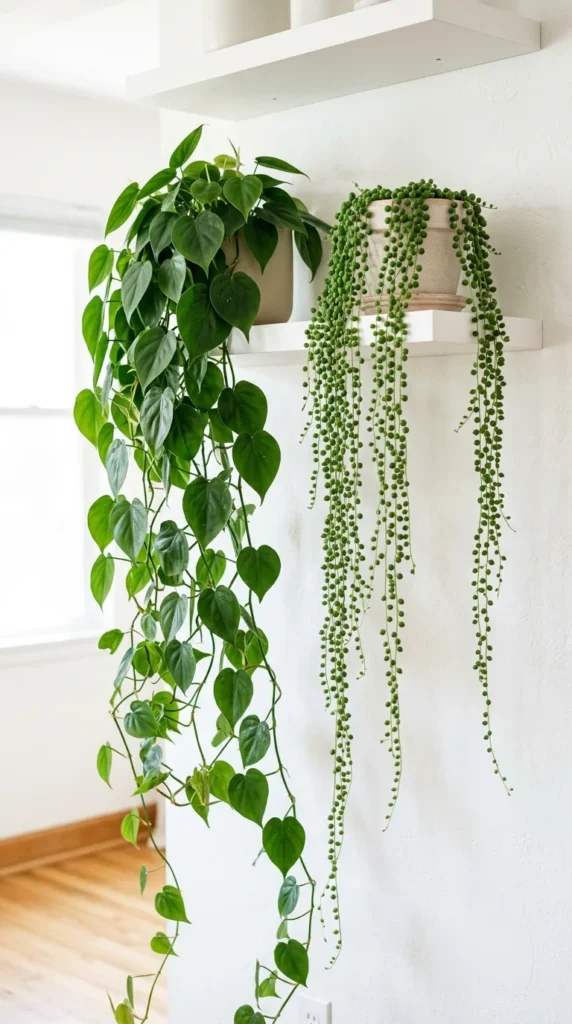
One of the most effective ways to breathe life into a room is by incorporating “spiller” plants. Placing varieties like Pothos, Ivy, or String of Hearts on the highest shelf allows their vines to cascade naturally, creating a soft, organic contrast to the sharp lines of the shelf. This vertical movement draws the eye upward, making the ceiling feel higher and the space more vibrant.
2. Layered Artwork
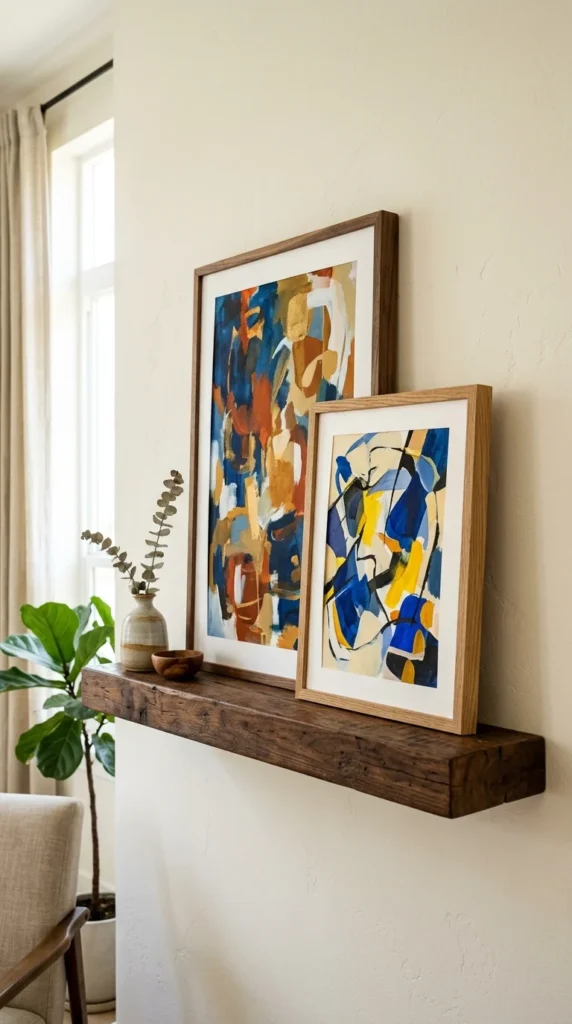
Instead of hanging art directly on the wall, lean your frames on the shelf. Layering a smaller frame in front of a larger one creates an effortless, gallery-like depth. This approach also allows you to swap out pieces easily whenever you want to update your room’s color palette or mood without dealing with new nail holes.
3. Textured Ceramics
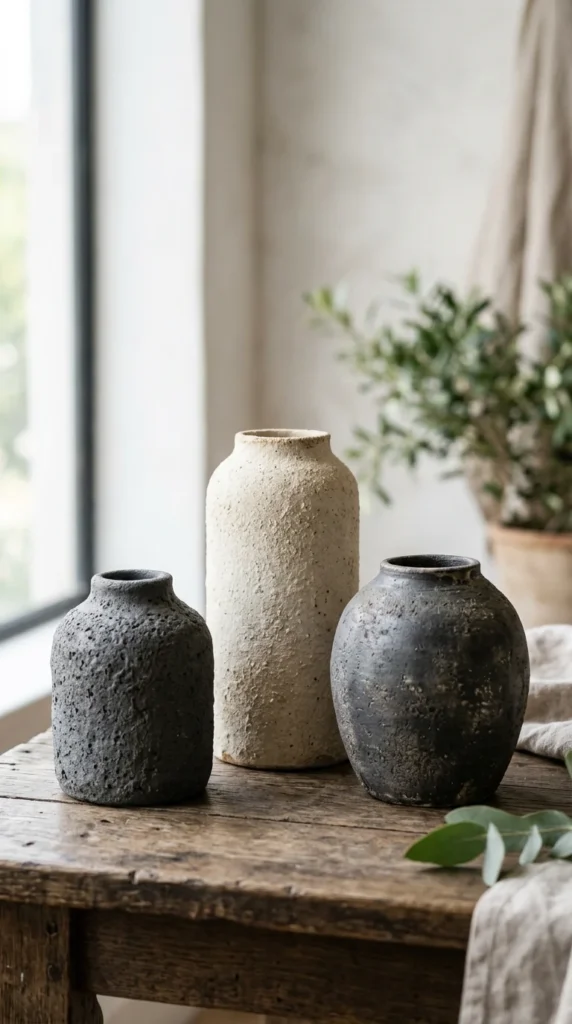
Mix and match ceramic pieces to introduce tactile interest. Look for vases, bowls, or sculptures with varied finishes—think matte, crackle glaze, or raw terracotta. Grouping items with similar color tones but different textures provides a sophisticated, cohesive look that feels intentionally curated rather than cluttered.
4. Vintage Literature

Books are a staple of shelf decor, but for an elevated look, consider the aesthetic of the spines. Antique books with weathered leather or fabric covers add a sense of history and warmth. You can stack them vertically or lay them horizontally to serve as a pedestal for smaller decorative objects like a brass magnifying glass or a small crystal.
5. Metallic Accents
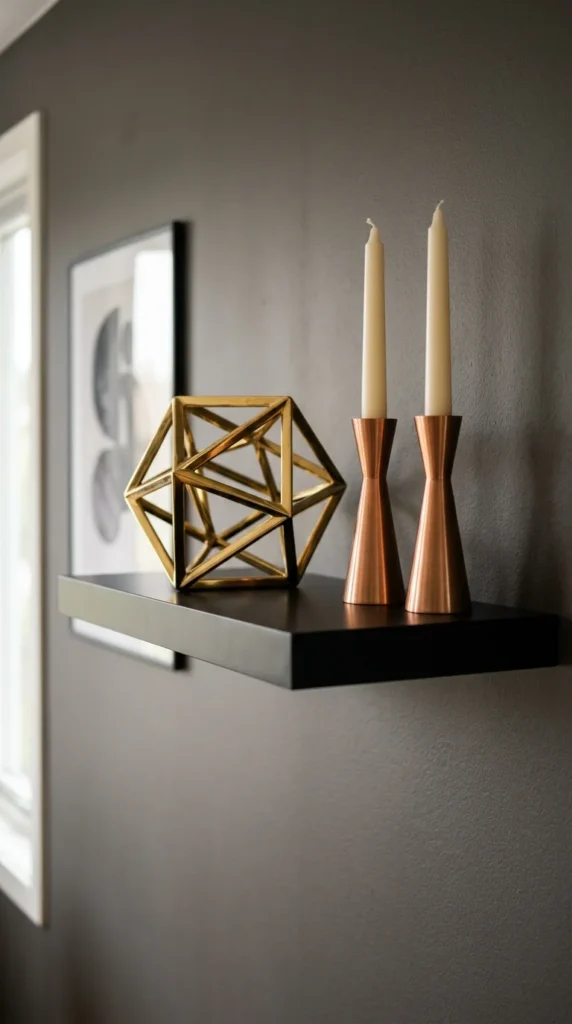
Introduce a touch of luxury by incorporating metallic elements. Brass, copper, and chrome catch the light and add a “jewelry” effect to your walls. To keep it modern, choose geometric shapes or thin, minimalist frames. A little goes a long way; one or two metallic pieces per shelf are usually enough to provide that high-end shimmer.
6. Woven Textures
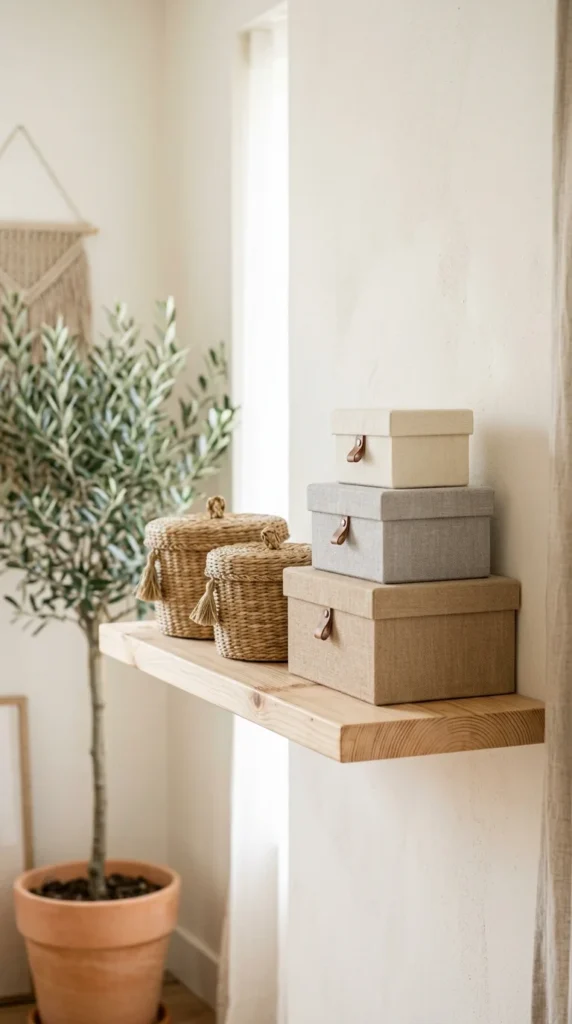
To soften the look of wood or metal shelves, add woven elements like rattan baskets or jute bowls. These items are perfect for hiding unsightly clutter—like remote controls or charging cables—while contributing to a cozy, bohemian, or coastal aesthetic. The natural fibers provide a grounded, earthy feel.
7. Monochrome Palette
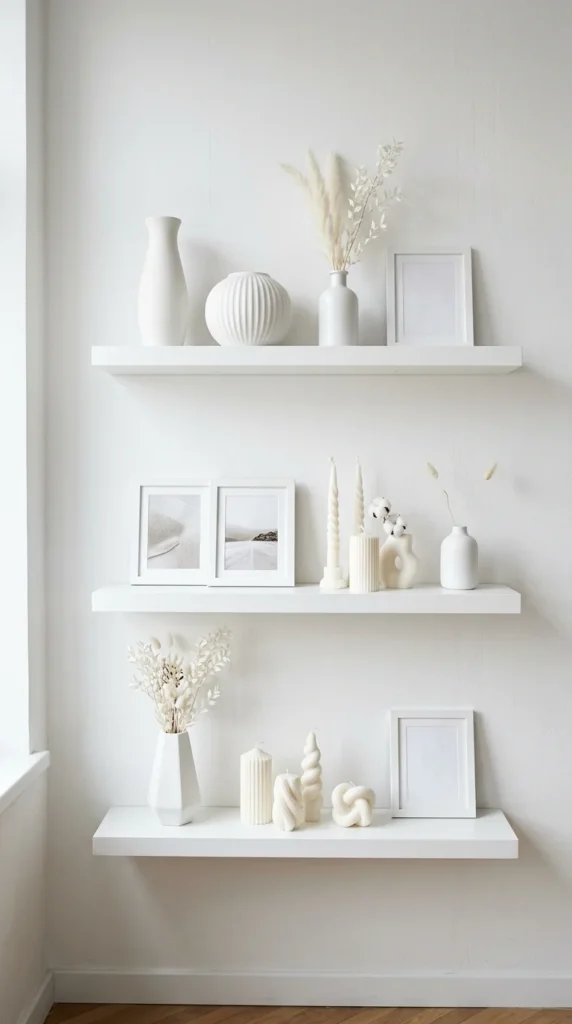
For a high-impact, minimalist look, stick to a single color. A monochromatic shelf arrangement creates a serene and orderly atmosphere. By using different shades and textures of the same color, you maintain visual interest while ensuring the shelves blend seamlessly into the architecture of the room.
8. Culinary Glassware
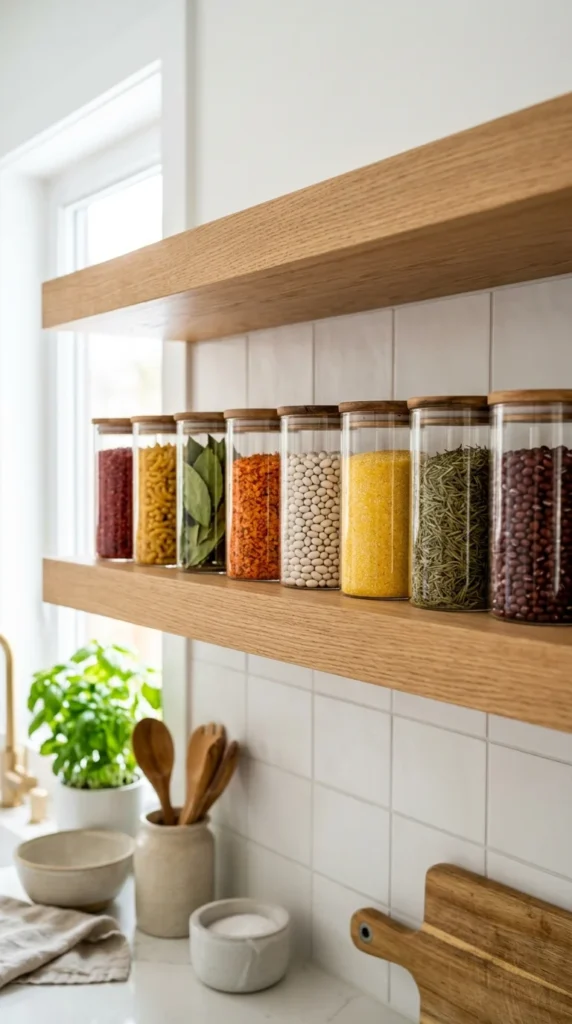
In the kitchen, floating shelves are as practical as they are beautiful. Use uniform glass canisters to store dry goods. The different colors and shapes of the food items become the decor themselves. This “open pantry” look is popular in farmhouse and modern kitchens alike, providing easy access to ingredients while looking incredibly organized.
9. Sculptural Objects
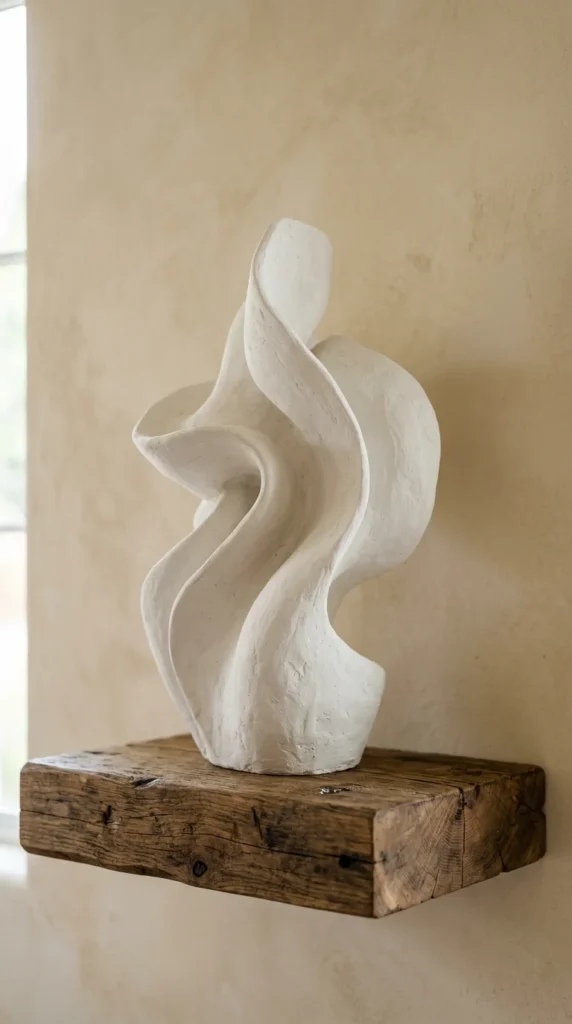
Sometimes, less is more. Placing one large, statement-making sculptural piece on a shelf can have a more significant impact than a dozen small trinkets. Look for objects with interesting silhouettes—an oversized coral branch, a unique piece of driftwood, or a modern 3D-printed bust.
10. Tonal Glass
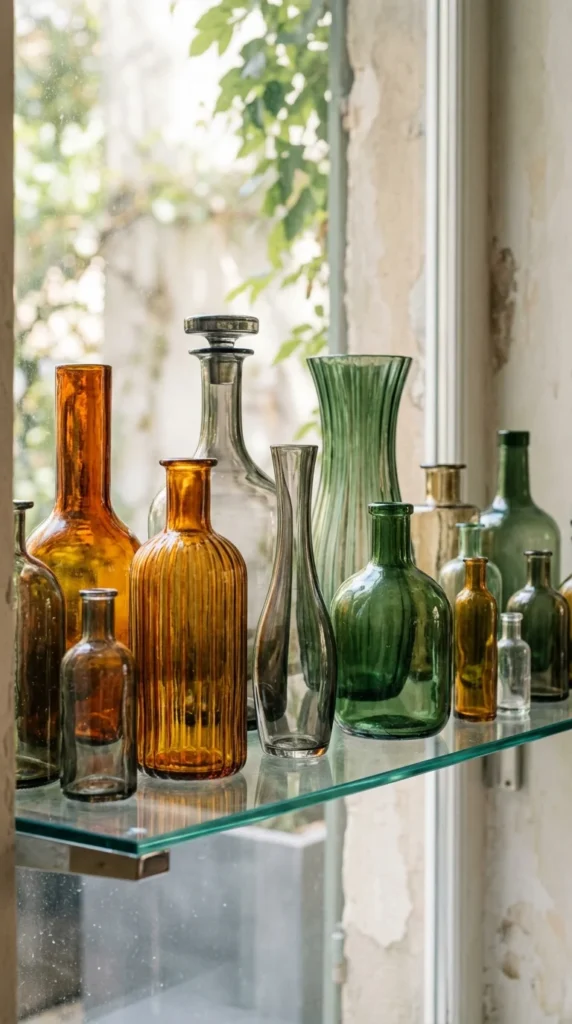
Glass objects offer a lightness that other materials cannot match. Using colored glass in various heights and shapes allows light to pass through, creating beautiful shadows and reflections. This is particularly effective if your shelves are located near a window where natural light can hit the glass throughout the day.
11. Family Heritage
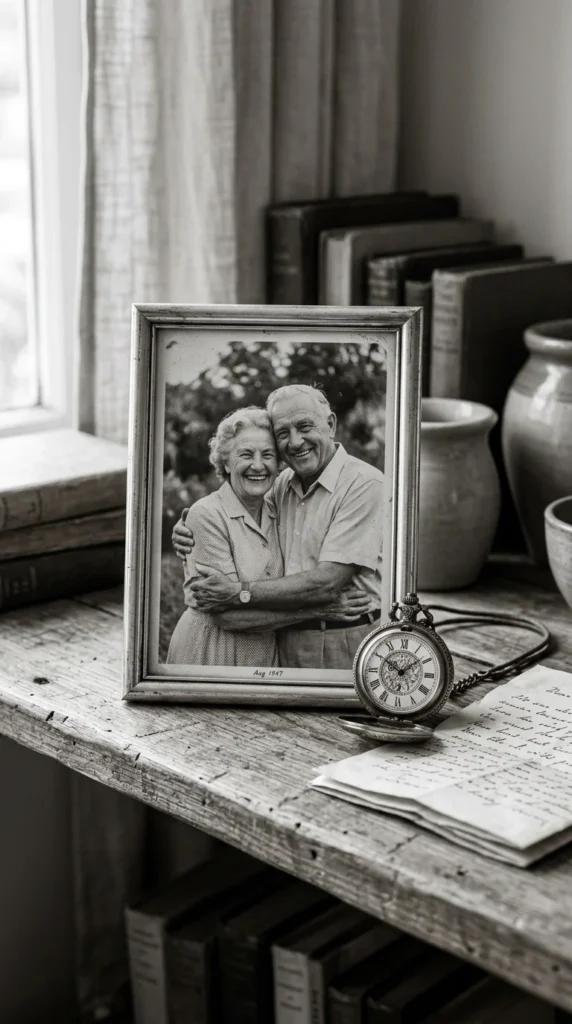
Make your home feel personal by dedicating a portion of a shelf to family mementos. Mix old photographs with small heirlooms. The key to keeping this from looking messy is to use consistent framing. Black-and-white photos with wide white mats in thin frames give even the oldest snapshots a contemporary, professional look.
12. Scented Ambiance
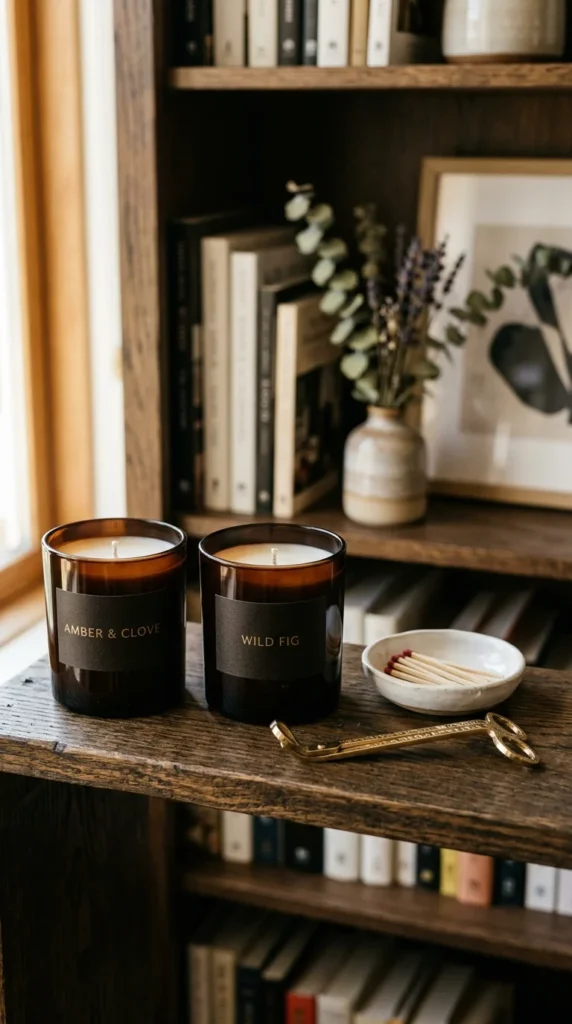
Decor is not just about sight; it’s about the overall sensory experience. A beautifully packaged candle or an elegant reed diffuser adds a layer of sophistication. Choose vessels that complement your decor style—apothecary-style jars for a rustic look or sleek, minimalist tins for a modern vibe.
13. Symmetrical Balance
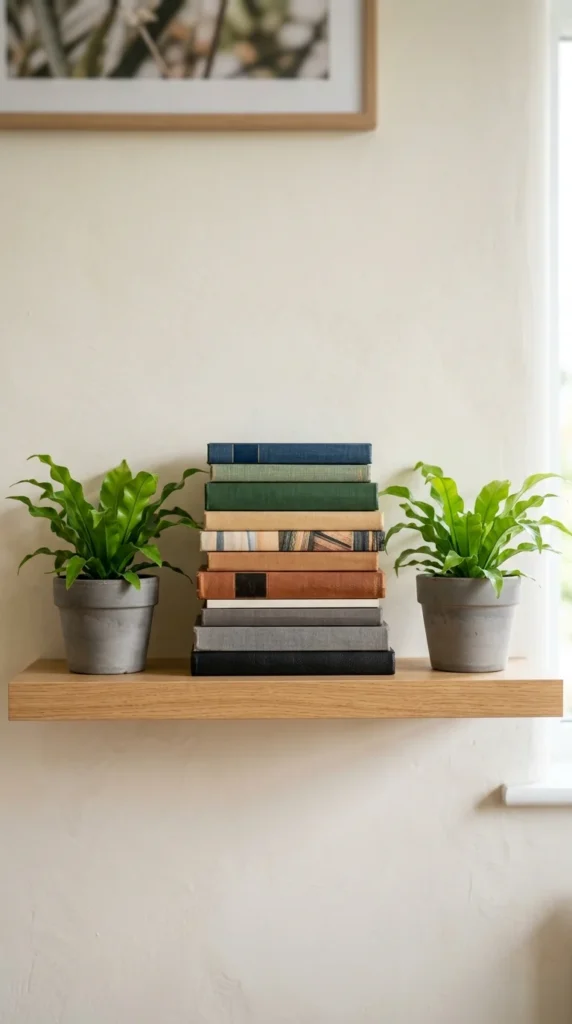
If you struggle with how to arrange items, lean into symmetry. Placing identical or very similar items on either end of a shelf creates a sense of order and calm. This formal arrangement works exceptionally well in dining rooms or offices where you want a structured, professional appearance.
14. Artistic Lighting
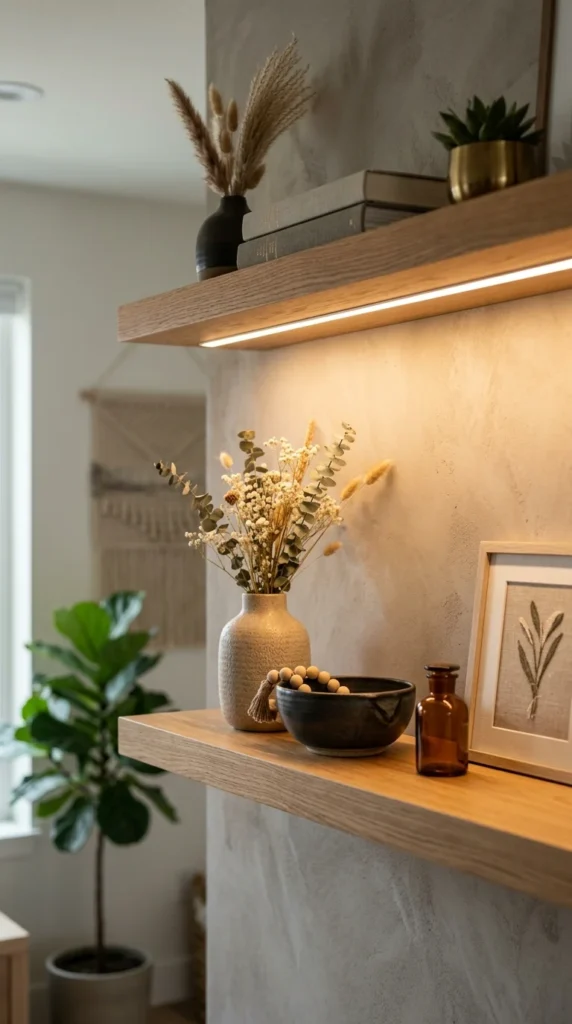
Lighting can change the entire mood of your display. Under-shelf LED strips or small, battery-operated puck lights can highlight your favorite pieces and add depth to the room. In the evening, these lights turn your floating shelves into a glowing architectural feature.
15. Natural Curiosities
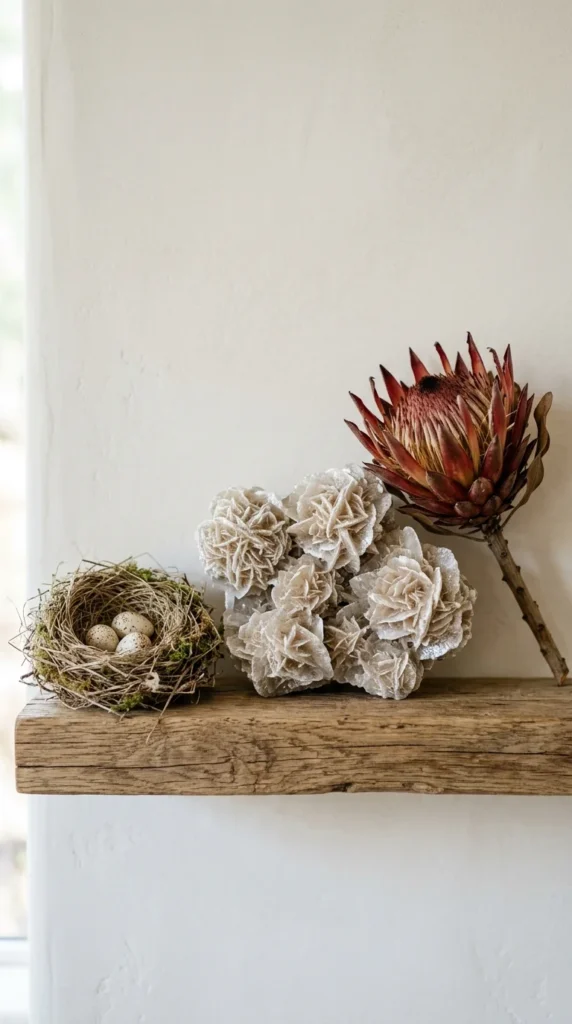
Bring the outdoors in by decorating with “found” objects. Seashells, interesting rocks, seed pods, or even a piece of colorful quartz add an organic, unstudied beauty to your shelves. These items are conversation starters and ground the room with a connection to nature.
16. Mirrored Backing
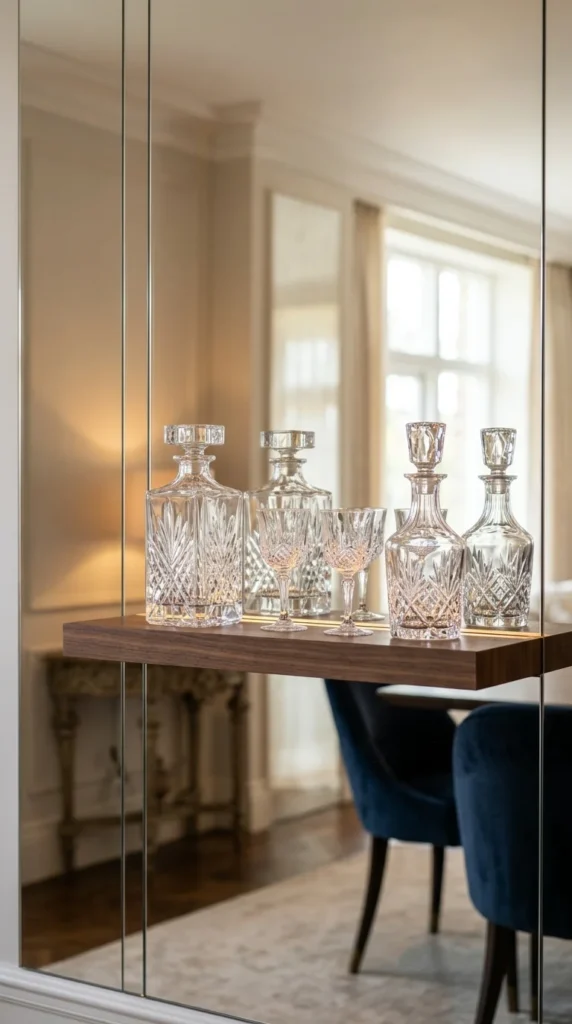
If your shelves are mounted against a mirrored wall or have a mirrored back, the space will instantly feel twice as large. Mirrors add a sense of luxury and help bounce light around a dark corner. This is a classic trick for home bars or small bathrooms to create a high-end, “boutique hotel” feel.
17. The Rule of Three
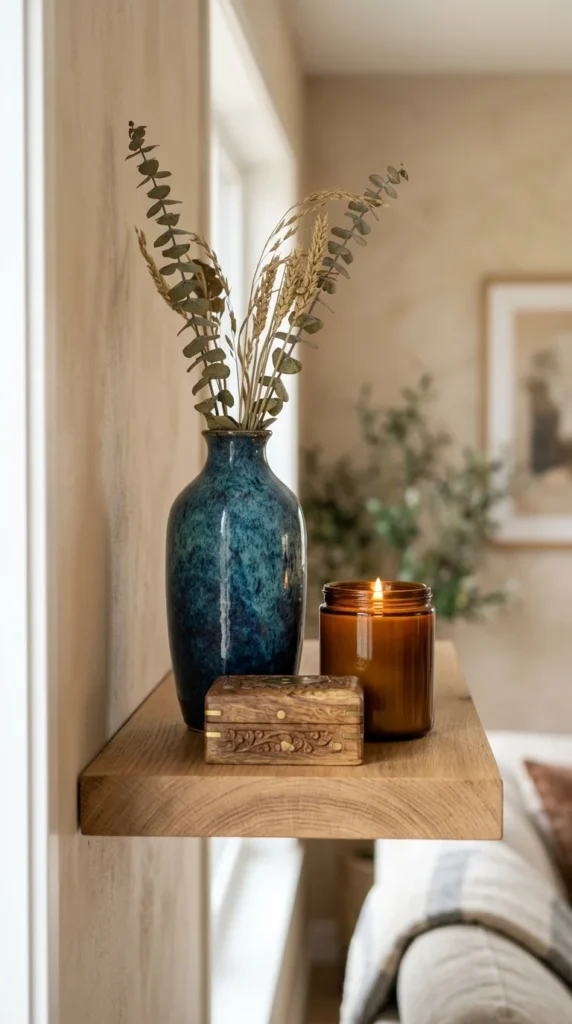
Interior designers often rely on the “rule of three” to create a balanced composition. Items grouped in odd numbers, especially threes, are more visually appealing to the human eye. Vary the heights of the three objects (tall, medium, and short) to create a dynamic triangle that keeps the eye moving.
18. Seasonal Rotations
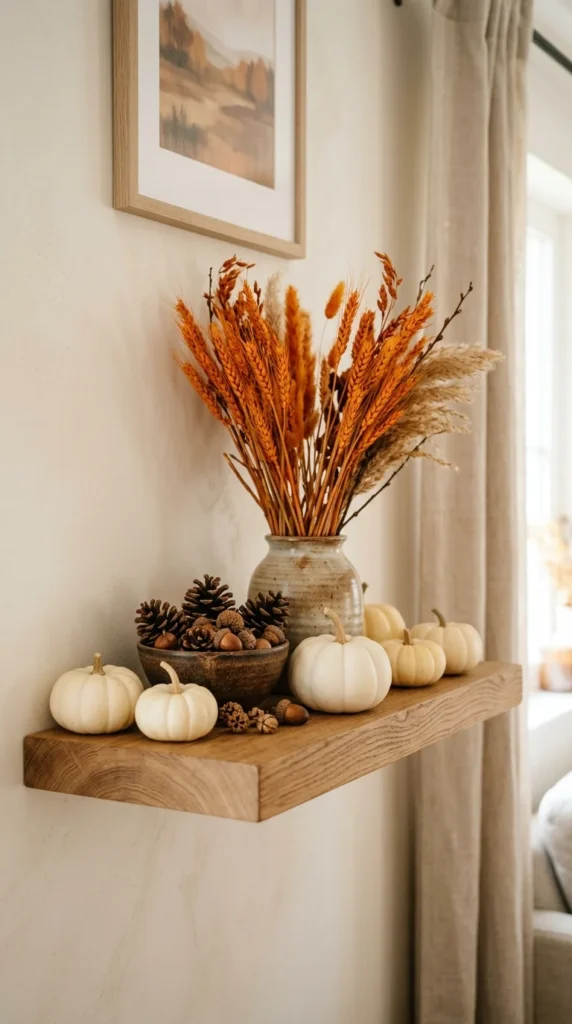
Floating shelves are the perfect place to celebrate the changing seasons. Swap out your usual decor for festive accents. In the winter, use evergreen boughs and silver bells; in the spring, opt for fresh tulips and pastel ceramics. This keeps your home decor feeling fresh and evolving throughout the year.
19. Vertical Accents
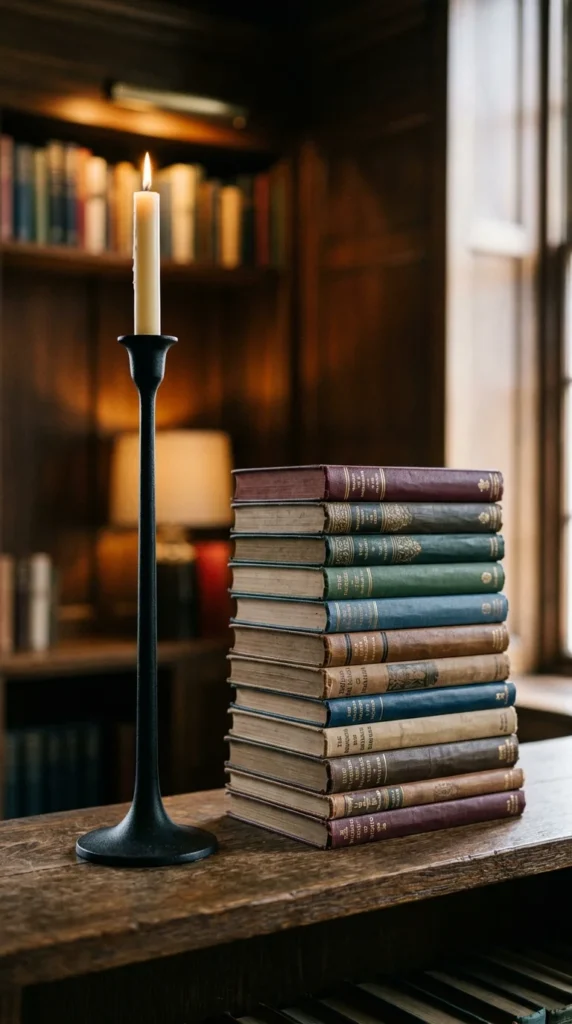
To prevent your shelves from looking flat, incorporate objects with significant height. Tall candlesticks, long-necked vases, or even a tall, slender sculpture can break up the horizontal lines of the shelving. This creates a more dynamic and professional-looking display.
20. Intentional Negative Space
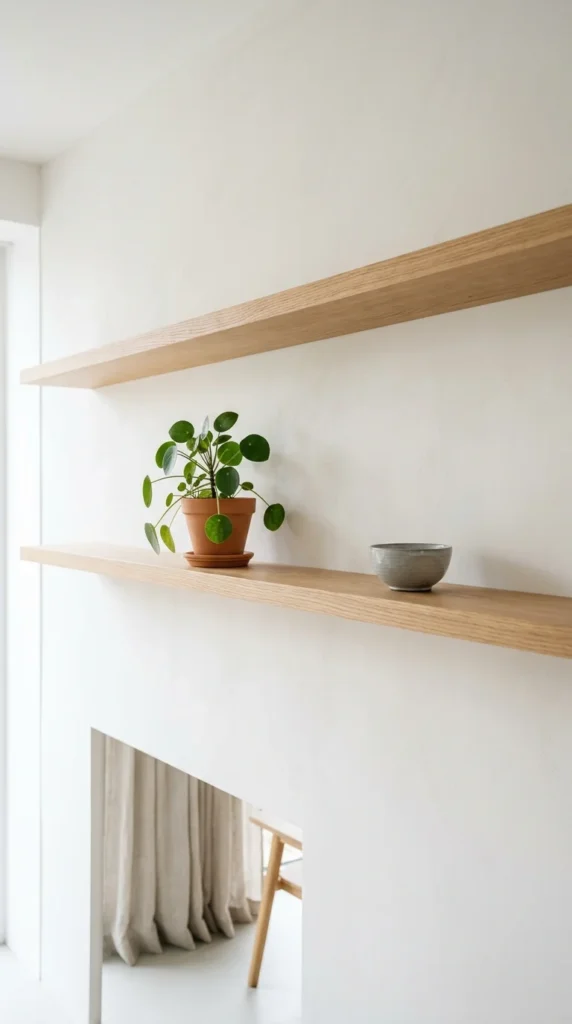
The biggest mistake in shelf styling is over-crowding. “Breathability” is essential. Don’t feel the need to fill every inch of the shelf. Leaving empty spaces (negative space) allows the viewer’s eye to rest and makes the items you do choose to display stand out much more effectively.
Final Styling Tips for Success
Creating a beautiful floating shelf display is an art form that anyone can master with a bit of patience. Always start with your largest items first to establish “anchor points” and fill in the gaps with smaller accessories. Don’t be afraid to step back, look at the shelves from across the room, and edit. Often, removing one or two items is the final touch needed to move a display from “cluttered” to “curated.” Remember, the most important rule is that your shelves should reflect your life and the things you love—so choose pieces that bring you joy every time you walk by.