
Living in an urban environment often means sacrificing a traditional backyard, but a small balcony offers a unique opportunity to cultivate a private sanctuary. Even the most compact outdoor areas can be transformed into lush, productive, and relaxing retreats with the right design strategies. By thinking vertically, prioritizing multi-functional furniture, and selecting the right plant species, you can turn a few square feet of concrete into a thriving ecosystem.
1. Vertical Planters
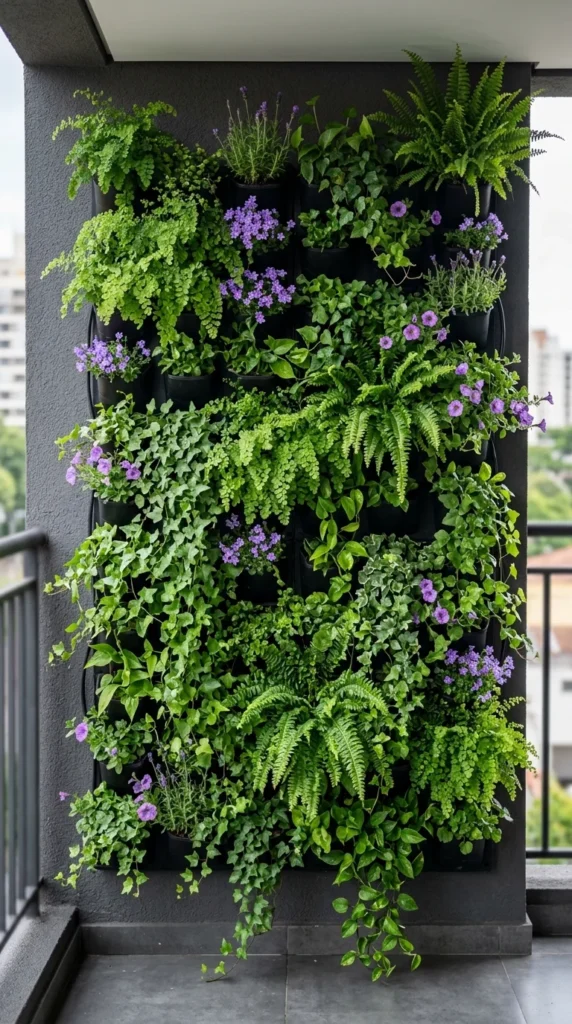
When floor space is at a premium, the only way to go is up. Vertical planters are the ultimate space-savers for tiny balconies. You can utilize modular wall pockets, felt planting bags, or even custom-built wooden slats to hold small pots. This approach not only maximizes your growing area but also serves as a stunning living wallpaper that provides insulation and noise reduction. For the best results, place moisture-loving plants like ferns or pothos at the bottom where water naturally collects, and sun-loving succulents or herbs at the top.
2. Railing Planters
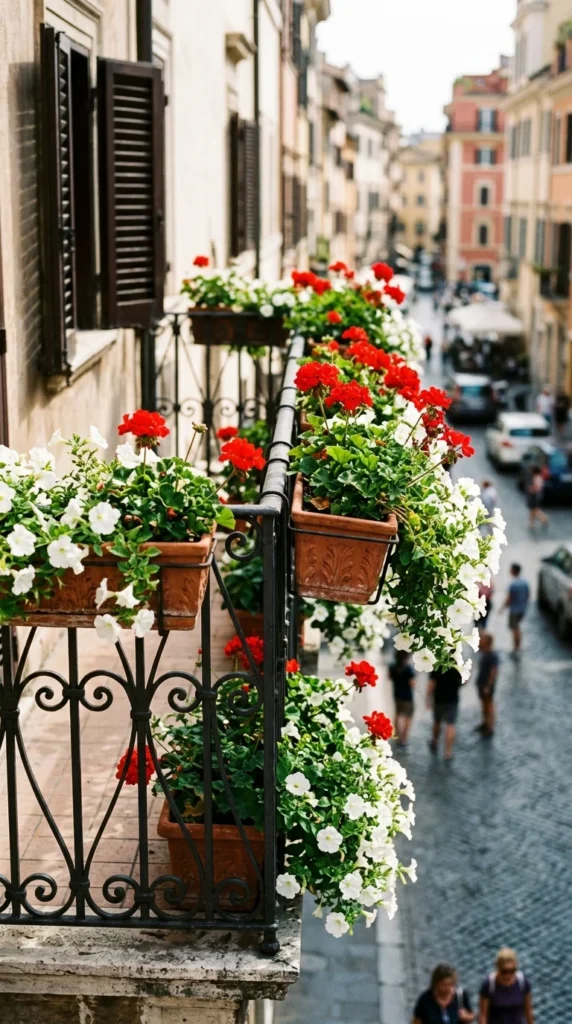
The perimeter of your balcony is often underutilized. Railing planters—also known as saddle planters—sit directly on top of the balcony rail, freeing up every inch of your floor. They are perfect for trailing plants that can drape over the side, creating a “curtain” of greenery that is visible from both inside your apartment and from the street below. To ensure safety, always use secure brackets and consider lightweight plastic or resin materials to avoid putting too much weight on the structure.
3. Tiered Stands
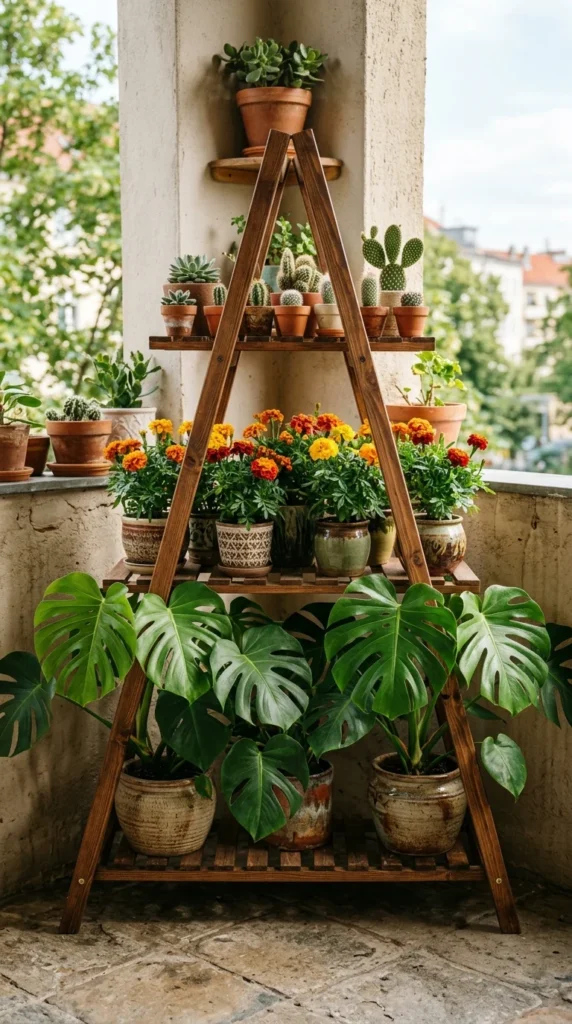
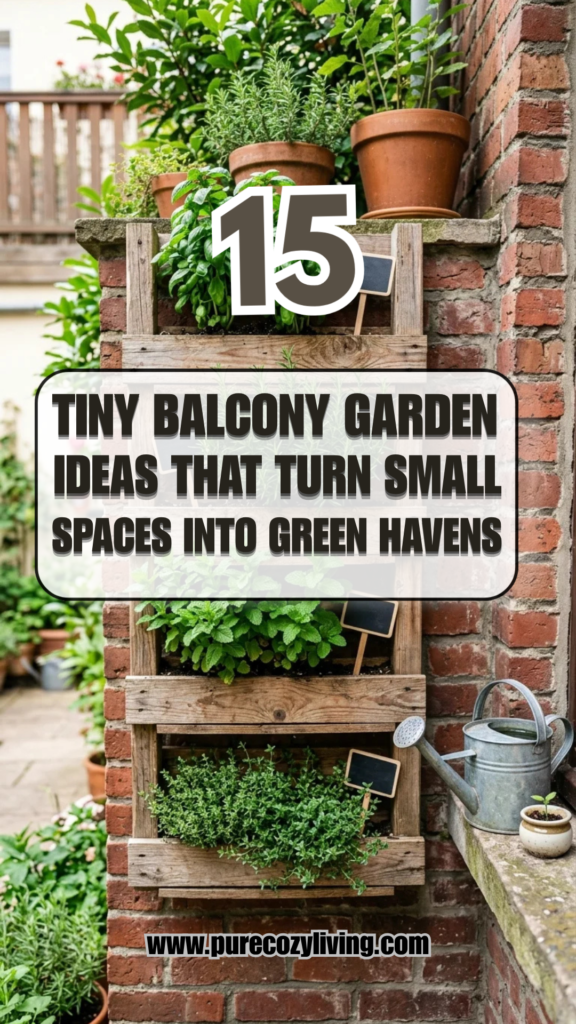
Layering is a fundamental principle of interior design that works just as well outdoors. A tiered plant stand allows you to display a large collection of plants in a very small footprint. By staggering the heights, you ensure that every plant gets adequate sunlight and airflow. Wooden ladder-style stands add a rustic, organic feel, while minimalist metal tiers fit a modern aesthetic. These stands are also excellent for creating a focal point in an otherwise empty corner.
4. Hanging Baskets
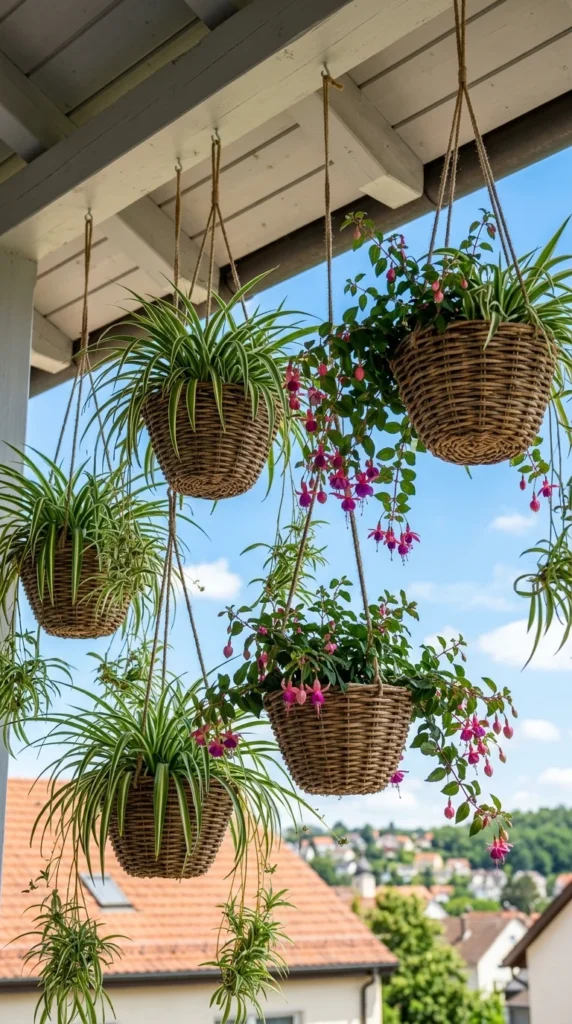
Utilizing the “ceiling” of your balcony is a pro-move for small-space gardening. Hanging baskets draw the eye upward, making the space feel larger than it is. They are ideal for “spiller” plants like Lobelia, Creeping Jenny, or String of Pearls. When installing hooks, ensure they are bolted into a structural beam. If you cannot drill into the ceiling, consider using “S” hooks on the railing or a tall shepherd’s hook placed in a heavy corner pot.
5. Herb Walls
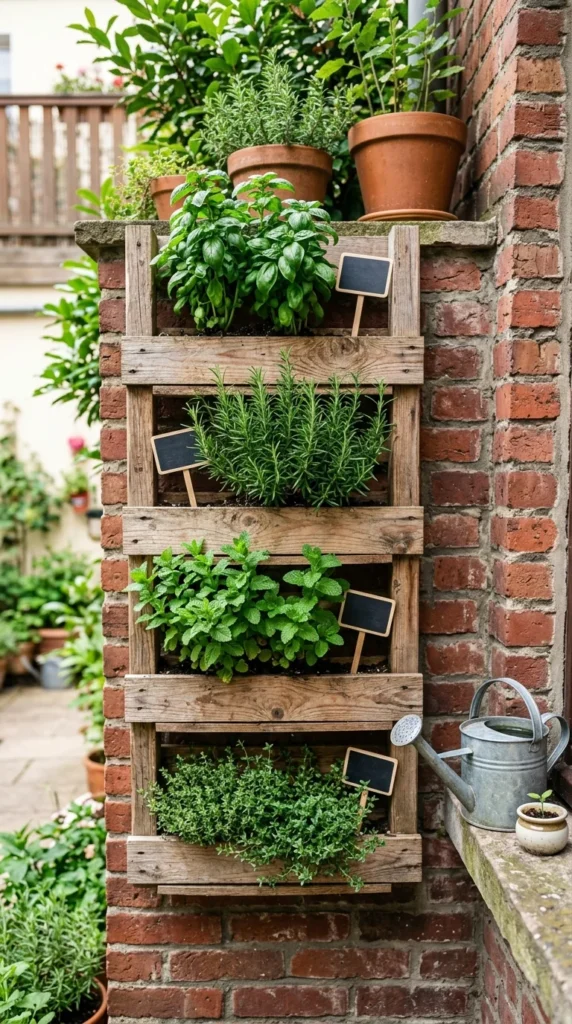
An herb garden is perhaps the most rewarding type of balcony garden. Not only do herbs provide a refreshing fragrance, but they also offer a fresh supply of ingredients for your kitchen. A dedicated herb wall keeps your culinary plants organized and easily accessible. Most common herbs, such as basil, mint, and cilantro, thrive in pots and love the heat typically found on sunny balconies. Just ensure your herb wall receives at least six hours of sunlight daily.
6. Folding Furniture
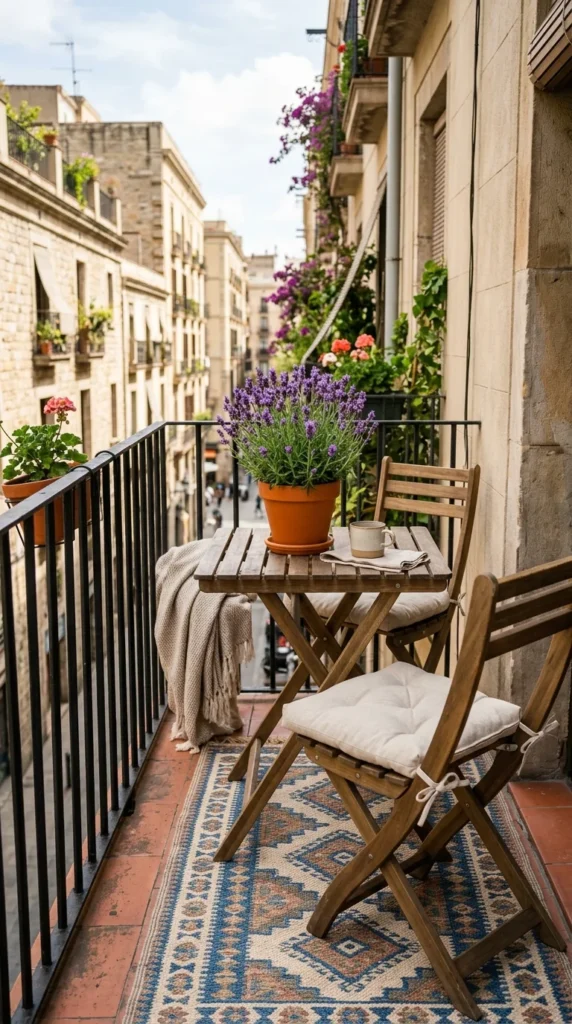
In a tiny garden, flexibility is key. Heavy, static furniture can make a small balcony feel cramped and difficult to maintain. Opting for high-quality folding tables and chairs allows you to clear the space whenever you need to repot plants or perform deep cleaning. Choose weather-resistant materials like acacia wood, powder-coated steel, or high-density polyethylene. When not in use, these items can be leaned against the wall or even hung on sturdy hooks to keep the floor completely clear.
7. String Lights
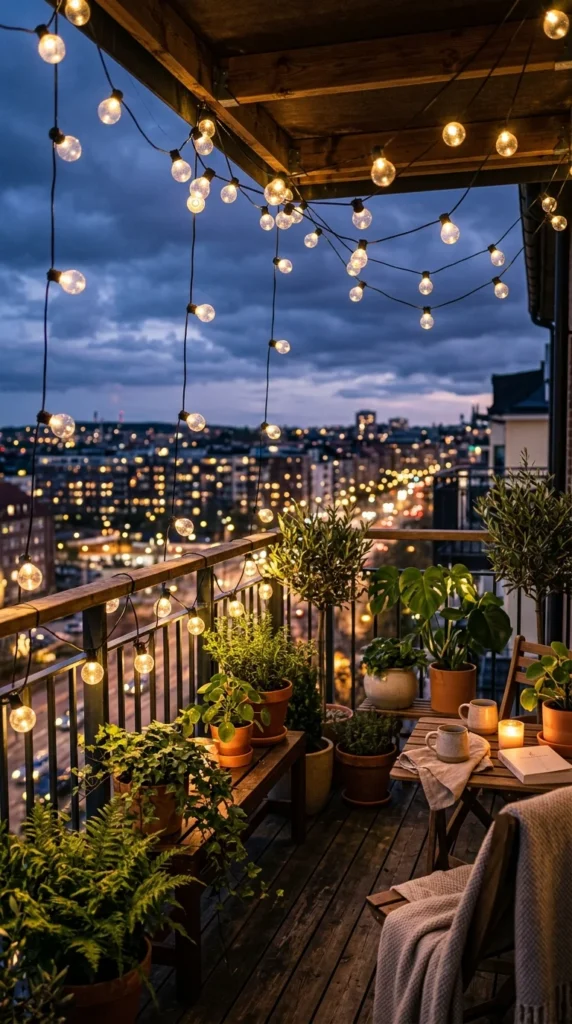
Lighting is the element that transitions your balcony garden from a daytime hobby to an evening retreat. String lights, particularly LED Edison bulbs or fairy lights, add a sense of depth and ambiance without taking up any physical space. Wrapping lights around the railing or weaving them through a trellis can highlight your favorite plants. Solar-powered options are ideal for balconies, as they eliminate the need for outdoor power outlets and automatically turn on as the sun sets.
8. Artificial Turf
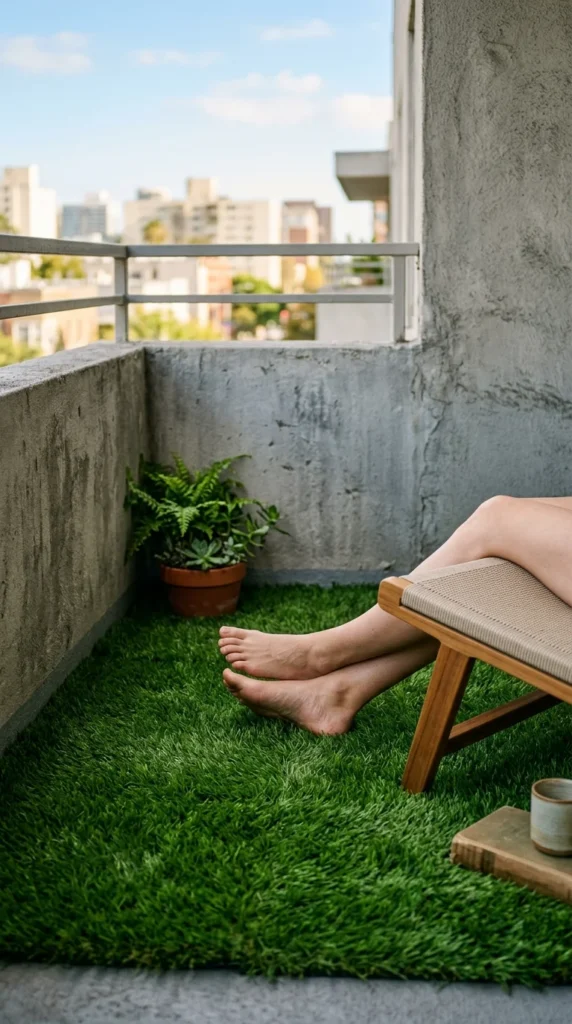
Replacing a cold concrete floor with artificial turf instantly transforms the vibe of a balcony. It provides a soft, organic texture underfoot and mimics the feeling of a real backyard. Modern artificial grass is porous, allowing water to drain through, which is essential for preventing mold and mildew. It acts as a green foundation that makes all your potted plants “pop” visually. It’s also a great solution for pet owners who want to create a small outdoor play area for their furry friends.
9. Privacy Screens
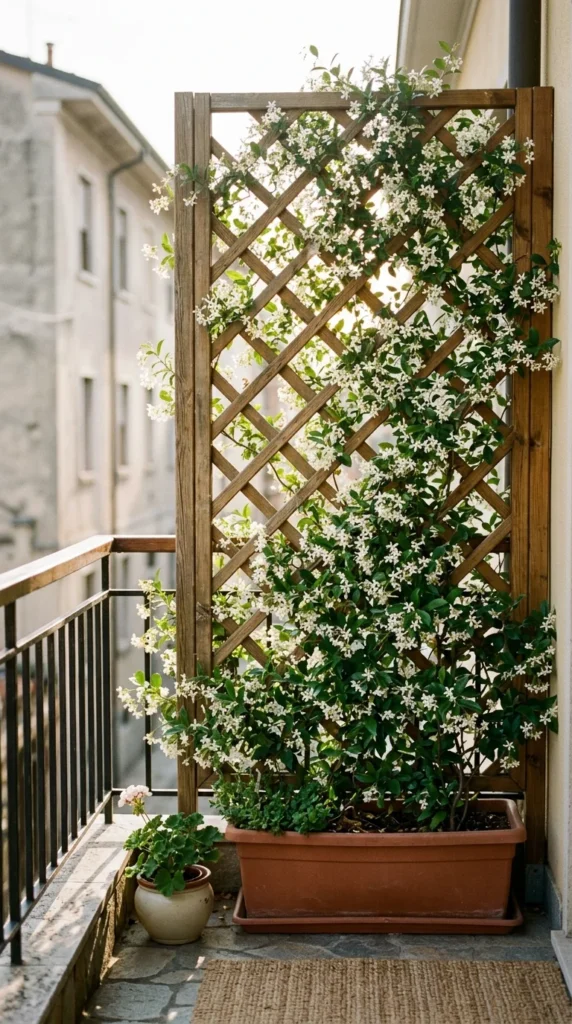
If your balcony is overlooked by neighbors, a privacy screen made of plants is the most beautiful solution. You can use a trellis with climbing vines like Star Jasmine, Honeysuckle, or Clematis. Alternatively, a row of tall, slender bamboos in rectangular troughs can create a modern, “living fence.” These green screens provide shade, dampen city noise, and create a sense of seclusion that makes your tiny garden feel like a hidden sanctuary.
10. Succulent Collections
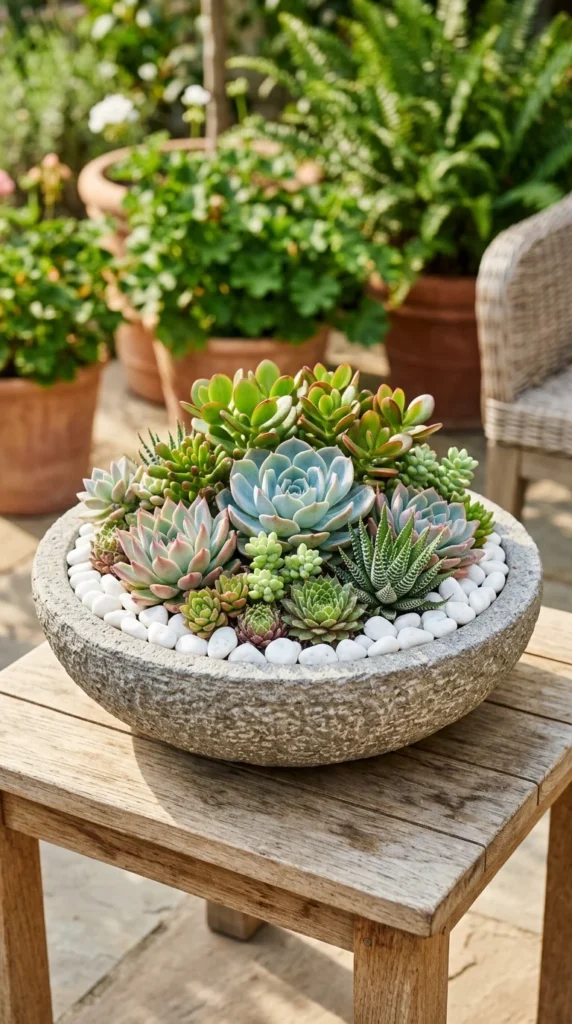
For those with limited time or balconies that get intense, direct heat, succulents are the perfect choice. These hardy plants store water in their leaves, meaning they require infrequent watering. Because they grow slowly and have small root systems, you can cluster dozens of different varieties into a single large “succulent bowl” or a series of tiny decorative pots. The geometric shapes and varied colors of succulents—from dusty blues to deep purples—add a sophisticated, architectural element to your garden.
11. Window Boxes
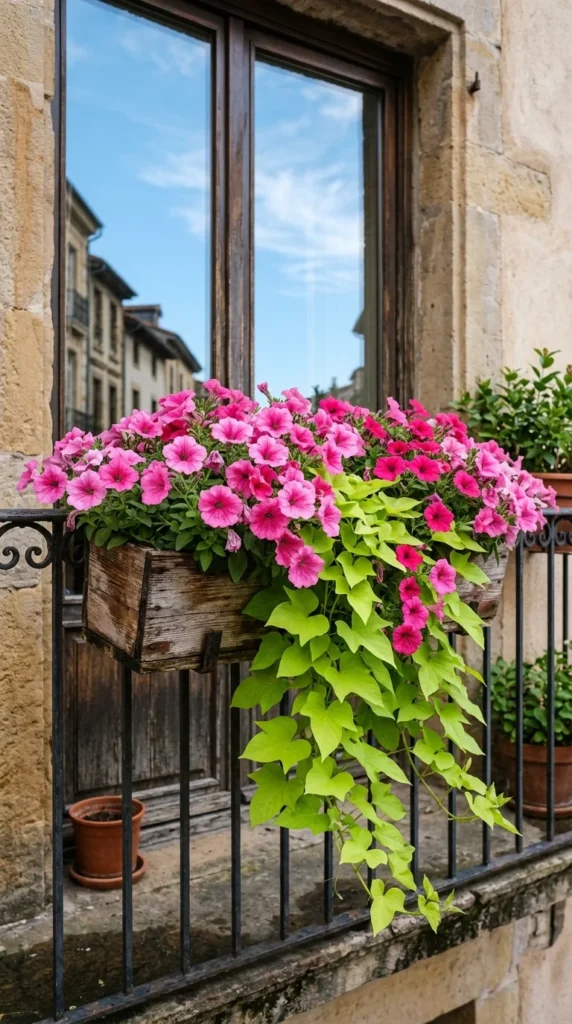
Window boxes are not just for houses; they are a fantastic addition to balcony windows or even the interior side of a railing. By mounting boxes on the outside of your balcony ledge, you reclaim the entire interior space for sitting or walking. These boxes are ideal for seasonal color, such as pansies in the spring, petunias in the summer, and ornamental kales in the autumn. They provide a lush “fore-ground” to your view of the outside world.
12. Mirror Illusion
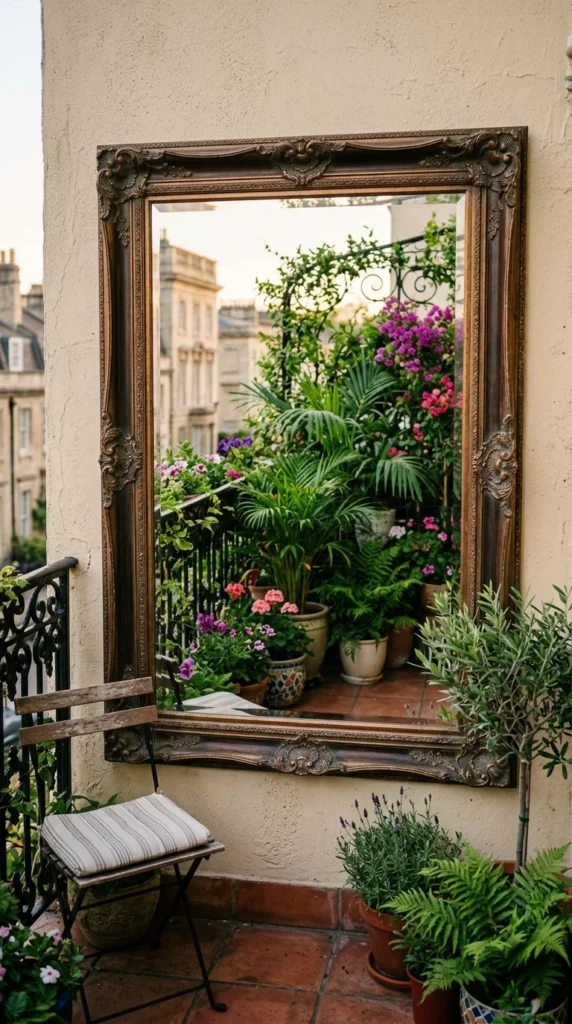
One of the oldest tricks in the interior design book works wonders outdoors too. Placing a mirror on a balcony wall reflects the greenery and the sky, instantly doubling the perceived size of the space. It can also help bounce light into darker corners, which is beneficial for plant growth. For a garden setting, look for mirrors with rustic or arched frames that mimic the look of a window. Ensure the mirror is securely fastened to withstand wind and is made of tempered glass for safety.
13. Water Features
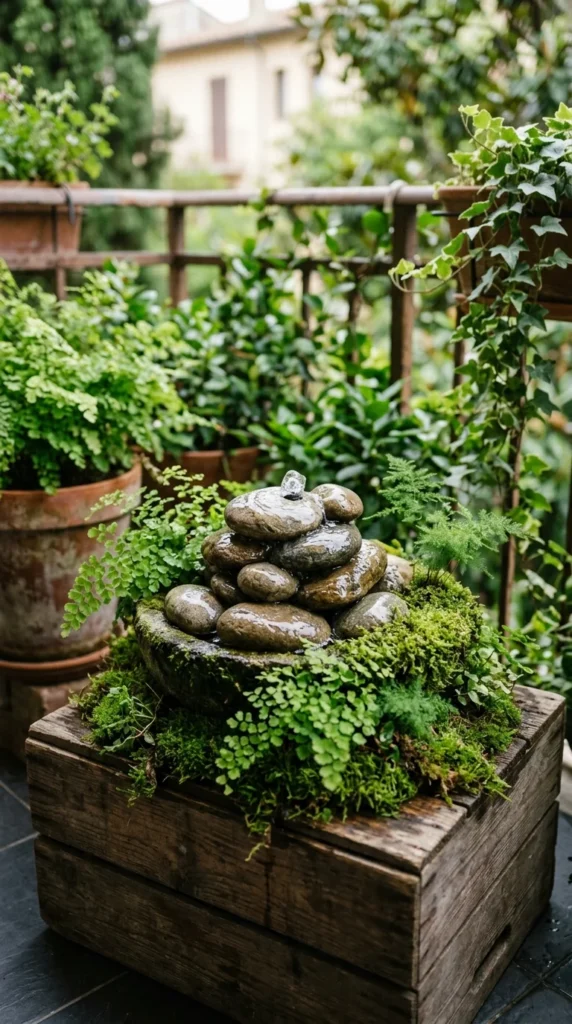
The sound of trickling water can mask the harsh sounds of traffic and sirens, enhancing the tranquility of your green haven. You don’t need a massive pond; a simple plug-in tabletop fountain or a solar-powered birdbath can suffice. Water features also help to slightly humidify the air, which can be beneficial for tropical plants on dry, windy balconies. The sight and sound of water add a sensory layer that completes the “garden” experience.
14. Pallet DIYs
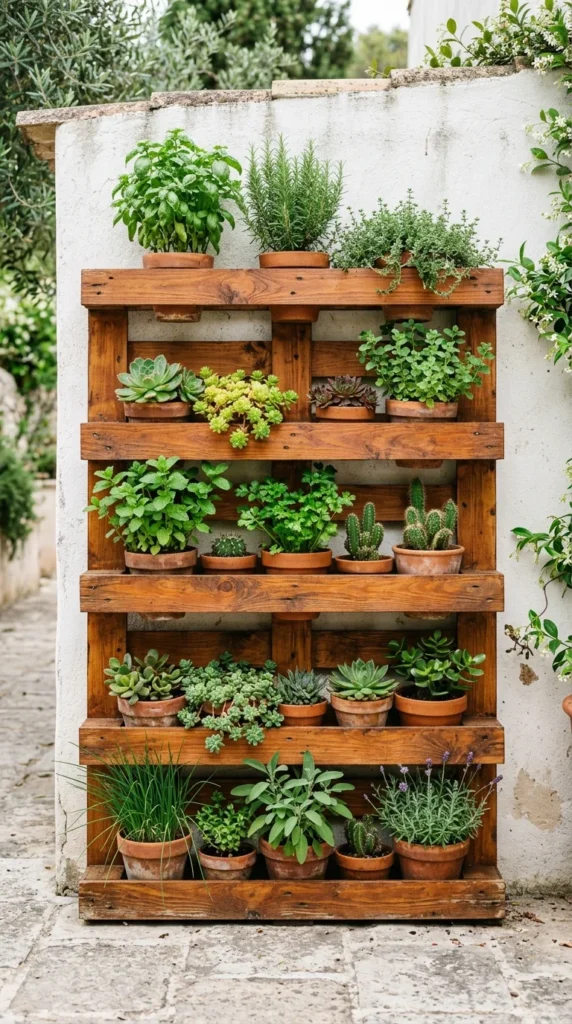
For the budget-conscious gardener, the humble wooden pallet is a goldmine of potential. A pallet can be sanded, stained, and turned into a vertical planter, a potting bench, or even a small lounge seat. By attaching landscape fabric to the back and bottom of the internal slats, you can create “troughs” to plant directly into the pallet itself. This rustic, DIY aesthetic fits perfectly with a boho or industrial-style balcony garden.
15. Color Themes
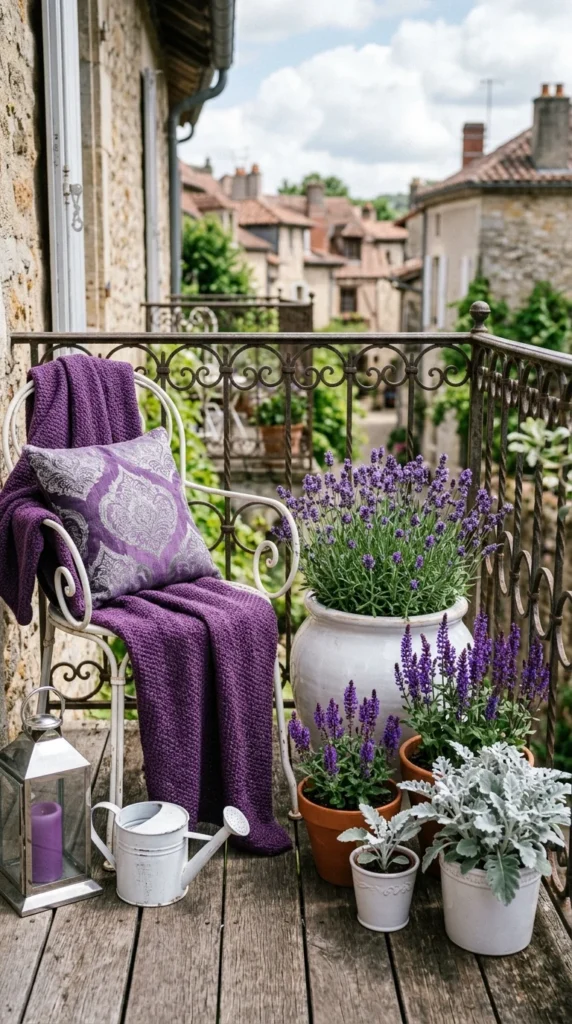
In a small space, a chaotic mix of colors can feel cluttered. Choosing a specific color palette creates a sense of harmony and intentionality. A “Cool Palette” of blues, purples, and silvers can make a space feel calm and airy. A “Tropical Palette” of hot pinks, oranges, and bright yellows creates an energetic, vacation-like vibe. Extend your color theme beyond the plants to your pots, cushions, and rugs to create a cohesive look that feels professionally designed.