
Minimalism in the kitchen is far more than a design aesthetic; it is a functional philosophy. A minimalist kitchen aims to remove the “noise” that often complicates the cooking process—the overflowing drawers, the crowded countertops, and the specialized gadgets that are only used once a year. By streamlining your space, you reduce the mental load required to prepare a meal, making the process faster, cleaner, and more enjoyable.
When your environment is organized and intentional, every movement becomes more efficient. You no longer spend ten minutes digging for a matching lid or clearing a space just to chop an onion. Here are 15 minimalist kitchen ideas that prioritize functionality and ease of use.
1. Clear Countertops
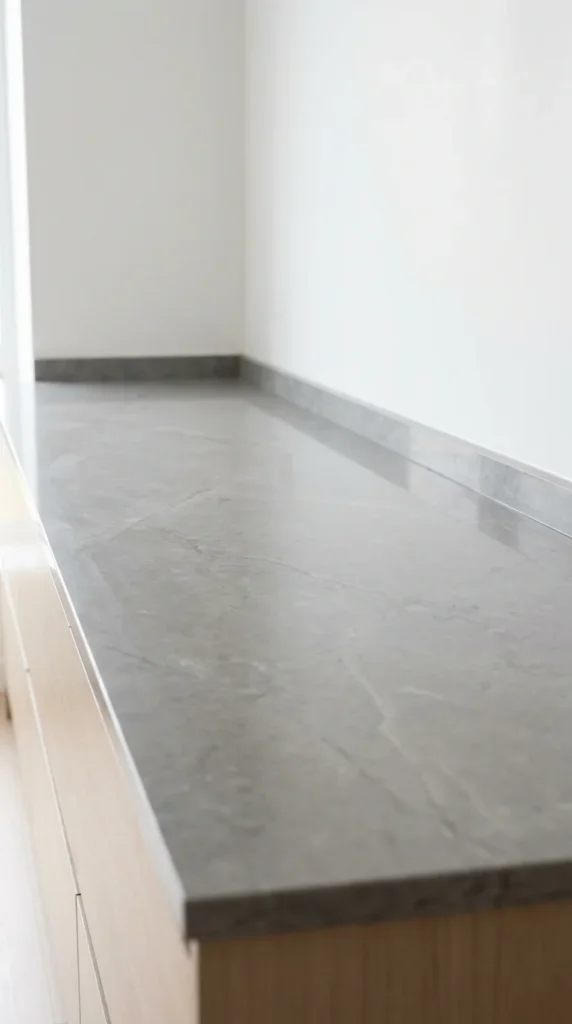
The most fundamental rule of a minimalist kitchen is the “clear counter” policy. Countertops are your primary workspace; when they are covered in coffee makers, toasters, and spice racks, your prep area is halved. By storing small appliances in cabinets or dedicated appliance garages, you regain valuable real estate for chopping, mixing, and plating. This lack of visual clutter also makes the kitchen feel larger and significantly easier to wipe down after cooking.
2. Drawer Organizers
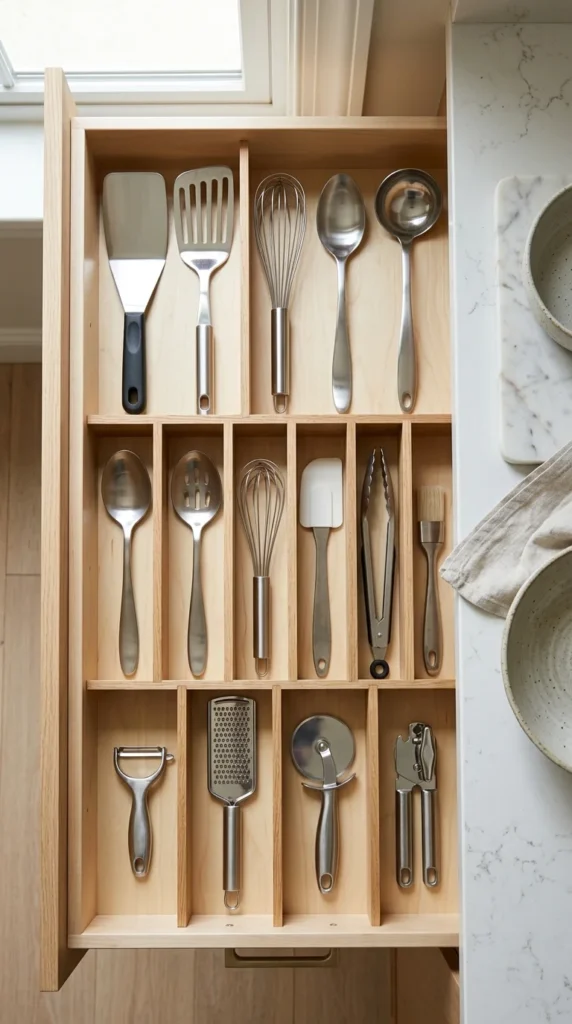
Chaos often hides behind closed doors. Minimalist cooking is made easier when you can reach into a drawer and find exactly what you need without looking. Custom or adjustable drawer dividers allow you to assign a specific “home” for every tool. This prevents the dreaded “junk drawer” effect and ensures that your most-used items—like your favorite chef’s knife or a silicone spatula—are always at your fingertips.
3. Magnetic Strips
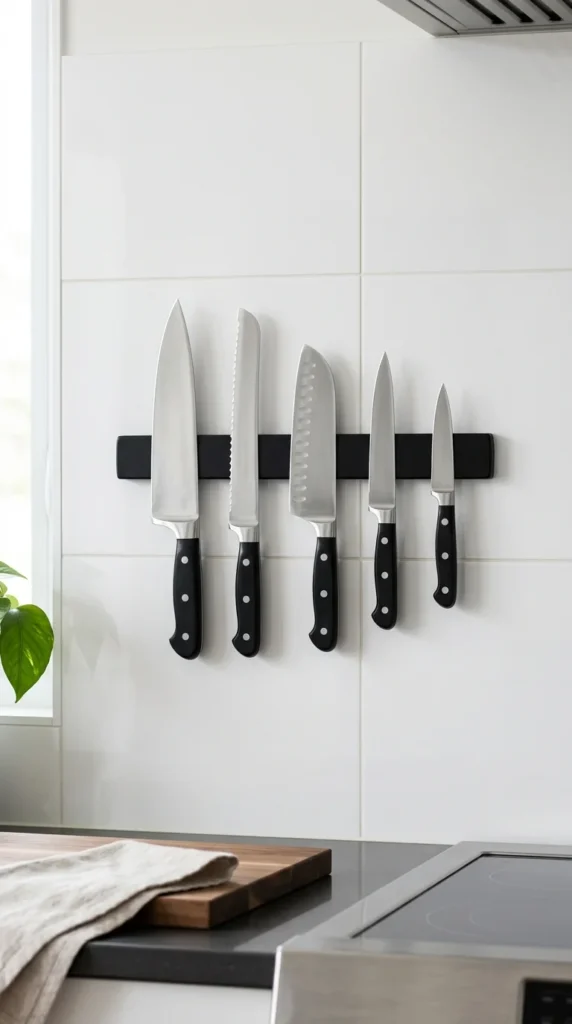
Storing knives in a bulky wooden block takes up counter space and can trap moisture and bacteria. A magnetic knife strip mounted on the wall is a classic minimalist solution. It keeps your most essential tools visible and accessible while freeing up the counter. It also protects the blades of your knives from being nicked or dulled, which happens frequently when they are tossed loosely into a drawer.
4. Open Shelving
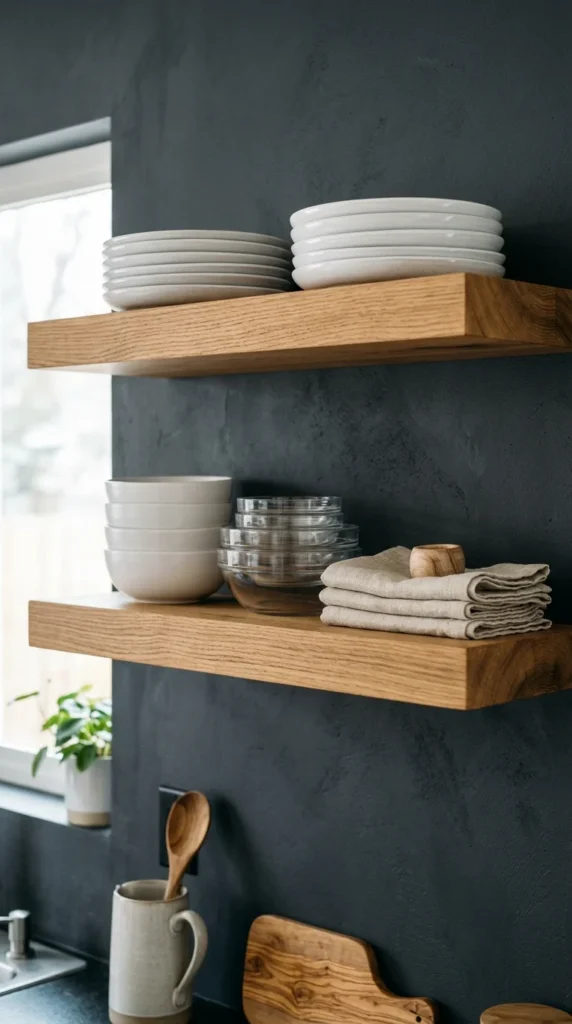
While it may seem counterintuitive to show off your items, minimalist open shelving encourages you to keep only what you actually use. When your daily-use plates, bowls, and glasses are on an open shelf, you save the step of opening and closing cabinet doors. This creates a “grab-and-go” workflow. The key to making this work is strictly limiting the items on the shelves to things you use every single day to prevent dust buildup.
5. Integrated Appliances
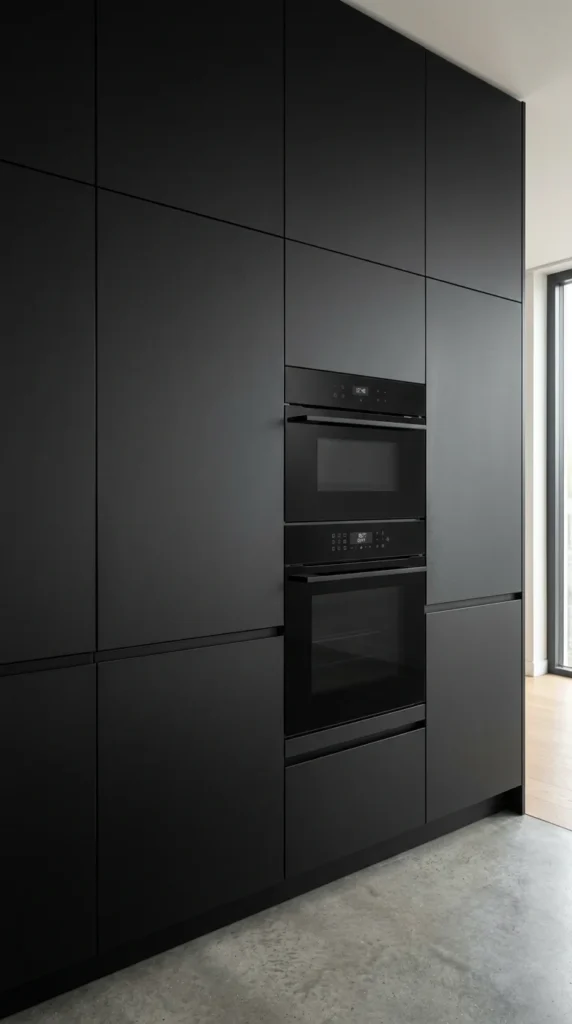
Visual noise can be distracting during a busy cooking session. Integrated appliances—where the dishwasher and refrigerator are covered with panels that match the cabinetry—create a seamless look. This design choice reduces the number of different textures and materials your eyes have to process, creating a calm environment that allows you to focus entirely on the recipe at hand.
6. Neutral Palette
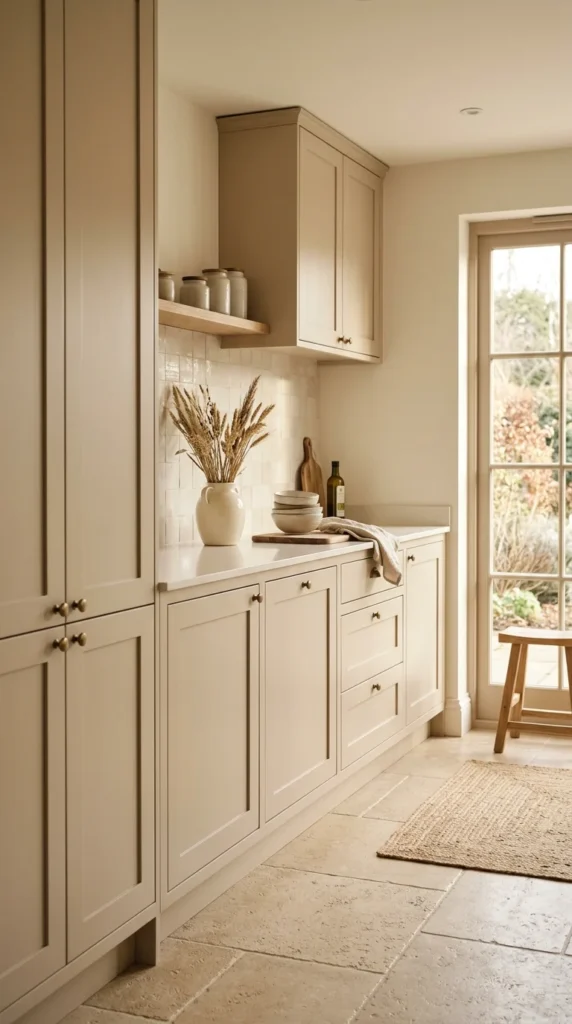
A minimalist kitchen often utilizes a neutral color palette of whites, greys, beiges, or wood tones. This isn’t just about fashion; it’s about light and clarity. Light colors reflect more natural and artificial light, making it easier to see what you are doing while prepping food. A monochromatic space feels less chaotic, which can lower stress levels during complex meal preparations.
7. Multi-functional Tools
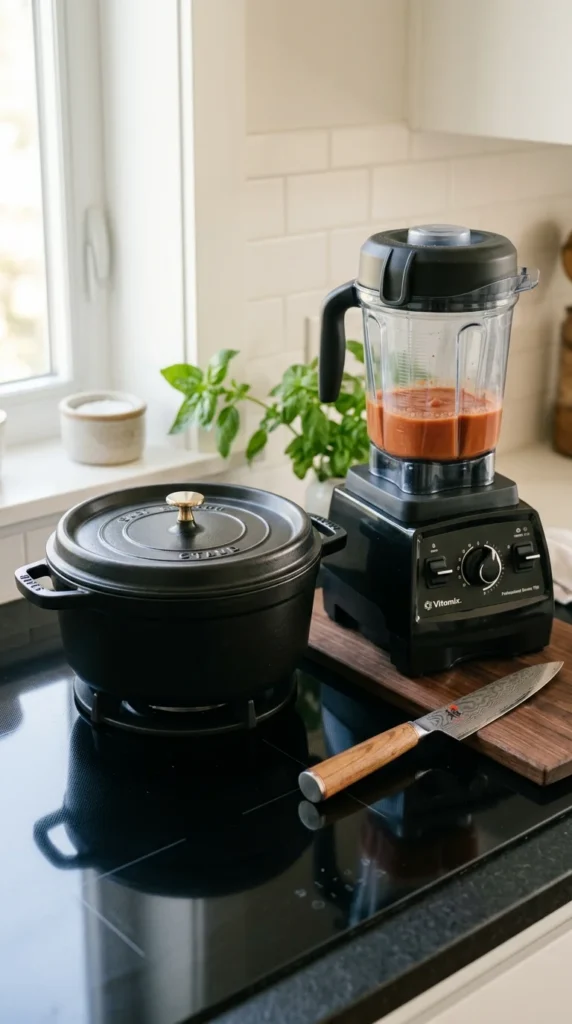
A major pillar of minimalist cooking is “quality over quantity.” Instead of owning twenty specialized gadgets (like egg slicers or avocado pitters), a minimalist kitchen relies on a few high-quality, multi-functional tools. A heavy-bottomed Dutch oven can bake bread, simmer soup, and braise meat. A high-quality chef’s knife can handle almost any cutting task. Reducing the number of items you own means fewer things to clean and store.
8. Vertical Storage
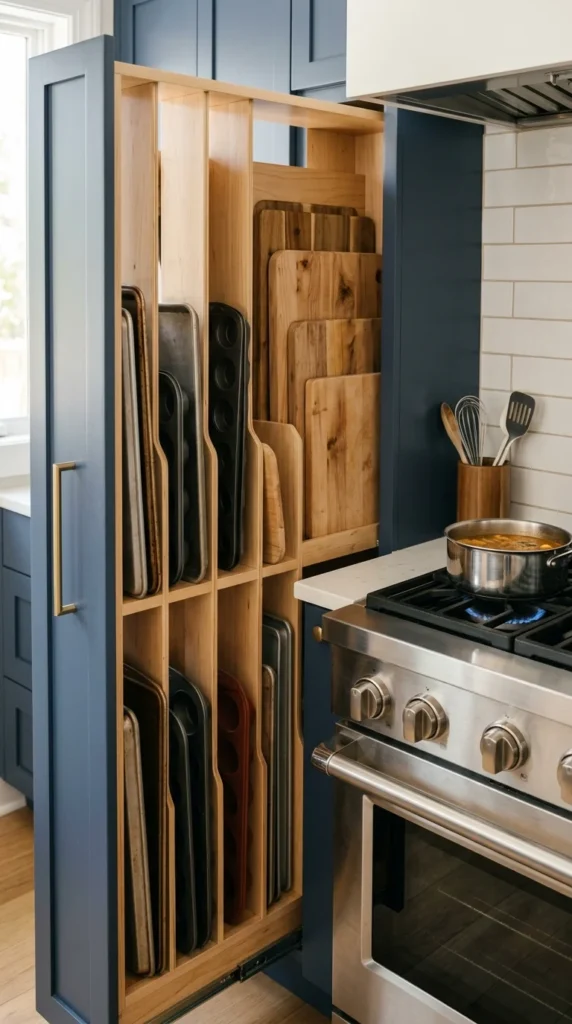
Stacking items horizontally is the enemy of efficiency. When you stack frying pans or baking sheets, you inevitably have to lift three heavy items to get to the one at the bottom. Minimalist kitchens utilize vertical dividers. By storing pans, lids, and cutting boards upright, you can slide out exactly what you need in one motion, significantly speeding up your workflow.
9. Pull-out Pantry
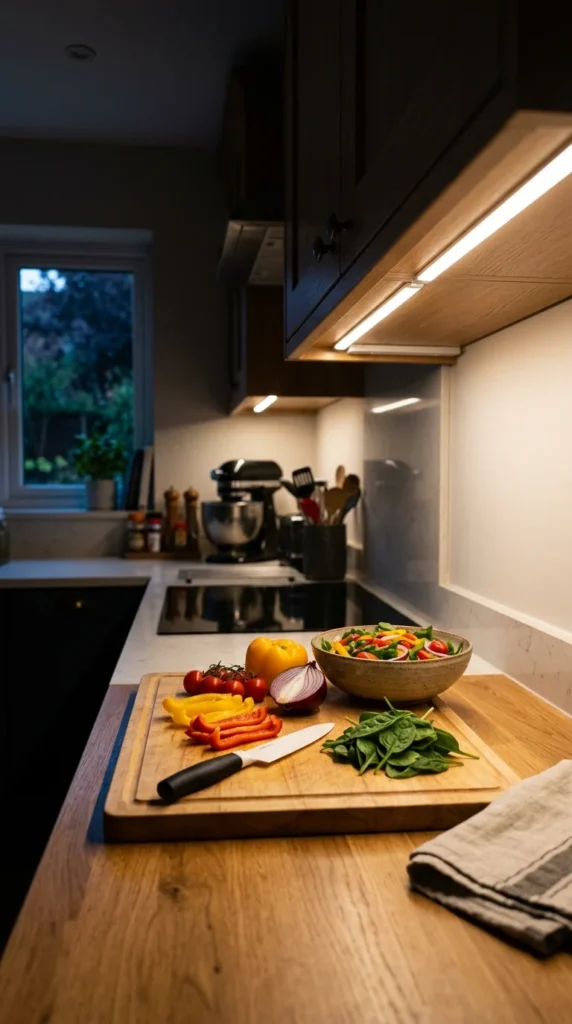
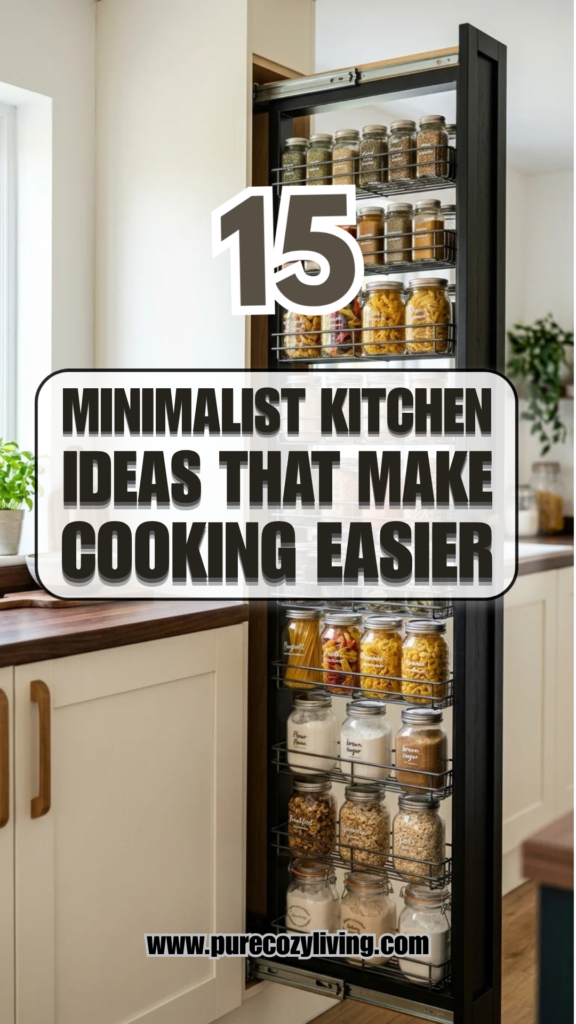
Deep cabinets often become “graveyards” for expired canned goods and half-used bags of flour. A pull-out pantry brings everything to you. By being able to see the entire contents of your food storage from both sides, you avoid overbuying and can quickly assess what ingredients you have available for a meal. This visibility is essential for maintaining a minimalist, “just-in-time” inventory.
10. Under-cabinet Lighting
Minimalism is about precision. Proper task lighting—specifically under-cabinet LEDs—eliminates shadows on your workspace. When you can see clearly, you work more safely and efficiently. It also allows you to turn off bright overhead lights and work in a more focused, calm environment, which is especially helpful during early morning breakfasts or late-night clean-ups.
11. Hidden Trash
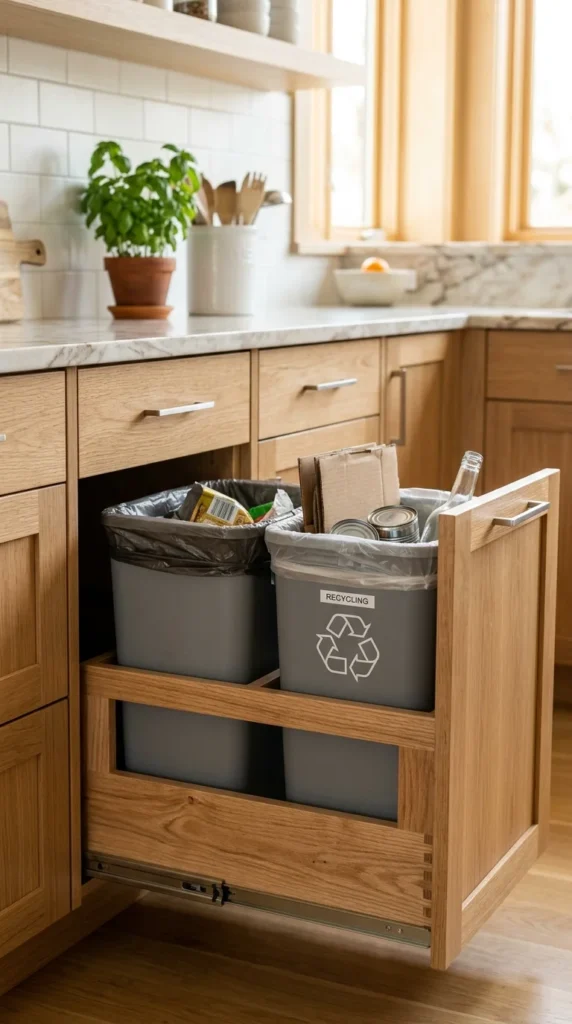
A freestanding trash can is an eyesore and takes up floor space. Moving your waste and recycling bins into a dedicated pull-out cabinet keeps odors contained and keeps the floor clear. This also streamlines the cleaning process, as you can sweep crumbs directly from the counter into a trash drawer located immediately below your prep area.
12. Uniform Jars
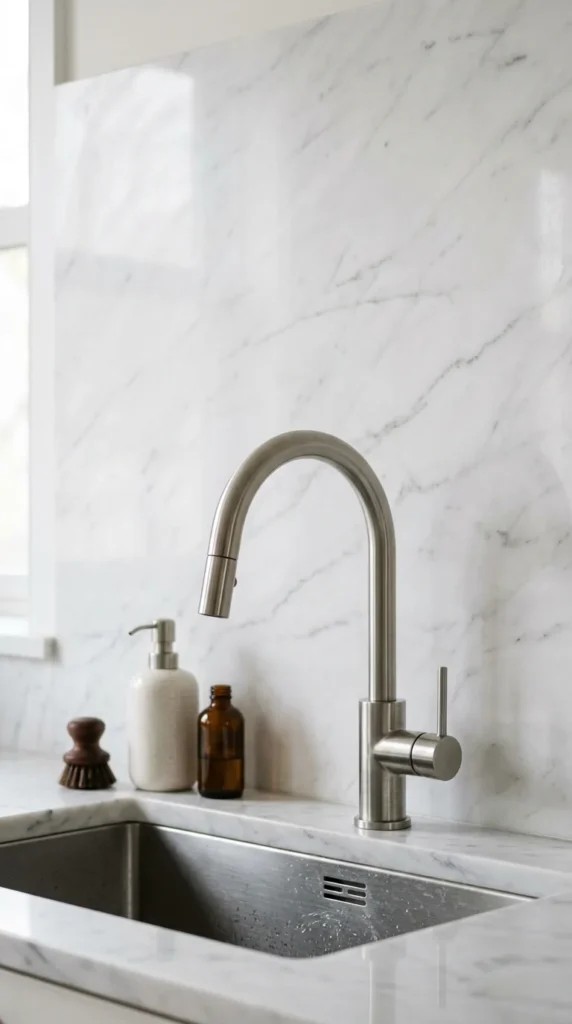
Decanting dry goods into uniform glass jars is a hallmark of the minimalist kitchen. While it takes a moment of effort after a grocery trip, the benefits are long-lasting. Uniform jars stack better, use space more efficiently, and allow you to see exactly how much of an ingredient is left. Removing the chaotic branding and mismatched packaging of store-bought items creates a sense of visual order that makes the pantry feel like a curated shop.
13. Simple Backsplash
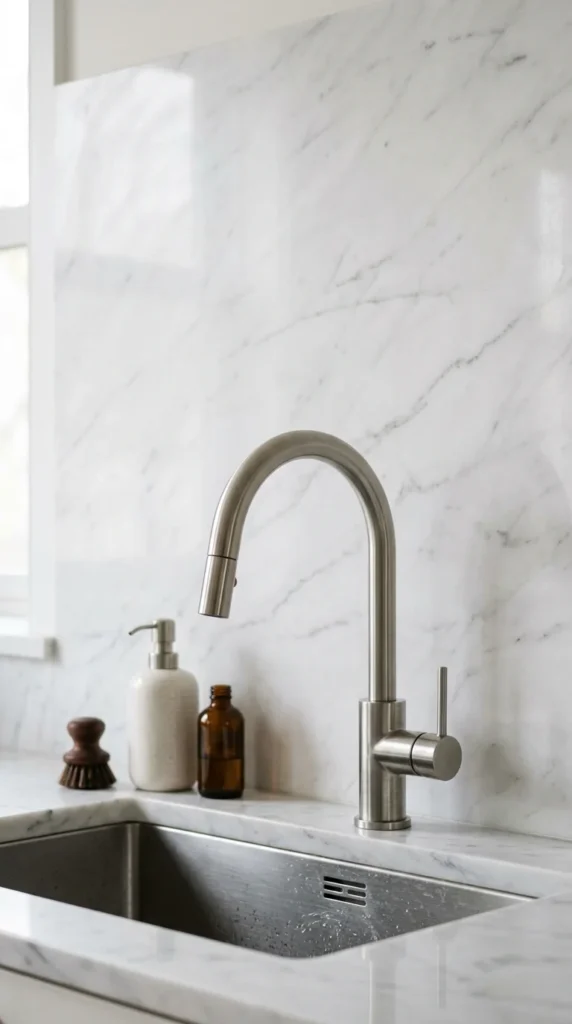
Intricate tile patterns and deep grout lines are difficult to clean. A minimalist backsplash—often made from a single slab of stone, glass, or large-format tiles—is designed for maintenance. With fewer seams and textures, a quick wipe with a damp cloth is all it takes to remove grease and splashes. This “easy-clean” design ensures the kitchen stays hygienic with minimal effort.
14. Smart Zoning
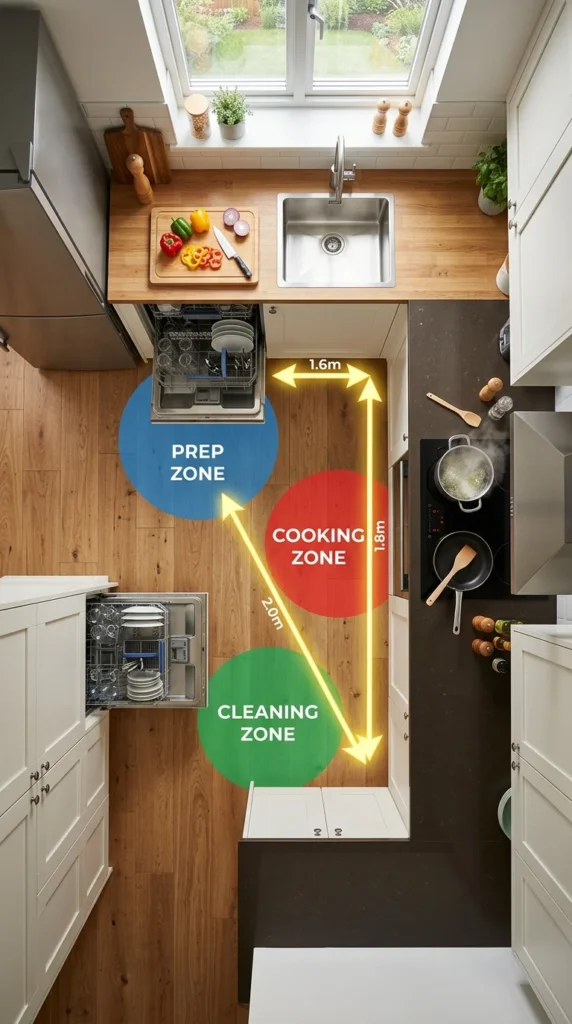
Minimalism applied to floor plans results in “Zoning.” By grouping all items related to a specific task in one area, you minimize movement. All your spices and oils should be near the stove; all your knives and boards should be near the sink. A well-zoned minimalist kitchen allows you to stand in one spot and perform 90% of your cooking tasks, making the process feel effortless.
15. Quality Cookware
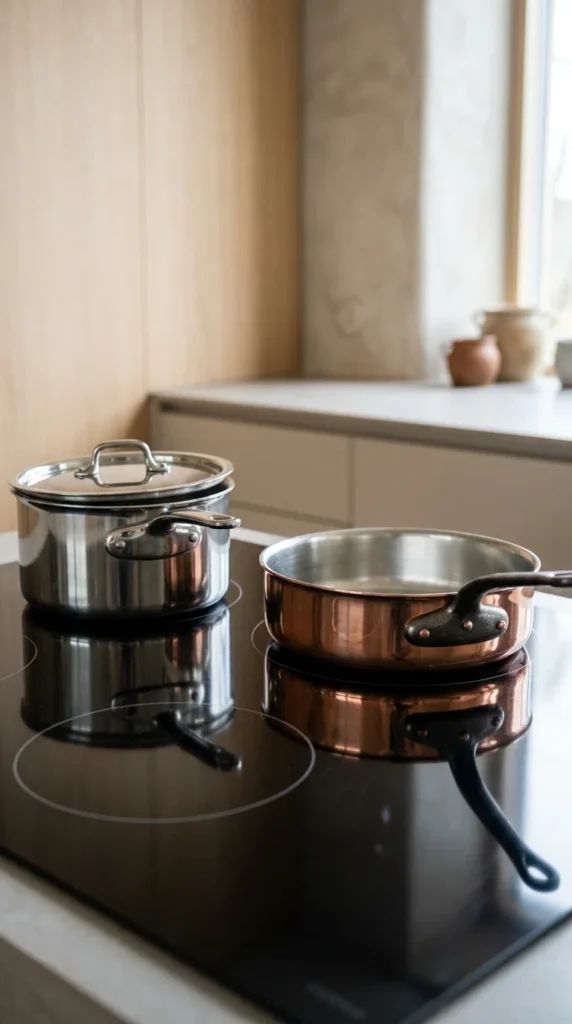
The final step in a minimalist kitchen is investing in a few pieces of high-quality cookware rather than a 20-piece set of cheap pans. A single high-quality stainless steel skillet and one reliable pot can often replace half a dozen inferior items. High-quality materials heat more evenly, last a lifetime, and are generally easier to clean, reinforcing the idea that a simpler kitchen is a more powerful one.