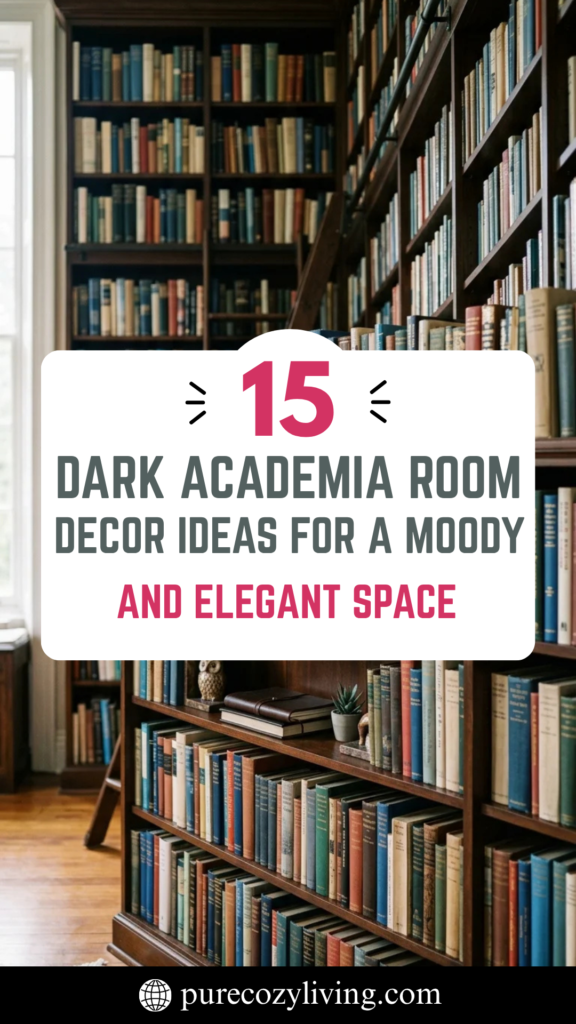

Dark Academia is more than just a design trend; it is a lifestyle aesthetic rooted in a passion for knowledge, classic literature, and the romanticization of the academic life. Influenced by the architecture of Ivy League universities and the moody atmospheres of Gothic novels, this style prioritizes a sense of history, intellectualism, and cozy melancholy. To transform your room into a sanctuary of scholarly pursuits, you must balance deep color palettes with vintage textures and curated artifacts. Here are 15 essential decor ideas to help you achieve the ultimate Dark Academia aesthetic.
1. Deep Palettes
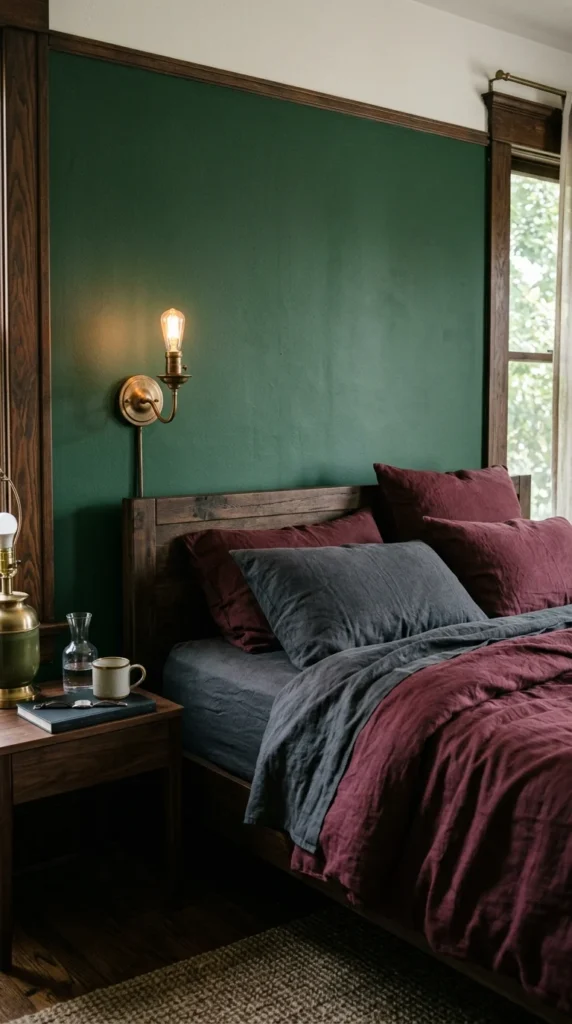
The foundation of any Dark Academia space is its color scheme. Move away from bright whites and pastels, opting instead for “moody” tones that evoke the feeling of an old library or an underground study. Focus on forest green, navy blue, charcoal, burgundy, and chocolate brown. These colors create an enclosed, intimate feeling that encourages focus and introspection. If painting the entire room feels too daunting, consider a single accent wall or using dark, removable wallpaper with a subtle damask or William Morris-style floral pattern.
2. Towering Bookshelves

Books are the heart of the Dark Academia aesthetic. Rather than neatly organized shelves, aim for a “curated clutter” look. Floor-to-ceiling bookshelves maximize the intellectual vibe of the room. Don’t worry about color-coding; the charm lies in the variety of aged spines, leather-bound classics, and paperbacks with broken spines. Interspersing the books with small artifacts—like framed sketches, old postcards, or small vases—adds layers of visual interest and personality to your collection.
3. Antique Desks
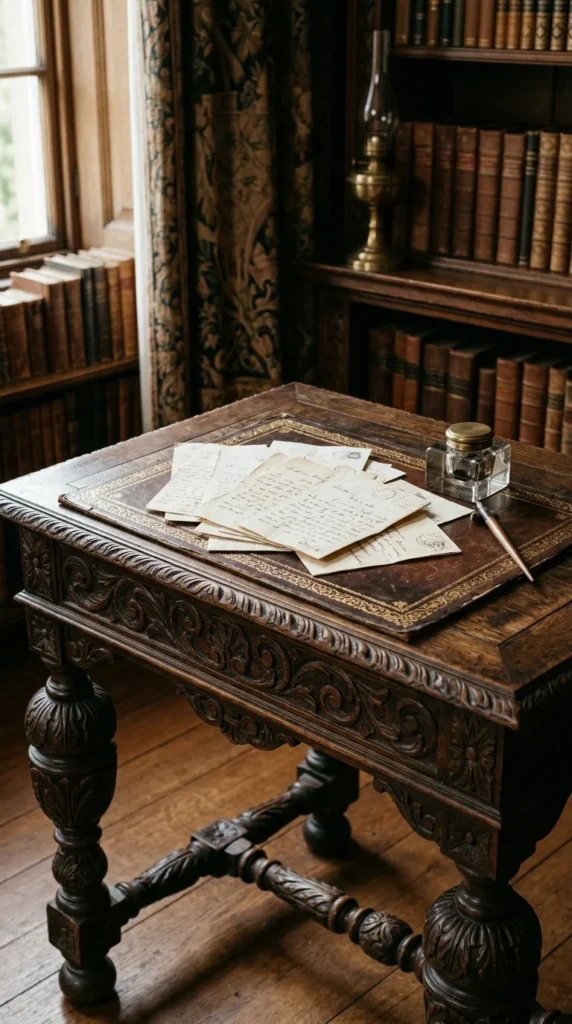
A dedicated space for writing and study is essential. Look for a vintage or antique desk made of solid wood like oak, mahogany, or walnut. A desk with “character”—scratches, ink stains, or ornate drawer pulls—tells a story. If space is limited, a secretary desk with a fold-down top is a perfect nod to 19th-century scholars. Pair it with a classic wooden chair or a refurbished banker’s chair to complete the look.
4. Velvet Textiles
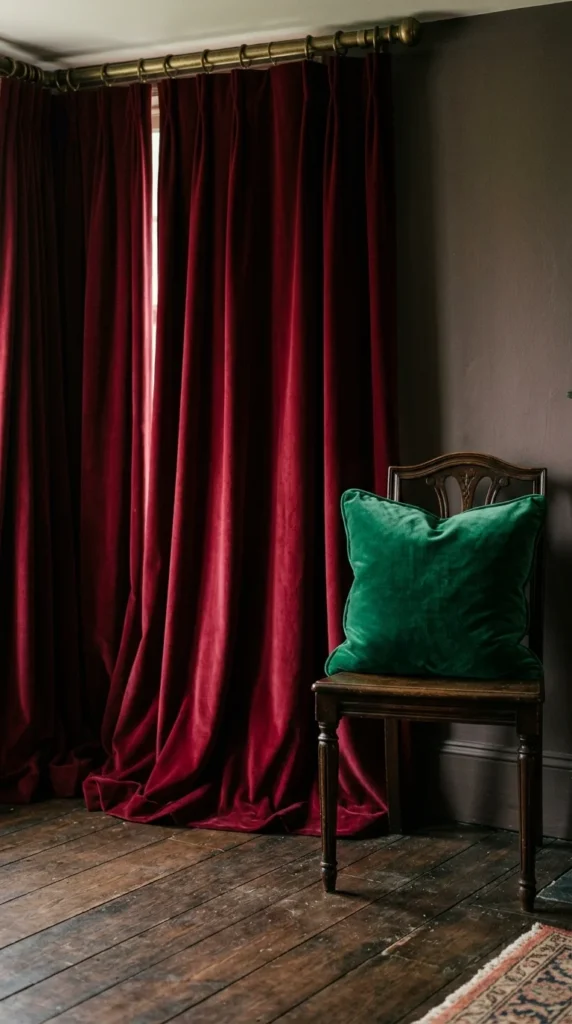
Dark Academia thrives on tactile richness. Velvet is the quintessential fabric for this style because it absorbs light and creates deep shadows, enhancing the moody atmosphere. Incorporate velvet through heavy floor-length curtains, throw pillows, or even an upholstered headboard. These textiles provide a sense of luxury and warmth, making the space feel like a secluded retreat from the modern world.
5. Plaster Busts
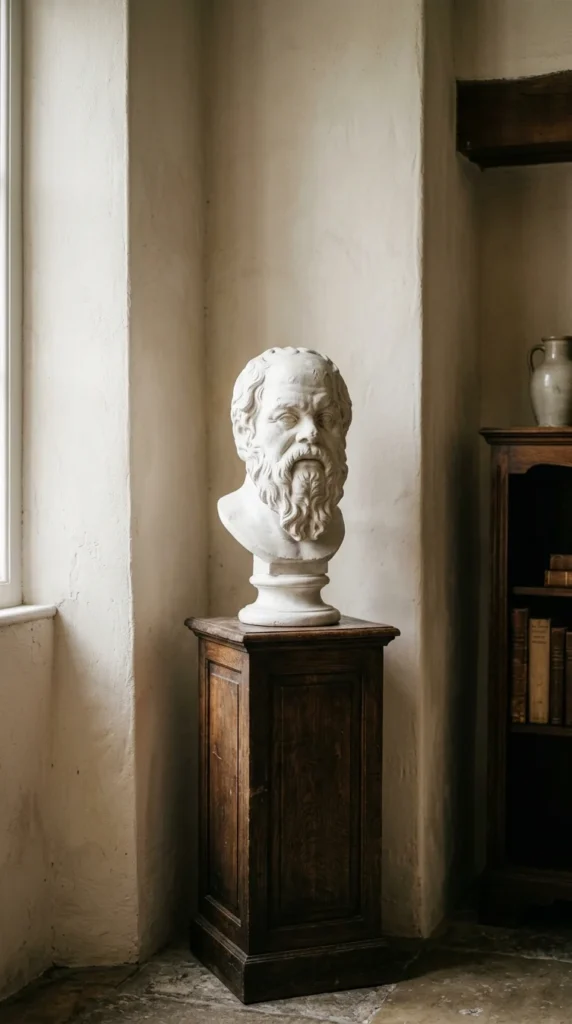
To lean into the “Academia” aspect of the trend, incorporate elements of classical art. A plaster bust of a Greek god, a Roman philosopher, or a famous composer serves as a sophisticated focal point. These pieces evoke the feeling of a museum or a university hallway. You can place a large bust on a pedestal or display smaller versions on bookshelves and mantelpieces to add an air of timelessness and intellectual curiosity.
6. Gilded Mirrors
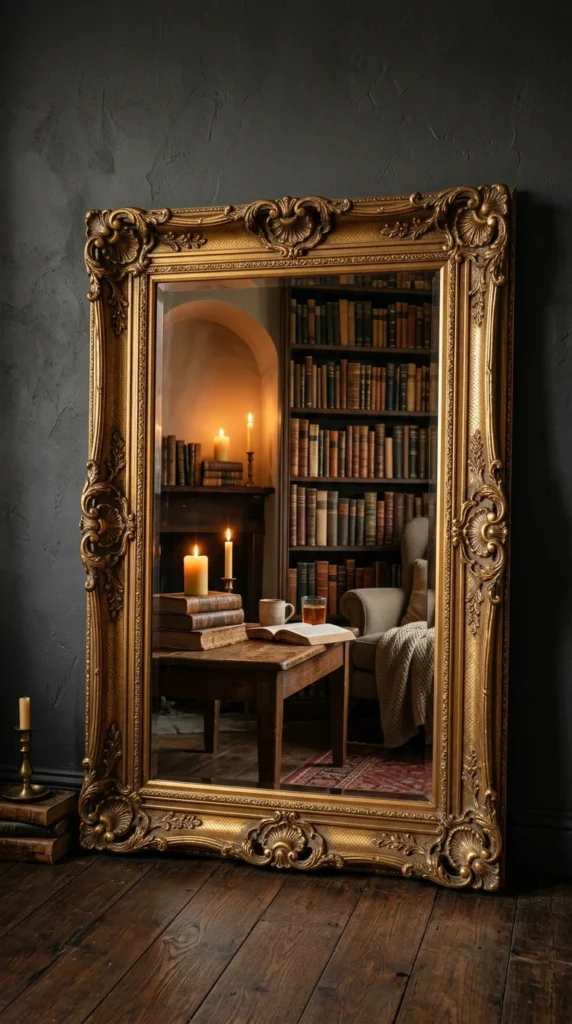
Mirrors are excellent for adding depth to a moody room without breaking the dark color scheme. Look for mirrors with ornate, gilded frames that feature intricate carvings or “aged” gold finishes. An antique-style mirror reflects the warm glow of lamps and candles, making the room feel larger while maintaining its cozy, historic atmosphere. Oval or arched shapes often work best to mimic the Gothic architecture found in old European universities.
7. Vintage Stationery
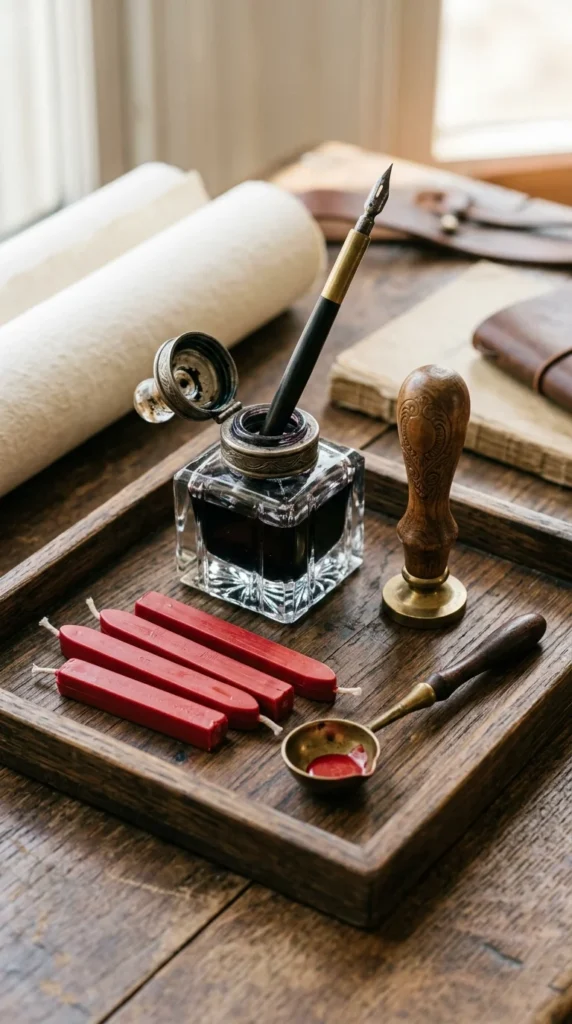
The Dark Academia aesthetic celebrates the tactile nature of analog communication. Decorate your desk or coffee table with vintage stationery items. An inkwell, a wax seal kit, and high-quality parchment paper are functional decor pieces that invite you to slow down and write a letter. These small details ground the room in a specific era and emphasize the theme of traditional scholarship.
8. Botanical Prints
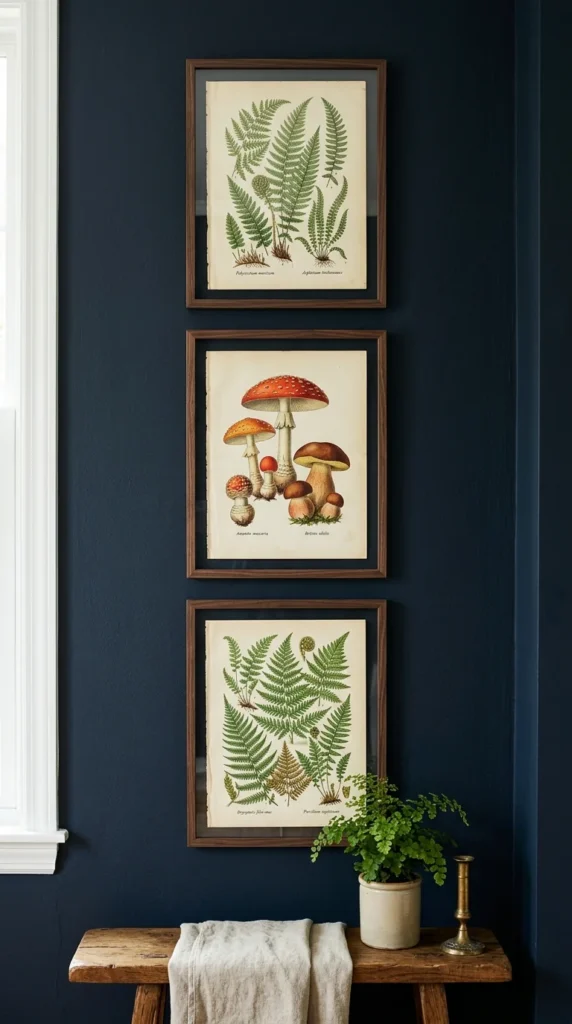
Incorporating nature through a scientific lens is a key element of the aesthetic. Vintage botanical or anatomical prints add a scholarly, “natural history museum” vibe to the walls. Look for illustrations of medicinal plants, celestial maps, or detailed sketches of birds and insects. Framing these in simple dark wood or brass frames creates a gallery look that feels both educational and artistic.
9. Brass Lighting
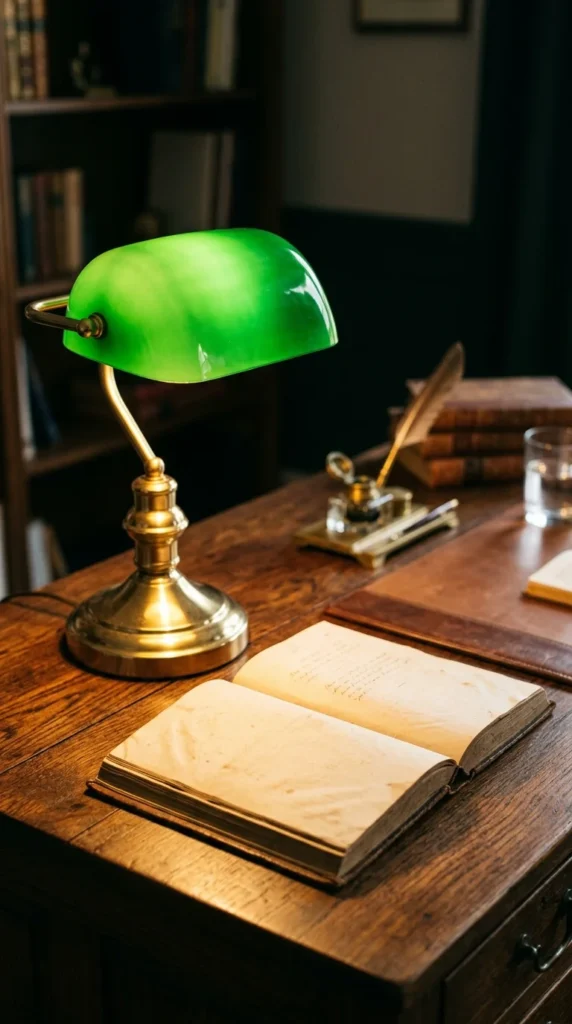
Lighting is crucial for setting the mood. Avoid harsh overhead lights and instead use multiple layers of warm light. Brass lamps, particularly the iconic banker’s lamp with a green glass shade, are staples of the Dark Academia look. Sconces, floor lamps with pleated shades, and adjustable desk lamps in metallic finishes provide the focused light needed for late-night reading while keeping the rest of the room in soft, atmospheric shadow.
10. Dried Flora
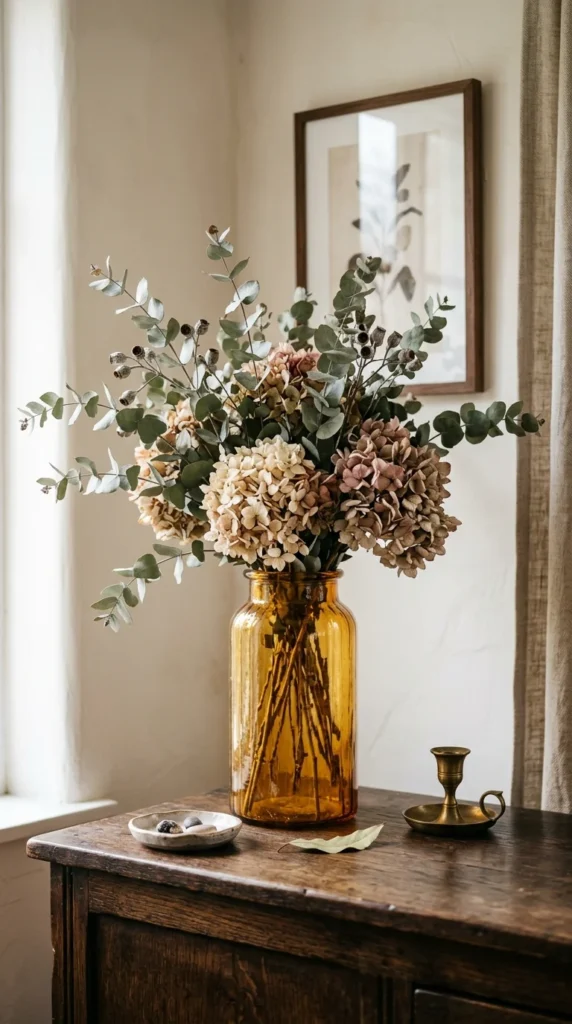
Fresh flowers can sometimes feel too bright for a Dark Academia space. Instead, opt for dried flora. Bunches of dried lavender, eucalyptus, or even pressed flowers in glass frames suggest a fascination with botany and the passage of time. The muted colors and brittle textures of dried plants perfectly complement the “memento mori” theme often found within the aesthetic.
11. Patterned Rugs
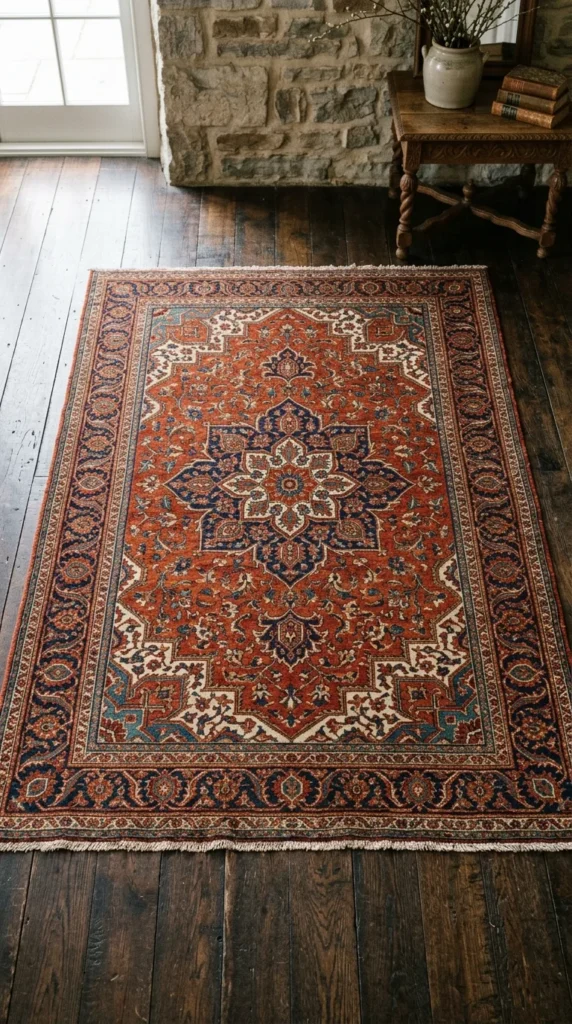
A bare floor can feel cold and modern. To add warmth and history, lay down a large, patterned area rug. Persian, Turkish, or Oriental styles with intricate designs and deep, faded colors are ideal. A rug anchors the room and helps muffle sound, contributing to the quiet, library-like atmosphere that Dark Academia enthusiasts crave.
12. Record Players

Music is a vital part of the atmosphere. A vintage-style record player serves as both a piece of technology and a decorative object. Playing classical music, jazz, or folk on vinyl adds an auditory layer to the room’s aesthetic. The mechanical nature of the turntable fits perfectly with the preference for analog experiences over digital ones.
13. Classic Globes

The theme of exploration and geography is a pillar of the aesthetic. A classic globe—especially one with an antiqued, sepia-toned map—adds a sense of worldliness and history to the room. Whether it’s a large floor-standing model or a small desktop version, a globe encourages thoughts of travel and the study of the ancient world.
14. Quill Pens

Even if you don’t use them for your daily notes, quill pens and dip pens are beautiful decorative accents. They symbolize the era of great poets and philosophers. Placing a quill in a brass holder on your desk or atop a stack of books acts as a subtle nod to the literary giants of the past, reinforcing the room’s intellectual focus.
15. Gallery Walls
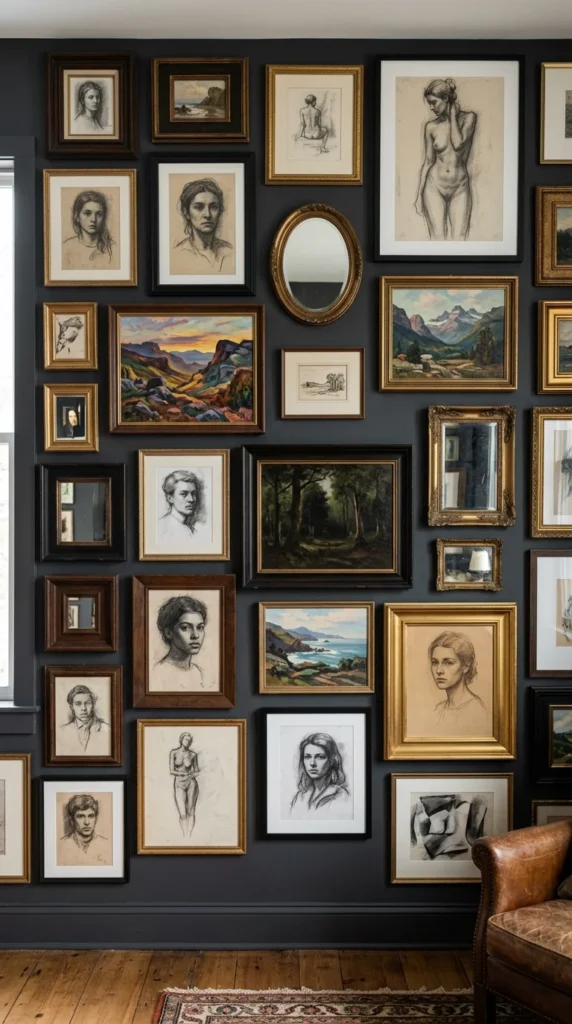
A gallery wall in a Dark Academia room should feel curated over time. Mix and match different types of art: small oil paintings, charcoal sketches, architectural drawings, and even framed pages from old books. The key is to use frames that vary in size but share a similar vintage feel—think dark woods, tarnished silvers, and dull golds. This “curated clutter” on the walls reflects a mind full of ideas and a deep appreciation for the arts.