
Modern bedroom design has evolved far beyond the traditional bedside lamp. Today, LED technology allows for seamless integration of light into the very architecture of a room, transforming it from a simple sleeping space into a high-tech sanctuary. Whether you are looking for subtle accents or bold, futuristic statements, these twelve LED ideas provide practical and aesthetic upgrades that can redefine your nighttime environment.
1. Floating Beds
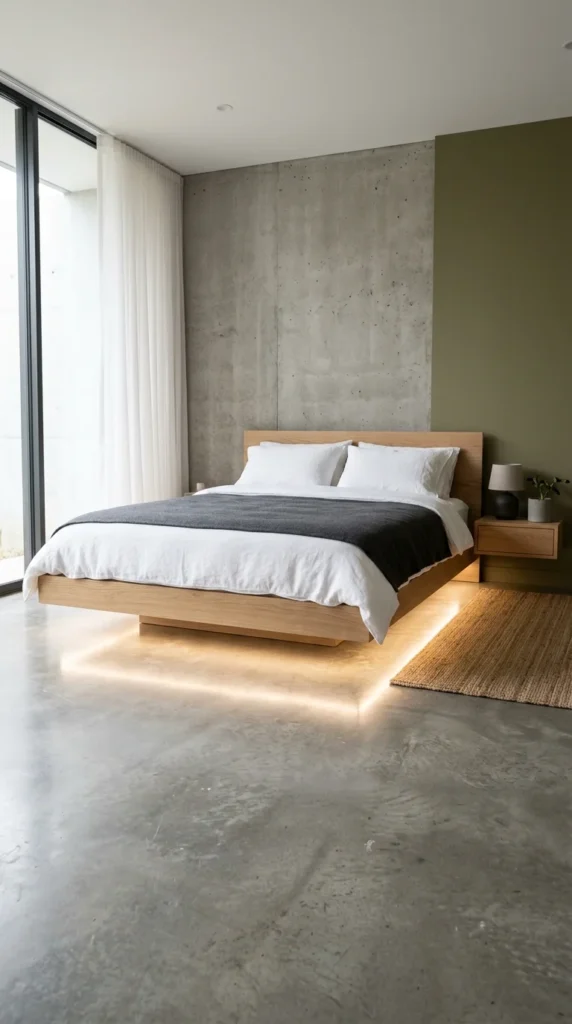
The “floating” bed effect is one of the most popular applications of LED strips in modern interior design. By attaching high-density LED tape to the underside of the bed frame, slightly recessed from the edge, you create an optical illusion that the furniture is levitating. This doesn’t just look impressive; it serves as excellent low-level ambient lighting that makes the room feel larger by drawing the eye to the floor perimeter. For the best results, use a warm white or a soft amber hue to maintain a cozy atmosphere.
2. Headboard Backlighting
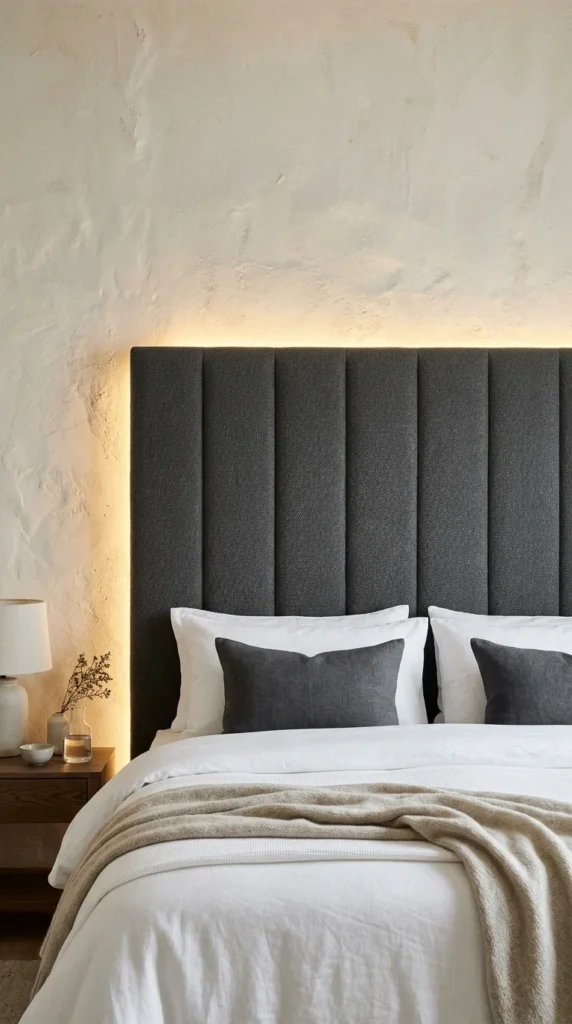
Backlighting your headboard adds a sense of depth to your wall and serves as a sophisticated alternative to traditional reading lamps. By installing LEDs behind the headboard, you create a soft halo effect that separates the bed from the wall, making it the focal point of the room. This method is particularly effective if you have a textured accent wall—such as 3D panels, exposed brick, or wallpaper—as the light grazes the surface to reveal intricate details and shadows.
3. Ceiling Coves
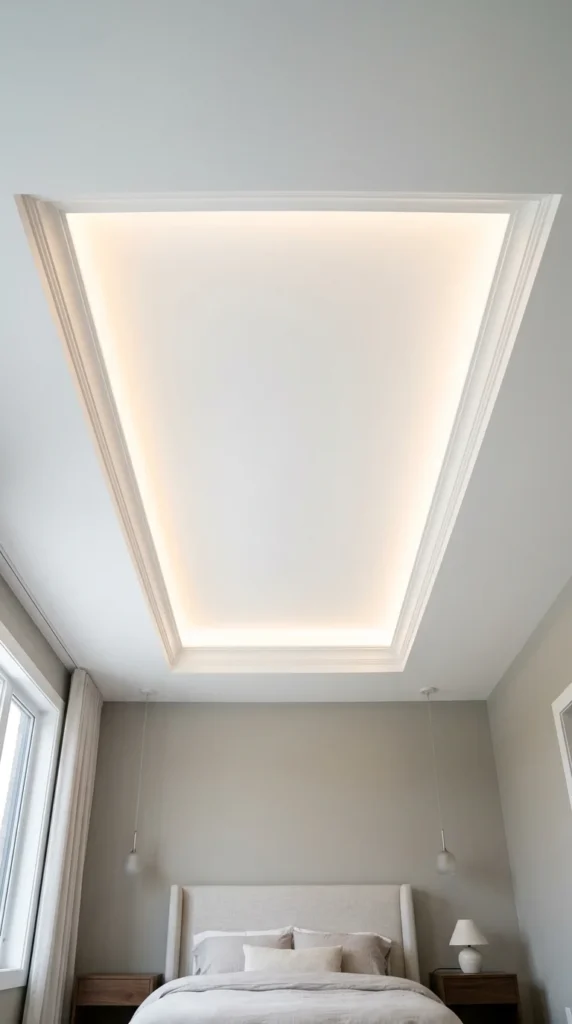
Cove lighting is a classic architectural technique updated for the modern era with LEDs. By hiding light strips inside a ceiling recess or behind crown molding, you can illuminate the entire room with reflected light. This eliminates the harsh glare often associated with central overhead fixtures. It provides a “skylight” effect at night, making the ceiling feel higher and the space more airy. Smart LED controllers allow you to dim these lights to a faint glimmer for late-night relaxation.
4. Wardrobe Accents
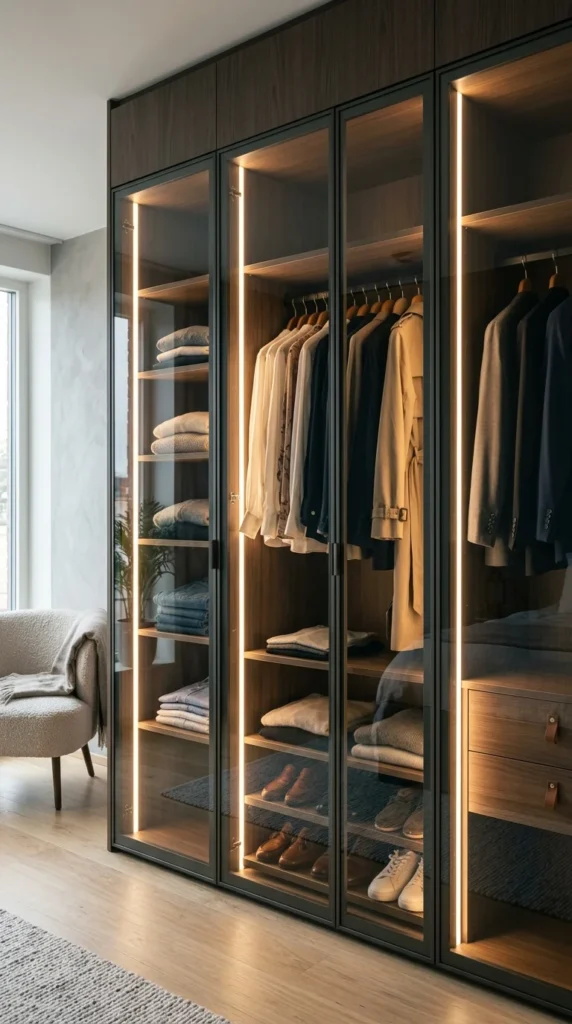
LEDs inside wardrobes or walk-in closets are both a functional necessity and a luxury design choice. Installing vertical light channels along the interior frame allows you to see the true colors of your clothing without turning on the main room lights. Motion sensors can be added so the lights activate automatically when the doors open. This “boutique” look turns a standard storage unit into a stunning display piece, adding a high-end feel to the bedroom.
5. Floating Shelves
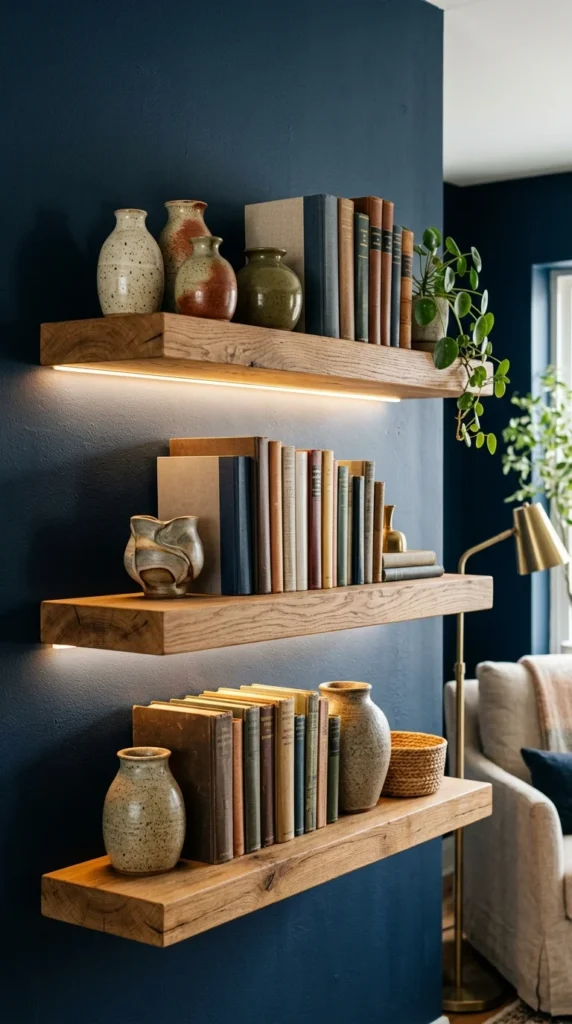
If you use floating shelves for storage or decor, adding LED strips to the underside or the back edge can transform them into luminous display cases. This creates “task lighting” for items on the shelves below while adding layers of light to the room’s vertical space. Using aluminum profiles with frosted diffusers ensures the light is even and hides the individual LED beads, providing a professional, integrated finish.
6. Mirror Backlighting
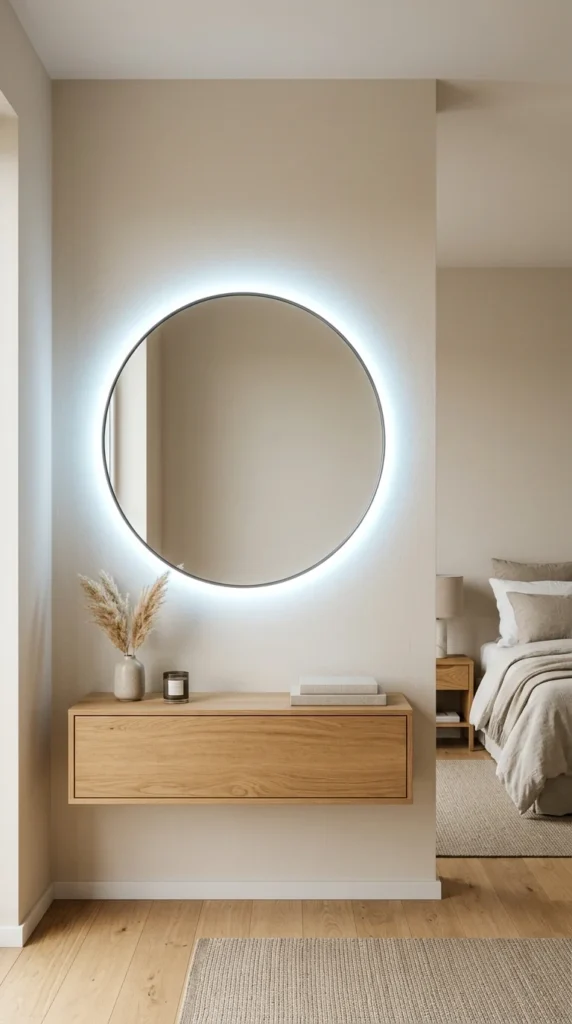
A backlit mirror is a staple of modern vanity areas. By placing LED strips behind a wall-mounted mirror, you create a shadow-free glow that is ideal for grooming and aesthetics. This technique also acts as a secondary light source that bounces off the glass to brighten the entire corner of the room. It adds a futuristic, clean look that mimics the high-end feel of a luxury hotel suite.
7. Toe-Kick Lighting
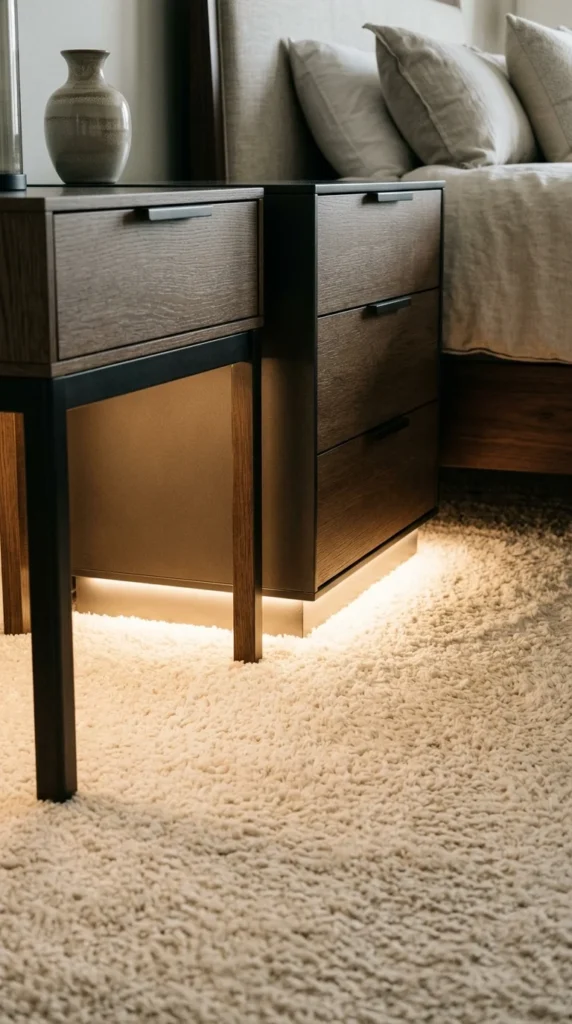
Toe-kick lighting—originally popularized in kitchens—has made its way into the bedroom. By installing lights at the base of your nightstands, dressers, or even the perimeter of the room at the baseboard level, you create a guided path for nighttime navigation. This is particularly useful for middle-of-the-night trips to the bathroom, as it provides enough light to see where you are walking without being bright enough to fully wake you up.
8. Niche Illumination
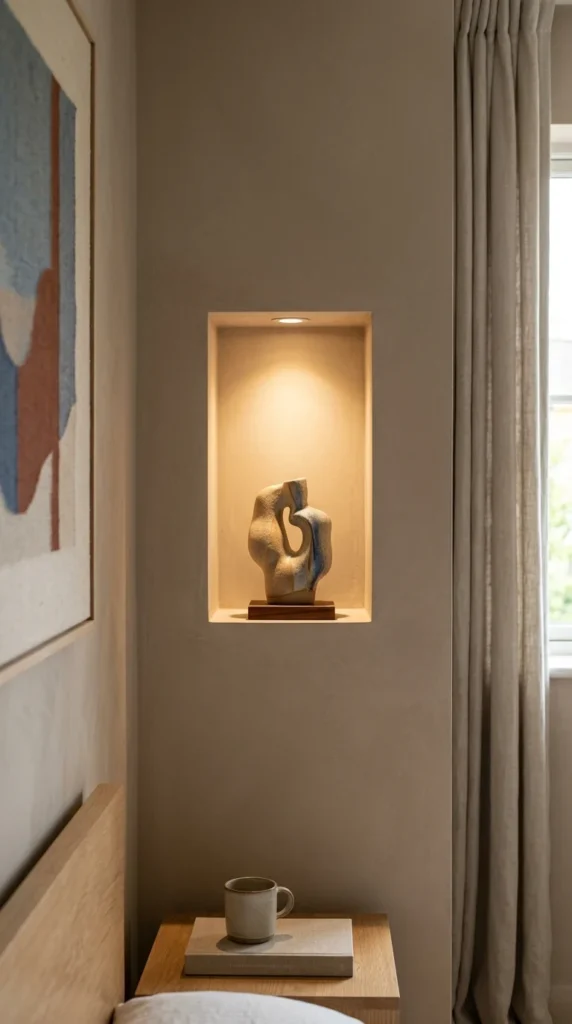
Many modern homes feature built-in wall niches or alcoves. Without proper lighting, these spaces can often look dark and neglected. A small, well-placed LED puck light or a short strip can turn a simple wall indentation into a miniature gallery. This is an excellent way to showcase art, personal mementos, or even a small indoor plant, adding personality and visual interest to the room.
9. Wall Paneling
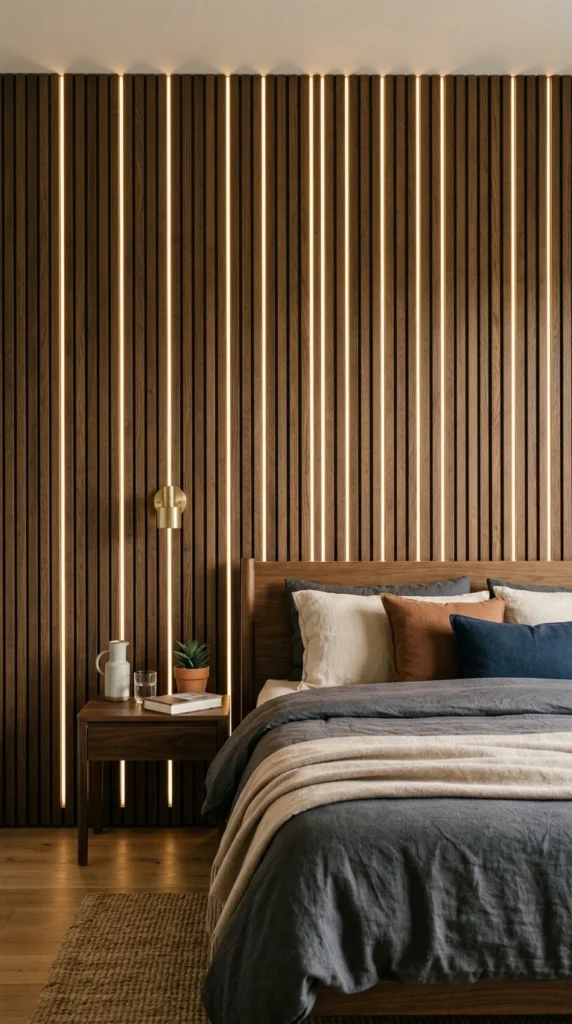
Integrating LEDs directly into wall paneling is a bold design move that defines “modern.” Whether you use wooden slats, geometric panels, or fabric-wrapped sections, thin LED “neon” flex or micro-strips can be tucked into the seams. This turns the entire wall into a light fixture. It’s an effective way to introduce geometric patterns into the room, and when connected to a smart home system, the intensity can change based on the time of day.
10. Smart Color Zones
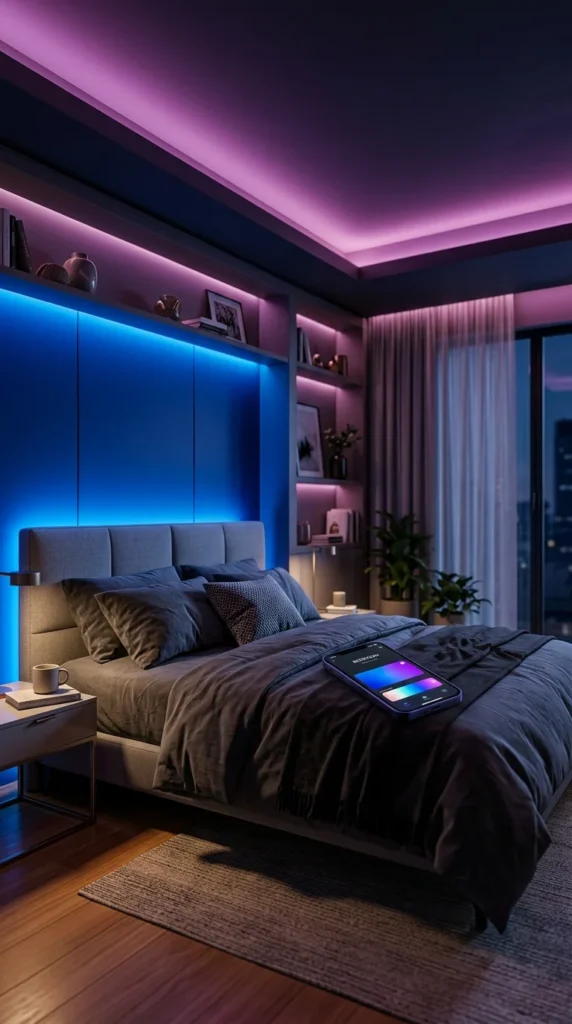
With the rise of RGBW (Red, Green, Blue, and White) LEDs, your bedroom can change its entire mood at the touch of a button. Modern LED strips allow for “zoning,” where different parts of the room can have different colors or temperatures. You might want a cool, energizing blue in the morning to help you wake up and a warm, sunset orange in the evening to trigger melatonin production. Using an app or voice control, these zones can be synchronized to music or your daily schedule.
11. Under-Desk Lighting
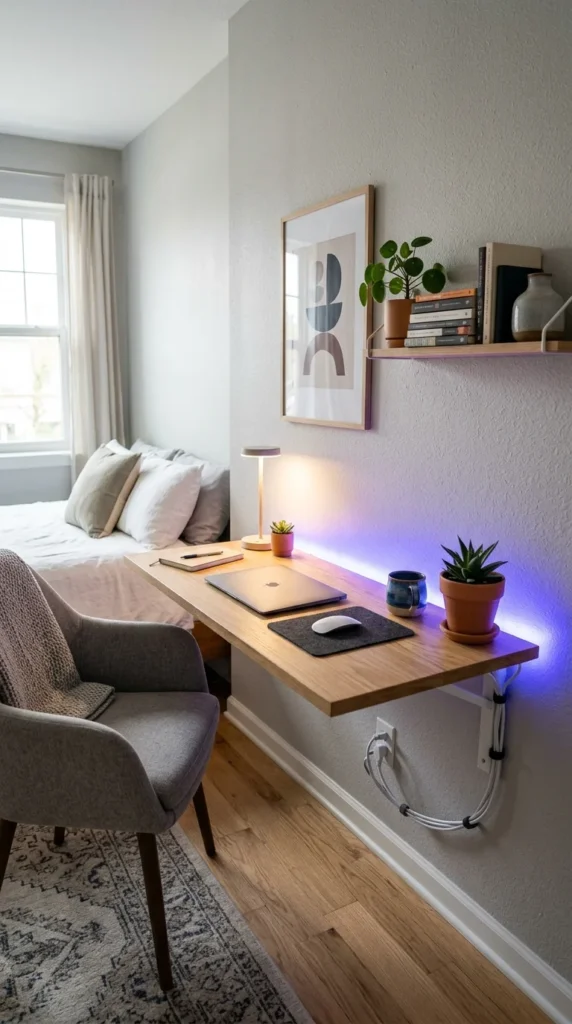
As more bedrooms double as home offices, the need for stylish workspace lighting has grown. LED strips placed at the back of a desk (bias lighting) reduce eye strain by providing a buffer between the bright computer screen and the dark wall. Beyond the health benefits, it adds a “gaming” or high-tech aesthetic to the room, making the workspace feel like an integrated part of the bedroom’s design rather than an afterthought.
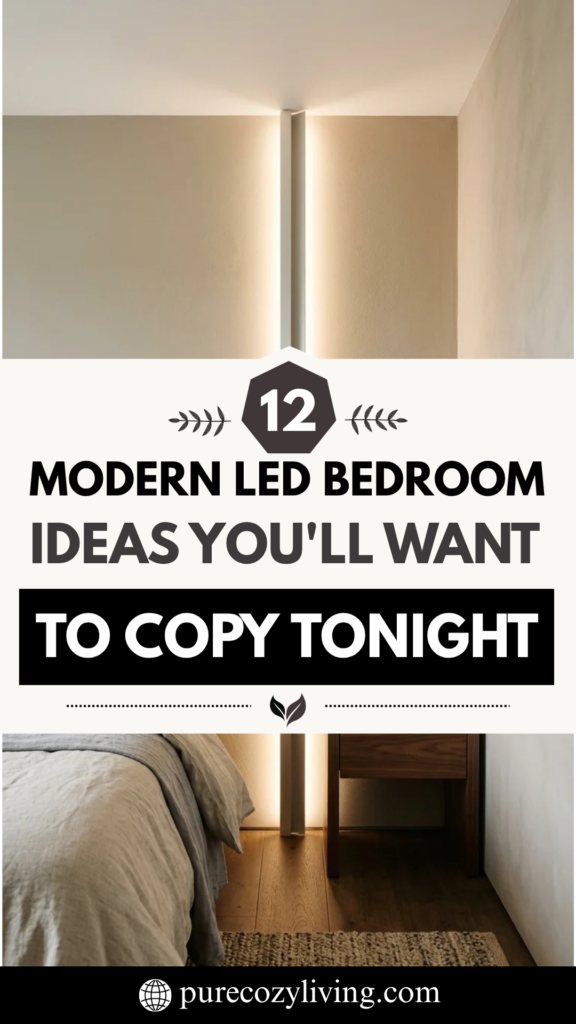
12. Vertical Corner Strips
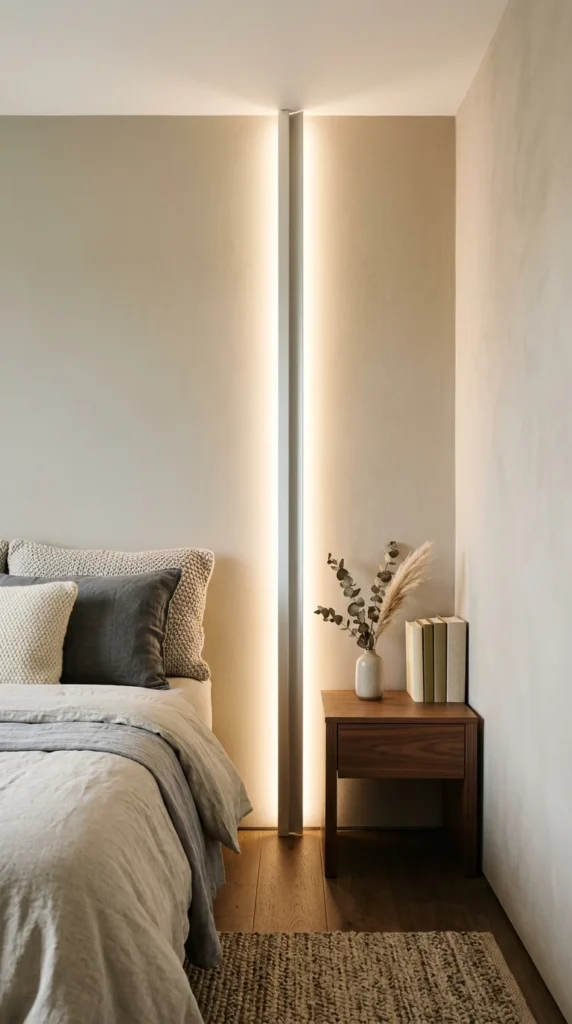
Corners are often the darkest parts of a room and the hardest to decorate. Installing a vertical LED profile directly into the corner where two walls meet creates a “pillar of light.” This technique bounces light off both wall surfaces, maximizing the brightness and filling the room with a soft, indirect glow. It’s a minimalist alternative to bulky floor lamps and helps to define the boundaries of the room, making the architecture itself the source of light.