
Maximizing a small kitchen is an art form that blends functionality with aesthetic appeal. When square footage is at a premium, every inch of counter, wall, and cabinet space must be utilized with surgical precision. The challenge of a cramped cooking area often leads to cluttered surfaces and “lost” items at the back of deep cupboards. However, with the right organizational strategies, even the tiniest galley kitchen can become a high-performance culinary workspace. By rethinking traditional storage and embracing verticality, transparency, and modularity, you can transform your kitchen into an efficient and inspiring environment.
1. Vertical Storage
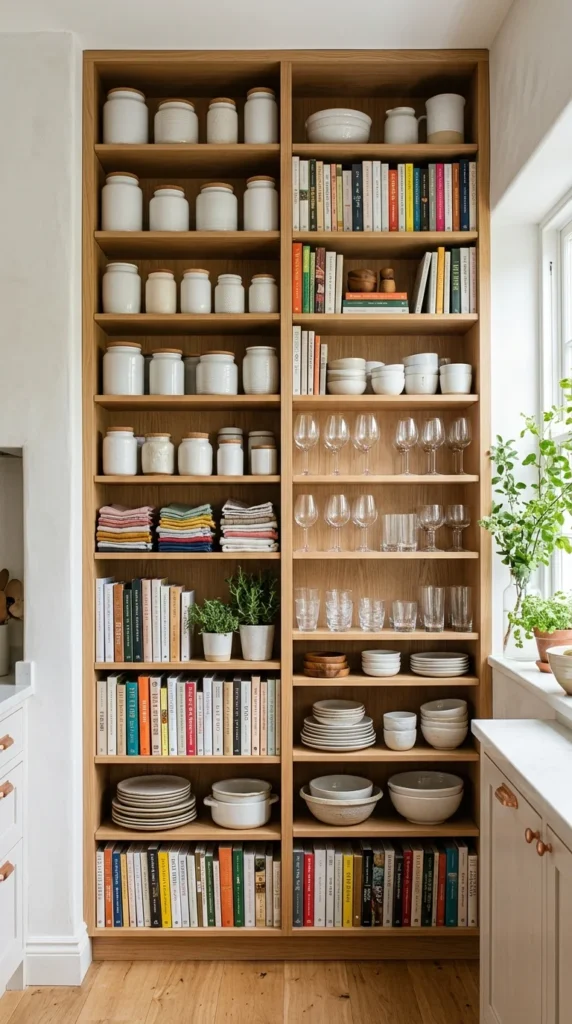
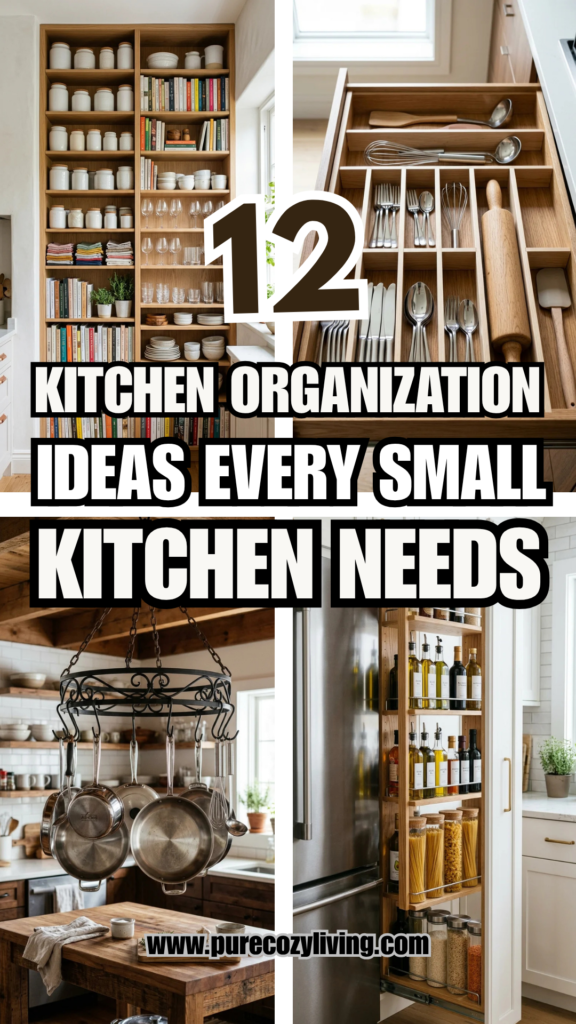
In a small kitchen, the floor space is limited, but the walls offer a wealth of untapped potential. Vertical storage involves extending your shelving all the way to the ceiling. This area is perfect for items you don’t use daily, such as seasonal platters, large stockpots, or specialized baking equipment. By using open shelving or glass-front cabinets, you can keep the space feeling open rather than boxed in. Incorporating wall-mounted rails or hooks underneath these high shelves can also provide a home for coffee mugs or frequently used utensils, keeping them within reach while freeing up precious drawer space.
2. Magnetic Strips
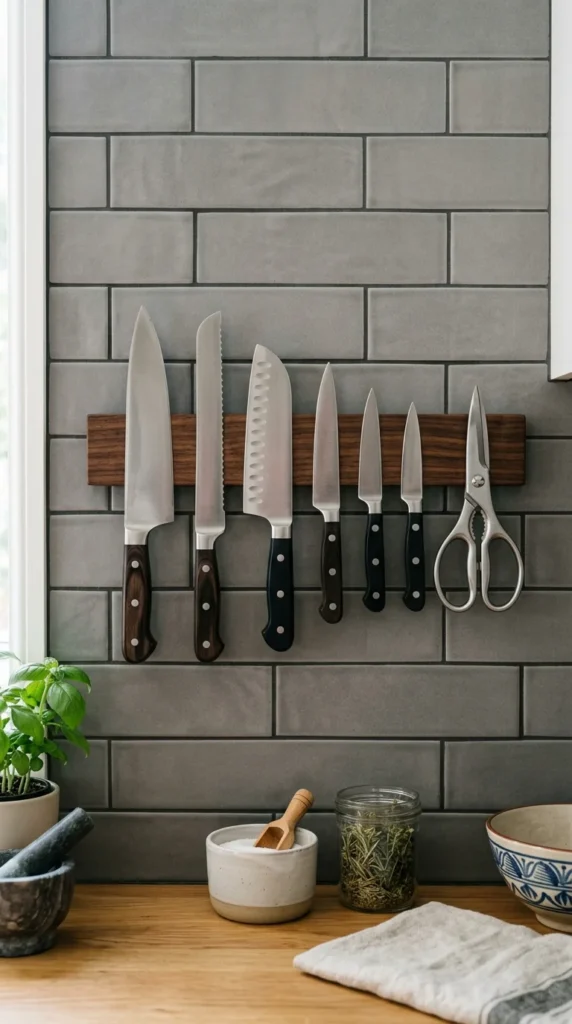
Countertop knife blocks are notorious space-wasters. Replacing them with a magnetic strip mounted on the backsplash or the side of a cabinet is a game-changer for small kitchens. Not only does this free up a significant chunk of counter real estate, but it also keeps your most important tools visible and accessible. Beyond knives, these strips can be used to hold metal spice tins, measuring spoons, or even small metal lids. It’s a professional-grade solution that adds a modern, industrial touch to the kitchen while ensuring your blades stay sharp and dry.
3. Pull-out Pantries
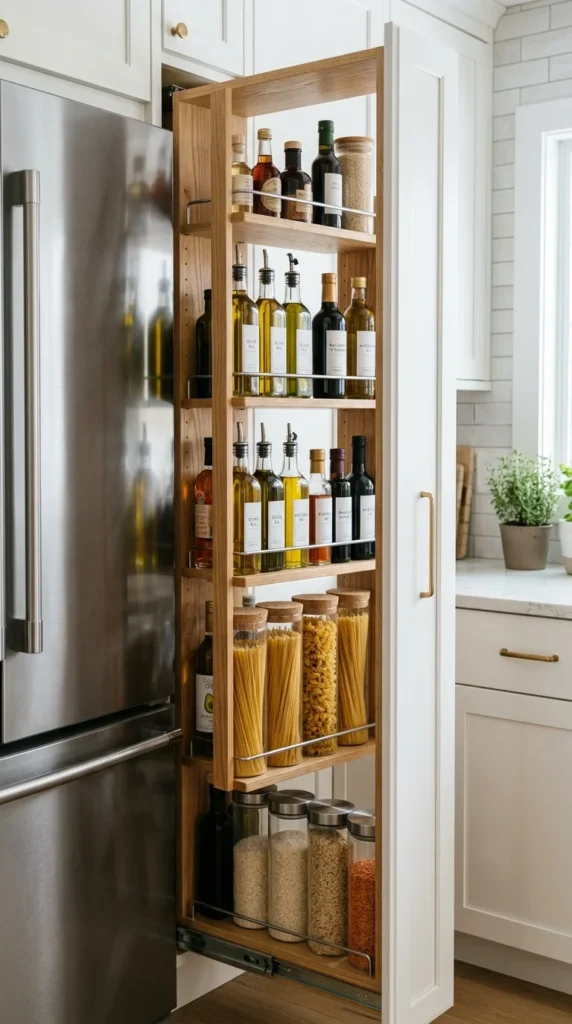
Many kitchens have “dead space”—that awkward six-inch gap between the refrigerator and the wall or between two cabinets. A slim, pull-out pantry rack is the perfect way to reclaim this area. These narrow rolling units can house an entire pantry’s worth of dry goods, oils, and spices. Because they pull out completely, you can see everything at a glance, eliminating the problem of jars getting pushed to the back where they are forgotten. It is a brilliant example of how hidden architecture can solve major storage woes.
4. Under-shelf Baskets
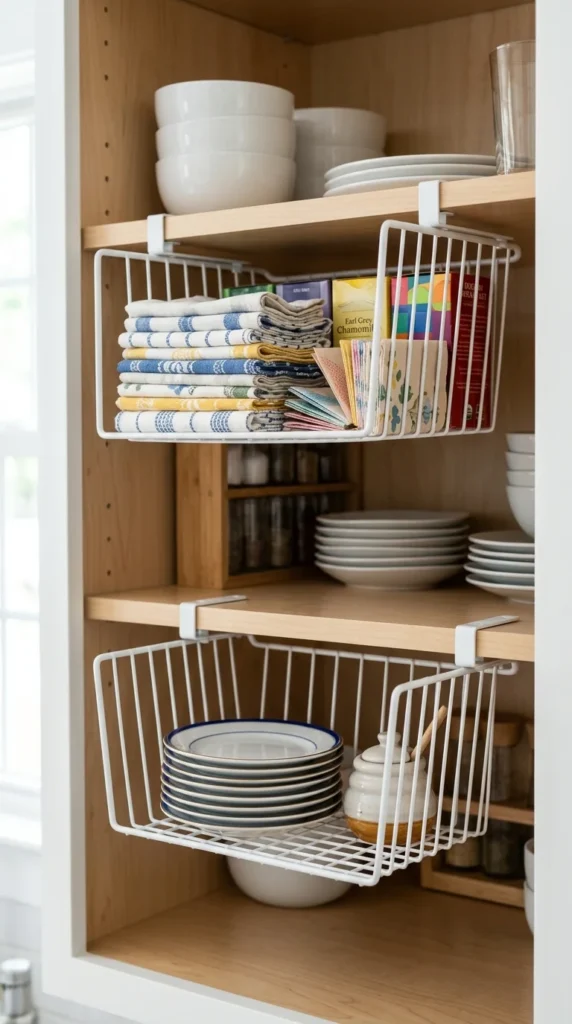
We often forget about the “air space” at the top of our cabinet shelves. When you stack items, you can only go so high before things become unstable. Under-shelf baskets are wire units that clip onto your existing shelves, creating a secondary level of storage underneath. They are ideal for lightweight items that don’t stack well, such as sandwich bags, aluminum foil rolls, or kitchen linens. This simple, non-permanent addition can effectively double the storage capacity of a standard cabinet without requiring any tools or renovation.
5. Corner Lazy Susans
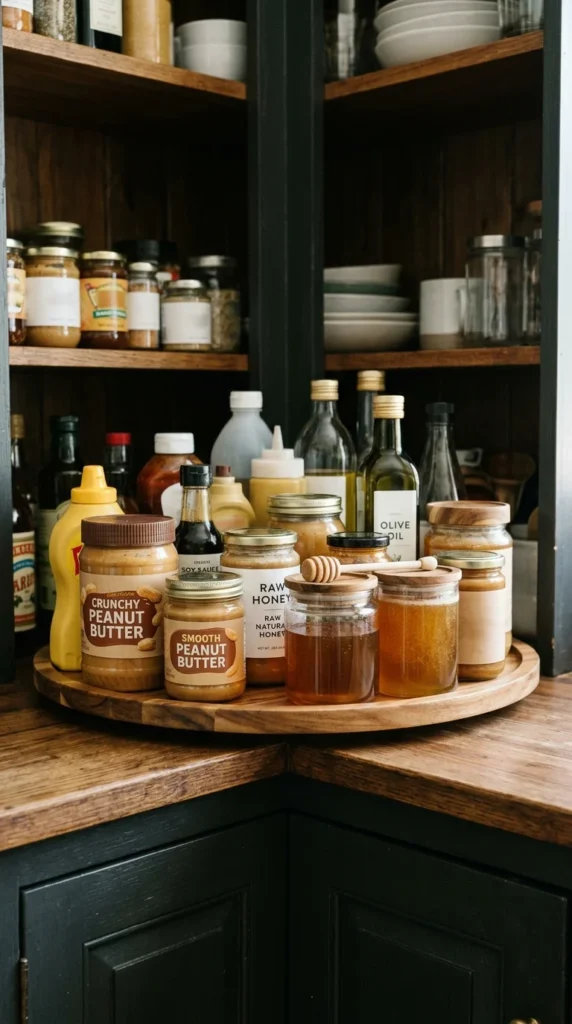
Corner cabinets are often referred to as “the abyss” because items placed in the back corners are nearly impossible to reach without removing everything else. A Lazy Susan—a rotating turntable—solves this instantly. By placing one (or two) in a corner cabinet, you bring the items to you with a simple spin. They are particularly effective for heavy items like oils, vinegars, and large condiment jars. For upper corner cabinets, smaller turntables can organize spices or vitamins, ensuring that nothing is ever truly out of sight or out of reach.
6. Cabinet Risers
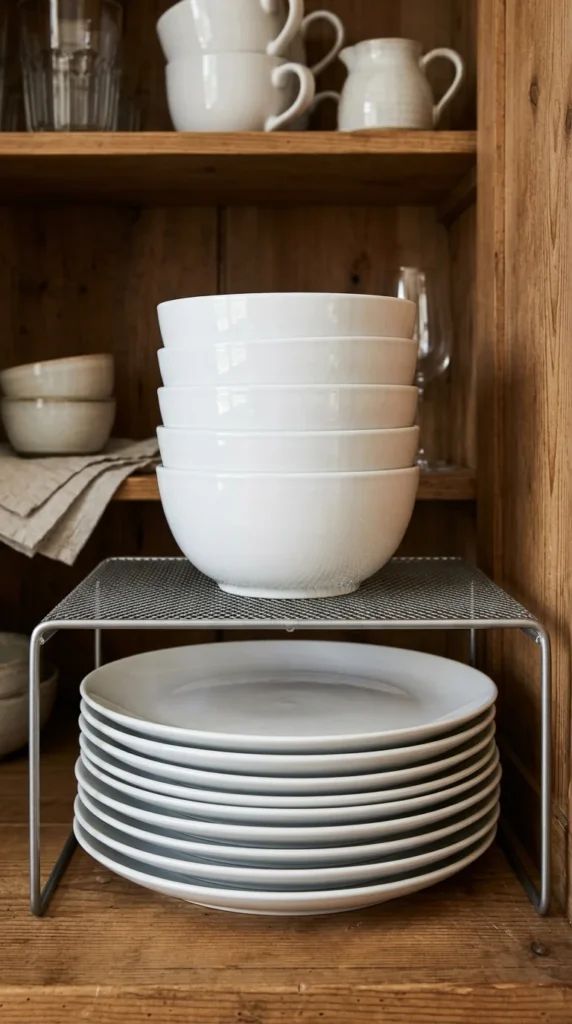
One of the biggest culprits of kitchen clutter is the “unstable stack.” We’ve all experienced the frustration of needing the bottom bowl in a pile of ten. Cabinet risers act as mini-shelves within your cupboards, allowing you to categorize and separate items by height and type. Instead of stacking salad plates on top of dinner plates, you can place the salad plates on a riser above the dinner plates. This makes it much easier to grab exactly what you need without a ceramic landslide, and it utilizes the full height of your shelving.
7. Door Organizers
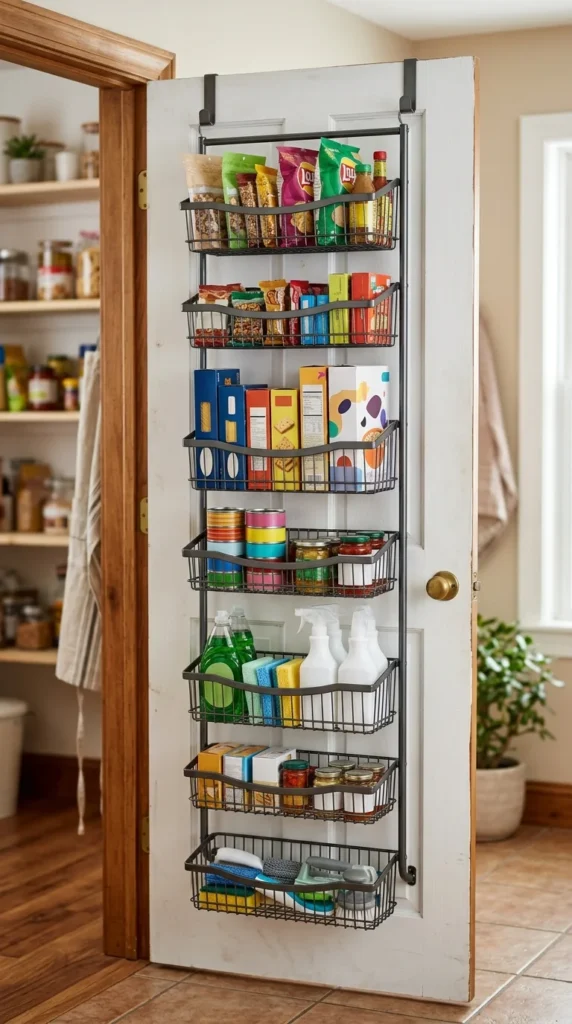
The back of a pantry or cabinet door is prime storage real estate that is frequently overlooked. Over-the-door organizers or screw-in racks can hold anything from spices and snacks to cleaning supplies and plastic wraps. In very small kitchens, you can even mount a corkboard or a magnetic white-board on the inside of a cabinet door to hang measuring spoons or keep a running grocery list. This “hidden” storage keeps the visual clutter of the kitchen to a minimum while keeping essential items organized and categorized.
8. Stackable Containers
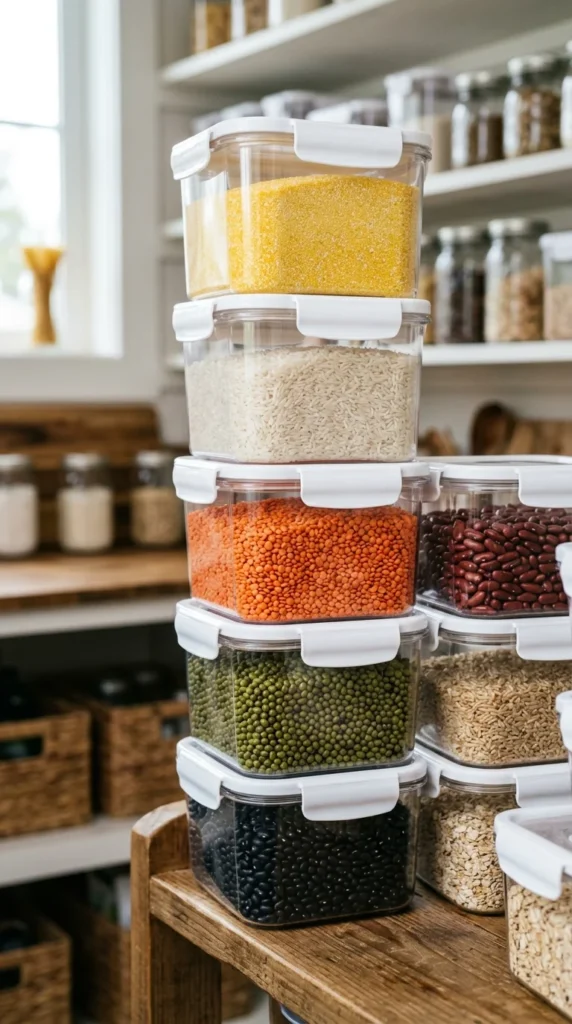
Visual harmony goes a long way in making a small space feel organized. Transferring dry goods from their original, mismatched packaging into uniform, stackable containers is both functional and aesthetic. Clear containers allow you to see exactly how much of an ingredient you have left, preventing over-buying. Because they are designed to stack perfectly, they eliminate the wasted gaps that occur with bags and boxes of different shapes. Look for square or rectangular containers rather than round ones, as they fit together more efficiently in tight spaces.
9. Pegboard Walls
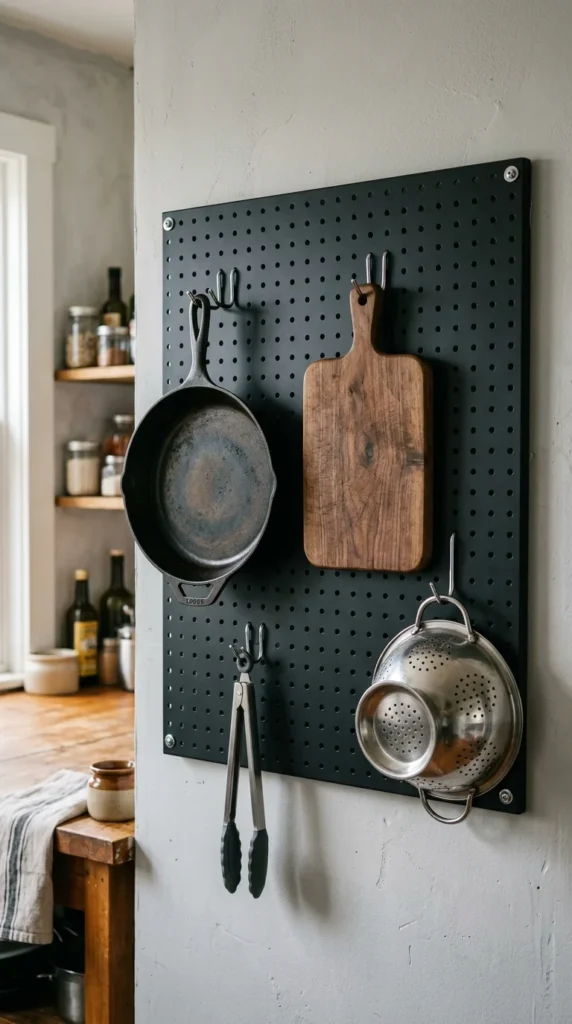
Popularized by Julia Child, the pegboard is the ultimate customizable storage solution. It allows you to hang almost anything—pots, pans, colanders, measuring cups, and even small baskets for onions or garlic. The beauty of a pegboard is its flexibility; as your cookware collection grows or changes, you can simply move the hooks around. In a small kitchen, a pegboard can turn an empty wall into a functional masterpiece, keeping bulky pans out of cramped drawers and adding a professional, “chef’s kitchen” vibe to the room.
10. Drawer Dividers
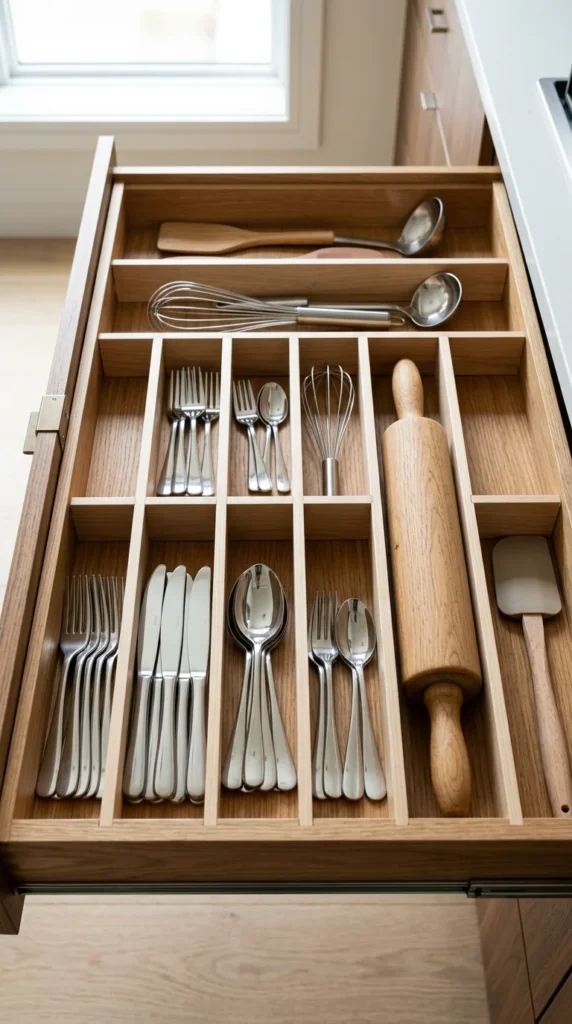
Deep drawers often become a “junk drawer” catch-all where whisks get tangled with spatulas. Drawer dividers—specifically adjustable ones—allow you to create custom compartments for every tool. For small kitchens, consider “in-drawer” knife blocks or tiered cutlery organizers that allow you to stack silverware at an angle, saving horizontal space. When every item has a specific “home” within the drawer, you spend less time rummaging and more time cooking.
11. Hanging Pot Racks
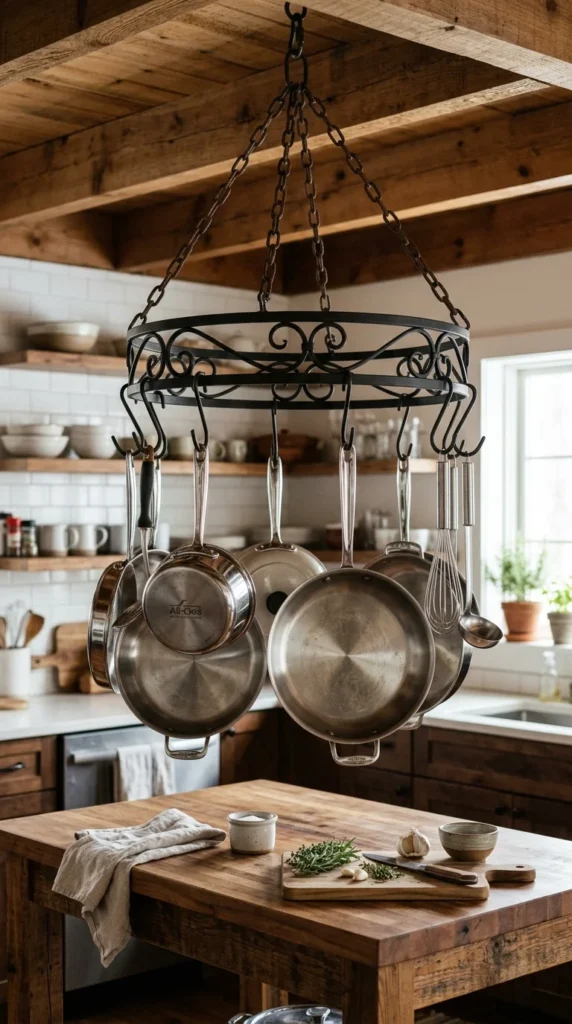
Cabinet space is often dominated by large, bulky pots and pans. If you have the ceiling height, a hanging pot rack is a fantastic way to clear out entire cabinets. By suspending your cookware from the ceiling or a high wall-mounted bar, you make a design statement while freeing up lower cabinets for heavier appliances like blenders or food processors. This also keeps your most-used pans right where you need them—near the stove—and allows them to air-dry effectively after washing.
12. Tiered Spice Racks
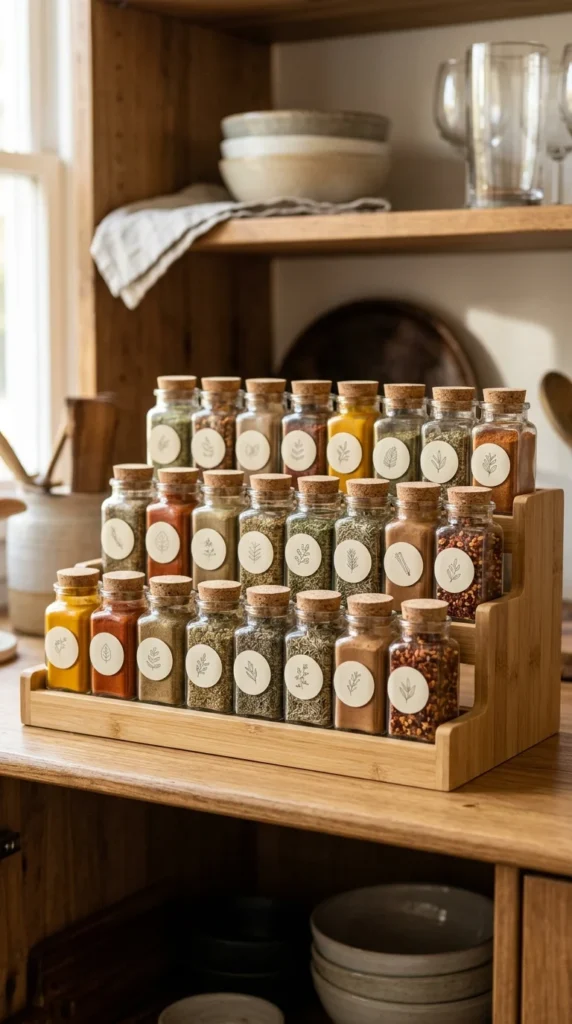
Spices are small, but they can create a massive amount of clutter if not managed correctly. A tiered “stadium-style” spice rack allows you to see the labels of every jar, even the ones in the very back. This prevents you from buying duplicates of spices you already own and makes the cooking process much smoother. If you prefer to keep your counters clear, these tiered inserts fit perfectly into standard cabinets or deep drawers. Organizing them alphabetically or by cuisine type further enhances the efficiency of your small kitchen workspace.