
The modern home is often a puzzle of square footage, where every corner must justify its existence. Nowhere is this more apparent than in the kitchen and dining areas. The traditional, formal dining room is increasingly being traded for something more intimate, functional, and approachable: the dining nook. A well-designed nook doesn’t just save space; it creates a destination within the home for morning coffee, late-night homework, and casual Sunday brunches.
By utilizing architectural quirks, clever furniture choices, and strategic styling, you can transform an overlooked corner into the most coveted seat in the house. Whether you are working with a tiny apartment or a spacious open-concept kitchen, these 20 cozy dining nook ideas will show you how to maximize your footprint without sacrificing style.
1. Window Benches
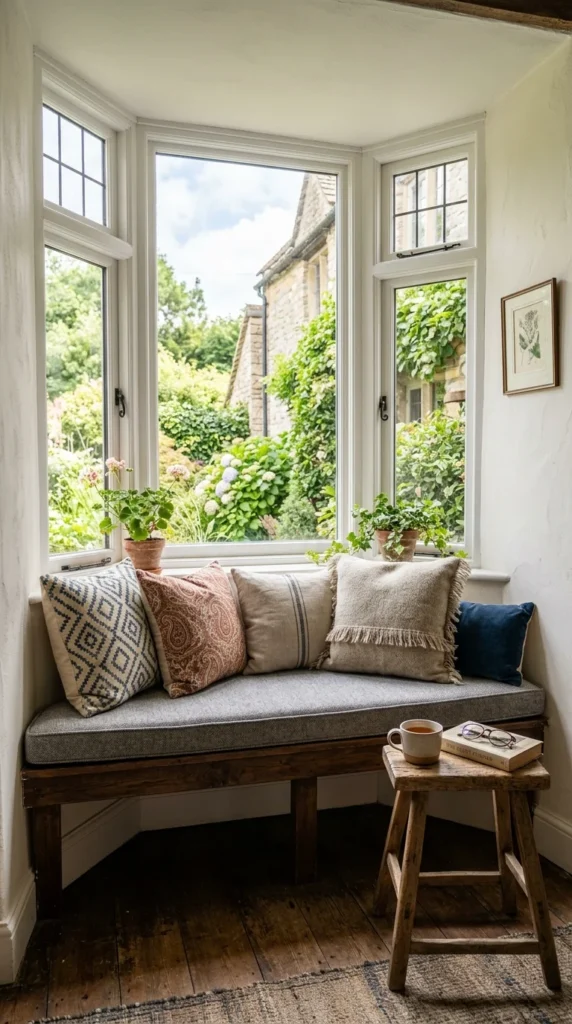
The classic window bench is the gold standard of dining nooks. By utilizing the space directly beneath a window, you capitalize on natural light and provide a “room with a view.” This setup is particularly effective in bay windows or kitchen bump-outs. To make it work, ensure the bench height is roughly 18 inches—the standard chair height—and pair it with a slim table that doesn’t block the walkway. This configuration allows you to squeeze in extra seating without the visual clutter of multiple chair backs against the light.
2. Corner Banquettes
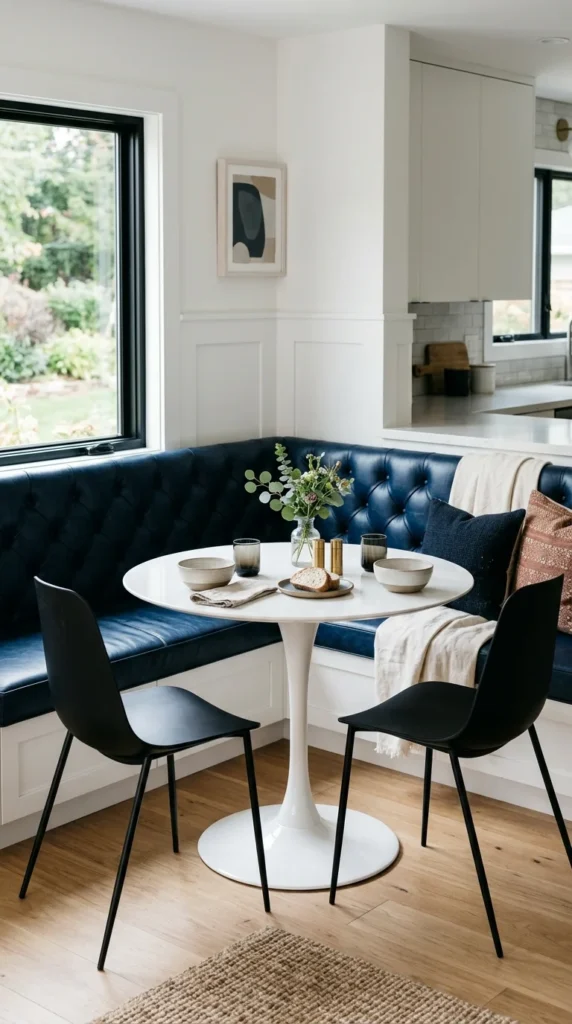
A corner banquette is essentially a built-in sofa for your dining room. It offers a sense of enclosure and comfort that individual chairs simply cannot match. By wrapping seating around two walls, you maximize the number of people who can sit in a small area. Using high-quality upholstery, like performance velvet or leather, ensures that the nook feels like an extension of your living room furniture rather than a secondary kitchen feature. It’s an excellent way to turn an awkward 90-degree corner into a functional “booth” experience.
3. Floating Shelves
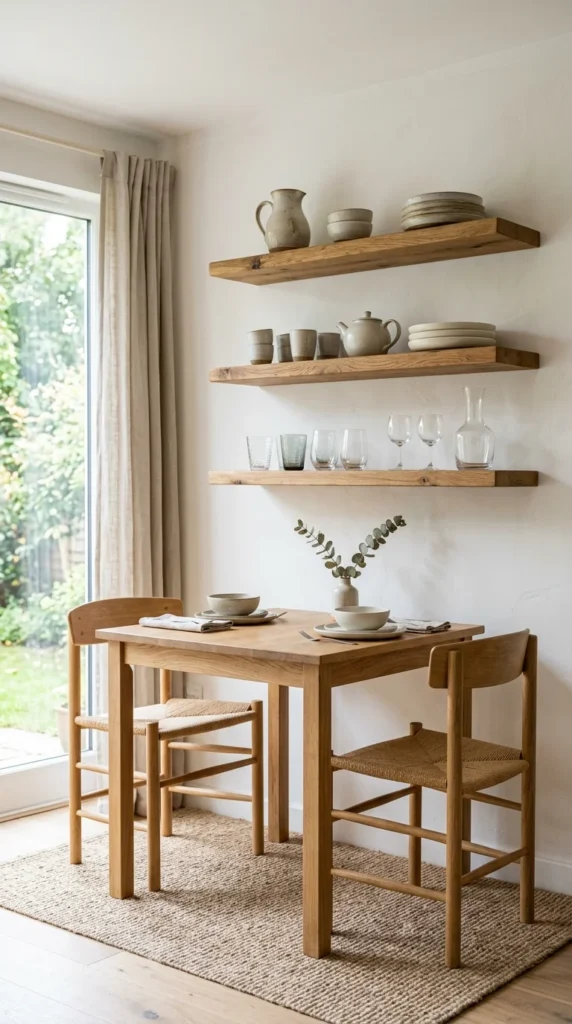
In a tight dining nook, vertical space is your best friend. Floating shelves installed above the seating area provide storage for glassware, cookbooks, or decorative items without taking up any floor space. This draws the eye upward, making the ceiling feel higher and the nook feel more integrated into the room’s design. It also allows you to keep the tabletop clear of clutter, which is essential when the surface area is limited.
4. Round Tables
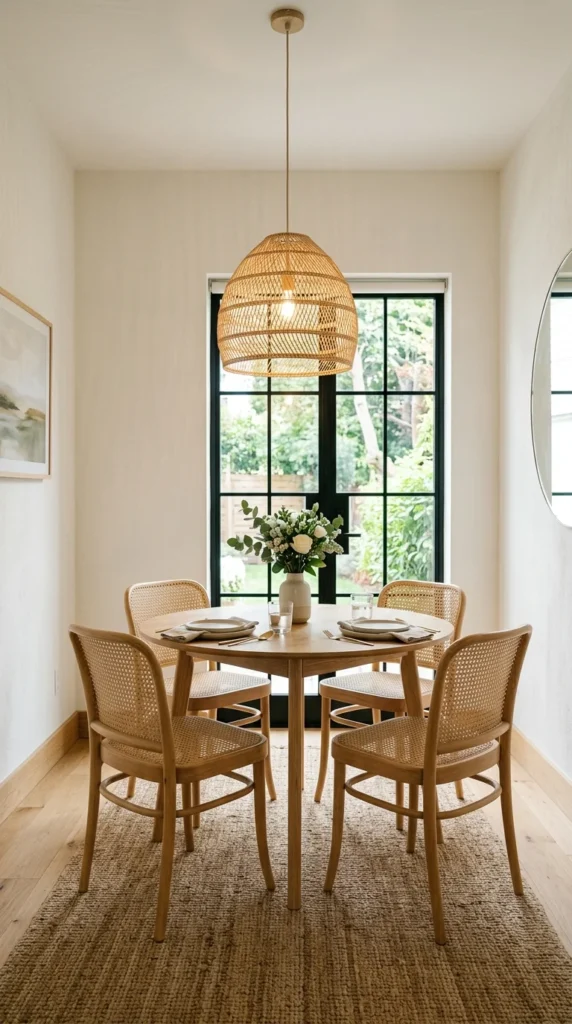
When space is at a premium, sharp corners are the enemy. A round table is the ultimate space-saver for a dining nook because it lacks corners, making it easier to navigate around in a tight kitchen. Furthermore, round tables are inherently more social, as everyone faces the center. They fit perfectly into square corners or circular bay windows, creating a soft, organic flow in a room dominated by the hard lines of cabinetry and appliances.
5. Built-in Storage
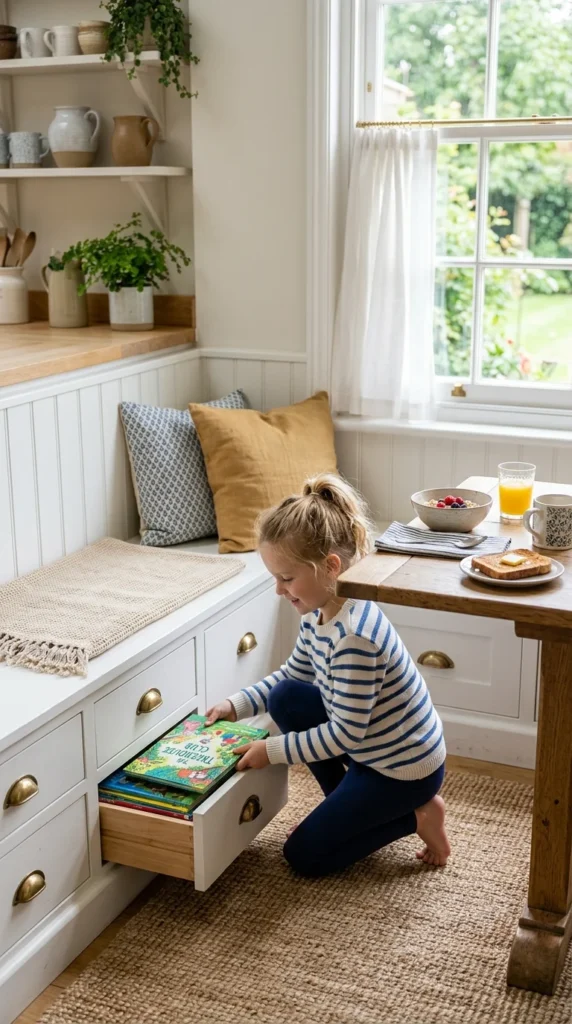
A dining nook should work twice as hard as any other space. By incorporating drawers or lift-top lids into your bench seating, you gain invaluable storage for items that don’t fit in the kitchen cabinets—think seasonal linens, bulky serving platters, or even board games. This “hidden” storage is a lifesaver in small apartments where every cubic inch matters. It keeps the surrounding area tidy while ensuring everything you need for a dinner party is right at your fingertips.
6. Velvet Upholstery
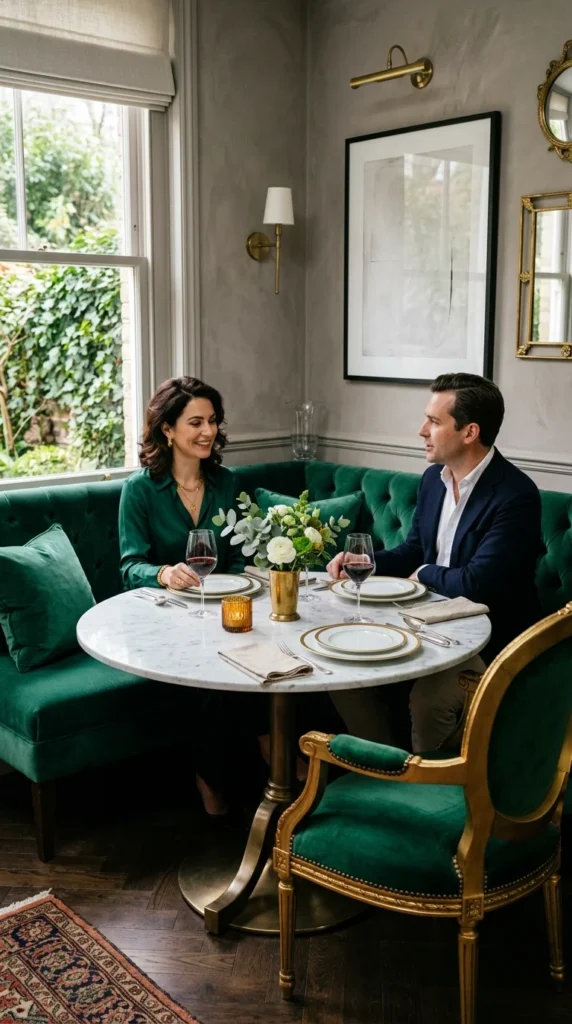
To elevate a nook from “utilitarian” to “luxurious,” look to your fabrics. Velvet upholstery adds a layer of sophisticated texture that invites people to linger. While it might seem impractical for a dining area, modern performance velvets are surprisingly durable and easy to clean. Deep jewel tones like emerald, navy, or burgundy can make a small nook feel like a high-end bistro, providing a cozy, tactile experience that balances the hard surfaces of a kitchen.
7. Pedestal Bases
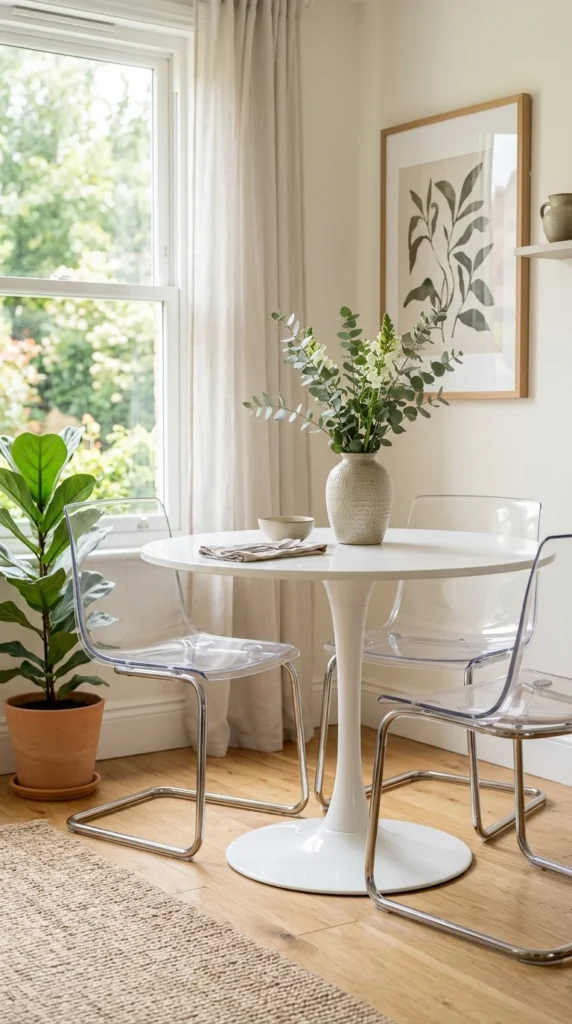
The base of your table is just as important as the top. In a dining nook, a pedestal base is superior to four legs because it eliminates the “knee-knocking” struggle when sliding into a bench or banquette. This single center support provides more legroom and allows you to tuck chairs in more tightly when they aren’t in use. It creates a cleaner look and makes the entire setup feel more spacious and less crowded.
8. Gallery Walls
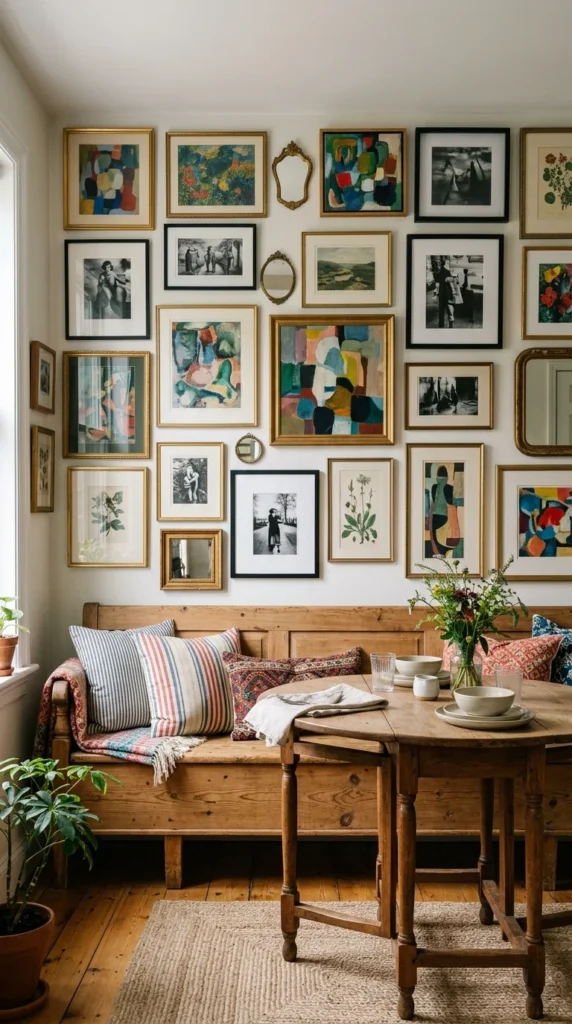
Personalization is key to making a small space feel intentional rather than cramped. A gallery wall behind your dining nook defines the area as a distinct “zone” within the home. By hanging a collection of art, photos, or even vintage kitchen tools, you create a focal point that distracts from the small footprint. It adds character and warmth, making the nook feel like a curated gallery rather than just a place to eat a quick bowl of cereal.
9. Statement Lighting
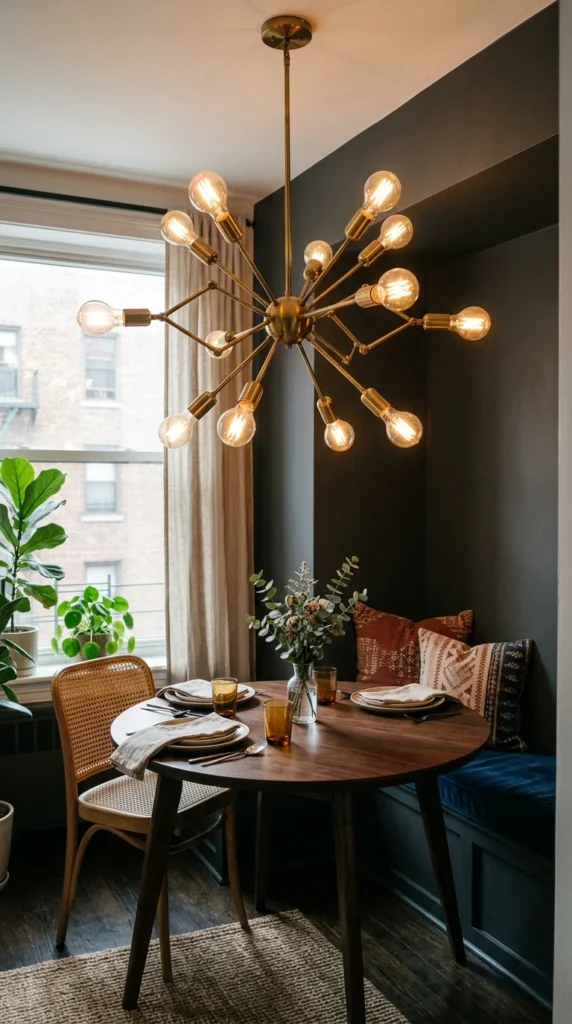
One of the most effective ways to “anchor” a dining nook is with a dedicated light fixture. A statement pendant or a low-hanging chandelier creates a visual boundary for the space. When the light is centered over the table, it pulls the elements together and creates an intimate atmosphere. In an open-plan home, this lighting acts as a psychological wall, separating the dining area from the cooking or lounging areas.
10. Bistro Sets
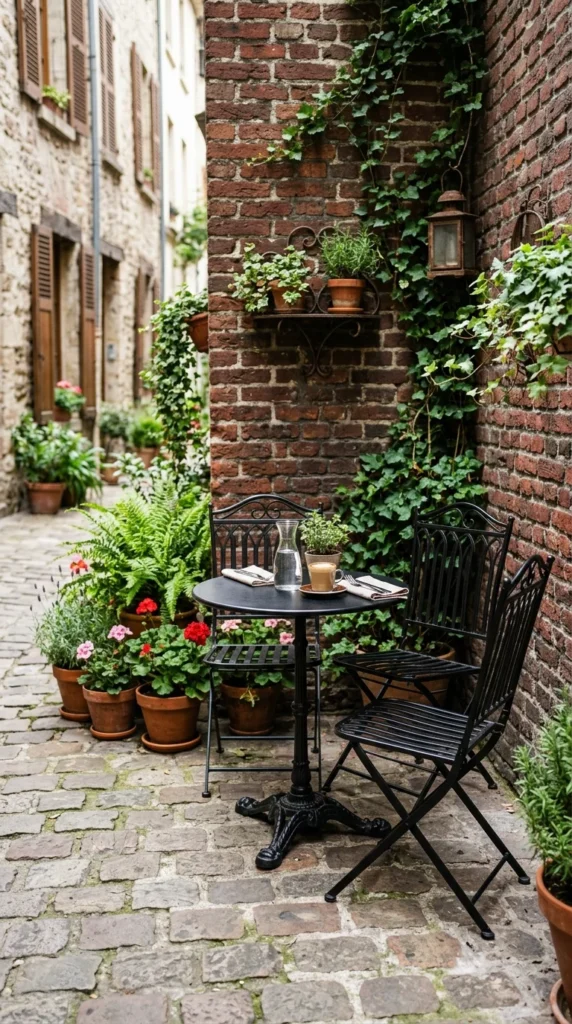
Sometimes, the simplest solution is the best. A classic bistro set—consisting of a small round table and two slender chairs—is perfect for the smallest of corners. This setup is inspired by European sidewalk cafes and is designed specifically for tight quarters. Because the furniture is usually lightweight and often foldable, it offers maximum flexibility. It’s an ideal choice for a sunlit corner where you want a dedicated spot for tea and a book.
11. Natural Light
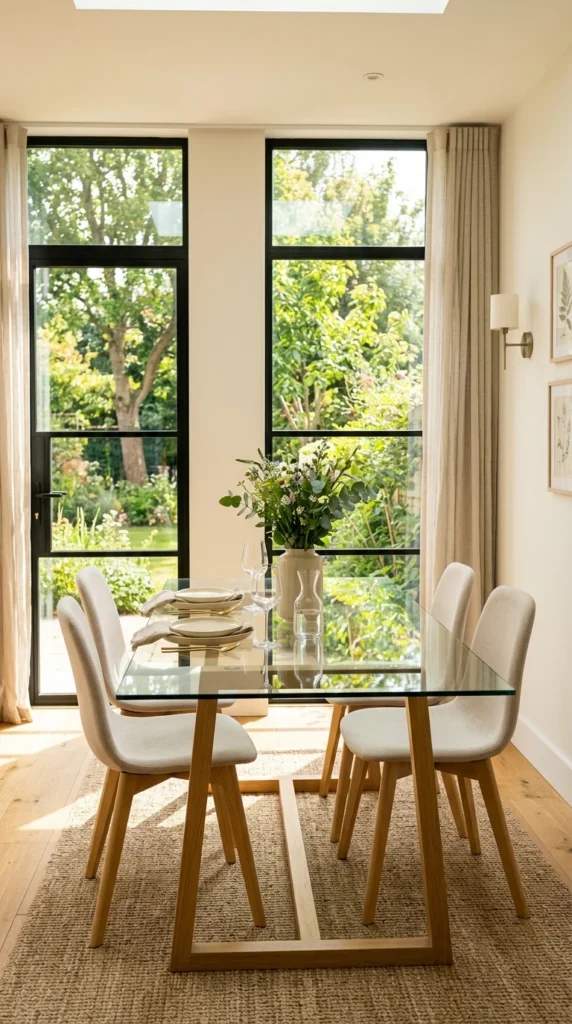
If you have the option, always place your dining nook near a source of natural light. Sunlight opens up small spaces and makes them feel airy and expansive. Using a glass-topped table in a sunlit nook can further this effect, as the transparent surface allows light to pass through, reducing the visual “weight” of the furniture. This connection to the outdoors makes the nook a refreshing place to start the day.
12. Mixed Seating
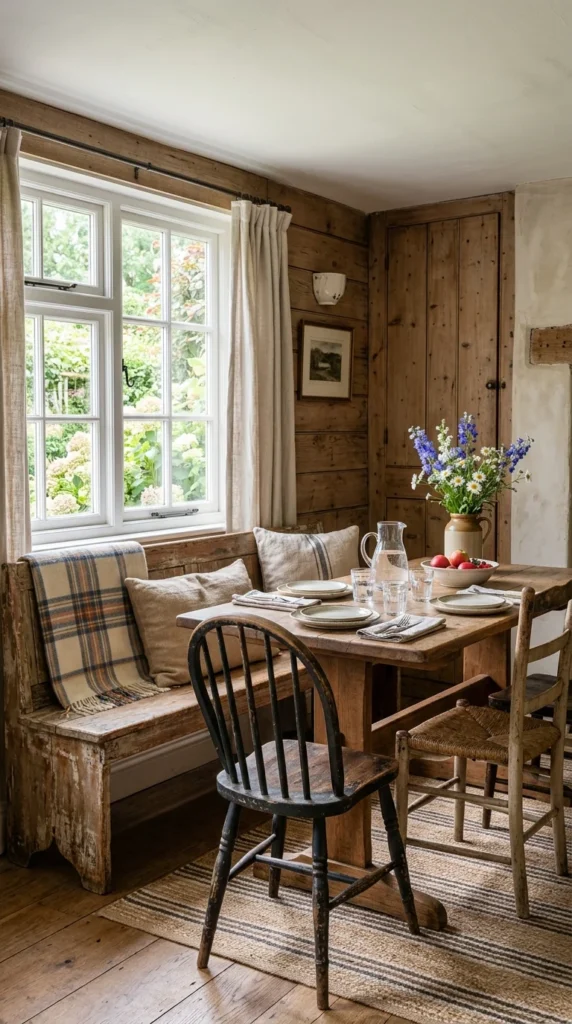
You don’t have to stick to a uniform look to have a cohesive dining nook. Mixing a built-in bench with mismatched vintage chairs adds a layer of “collected” charm. This approach is practical because it allows you to pull in extra chairs from other rooms when guests arrive. The contrast between the solid, stationary bench and the light, mobile chairs creates a dynamic aesthetic that feels lived-in and comfortable.
13. Fold-down Tables
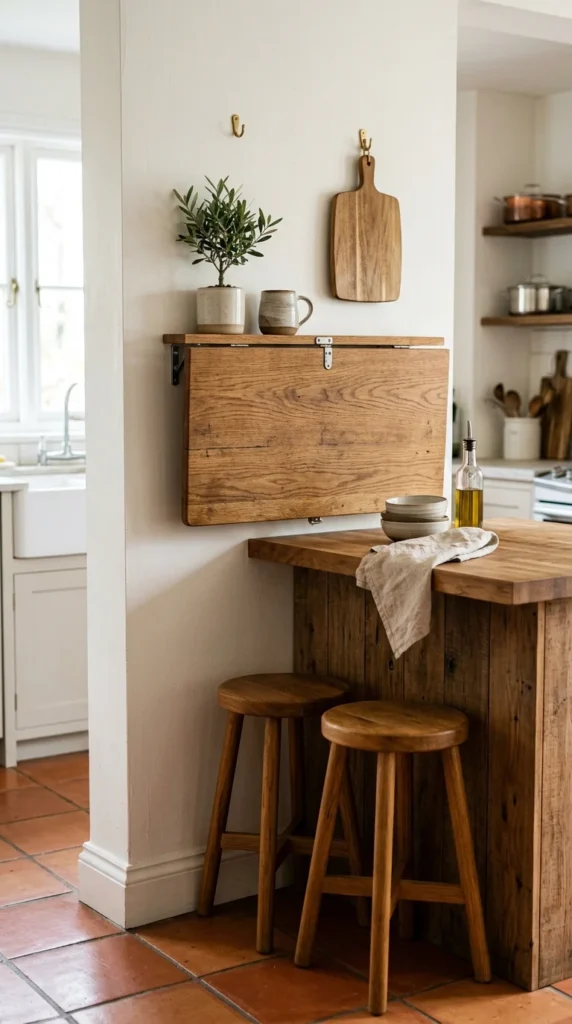
For truly microscopic spaces, the fold-down table (or Murphy table) is a revolutionary tool. When not in use, the table sits flush against the wall, freeing up floor space for movement. When it’s time to eat, it flips down to provide a sturdy surface. This is the ultimate “every inch counts” strategy, turning a hallway or a narrow kitchen wall into a functional dining zone only when necessary.
14. Neutral Palettes
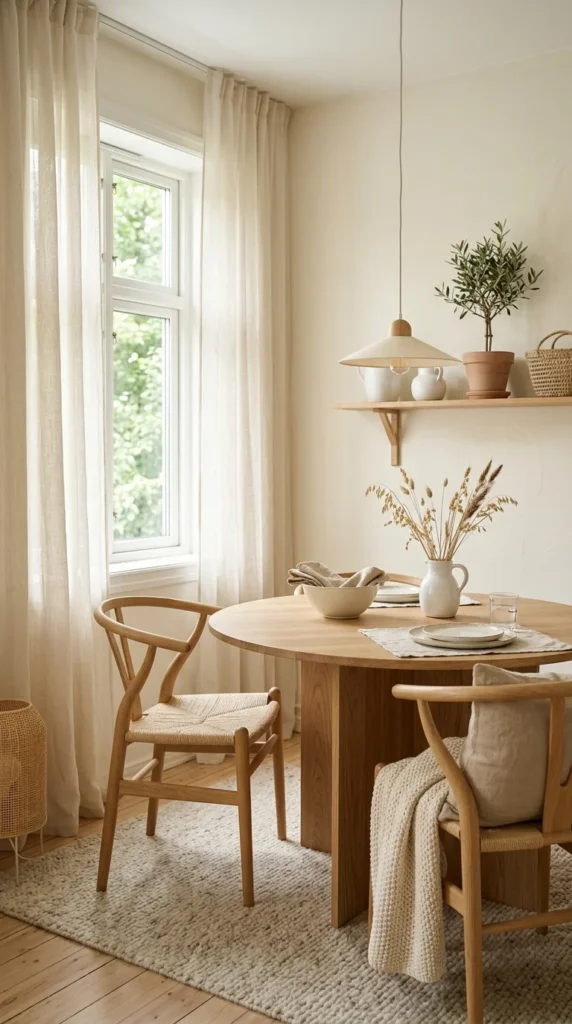
Color psychology plays a massive role in how we perceive space. A monochromatic or neutral palette—using whites, creams, and light woods—can make a small dining nook feel much larger than it actually is. By minimizing the contrast between the walls and the furniture, the boundaries of the nook seem to recede. This creates a peaceful, spa-like environment that feels sophisticated and uncluttered.
15. Rug Anchoring
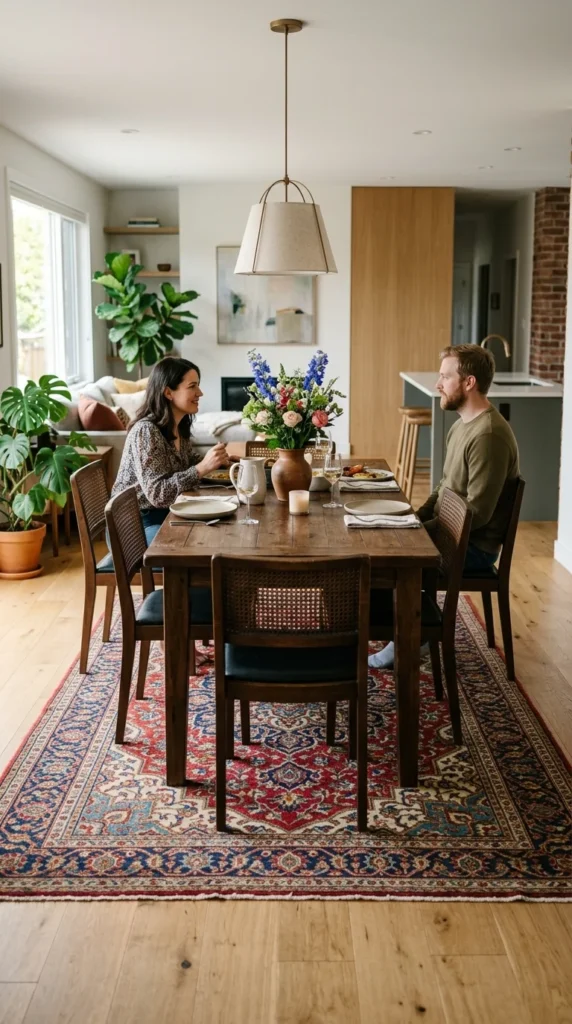
In an open-concept layout, a dining nook can sometimes feel like it’s “floating” in the middle of the room. A rug is the perfect tool to anchor the space. By placing a rug under the table and chairs, you create a clear “island” of function. Choose a low-pile or flat-weave rug for ease of cleaning and to ensure that chairs can slide in and out without getting caught on the fabric.
16. Mirrored Accents
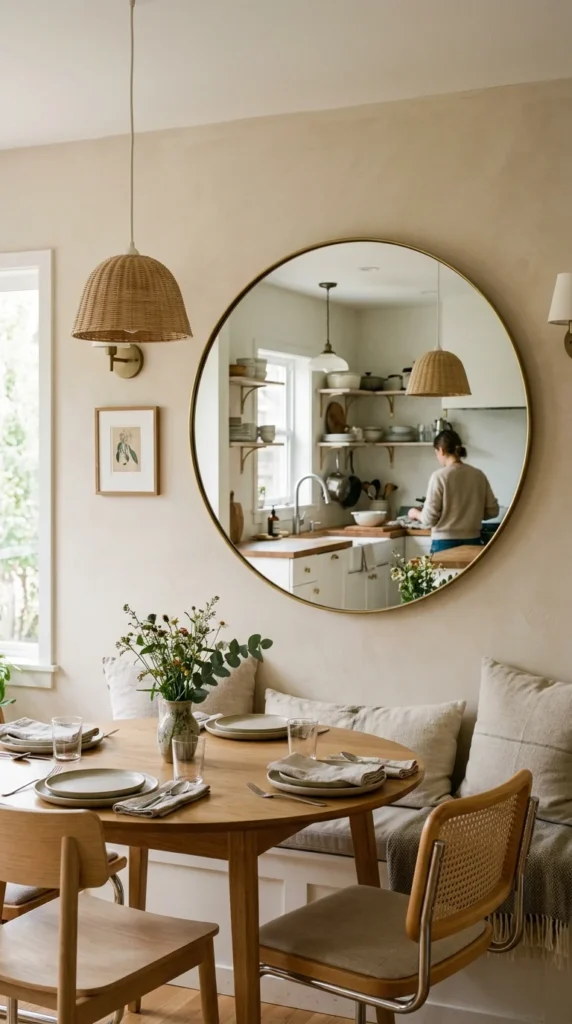
Interior designers have long used mirrors to “cheat” the eye into seeing more space. Placing a large mirror on the wall adjacent to your dining nook reflects light and the rest of the room, creating the illusion of depth. It makes a cramped corner feel like it has an entire other room behind it. Additionally, a stylish mirror serves as a piece of decor that adds sparkle and brightness to the dining experience.
17. Indoor Greenery
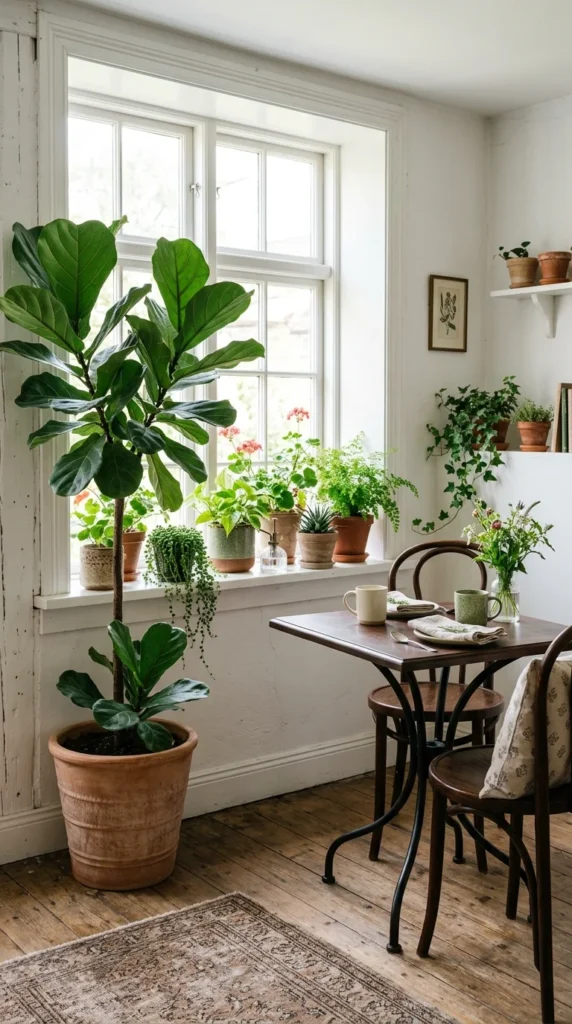
Bringing the outdoors in can make a small nook feel fresh and vibrant. Plants add organic shapes that break up the hard lines of furniture. Whether it’s a collection of small succulents on the table or a tall floor plant tucked into the corner, greenery adds life to the space. It also improves air quality and creates a relaxing, “garden-like” atmosphere that makes the nook feel like a true escape from the hustle and bustle of the kitchen.
18. Textural Layers
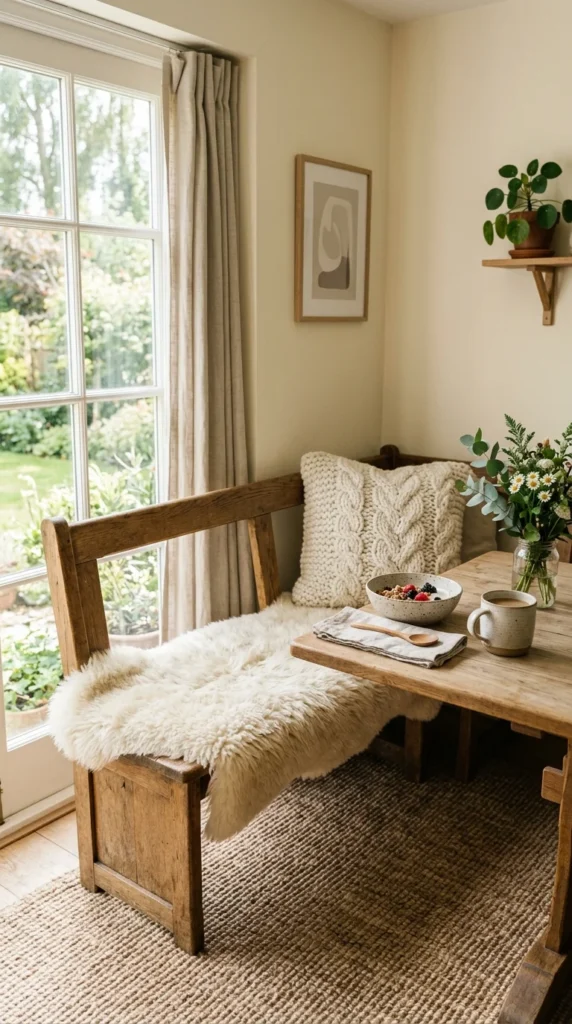
To maximize “coziness,” you need to layer textures. A wooden bench can feel cold and hard on its own; adding a sheepskin throw, a linen cushion, and a jute rug underneath creates a sensory experience that is warm and inviting. Layering different materials adds visual depth and makes the space feel intentional and high-end. This is particularly effective in minimal or modern nooks that might otherwise feel a bit stark.
19. Minimalist Design
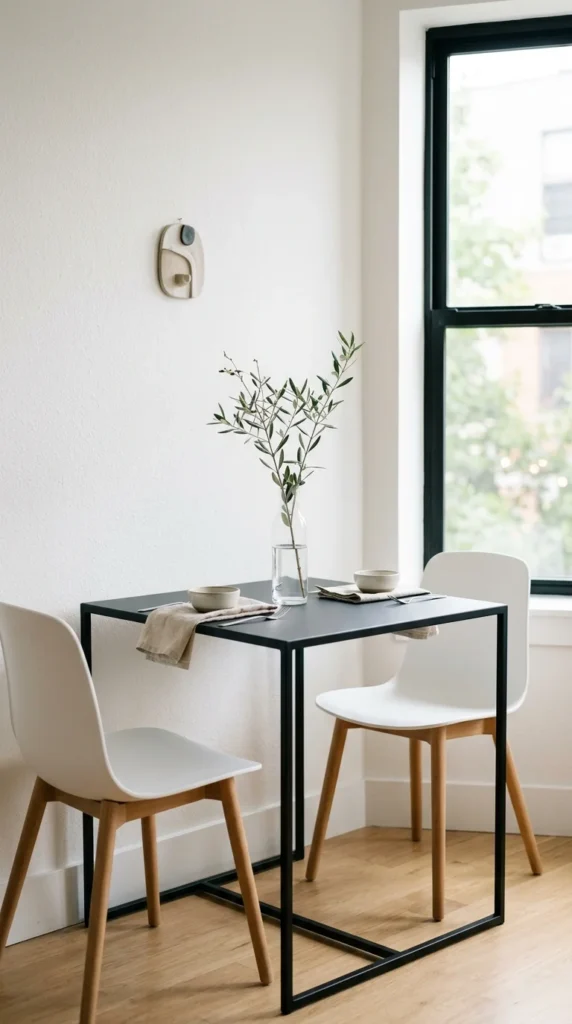
Sometimes, the best way to make every inch count is to use as few inches as possible. A minimalist approach focuses on slim profiles and “leggy” furniture that allows you to see more of the floor. By choosing pieces with a small footprint and clean lines, you prevent the nook from feeling heavy. This style works exceptionally well in contemporary homes where the goal is a sleek, unobstructed look.
20. Color Pops
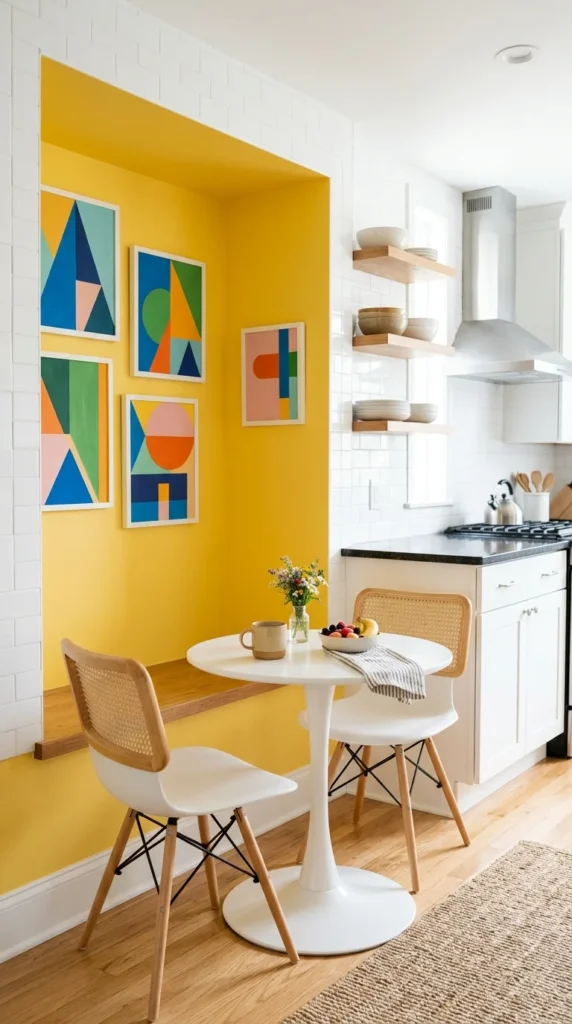
If your kitchen is predominantly white or gray, use your dining nook as an opportunity to inject some personality with a pop of color. Painting the walls of the nook a different shade or choosing vibrant chairs can define the space as a “happy” zone. A bold color choice draws the eye directly to the nook, making it a feature of the home rather than just a functional necessity. It’s a low-cost, high-impact way to make a small space feel grand.