
As urban living spaces continue to shrink and the “tiny home” movement gains momentum, the demand for furniture that does more than just look good has skyrocketed. Maximizing a small footprint requires a shift in perspective: seeing walls as storage opportunities, floors as convertible surfaces, and single pieces of furniture as multi-functional tools. Smart furniture isn’t just about technology; it’s about clever engineering and thoughtful design that allows a single room to serve as a bedroom, office, and dining area simultaneously.
The following twelve furniture ideas represent the pinnacle of space-saving innovation, blending aesthetic appeal with practical utility to ensure that no square inch of your home goes to waste.
1. Murphy Beds
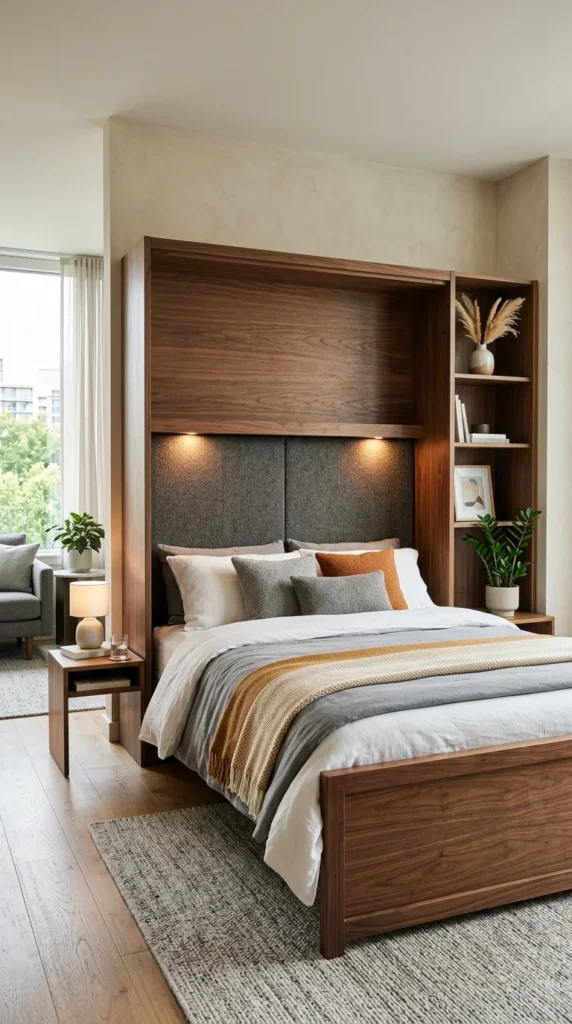
The Murphy bed, or wall bed, is perhaps the most iconic space-saving solution in history. Originally patented in the early 1900s, modern iterations have evolved far beyond the squeaky, utilitarian models of the past. Today’s Murphy beds are integrated into high-end cabinetry that can include built-in desks, bookshelves, or even sofas.
When the bed is tucked away, the room is completely transformed into a functional daytime area. This is particularly effective for studio apartments where the presence of a permanent bed can make the space feel cramped and strictly “residential.” By reclaiming the floor space occupied by a mattress, you effectively double the usable square footage of your primary living area during the day.
2. Nesting Tables
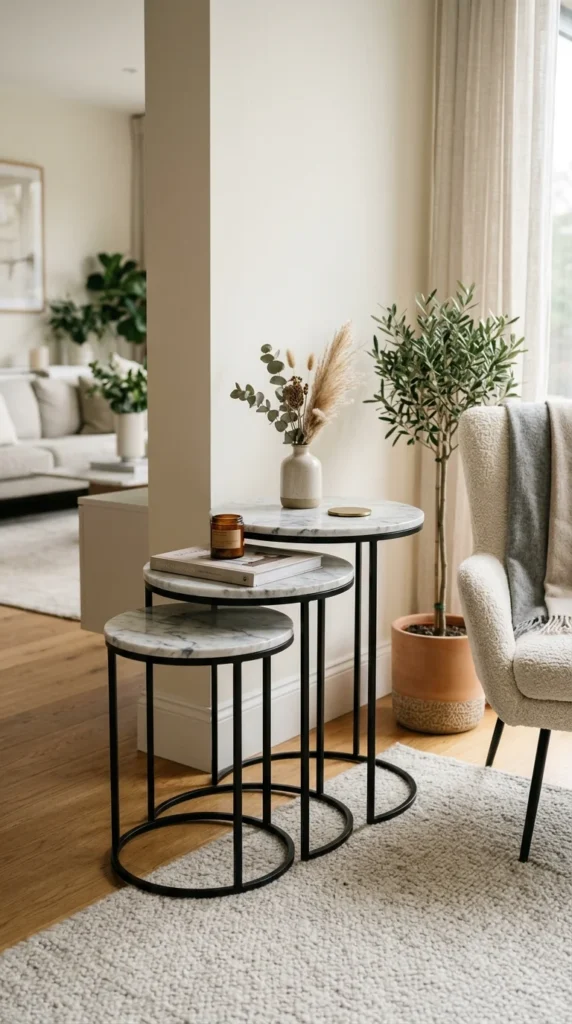
Nesting tables are the ultimate “now you see them, now you don’t” accessory. Typically sold in sets of two or three, these tables are designed to stack neatly on top of one another, occupying the footprint of only the largest table.
In a small living room, they serve as a single side table for daily use. However, when guests arrive or when you need extra surface area for a project, they can be spread out across the room to provide individual spots for drinks, snacks, or laptops. Their tiered height also adds a sense of depth and visual interest to a room’s decor, making them as stylish as they are functional.
3. Storage Ottomans
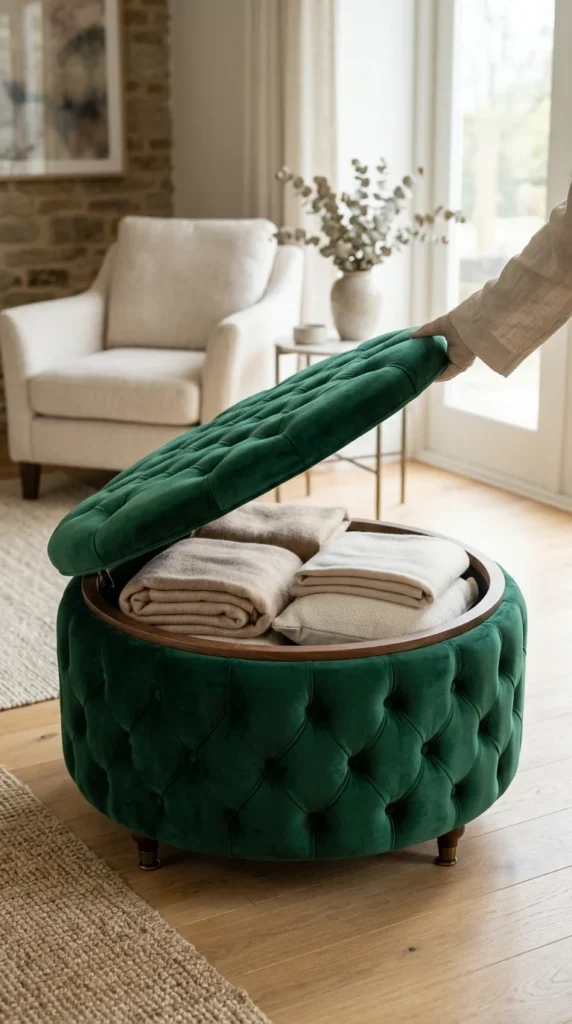
The storage ottoman is a triple threat: it serves as extra seating, a comfortable footrest, and a hidden treasure chest for clutter. In small homes, “visual noise”—the clutter of blankets, magazines, or remote controls—can make a space feel even smaller.
By utilizing an ottoman with a hollow center, you can hide these essentials in plain sight. Some models even feature a “flip-top” lid that is padded on one side and flat wood on the other, allowing the ottoman to double as a coffee table. It is one of the most cost-effective ways to add utility to a living room without adding bulk.
4. Wall Desks
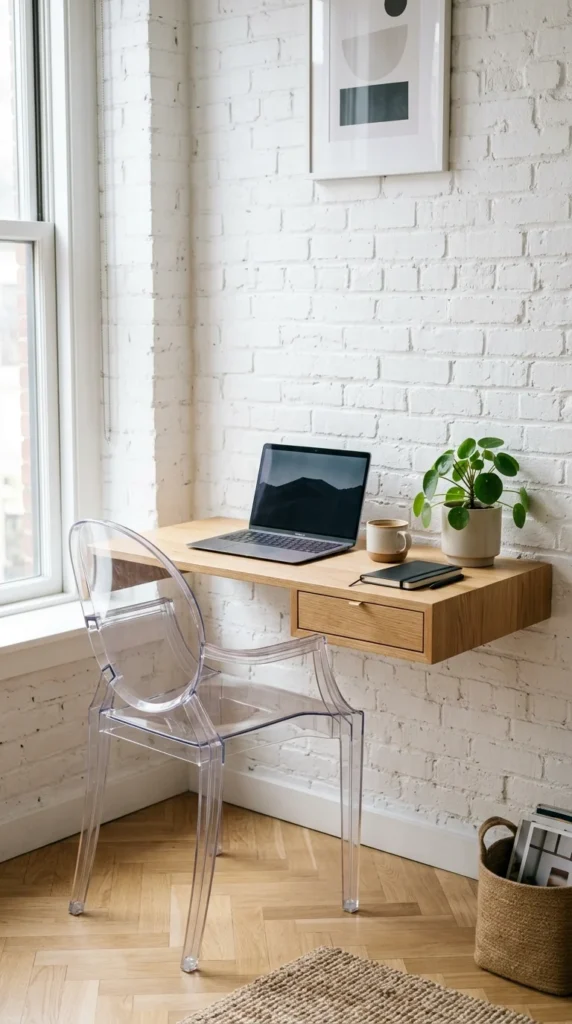
As remote work becomes the norm, the need for a home office has never been greater. However, a traditional desk can be a massive space-hog. Wall-mounted desks, or “floating” desks, eliminate the need for bulky legs, creating a lighter visual profile and leaving the floor clear for storage bins or a chair.
Some designs, often called “secretary” wall desks, feature a fold-down front that serves as the work surface. When the workday is over, you simply fold the desk back up against the wall, effectively “closing” your office and mentally transitioning back to home life. This vertical approach to workspace design is essential for narrow hallways or small bedroom corners.
5. Sofa Beds
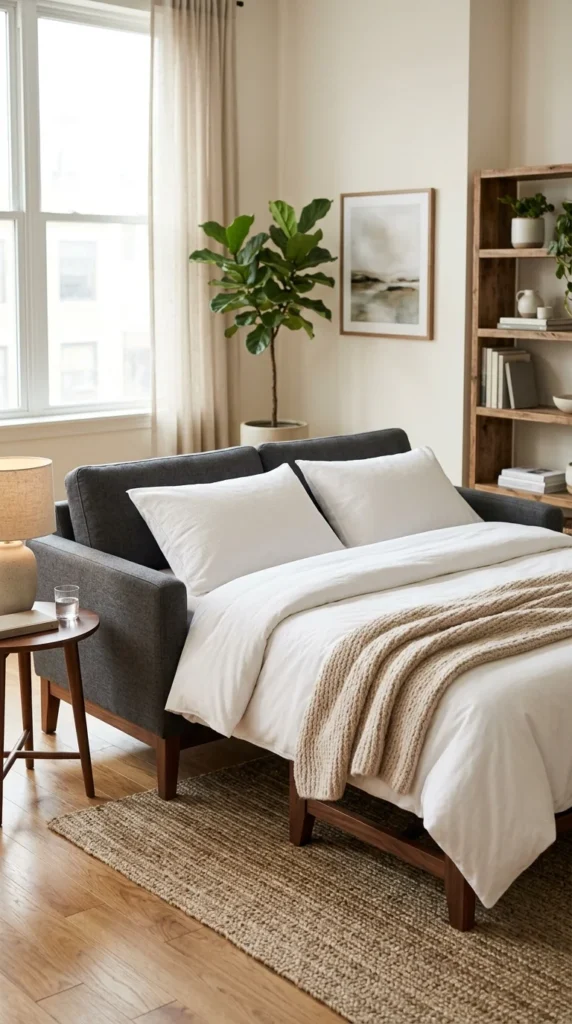
The sofa bed has undergone a revolution in comfort. No longer synonymous with thin mattresses and painful metal bars, modern sleeper sofas utilize high-density foam or hybrid pocket-coil systems.
For those living in one-bedroom apartments who still wish to host overnight guests, the sofa bed is a non-negotiable. It allows the living room to function as a secondary bedroom without the need for a dedicated guest suite. High-quality designs now focus on the “quick-conversion” mechanism, allowing the transition from sitting to sleeping to happen in seconds.
6. Expandable Tables
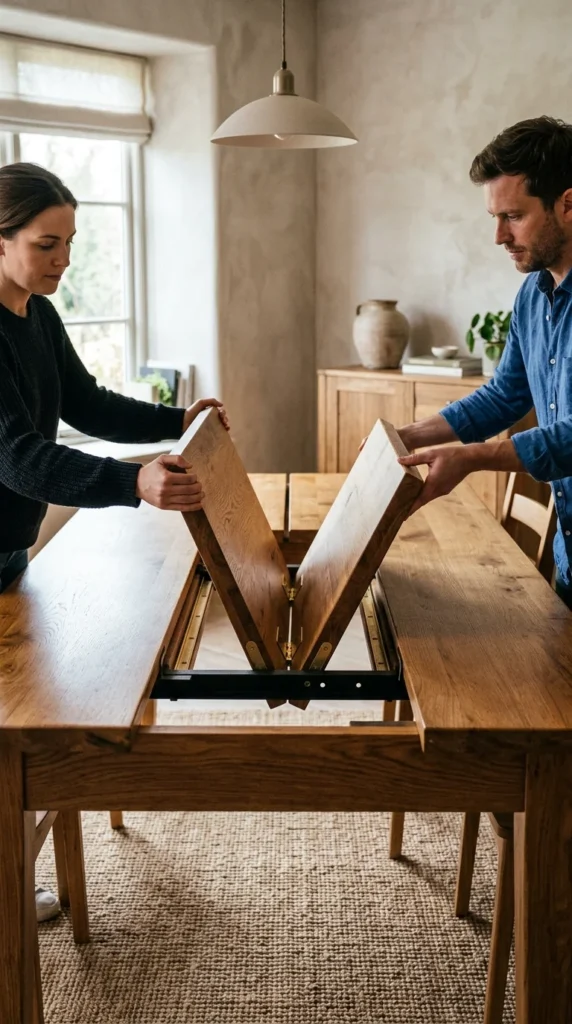
A large dining table is a luxury many small homes cannot afford on a daily basis. Expandable dining tables solve this by offering a compact footprint for daily meals and a generous surface for entertaining.
The most innovative versions use “butterfly leaves”—self-storing panels that hide beneath the tabletop and flip into place when the table is pulled apart. This eliminates the need to find a closet to store extra table leaves. Whether it’s a console table that transforms into a dining table for six or a small bistro table that expands for four, these pieces ensure you’re always ready for a dinner party.
7. Loft Beds
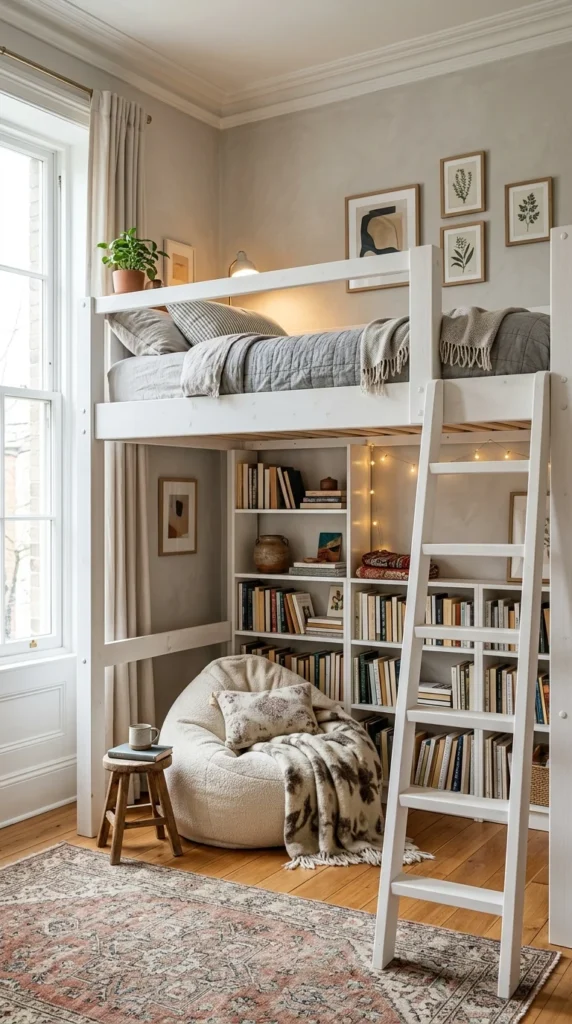
Loft beds aren’t just for college dorms anymore. By elevating the sleeping area, you essentially create an entire new “room” underneath. In high-ceilinged apartments, this is the most efficient way to maximize vertical space.
The area beneath a loft bed can be used for a variety of purposes: a walk-in closet, a full-sized home office, or even a small lounge area with a loveseat and TV. This separation of “zones” (sleeping above, living below) helps create a sense of architectural complexity in a small studio, making the home feel larger and more organized.
8. Modular Seating
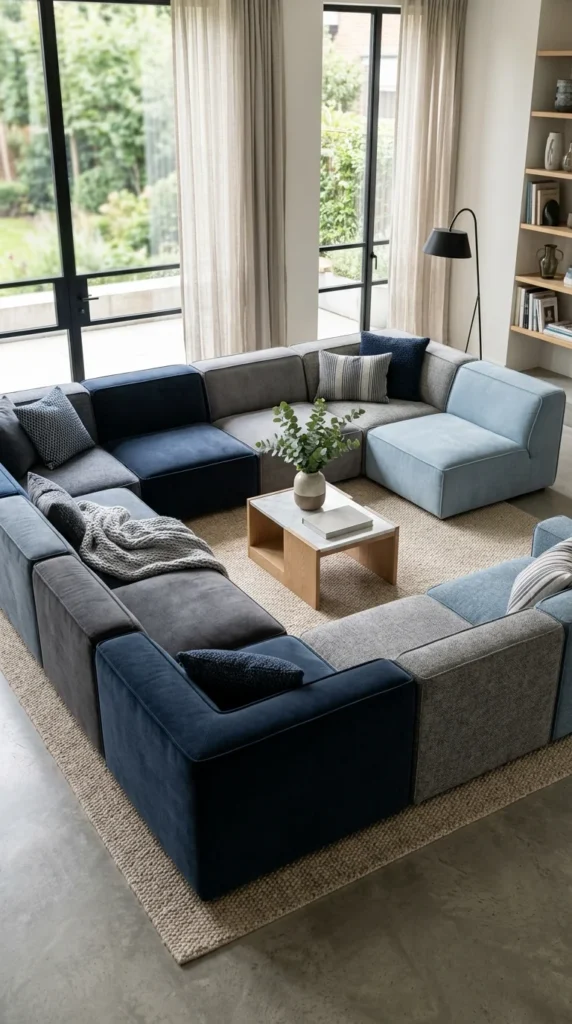
Fixed-shape sofas can be a nightmare when moving or redecorating. Modular seating consists of individual “blocks” or sections that can be rearranged like LEGO pieces.
If you move to a home with a different layout, you can reconfigure your L-shaped sectional into a long straight sofa or even two separate loveseats. Some modular systems even include pieces with built-in storage or USB ports. This adaptability ensures that your furniture grows and changes with your lifestyle, preventing the need to buy new pieces every time your living situation shifts.
9. Under-Stair Storage
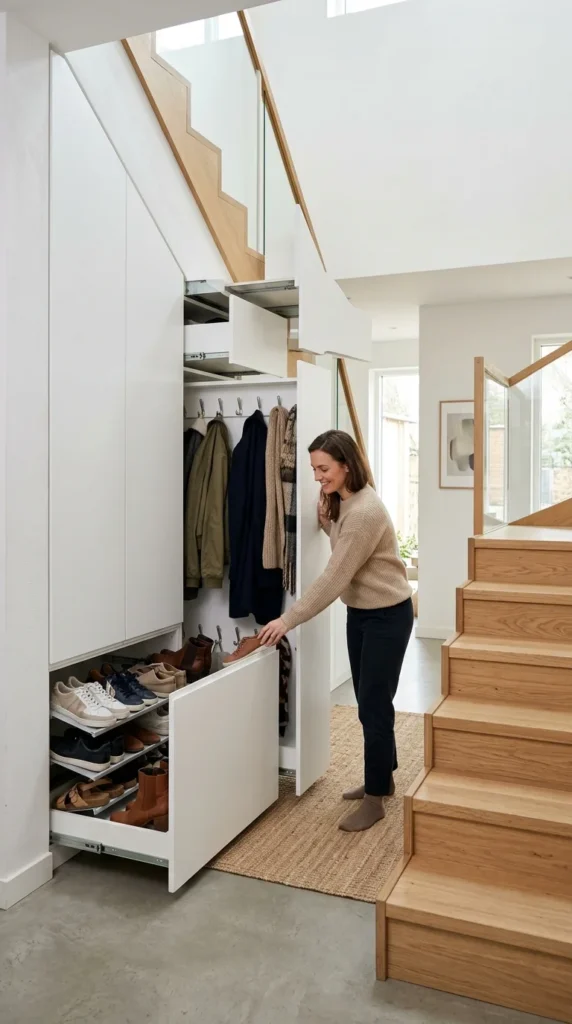
The triangular space beneath a staircase is often left as dead space or a cluttered closet. Smart furniture design treats this area as a prime storage opportunity.
Custom-built pull-out drawers that follow the angle of the stairs can hold everything from shoes and coats to pantry items or a wine collection. By integrating storage directly into the architecture of the home, you reduce the need for freestanding wardrobes and cabinets, which can make hallways and entryways feel claustrophobic.
10. Folding Chairs
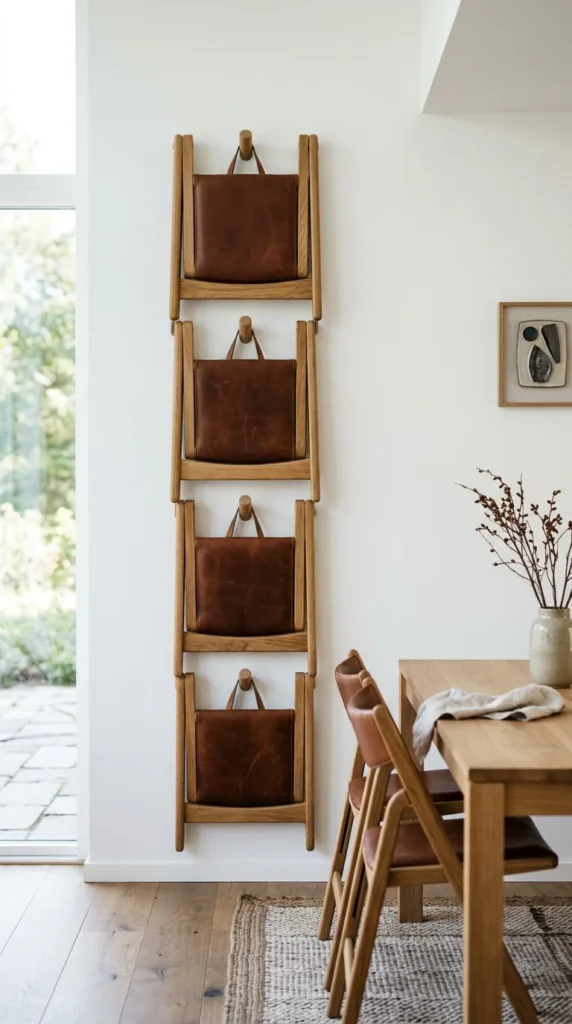
Extra seating is a necessity for hosting, but keeping six dining chairs in a small kitchen is rarely practical. The modern folding chair has been reimagined as a piece of high-end design.
Look for chairs that fold completely flat (some as thin as two inches). These can be tucked behind a sofa, stored under a bed, or even hung on the wall as a piece of functional art. When you have guests, you can bring them out in seconds. The key is choosing designs with ergonomic support, ensuring that “temporary” seating doesn’t mean “uncomfortable” seating.
11. Storage Mirrors
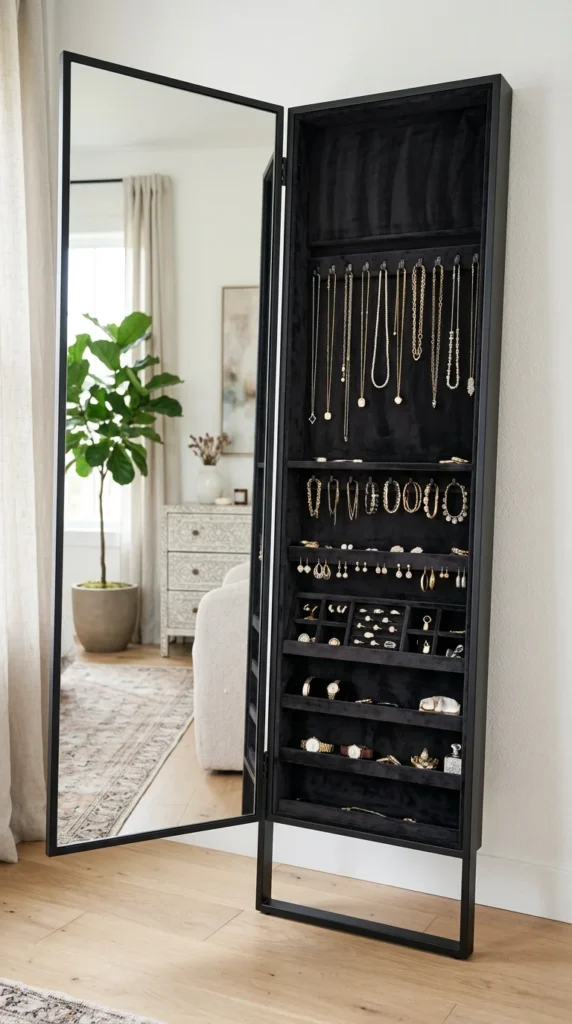
Mirrors are a well-known trick for making a small room feel larger by reflecting light and creating the illusion of depth. A storage mirror takes this a step further by utilizing the space behind the glass.
Often used in bedrooms or entryways, these pieces open up to reveal hidden compartments for jewelry, makeup, or accessories. In a bathroom, a recessed medicine cabinet with a mirrored front serves the same purpose. It’s a “two-in-one” solution that declutters your dresser or vanity while providing a necessary daily tool.
12. Lift-Top Coffee Tables
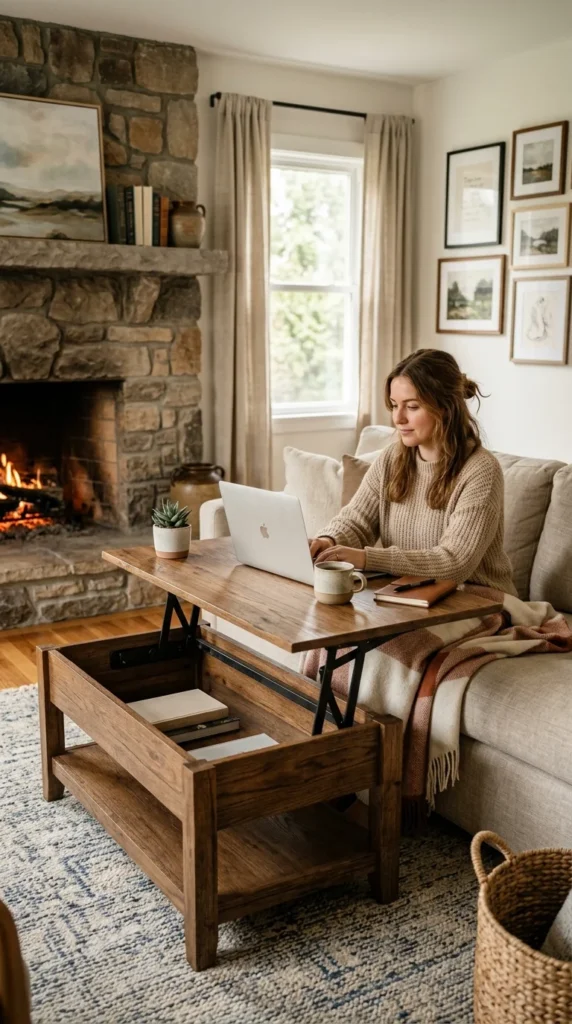
For many, the coffee table is the center of the living room, but its height is usually too low for eating or working. A lift-top coffee table features a mechanical hinge that allows the tabletop to rise and move toward the sofa.
This creates an ergonomic surface for a laptop or a dinner plate, effectively turning your sofa into a workstation or a dining booth. Additionally, the space beneath the lifting top provides a large storage trunk for items you want to keep within reach but out of sight, such as gaming controllers or magazines. It is the ultimate piece for those who live, work, and relax in the same small space.