

For a bibliophile, a book is more than just a collection of pages; it is an invitation to another world. However, the quality of that journey is often influenced by the environment in which it begins. A dedicated reading corner is not just a luxury; it is a sanctuary that signals to the brain it is time to slow down, focus, and escape. Whether you have an entire spare room or just a forgotten corner of a hallway, creating a reading nook is about maximizing comfort, lighting, and personal style.
In this guide, we explore twelve diverse and inspiring reading corner ideas that cater to different aesthetics and space constraints, ensuring every reader can find their perfect domestic retreat.
1. Window Nooks
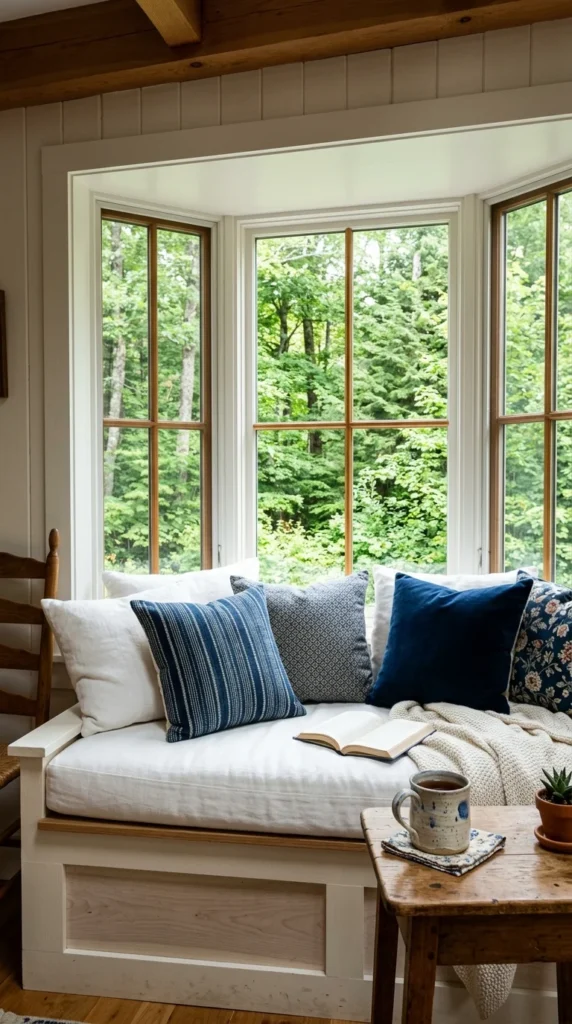
The classic window nook is perhaps the most coveted reading spot. By utilizing the natural light of a bay window or a deep windowsill, you create a space that connects you with the outside world while keeping you sheltered within. The key to a successful window nook is the upholstery. A thick, custom-fitted foam cushion covered in a durable fabric like linen or velvet provides the necessary support for long reading sessions.
Incorporate built-in drawers beneath the seat to store extra blankets or your “to-be-read” (TBR) pile. To make it functional for evening reading, add a sleek swing-arm wall sconce that can be adjusted to shine directly on your pages once the sun goes down.
2. Attic Retreats
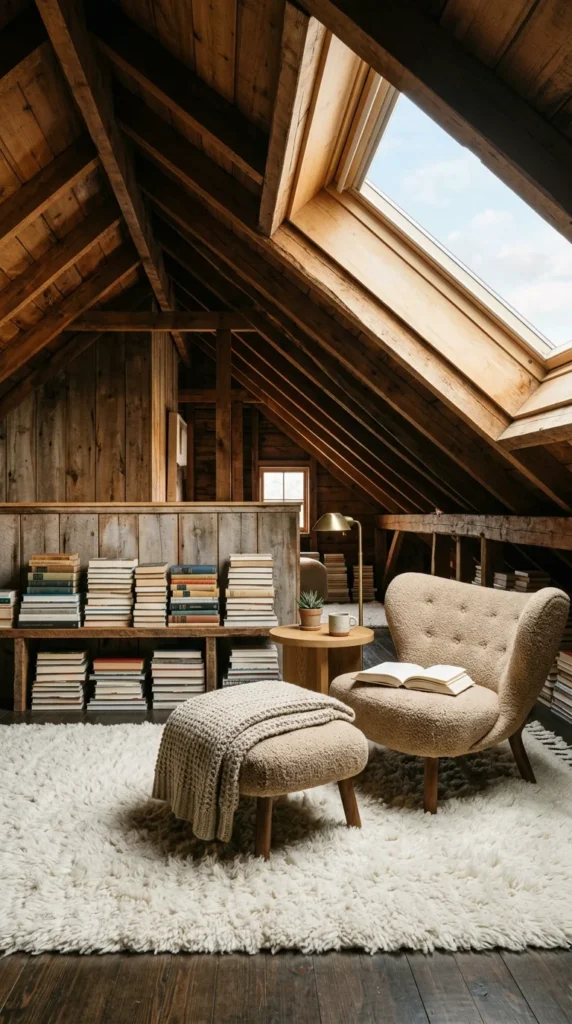
There is something inherently magical about an attic. The slanted ceilings and tucked-away nature of the space provide a sense of privacy that is hard to find elsewhere in a busy home. If you have an unfinished attic, consider transforming a small section into a literary hideaway.
Exposed wooden beams can add a rustic, cabin-like feel, while a skylight offers a direct view of the clouds or stars, making it a perfect spot for atmospheric reads. Because attics can sometimes be chilly, prioritize warmth by layering sheepskin rugs and heavy wool throws. A low bookshelf that follows the slope of the ceiling can maximize storage without making the space feel cramped.
3. Floor Cushions
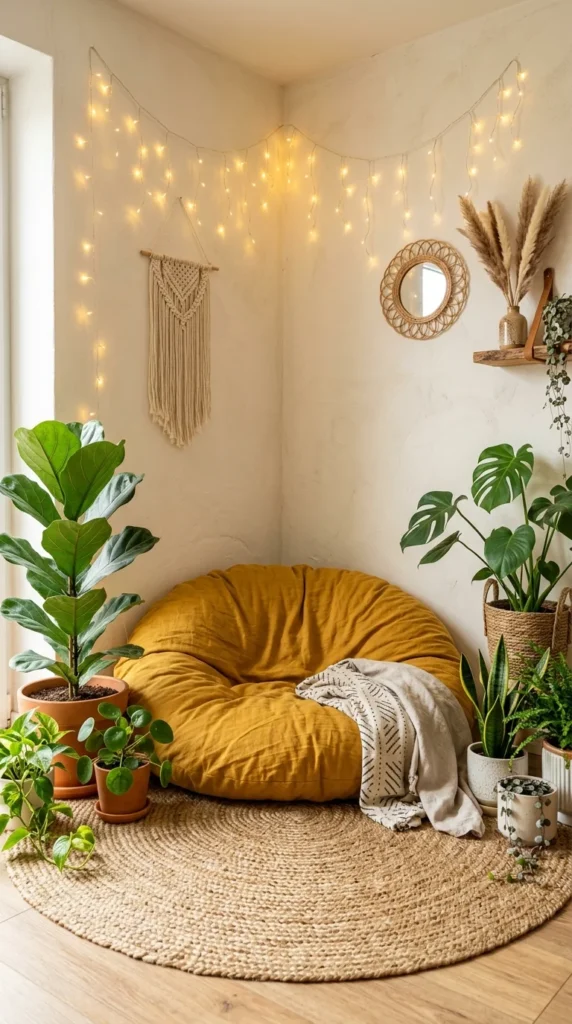
Not every reading corner requires traditional furniture. For those who prefer a more grounded, bohemian aesthetic, a floor-based reading nook is both cost-effective and incredibly cozy. Start with a plush area rug to define the space, then layer several large floor cushions or a Japanese-style tatami mat.
This setup is particularly beneficial for readers who like to shift positions frequently—stretching out on your stomach, leaning against the wall, or sitting cross-legged. Surround the area with greenery; the presence of indoor plants like Monstera or Snake Plants can improve air quality and create a calming, “indoor jungle” vibe that enhances the reading experience.
4. Hanging Chairs
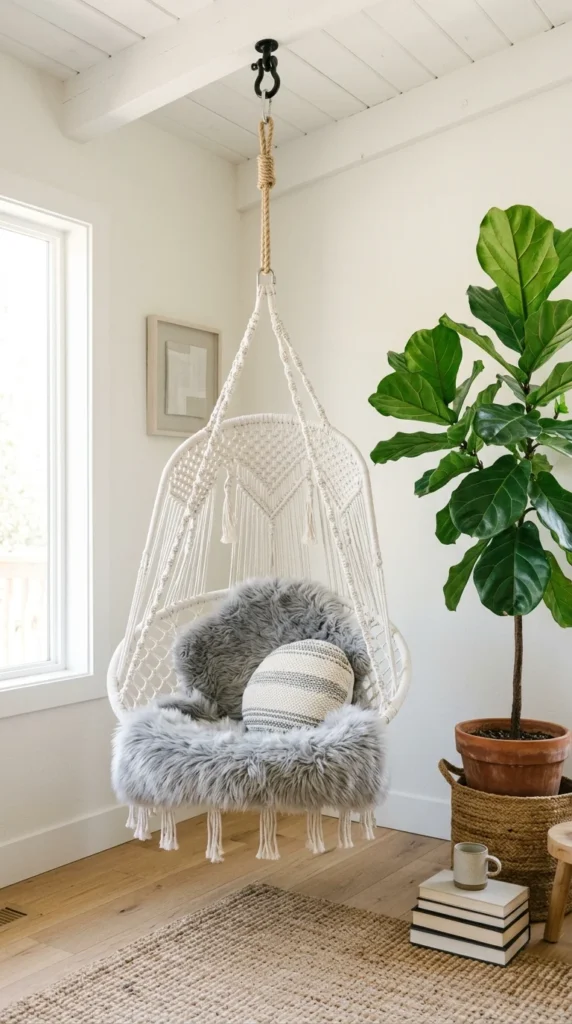
Adding a sense of whimsy and movement to your home, a hanging chair is a playful yet sophisticated choice for a reading nook. Whether it is a macrame swing, a wicker egg chair, or a clear acrylic “bubble” chair, the gentle swaying motion can be incredibly relaxing and help you sink deeper into a story.
Since hanging chairs are focal points, they work best in corners with a bit of breathing room. Ensure the chair is installed into a ceiling joist for safety. To make it a functional reading spot, place a small C-shaped side table nearby to hold your coffee or tea, as balancing items inside a moving chair can be a challenge.
5. Under-Stair Storage
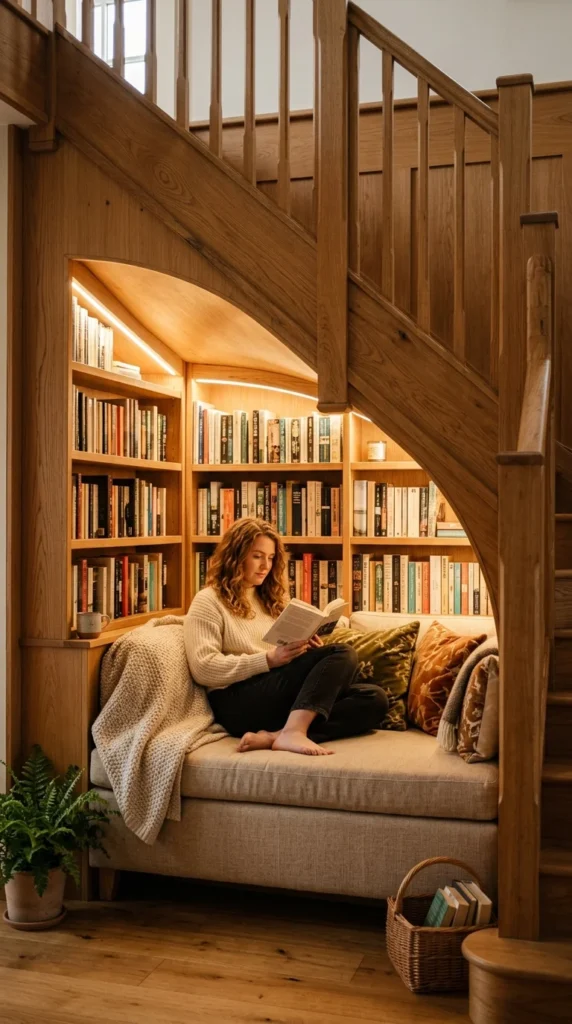
If you live in a smaller home or apartment, you have to get creative with “dead space.” The area beneath a staircase is often underutilized or used for cluttered storage. By clearing it out and installing a built-in bench and shelving, you can create a “Harry Potter-esque” sanctuary that feels tucked away from the rest of the household.
To prevent the space from feeling dark or claustrophobic, use light-colored paint and integrated LED lighting. Mirrored accents or glass-fronted cabinet doors can also help bounce light around the small enclosure. This is an excellent way to turn an architectural necessity into a design feature.
6. Dark Academia
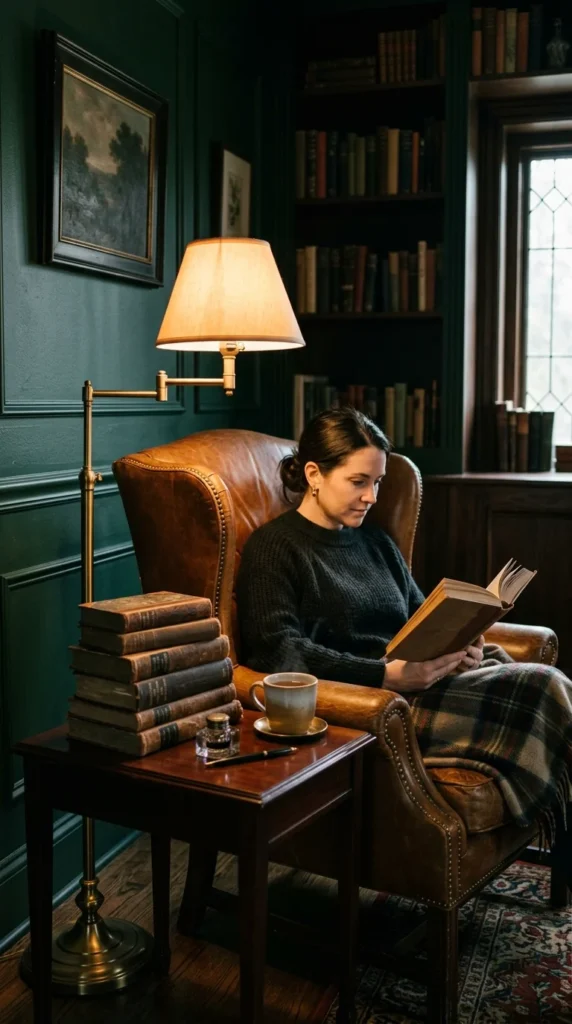
For those who love the aesthetic of old universities and secret societies, the Dark Academia style is the ultimate choice. This look relies on a rich, moody color palette—think forest greens, deep burgundies, and charcoal greys. A vintage leather wingback chair is the centerpiece here, providing a sense of gravitas and history.
Lighting should be warm and localized. A brass Banker’s lamp or a vintage floor lamp with a pleated shade creates the perfect “study” atmosphere. Decorate the surrounding area with globes, framed botanical prints, and, of course, as many hardback books as you can fit. This style is less about “airy and bright” and more about “cozy and intellectual.”
7. Outdoor Terraces
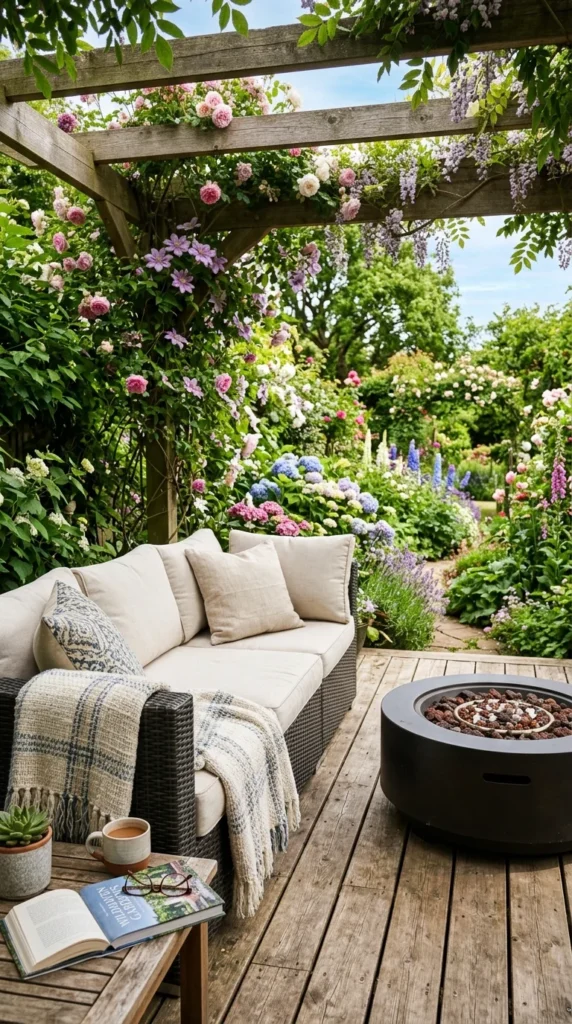
Reading doesn’t have to be an indoor activity. If you have a porch, balcony, or garden, you can create an alfresco reading retreat. The key is to use weather-resistant materials that can withstand the elements while still feeling soft. Outdoor-grade fabrics and wicker furniture are perfect for this.
Consider the direction of the sun; an umbrella or a pergola can provide necessary shade during the heat of the day. To extend the usability of your outdoor nook into the evening, add a small portable fire pit or several lanterns with flickering LED candles. The sound of birds chirping or wind rustling through leaves provides a natural white-noise machine that complements any book.
8. Minimalist Nooks
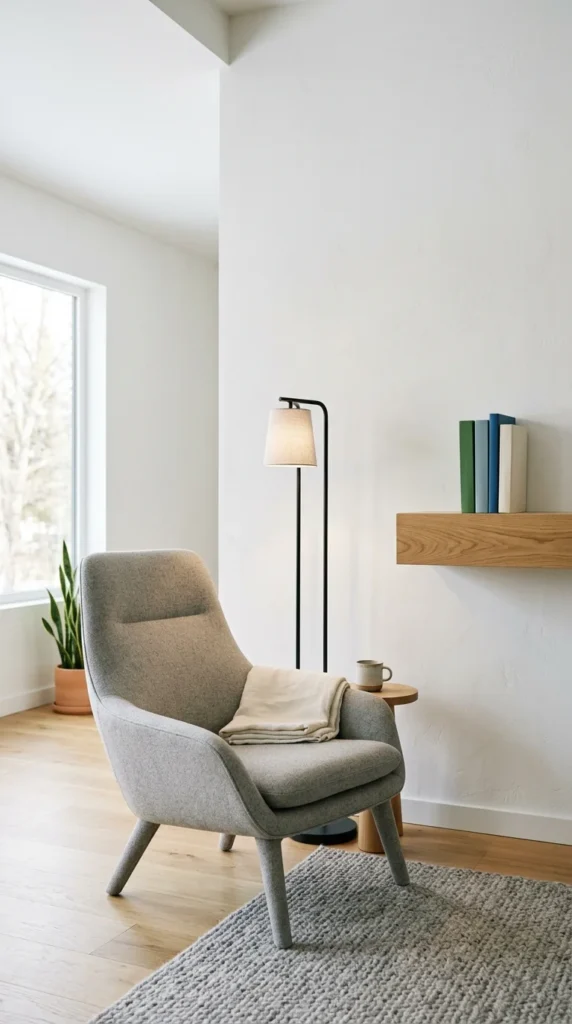
For the reader who finds cluttered spaces distracting, a minimalist approach offers a breath of fresh air. This style focuses on “quality over quantity.” Choose one high-quality ergonomic chair that supports the spine, a single light source, and a neutral color palette.
The absence of visual noise allows the reader to focus entirely on the text. In a minimalist nook, a floating shelf is often better than a bulky bookcase. This setup works exceptionally well in modern apartments where clean lines and open spaces are prioritized. The beauty of this design lies in its simplicity and the intentionality of every piece of furniture.
9. Greenhouse Sanctuaries
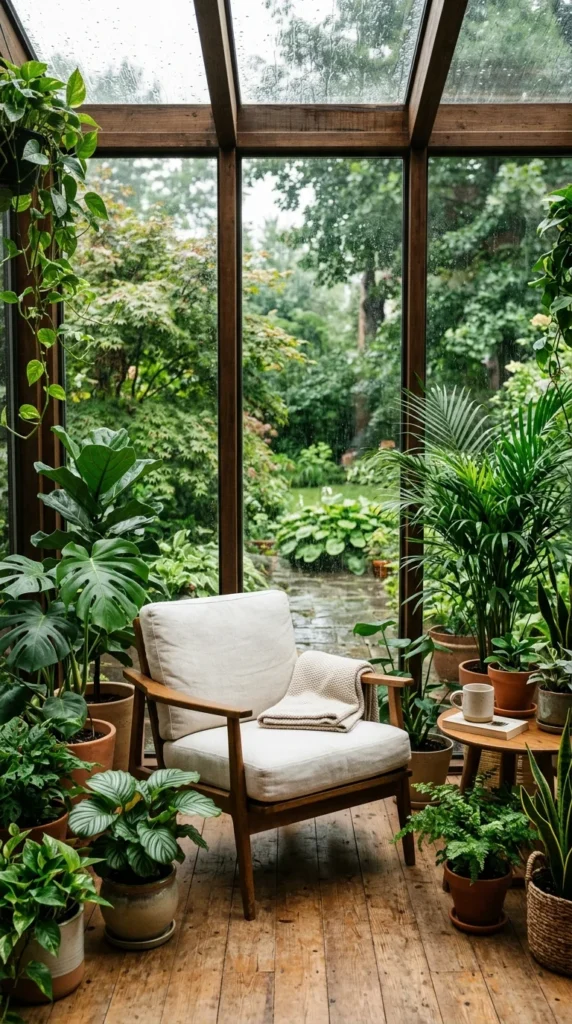
Blur the lines between the indoors and outdoors by placing your reading corner in a sunroom or a plant-heavy area of your home. The color green is known to reduce stress and improve concentration, making a “greenhouse” style nook ideal for challenging non-fiction or sprawling epics.
Use natural materials like rattan, bamboo, and unfinished wood to complement the botanical theme. If you don’t have a sunroom, you can recreate this effect by grouping large floor plants around your favorite chair. The combination of oxygen-rich air and natural light creates a refreshing environment that prevents the “eye strain” often associated with marathon reading sessions.
10. Library Ladders
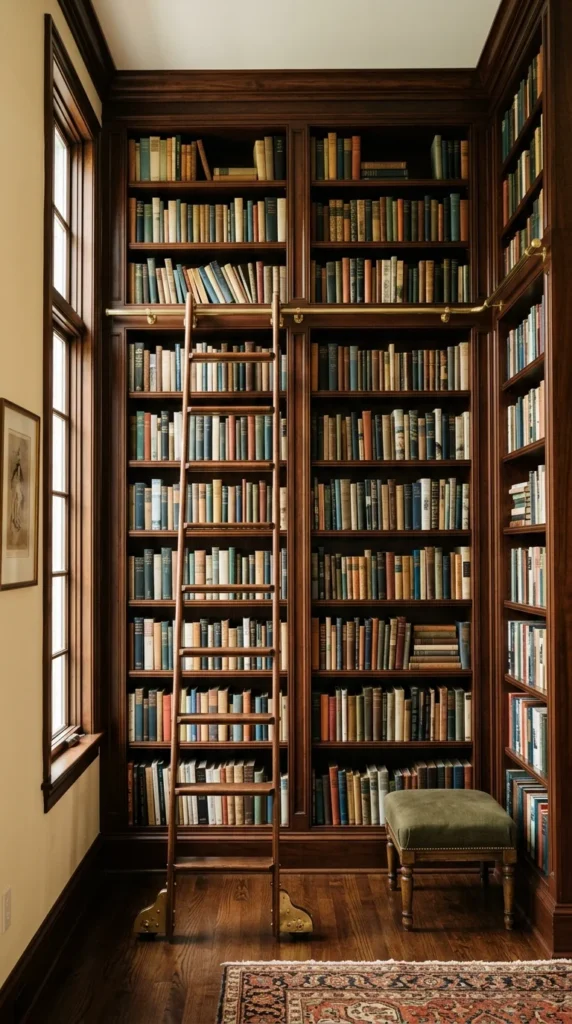
For those who have managed to amass a significant collection, a reading corner that centers around a library ladder is the ultimate dream. High-set shelves utilize vertical space, making even a small room feel grand and expansive. The ladder itself becomes a piece of functional art.
Beside the ladder, keep a small, movable ottoman or a lightweight stool. This allows you to browse your collection comfortably and provides a place to rest your feet once you’ve selected your next read. This setup turns book storage into a focal point of home decor, celebrating the physical beauty of books.
11. Fireplace Settings
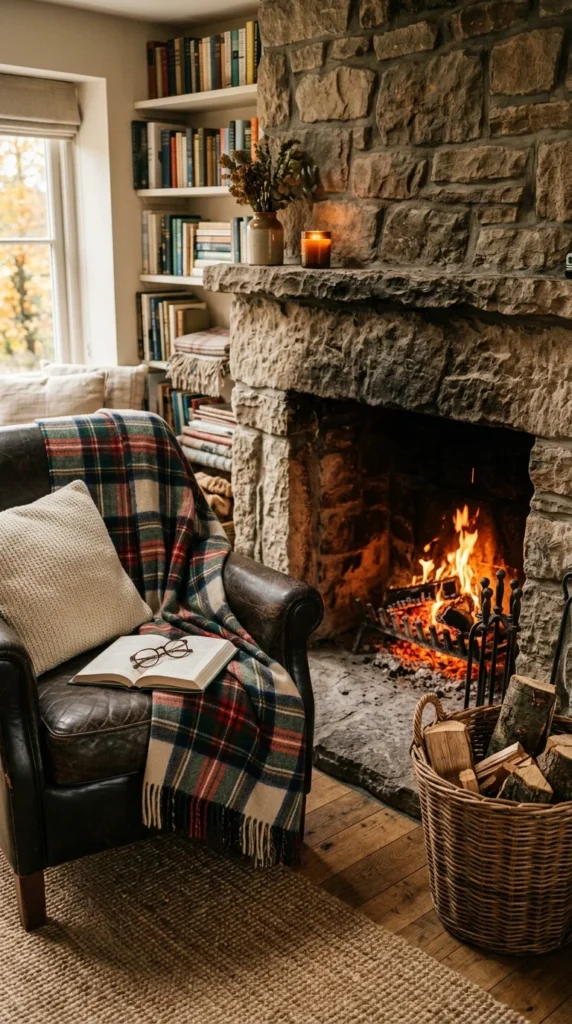
There is no sound more synonymous with cozy reading than the crackle of a fireplace. Positioning a reading chair near the hearth creates a multisensory experience—the warmth of the fire, the scent of woodsmoke, and the soft glow of the flames.
To maximize the coziness, choose “tactile” accessories. Think chunky knit blankets, velvet cushions, and a soft rug underfoot. If you don’t have a real fireplace, a high-quality electric insert or even a grouping of large pillar candles inside a faux-mantel can provide a similar sense of warmth and focal point for your reading corner.
12. Children’s Teepees
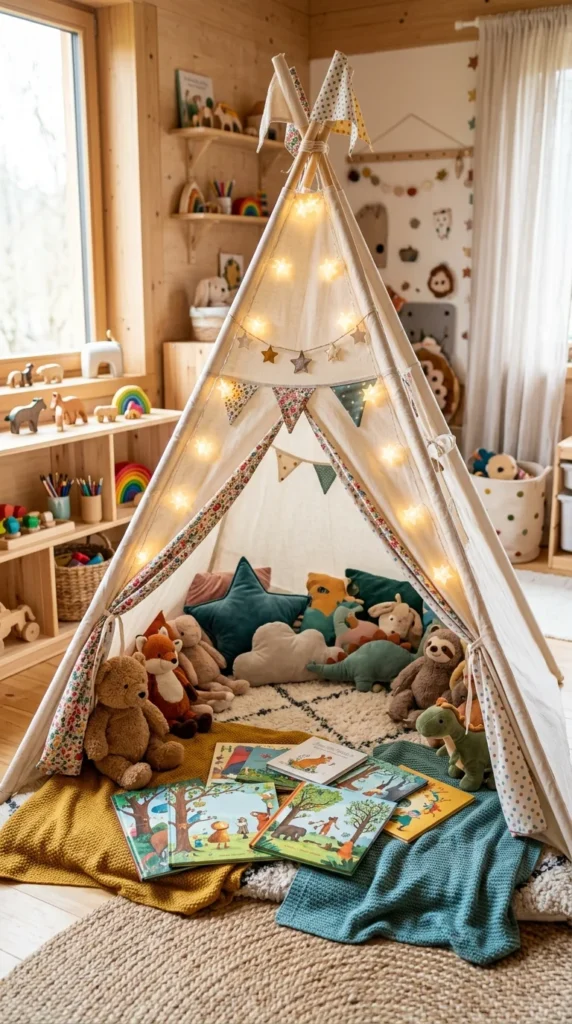
Fostering a love for reading starts at a young age, and a dedicated, playful space can make “book time” the highlight of a child’s day. A canvas teepee provides a sense of enclosure and adventure. Inside, layer the floor with soft mats or a faux-fur rug to make it a comfortable spot for kids to sprawl out.
Incorporate low-level bins or “front-facing” bookshelves so children can easily see the covers of their books and choose what they want to read independently. Adding battery-operated fairy lights inside the tent adds a touch of magic, turning an ordinary corner of a bedroom into a gateway to imaginary lands