

The neutral bedroom is more than just a design trend; it is a lifestyle choice rooted in the desire for serenity, clarity, and timeless elegance. By stripping away the noise of high-contrast colors and busy patterns, a neutral palette allows the focus to shift toward texture, form, and light. Whether you are a fan of the “Clean Girl” aesthetic, Scandinavian minimalism, or Rustic Farmhouse charm, the versatility of neutrals provides a perfect canvas for any personal style.
Creating a neutral space that doesn’t feel “boring” requires a strategic approach to layering. When color is limited, every other element—from the grain of the wood to the weave of the fabric—becomes amplified. Here are 12 beautiful neutral bedroom aesthetic ideas to help you transform your sleeping quarters into a sanctuary of calm.
1. Layered Textiles
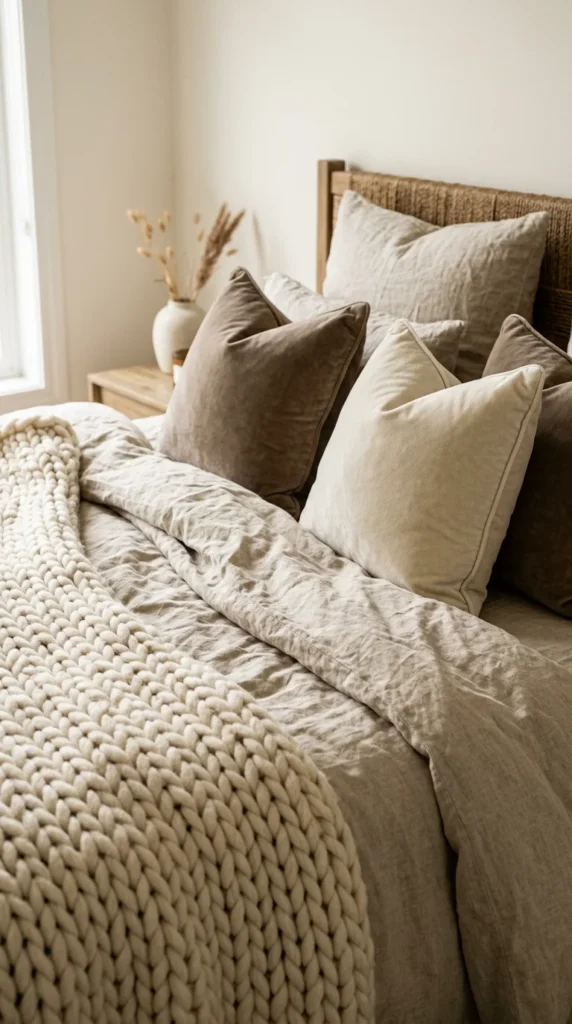
The secret to a successful neutral bedroom lies in texture. Without a variety of materials, a monochromatic room can feel flat and uninviting. To achieve a cozy, high-end look, mix and match different fabrics. Start with a base of crisp cotton or breathable linen sheets. Add a weighted duvet cover, and finish the look with a chunky knit throw or a faux-fur blanket at the foot of the bed. Mixing textures like velvet, silk, and wool creates visual depth that keeps the eye moving and makes the space feel curated rather than clinical.
2. Natural Wood
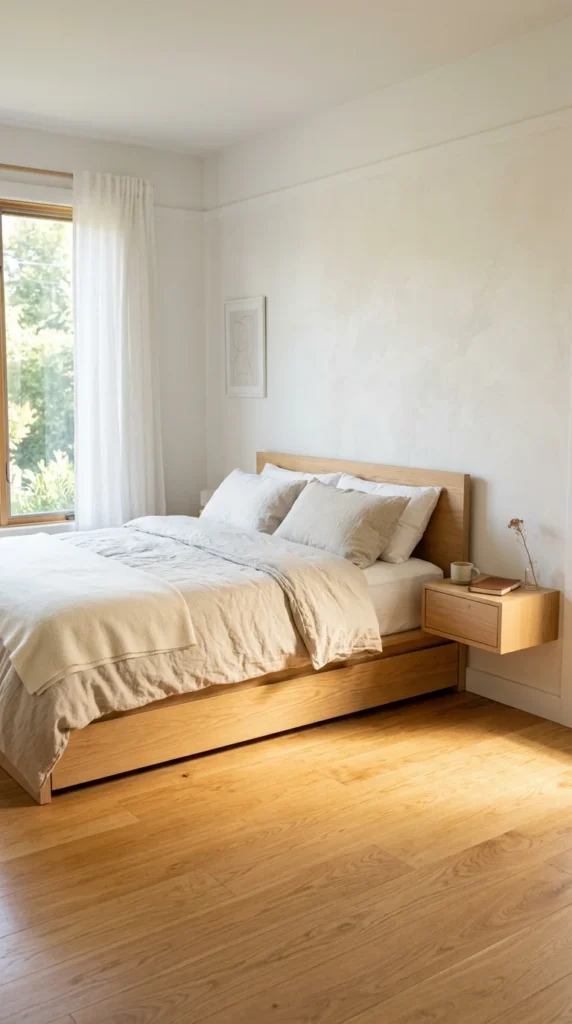
Neutral palettes thrive when paired with organic elements. Incorporating natural wood is the easiest way to inject warmth into a white or beige room. Light woods like white oak, birch, and ash are staples of the Scandinavian and Japandi aesthetics, offering a clean and airy feel. If you prefer a more grounded, traditional look, opt for walnut or reclaimed wood. The natural grain of the timber acts as a “pattern,” providing organic interest that complements a neutral color scheme perfectly.
3. Monochromatic White
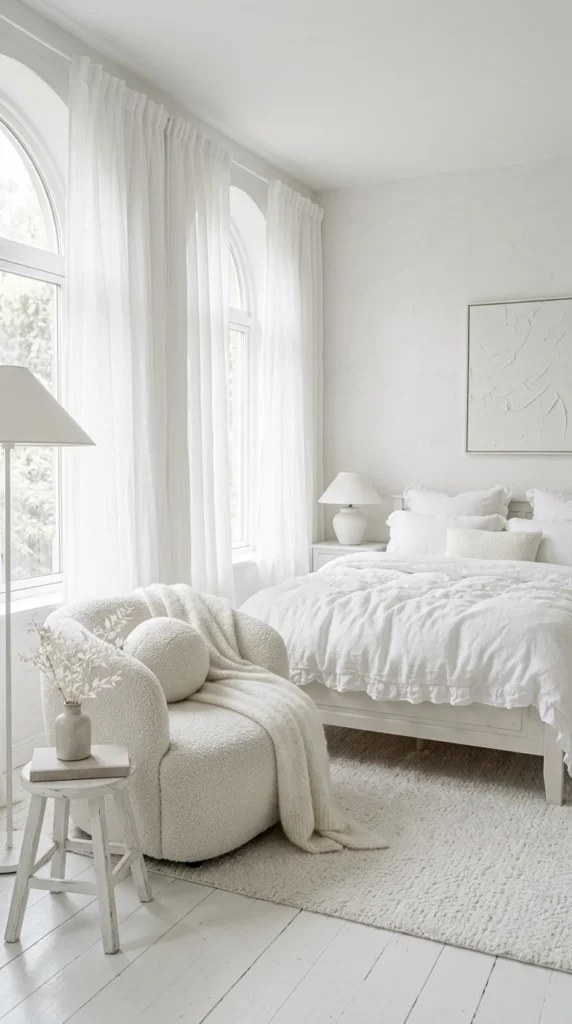
For those who crave ultimate minimalism, a monochromatic white bedroom is the height of sophistication. This aesthetic relies on the play of light and shadow. To prevent the room from looking like a hospital ward, use “off-whites” rather than stark, blue-toned whites. Think cream, ivory, pearl, and alabaster. By using slightly different shades of white for the walls, bedding, and furniture, you create a soft, ethereal glow that makes the room feel expansive and peaceful.
4. Woven Rattan
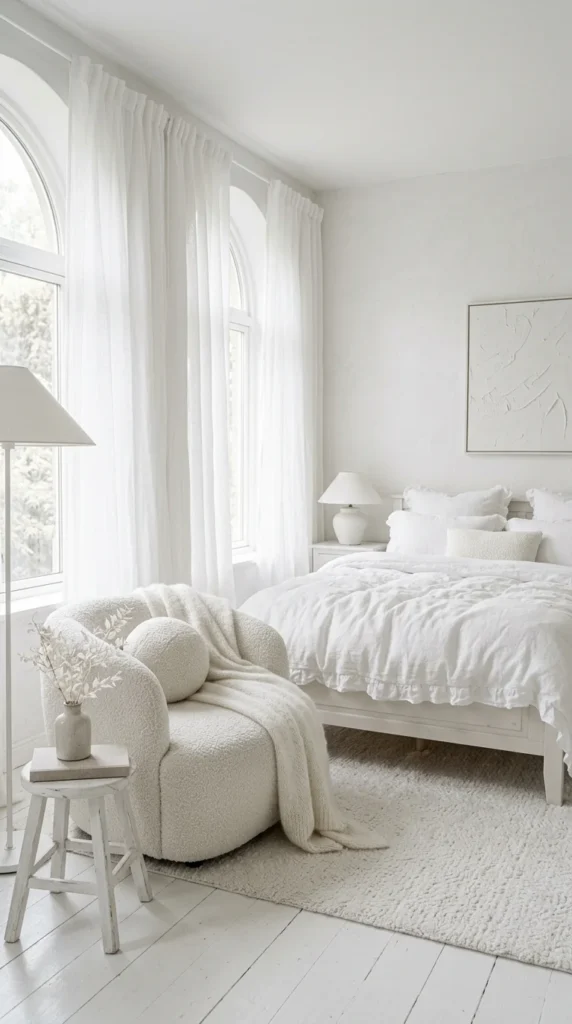
Woven materials like rattan, jute, seagrass, and wicker bring an artisanal, earthy vibe to a neutral bedroom. These elements introduce a “warm” neutral tone—usually a golden tan or honey brown—that breaks up cooler grays or whites. A rattan headboard or a large jute area rug can instantly transform a generic space into a coastal or boho-chic retreat. These materials also add a tactile quality that invites touch, reinforcing the “sensory” experience of the room.
5. Earthy Stones
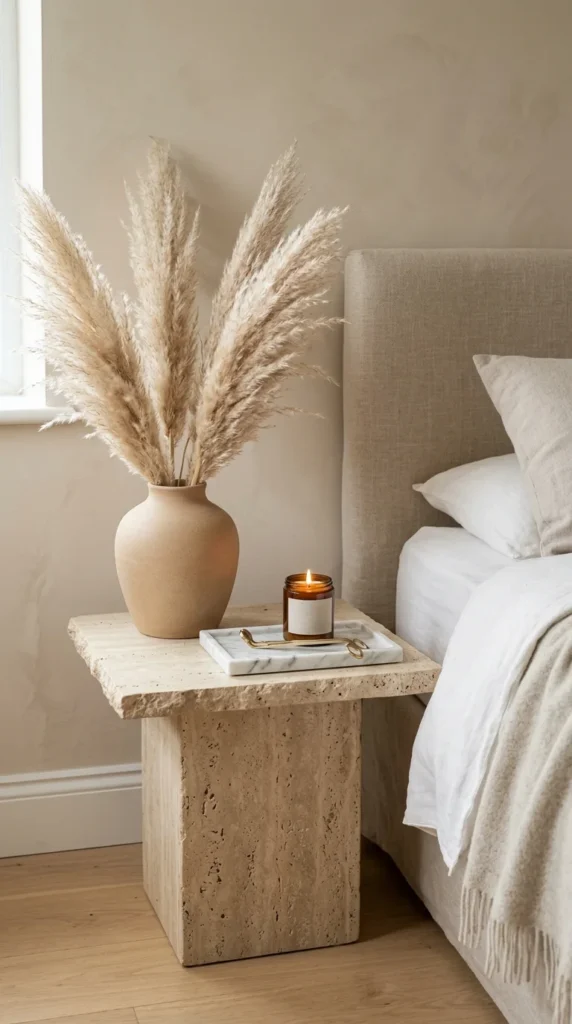
Incorporating stone elements adds a sense of permanence and luxury to a neutral space. Travertine, marble, and limestone are popular choices for nightstands, lamps, or decorative objects. The subtle veining in marble or the porous, matte finish of travertine provides a sophisticated contrast to soft bedding. If a stone furniture piece is out of your budget, consider smaller accents like stone bookends or a ceramic lamp with a stone-like texture to ground the design.
6. Statement Headboards
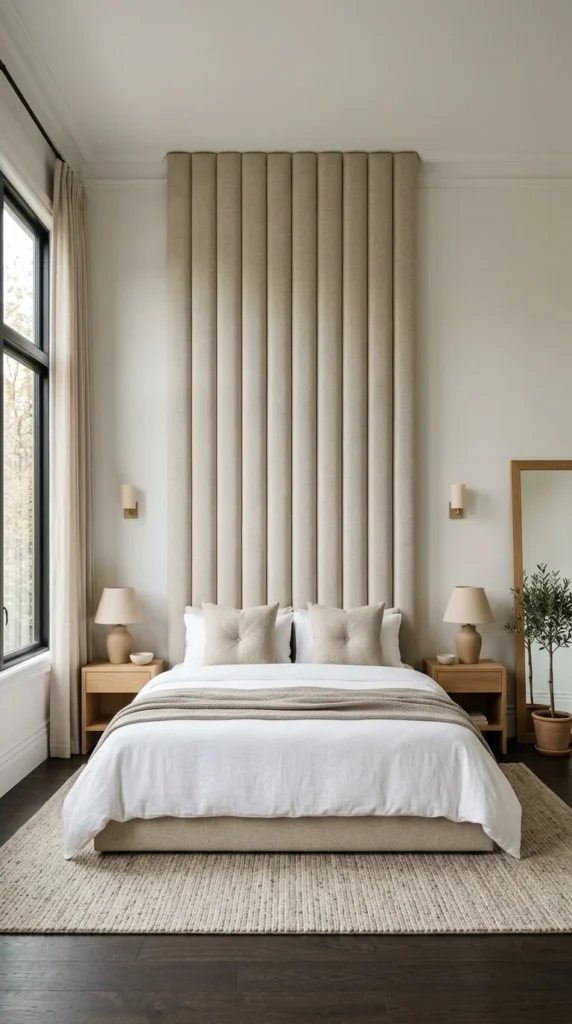
In a room with limited color, a statement headboard becomes the architectural anchor. Oversized, upholstered headboards—especially those that reach toward the ceiling or wrap around the sides of the bed—create a sense of grandeur. Opt for fabrics like bouclé, linen, or brushed suede in a soft taupe or sand color. This not only provides a comfortable backrest for reading but also acts as a piece of functional art that defines the entire “vibe” of the bedroom.
7. Organic Greenery
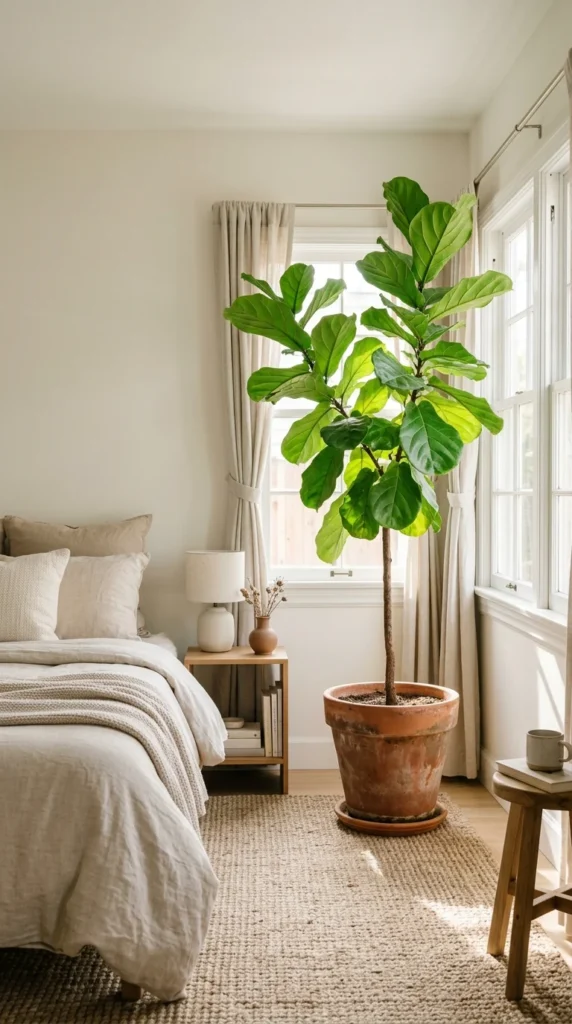
Technically, green is a color, but in the world of interior design, plants are often treated as “living neutrals.” The deep greens of a Monstera or the silvery hues of an olive tree provide a fresh contrast to beige and white walls without overwhelming the senses. Greenery breathes life into a neutral space, making it feel more vibrant and less static. If you struggle to keep plants alive, high-quality dried florals like pampas grass or eucalyptus branches offer the same organic aesthetic with zero maintenance.
8. Warm Metallics
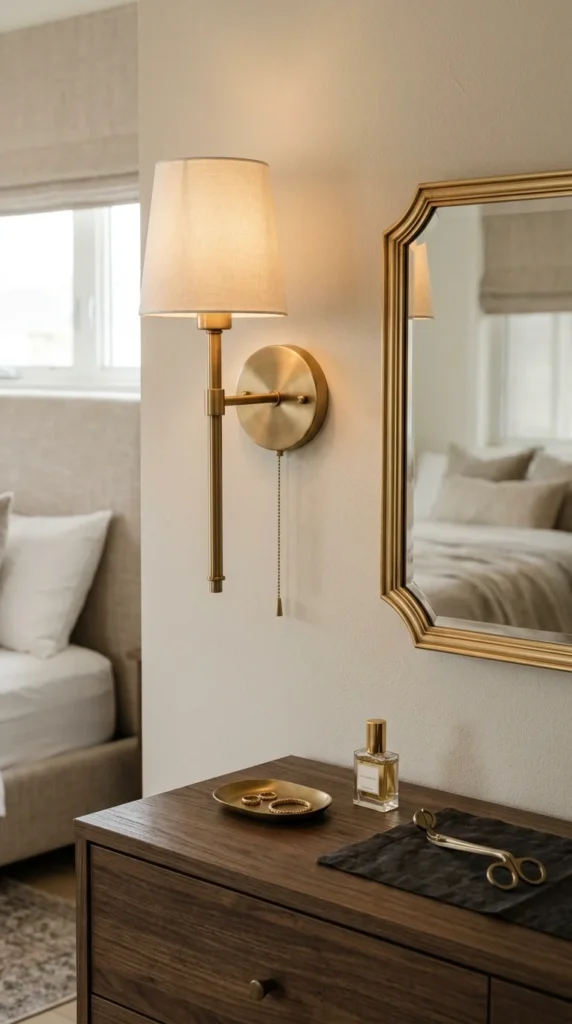
To add a touch of “glam” to your neutral sanctuary, incorporate warm metallic accents. Gold, brass, and copper work beautifully with warm neutrals like cream and tan. These metals reflect light and add a “jewelry-like” finish to the room. Look for ways to integrate these finishes through hardware—such as drawer pulls, curtain rods, and light fixtures. The key is moderation; a few well-placed metallic touches will look elegant, while too many can distract from the room’s calming purpose.
9. Textural Walls
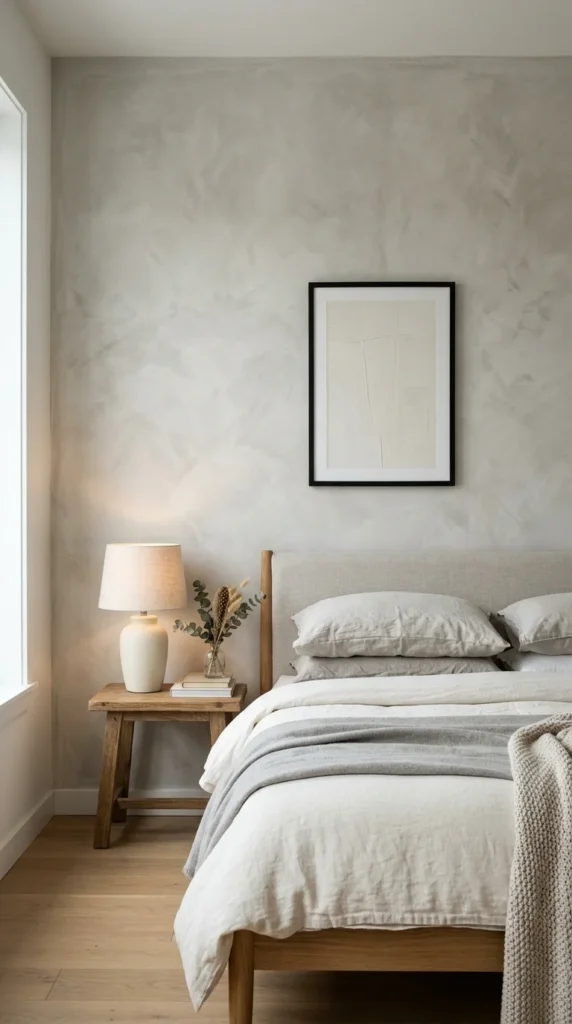
If your neutral bedroom feels like it’s missing “soul,” the problem might be flat, boring walls. Instead of standard matte paint, consider a textural wall treatment. Limewash is a favorite for neutral lovers because it creates a soft, mottled appearance that mimics the look of aged stone or suede. Other options include shiplap for a farmhouse feel, or subtle board-and-batten paneling for a traditional touch. These treatments allow the walls to have character without needing to hang a single piece of art.
10. Black Accents
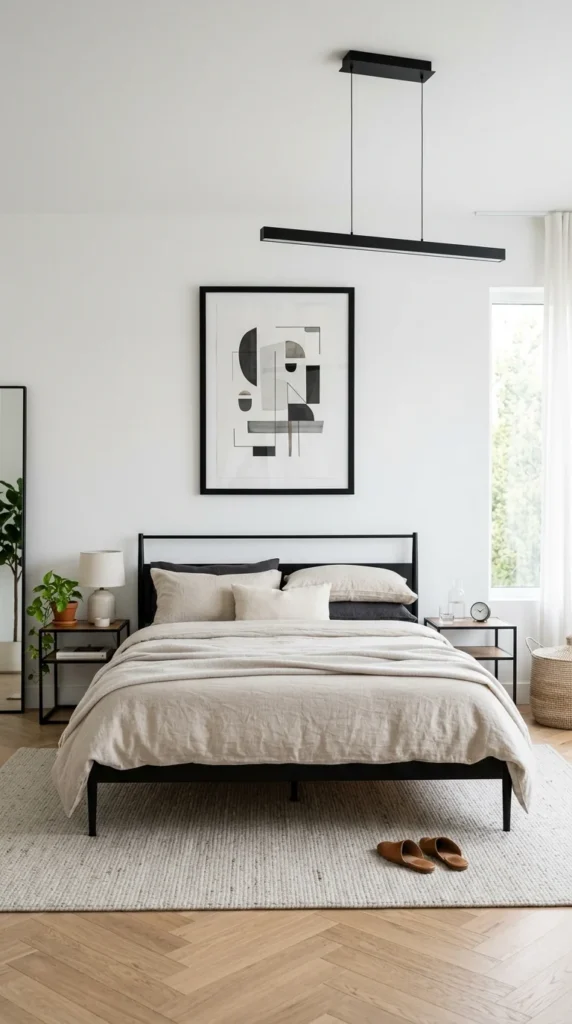
The “High-Contrast Neutral” look involves using small amounts of black to “frame” a light-colored room. Think of black as the eyeliner of your interior design; it defines the space and keeps it from looking too blurry. Thin black metal window frames, a sleek black floor lamp, or black picture frames provide a modern, edgy contrast that makes the creams and whites look even brighter and crisper.
11. Soft Curves
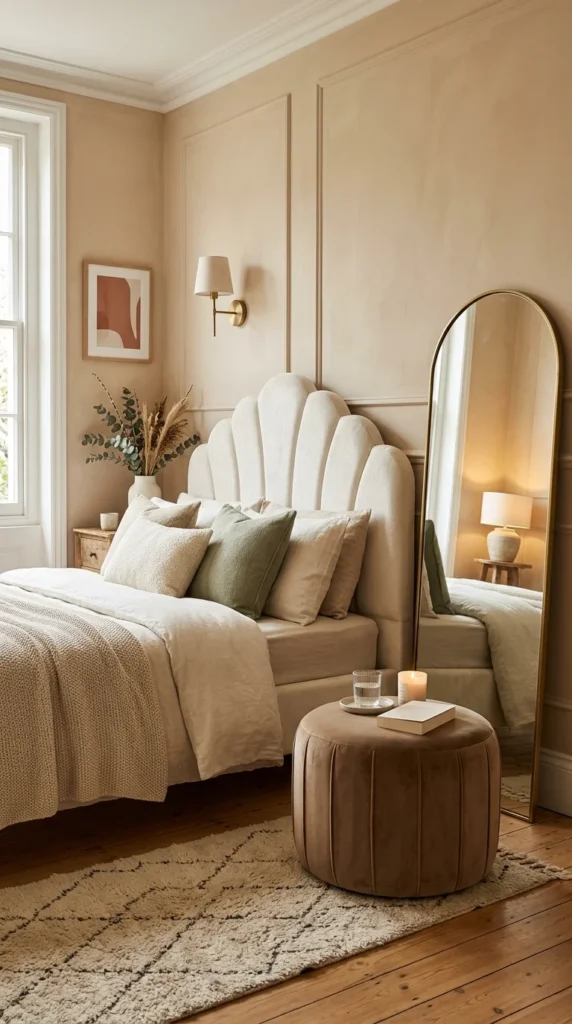
Neutral bedrooms can sometimes feel “sharp” if they are filled with too many rectangular pieces of furniture. To lean into the “Soft Minimalist” aesthetic, prioritize curves. An arched mirror, a rounded armchair, or a circular nightstand can break up the harsh lines of a room and make it feel more inviting and feminine. Curves mimic the shapes found in nature, which naturally resonates with the human brain’s desire for comfort and safety.
12. Vintage Patina
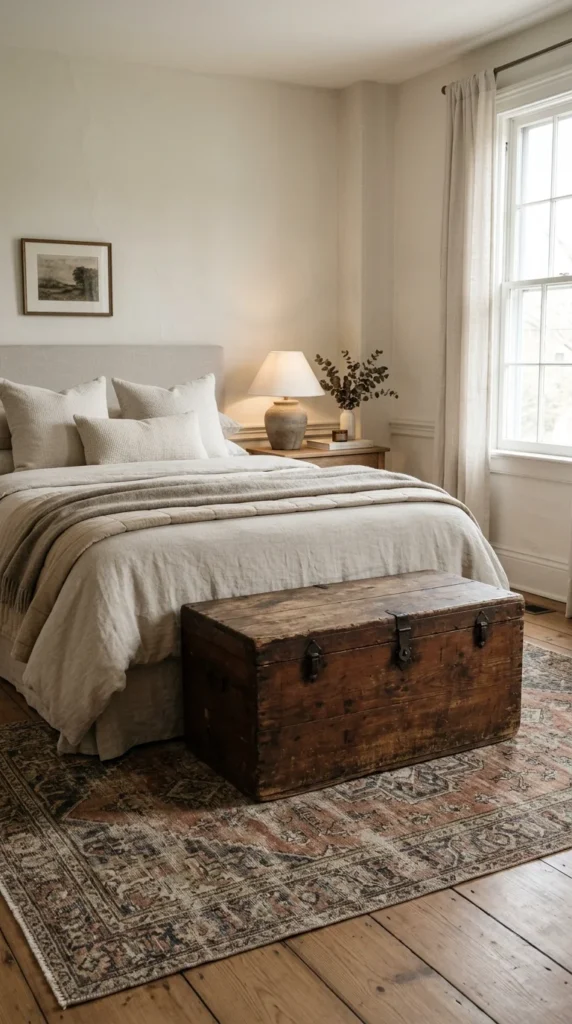
Finally, a beautiful neutral bedroom should feel lived-in and storied. You can achieve this by incorporating vintage or “found” items that have a natural patina. An antique wooden chest, a weathered vintage rug in muted tones, or a set of old ceramic crocks can add a layer of history that new furniture simply cannot replicate. These items provide a “warmth of time” that makes a neutral room feel like a home rather than a showroom.
Final Thoughts on Neutral Design
The beauty of a neutral bedroom lies in its ability to evolve. Because the foundation is so versatile, you can easily swap out pillows, art, or plants as the seasons change without ever needing to repaint. By focusing on quality materials, varied textures, and a mix of old and new, you can create a space that remains stylish, soothing, and sophisticated for years to come.