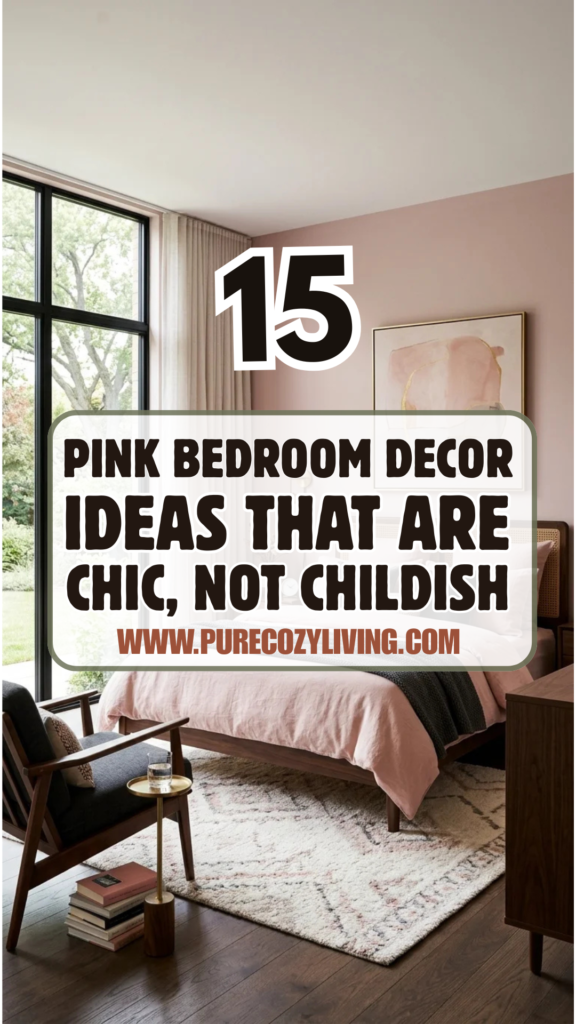

Pink has long been pigeonholed as a color reserved exclusively for nurseries or children’s playrooms. However, in the world of contemporary interior design, pink has undergone a massive sophisticated rebranding. Moving far beyond the “bubblegum” stereotypes, pink is now recognized for its incredible versatility, ranging from earthy terracottas and muted mauves to elegant blushes and bold magentas.
When executed with intention, a pink bedroom can feel mature, calming, and undeniably high-end. The key lies in the undertones, the textures, and the surrounding color palette. Here are 15 sophisticated ways to incorporate pink into your bedroom to create a space that is chic, adult, and timeless.
1. Dusty Rose
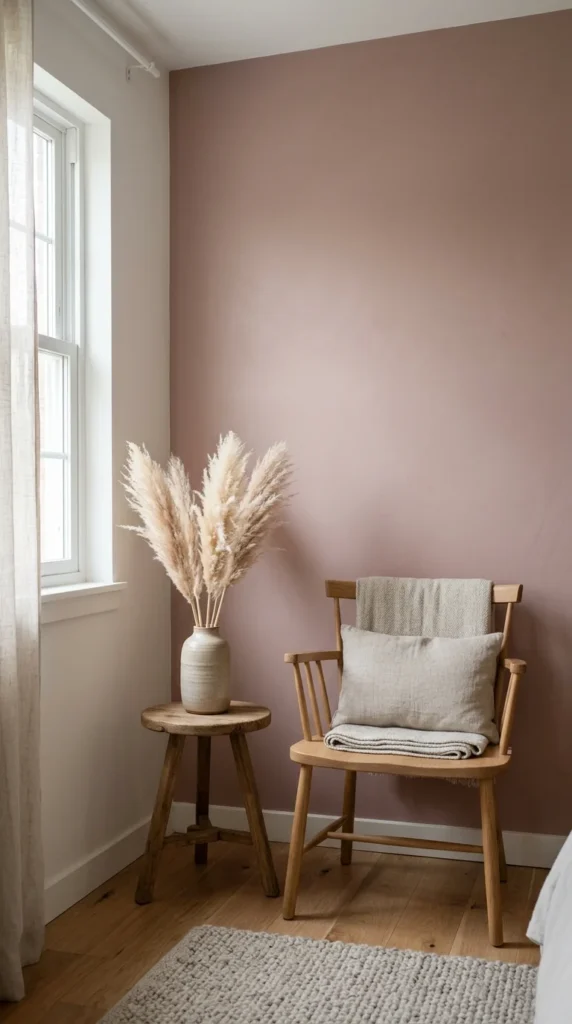
Dusty rose is the ultimate “grown-up” pink. Because it contains gray and brown undertones, it acts almost as a neutral, making it incredibly easy to live with. This shade doesn’t scream for attention; instead, it provides a warm, enveloping glow that feels sophisticated rather than sugary.
To keep this look chic, pair dusty rose walls with natural wood elements and crisp white bedding. The combination of the muted pink with organic materials creates a “Scandi-boho” vibe that is both modern and relaxing. Avoid glossy finishes here; matte paint and linen fabrics work best to highlight the depth of this specific hue.
2. Velvet Textures
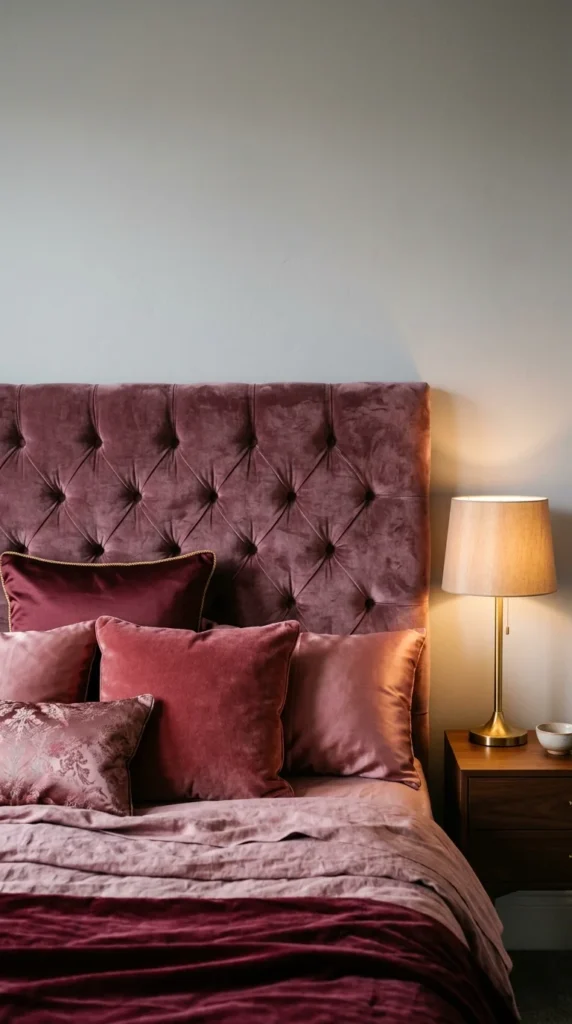
Nothing elevates a color quite like texture, and pink velvet is the epitome of luxury. Whether it is a tufted headboard, an upholstered bench at the foot of the bed, or heavy floor-to-ceiling drapes, velvet adds a tactile richness that prevents pink from looking flat or juvenile.
The way light interacts with velvet creates natural highlights and shadows, giving the pink multiple dimensions. For an adult aesthetic, look for “jewel-toned” pinks like crushed raspberry or deep mauve velvet. These darker, richer versions of pink feel opulent and intentional, especially when paired with metallic accents.
3. Metallic Accents
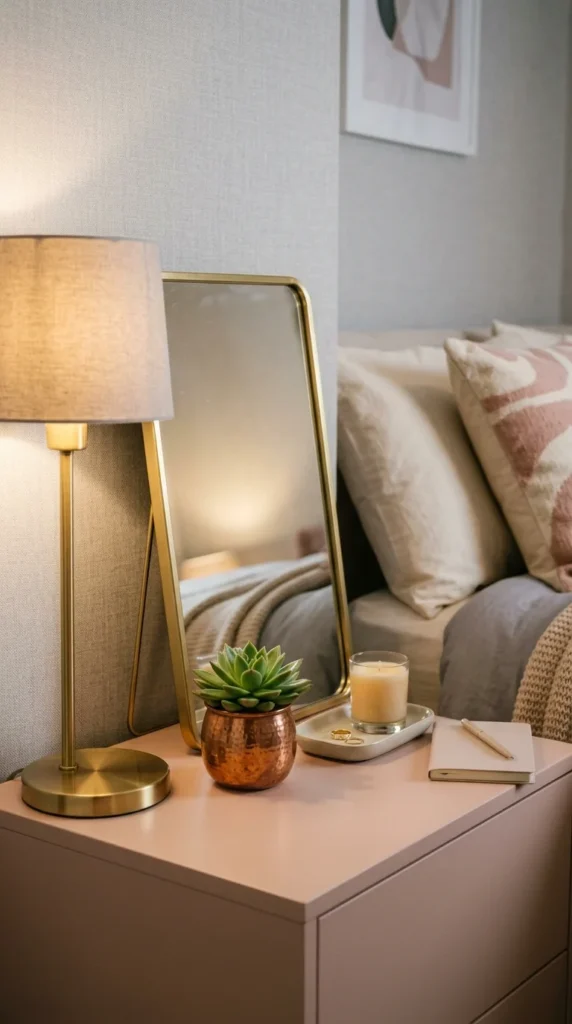
To steer pink away from the nursery, you need to introduce “hard” elements. Gold, brass, and copper are the perfect companions for pink. The warmth of the metal complements the warmth of the pink, creating a polished, high-end hotel feel.
If you have blush pink walls or bedding, try introducing a brass bed frame or gold-framed gallery art. Even small details, like drawer pulls on a pink dresser or a copper-based table lamp, can ground the color and give it a structural, designer edge.
4. Geometric Patterns
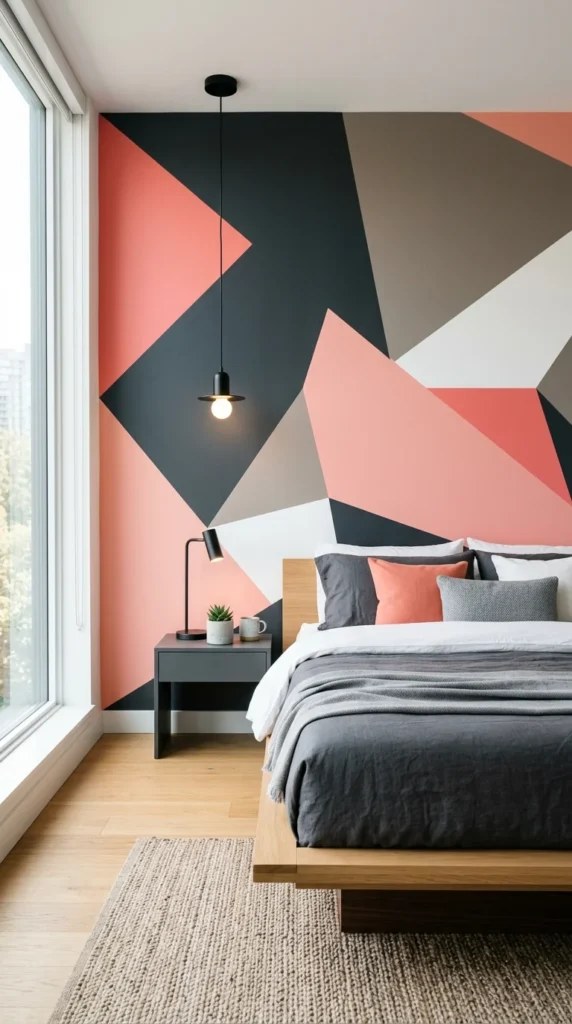
Pink becomes instantly modern when paired with sharp, geometric lines. Using pink in a structured pattern—such as a herringbone rug, a geometric throw pillow, or a bold wallpaper—removes the “softness” that people often associate with “girly” decor.
Consider a wallpaper with a subtle pink and grey art deco pattern. The repetition of shapes creates a sense of order and sophistication. When using patterns, keep the rest of the room relatively simple to allow the geometric designs to act as the visual anchor of the space.
5. Monochromatic Layering
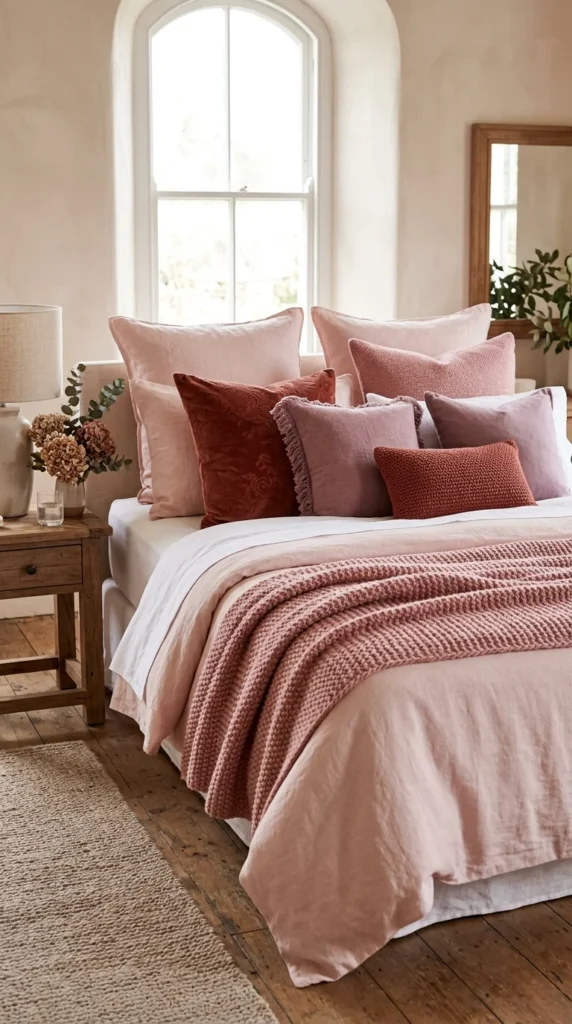
One of the most sophisticated ways to use pink is to use only pink, but in varying shades and saturations. This is known as monochromatic layering. By mixing a very pale blush with a mid-tone rose and a deep burgundy, you create a sophisticated “ombré” effect that feels curated.
The secret to making a monochromatic pink room work is varying the fabrics. Mix a linen duvet with a chunky wool knit throw and silk pillowcases. This variety in “hand-feel” prevents the room from looking like a single block of color and instead makes it feel like a thoughtfully designed retreat.
6. Black Contrast
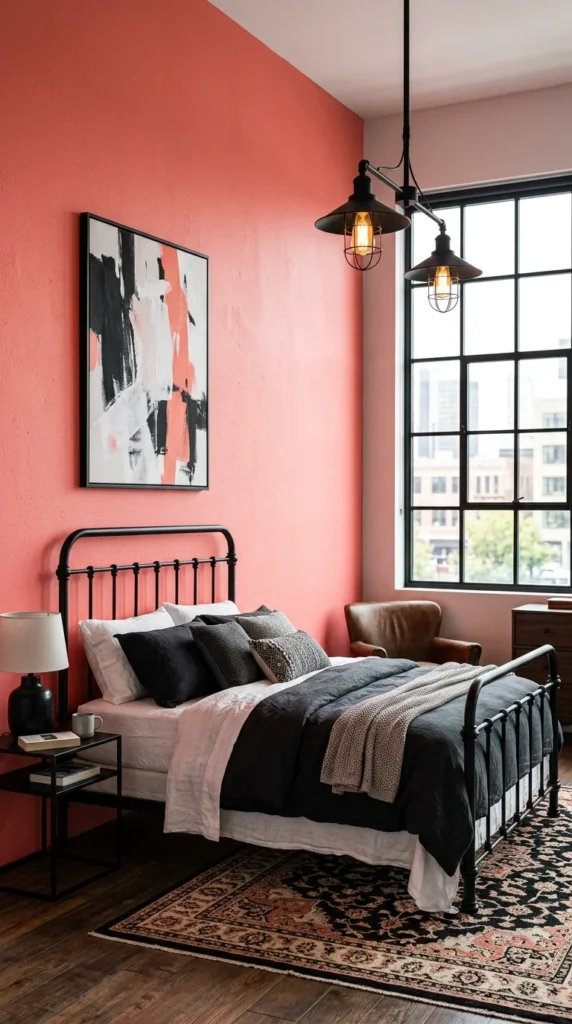
If you are worried about pink being too “sweet,” add black. Black provides the necessary visual weight to ground pink and give it a masculine-feminine balance. The high contrast between a soft pink wall and a matte black bed frame or black-and-white photography is a hallmark of chic, urban design.
Try using black as an outline. A pink rug with a black border, or a pink accent chair with black metal legs, instantly feels more architectural and mature. This combination is particularly effective in “Industrial Chic” or “Modern Glam” interior styles.
7. Botanical Prints
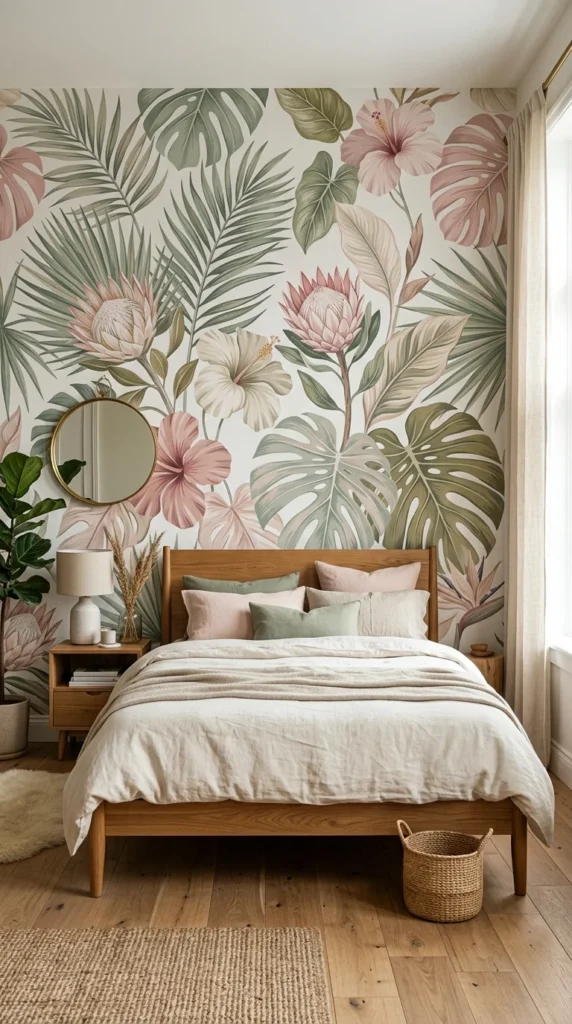
Pink is a color found abundantly in nature, and leaning into the botanical side of the spectrum is a great way to keep it sophisticated. Instead of small, dainty floral patterns (which can look “shabby chic” or youthful), go for large-scale, moody botanical prints.
Think oversized hibiscus, palm fronds with pink veins, or vintage-style botanical illustrations of proteas. Pairing these prints with actual greenery—like a large potted fiddle leaf fig—creates a lush, “jungle-glam” atmosphere that feels fresh and very much for adults.
8. Blush Minimalism
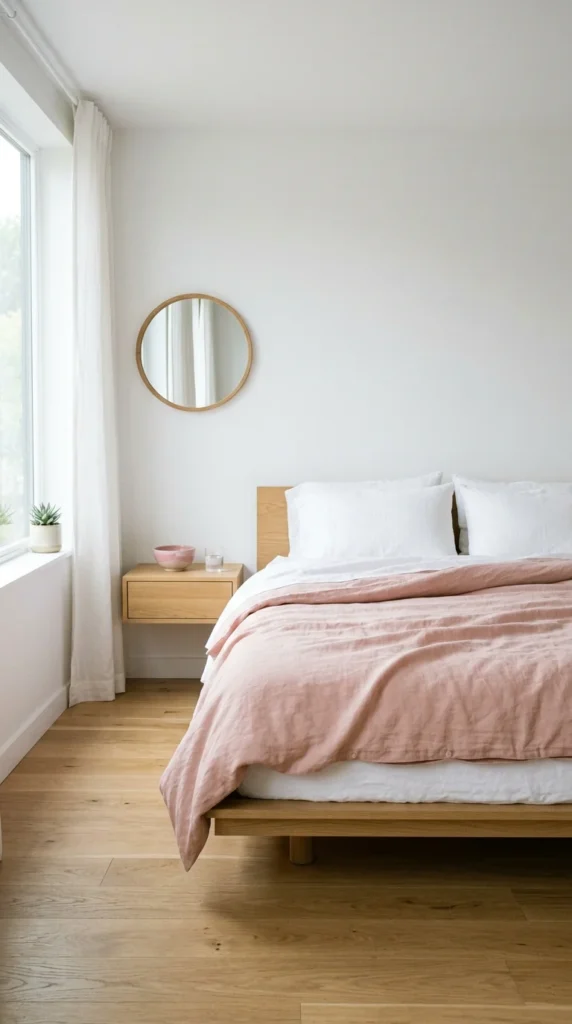
For those who prefer a “less is more” approach, blush pink is the perfect accent for a minimalist bedroom. In a room dominated by white, grey, and light wood, a single pop of blush pink provides warmth without cluttering the visual field.
The key to blush minimalism is quality over quantity. Choose one high-quality pink item—perhaps a designer armchair or a cashmere throw—and let it stand on its own. This approach proves that pink doesn’t have to be the main character to make a significant, sophisticated impact.
9. Statement Headboard
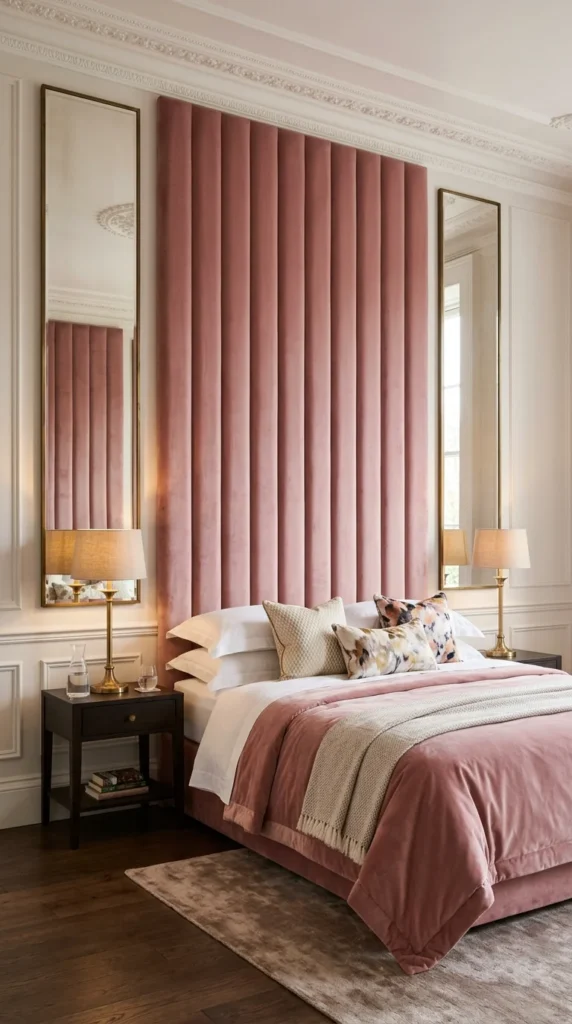
If you want to commit to pink without painting the entire room, a statement headboard is the way to go. An oversized headboard in a sophisticated shade like terracotta or mauve becomes the focal point of the room.
Channel-tufting or scalloped edges can add a “Boutique Hotel” feel. Because the headboard is a functional piece of furniture, it feels more permanent and “designed” than simply painting a wall or buying pink sheets. It anchors the bed and gives the entire room a sense of luxury.
10. Terracotta Tones
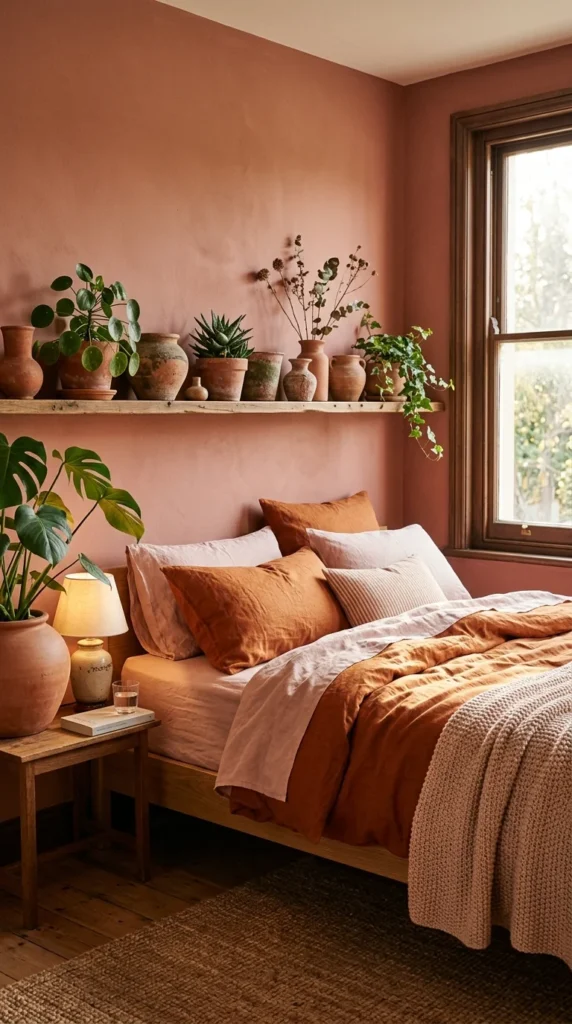
If you find traditional pinks too “pretty,” look toward the earthier side of the palette. Terracotta, clay, and “baked earth” shades are essentially pinks with a heavy dose of orange and brown. These colors are incredibly trending because they feel grounded and organic.
Terracotta pinks work beautifully with Mediterranean or Southwestern decor styles. They pair excellently with woven textures, jute rugs, and hammered copper. This version of pink is warm, inviting, and feels distinctly mature and worldly.
11. Moody Lighting
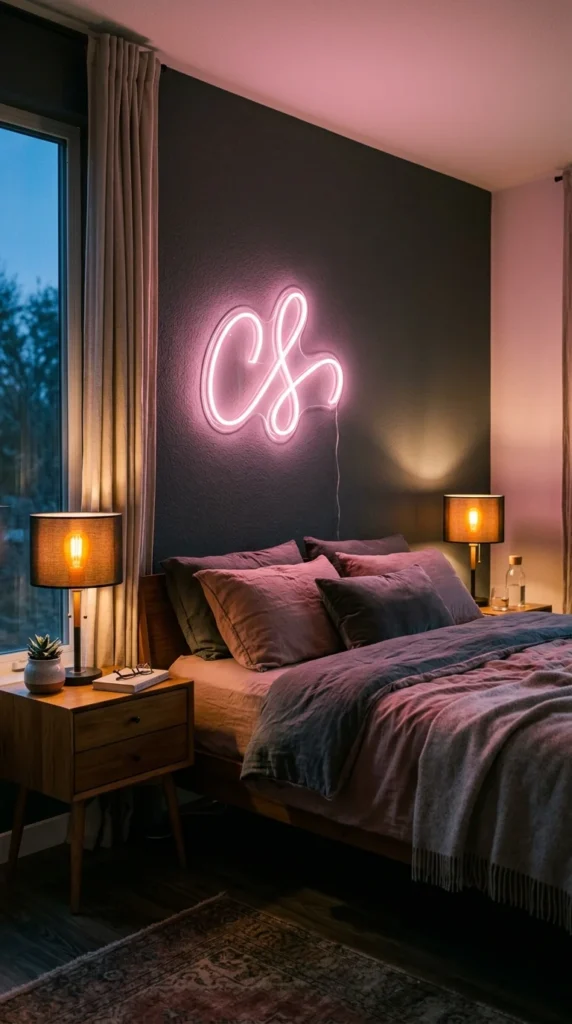
Lighting can completely change how a color is perceived. To make a pink bedroom feel “chic” at night, avoid harsh overhead lights. Instead, use layered lighting to create a moody, lounge-like vibe.
A subtle pink neon sign can add a touch of “Art Deco” cool, while dimmable bedside lamps with warm-toned bulbs can make pink walls look like they are glowing from within. The goal is to create an atmosphere that feels intimate and evening-ready, rather than bright and youthful.
12. Area Rugs
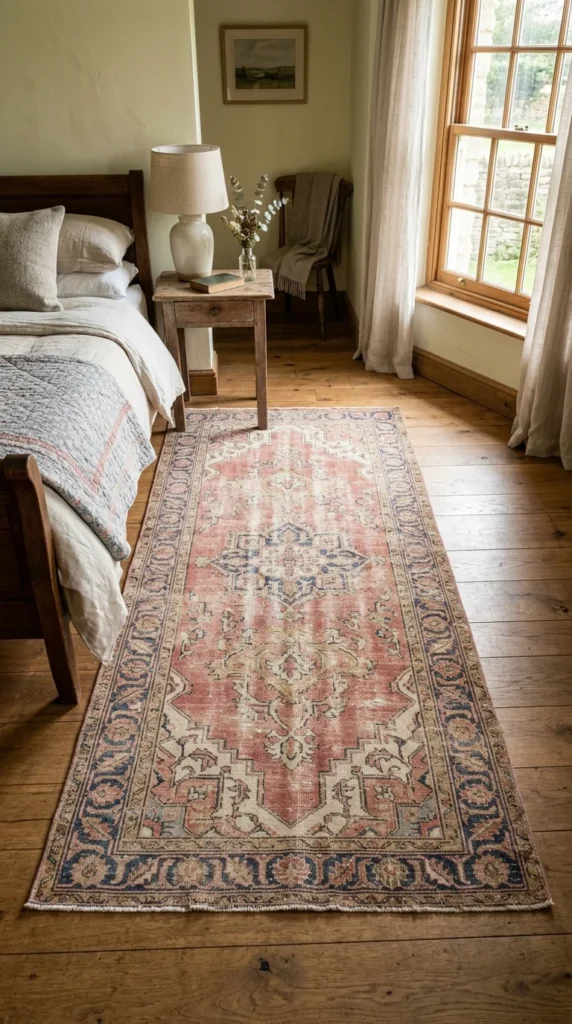
A rug is a great way to introduce pink in a structured, sophisticated way. Look for vintage or “distressed” rugs where the pink is faded and mixed with other colors like navy, cream, or sage green.
A large area rug anchors the furniture and provides a soft landing for your feet. By choosing a rug with a complex, traditional pattern, you ensure that the pink feels like a heritage color rather than a trendy choice. It adds a layer of history and texture that instantly matures the space.
13. Concrete & Industrial
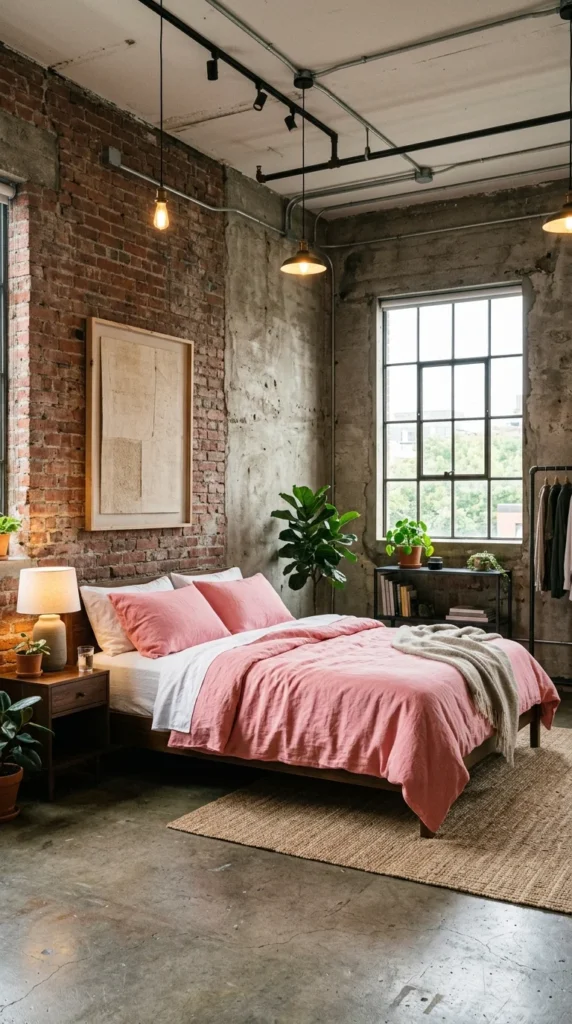
One of the most effective ways to make pink look “adult” is to pair it with “raw” materials. The juxtaposition of a soft pink textile against a cold, hard concrete wall or an exposed brick chimney is incredibly stylish.
This play on “soft vs. hard” is a staple of high-end urban design. In an industrial setting, pink acts as a softening agent, making a cold space feel livable and warm without sacrificing its “cool” factor. Use pink in small doses—a rug, a pillow, or a single piece of art—to maximize this contrast.
14. Gallery Walls
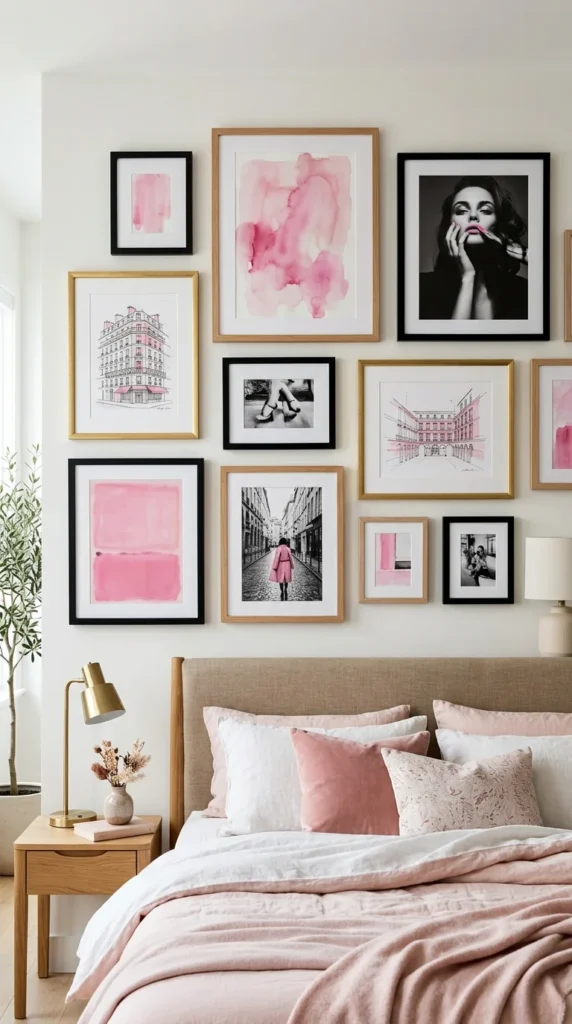
A gallery wall allows you to incorporate pink through art, which is one of the most sophisticated ways to decorate. Instead of “pink art,” look for “art with pink in it.” This could be an abstract landscape with a pink sunset, a portrait with rosy cheeks, or an architectural photograph with a pink door.
By mixing pink-focused pieces with black-and-white photography or charcoal sketches, you create a curated look that feels like an art collector’s bedroom. It shows that pink is just one part of your broader aesthetic sensibility.
15. Natural Textures
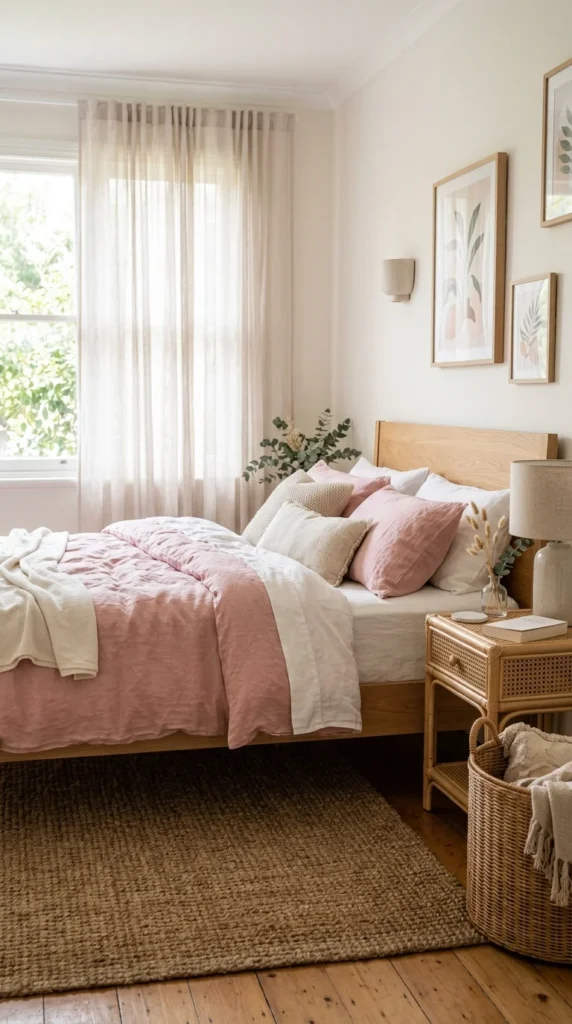
Finally, to keep a pink bedroom feeling grounded and chic, lean heavily into natural, organic textures. Pink is naturally soft, so pairing it with “rugged” textures like jute, rattan, wicker, and raw wood creates a balanced environment.
The organic imperfections in a handmade rattan headboard or a woven jute rug provide a “roughness” that offsets the “sweetness” of pink. This creates a balanced, harmonious room that feels like a calm sanctuary—a space that is undoubtedly grown-up and exceptionally stylish.