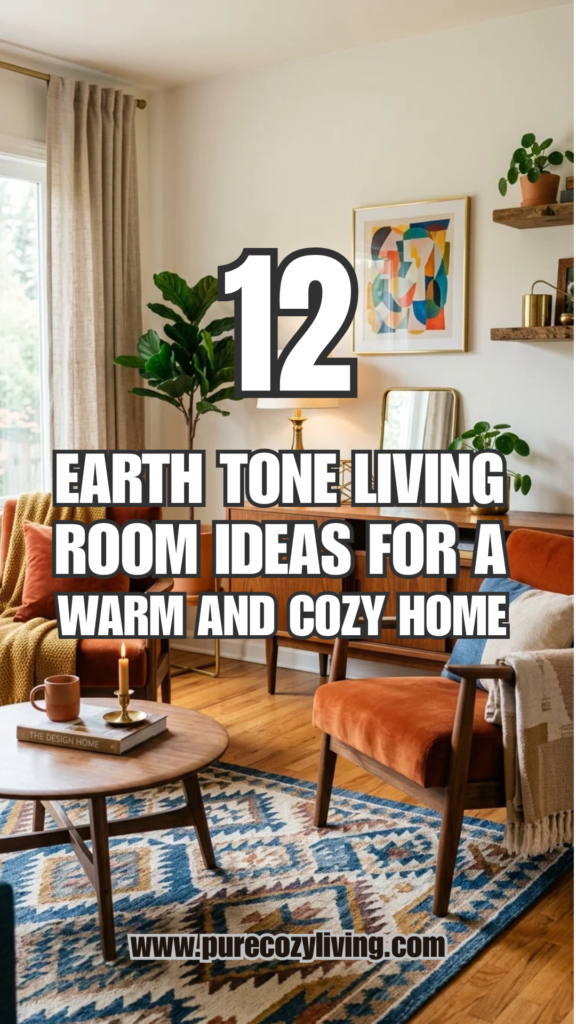

Earth tones are more than just a color palette; they are an invitation to slow down and reconnect with the natural world. Inspired by the hues of the soil, the forest, and the sky, these colors—ranging from deep chocolate browns and burnt oranges to muted sage greens and sandy beiges—create an environment that feels grounded and timeless. In an era where the home has become a sanctuary for rest and recuperation, earth tones offer a visual warmth that traditional cool neutrals often lack. By layering these organic shades with natural textures like wood, linen, and stone, you can transform a sterile living room into a cozy retreat. Here are 12 earth-tone ideas to inspire your next home makeover.
1. Terracotta
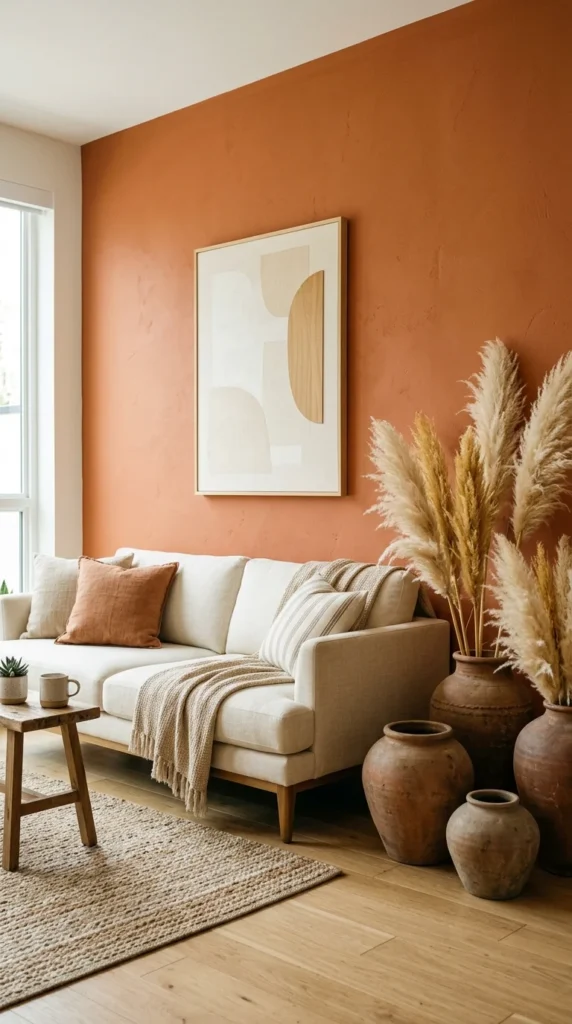
Terracotta is the quintessential earth tone, evoking the warmth of Mediterranean pottery and desert landscapes. This clay-inspired hue acts as a bridge between red and brown, providing a vibrant yet soothing energy to a living space. To incorporate terracotta effectively, consider an accent wall in a lime-wash finish to add depth and movement. If you aren’t ready to commit to paint, terracotta-colored textiles—such as linen throw pillows or a chunky knit blanket—can instantly heat up a cool-toned room. Pair it with natural rattan furniture and plenty of greenery to create a lush, sun-baked aesthetic.
2. Sage Green
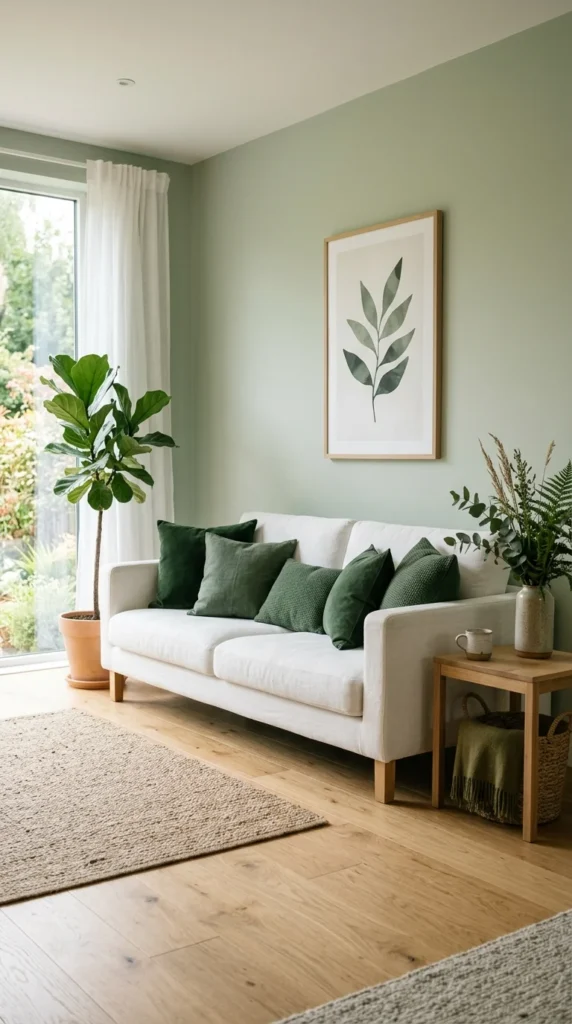
Sage green is a sophisticated neutral that brings the calming essence of the outdoors inside. Unlike brighter greens, sage has a greyish undertone that makes it incredibly versatile and easy on the eyes. It works beautifully as a primary wall color, especially in rooms with plenty of natural light. Sage green pairs exceptionally well with light wood tones like ash or birch, creating a Scandinavian-inspired look that feels fresh and airy. For a touch of elegance, introduce brass or gold hardware, which pops beautifully against the muted green backdrop.
3. Sandy Beige
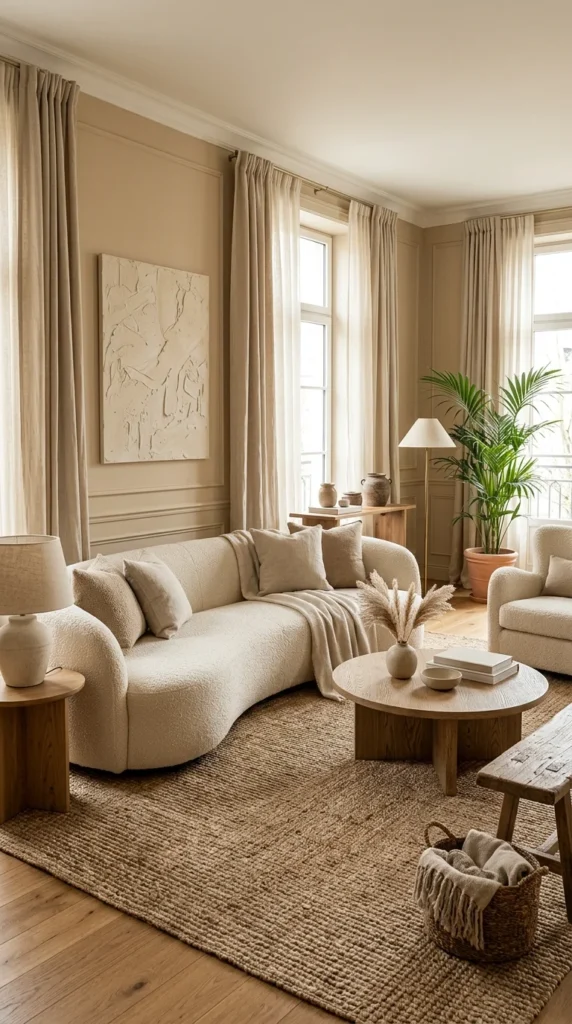
Sandy beige is the foundation of many successful earth-toned designs. Moving away from the “sad beige” trend, modern sandy tones are layered with high-contrast textures to prevent the room from feeling flat. Think of the shore of a beach: the mix of dry sand, wet pebbles, and driftwood. To achieve this look, use a variety of materials in the same color family—a jute rug, a boucle sofa, and sheer linen curtains. This monochromatic approach creates a sophisticated, “quiet luxury” atmosphere that feels incredibly expansive and peaceful.
4. Chocolate Brown
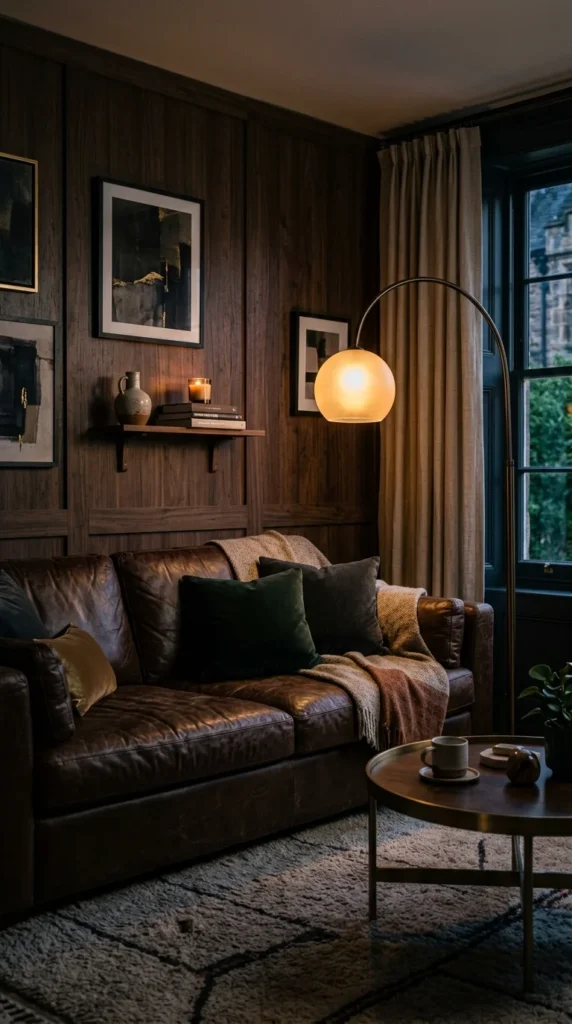
Chocolate brown is making a massive comeback in interior design, replacing the stark blacks and greys of previous years. This rich, dark hue provides a sense of security and luxury. A chocolate brown leather sofa is a classic choice that ages beautifully, developing a patina that adds character over time. If the room feels too dark, balance the deep brown with lighter accents like cream-colored rugs or pale marble coffee tables. The key to using chocolate brown is to vary the finishes—mix matte walls with polished wood or glossy ceramics to keep the eye moving.
5. Burnt Orange
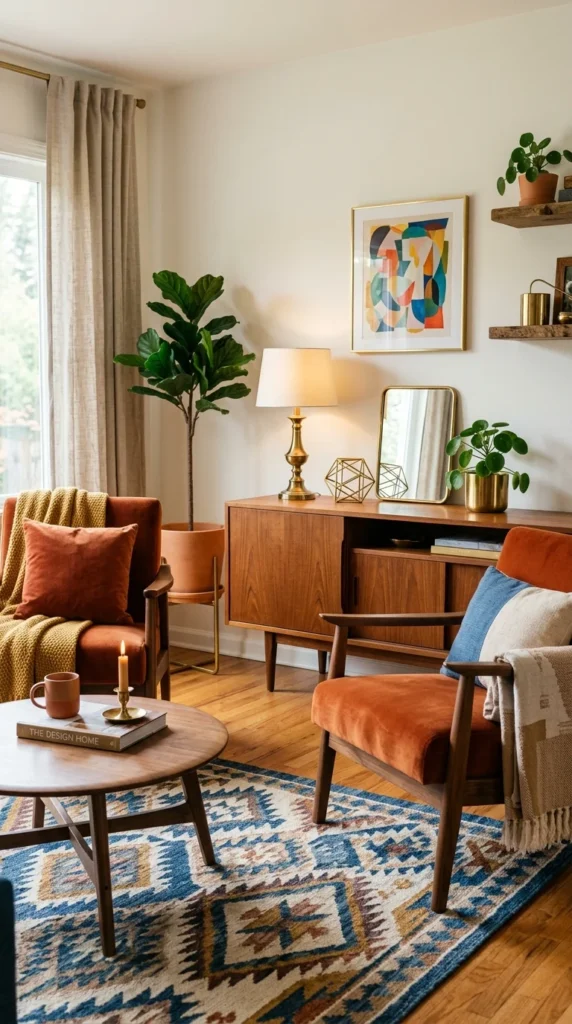
Burnt orange captures the fleeting beauty of autumn leaves and glowing sunsets. It is a bold choice that adds an immediate “hug” of warmth to the living room. Because it is quite a saturated color, it often works best as an accent. Velvet is a particularly effective fabric for burnt orange, as the pile of the fabric catches the light and emphasizes the richness of the pigment. Try pairing this color with navy blue or deep charcoal for a high-contrast look, or keep it harmonious by surrounding it with shades of tan and brown.
6. Charcoal Grey
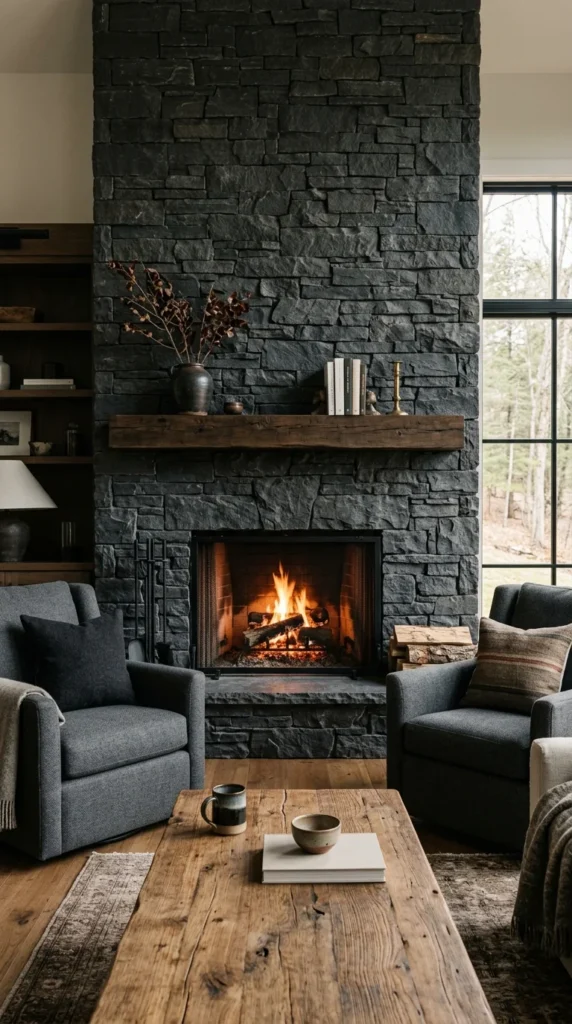
While grey is often categorized as a cool tone, charcoal grey with brown or blue undertones fits perfectly into an earth-toned scheme. It represents the color of wet river stones and volcanic rock. Charcoal provides a sturdy, grounded base for a room. Use it on a large-scale piece, like a sectional sofa, or as a dramatic backdrop for a gallery wall. To keep the look “warm,” avoid pairing charcoal with stark white; instead, use off-whites, creams, and warm woods to soften the intensity of the dark grey.
7. Mustard Yellow
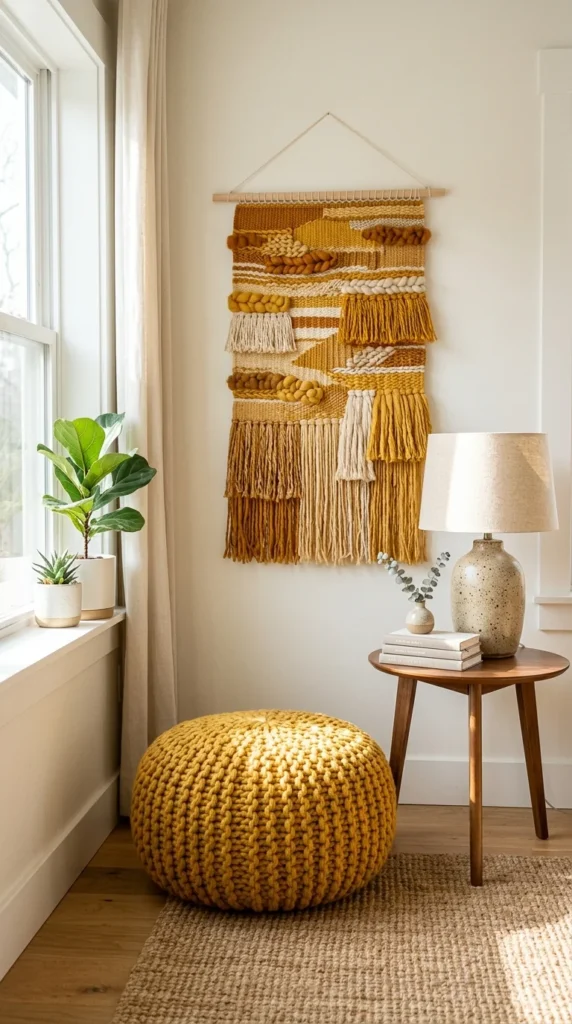
Mustard yellow brings a golden, sun-kissed quality to a living room without being as overwhelming as primary yellow. It is the color of dried wheat and wild honey. This hue is fantastic for adding a pop of color to a neutral room. Mustard works particularly well in textiles—think rugs with yellow geometric patterns or heavy velvet drapes. It also complements deep blues and greens, making it a staple for those who enjoy a more “bohemian” or “eclectic” take on earth-tone decor.
8. Natural Wood
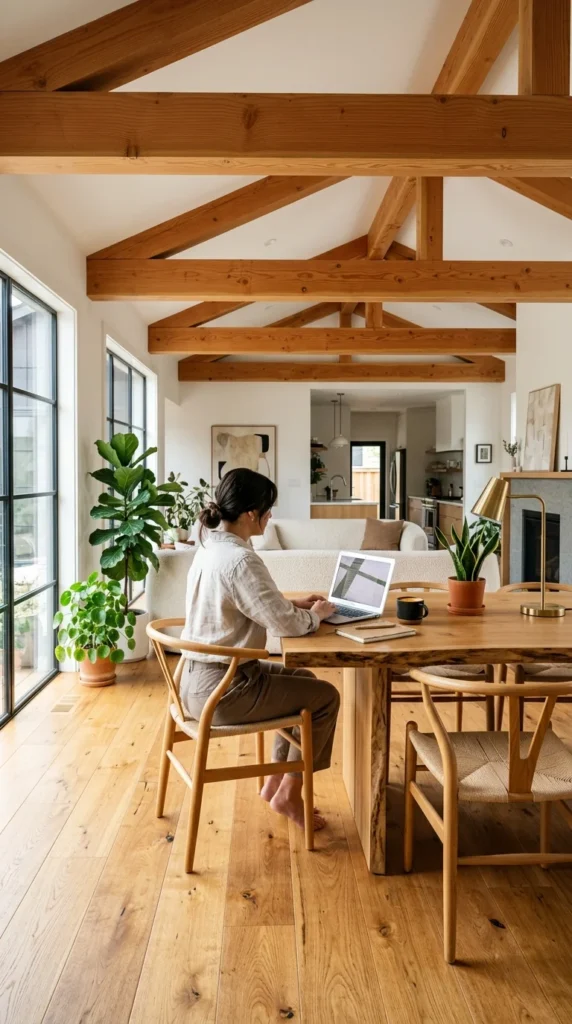
In an earth-toned living room, wood isn’t just a material; it’s a primary color. From the pale hues of maple to the deep tones of walnut, natural wood grain adds a layer of organic pattern that paint cannot replicate. To make the most of this, try to “mix” wood tones rather than matching them perfectly. A dark coffee table can sit comfortably on a light oak floor, provided there is a rug to bridge the gap. Exposed ceiling beams or wood-paneled walls can also add a rustic, cabin-like feel that is the epitome of “cozy.”
9. Olive Tones
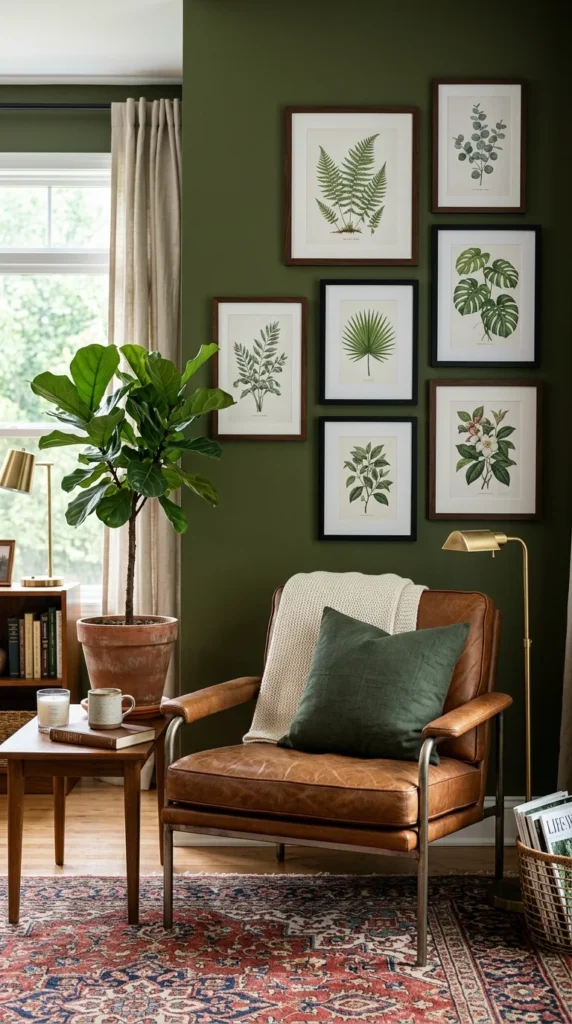
Olive green is a moody, earthy shade that feels both traditional and modern. It has a heavy yellow undertone, which makes it feel warmer than forest green. Olive is an excellent choice for those who want to experiment with darker colors but are afraid of the room feeling too cold. It looks stunning when paired with “cognac” leather or brass accents. Because it is a color frequently found in nature, the human eye finds it naturally relaxing, making it an ideal choice for a room dedicated to lounging and conversation.
10. Ochre Accents
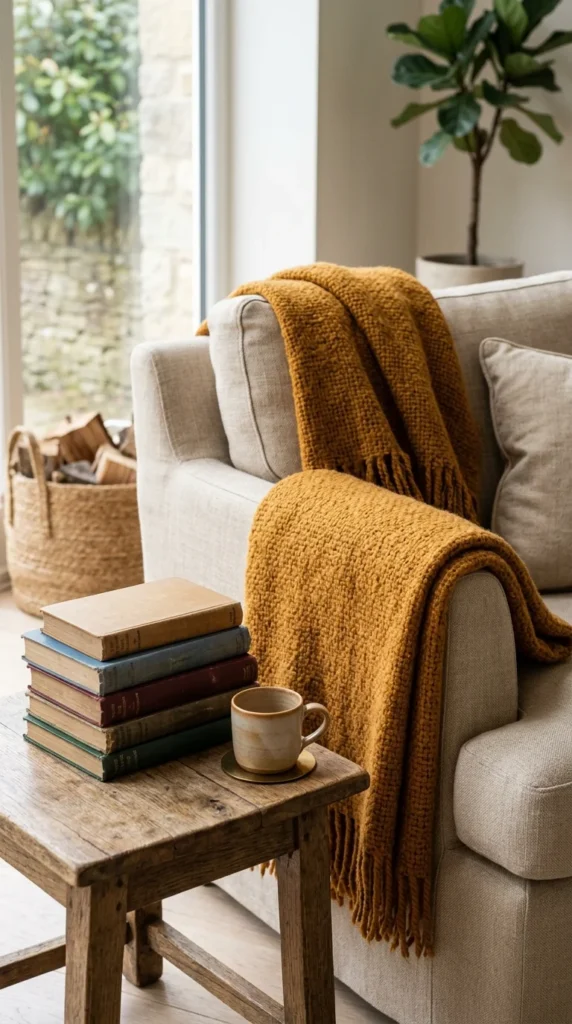
Ochre is a natural earth pigment that has been used in art for millennia. It sits somewhere between yellow and brown, offering a muted gold appearance. Using ochre as an accent is a great way to bring a sense of history and craftsmanship into a space. Consider ochre-colored ceramics, lampshades, or even patterned wallpaper. It is a color that feels very “intentional” and works beautifully in rooms that feature a lot of natural light, as the sun brings out the golden brilliance of the pigment.
11. Taupe Walls
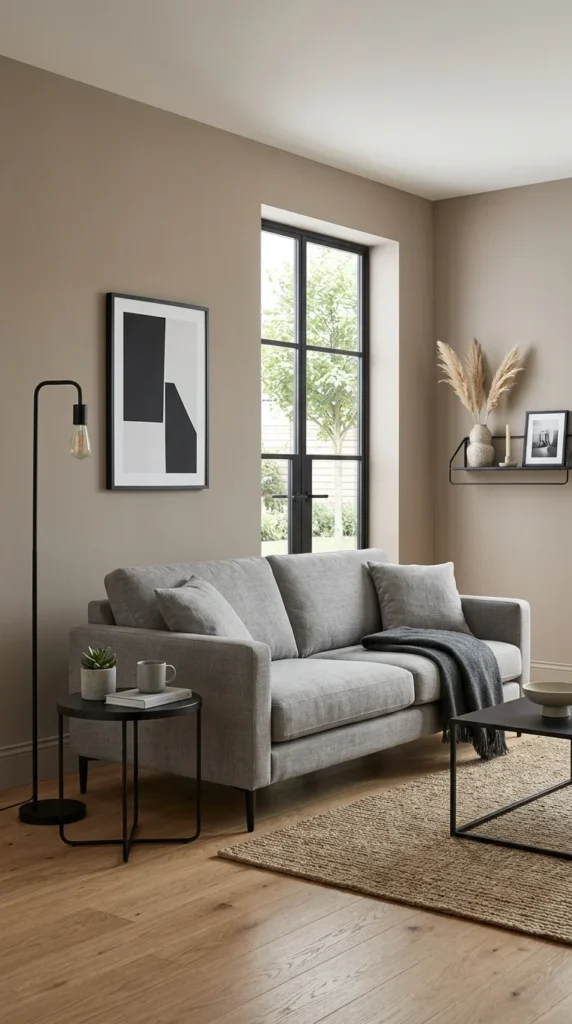
Taupe is the ultimate “chameleon” color. It is a mix of brown and grey, making it the perfect neutral for someone who can’t decide between a warm or cool palette. Taupe walls provide a sophisticated, gallery-like backdrop for furniture. It is less clinical than white but brighter than brown. To prevent a taupe room from looking boring, focus heavily on silhouette and form—choose furniture with interesting curves or unique architectural lines. Black accents, like a thin metal floor lamp or a black-framed mirror, can help anchor the taupe and give it a modern edge.
12. Clay Textures
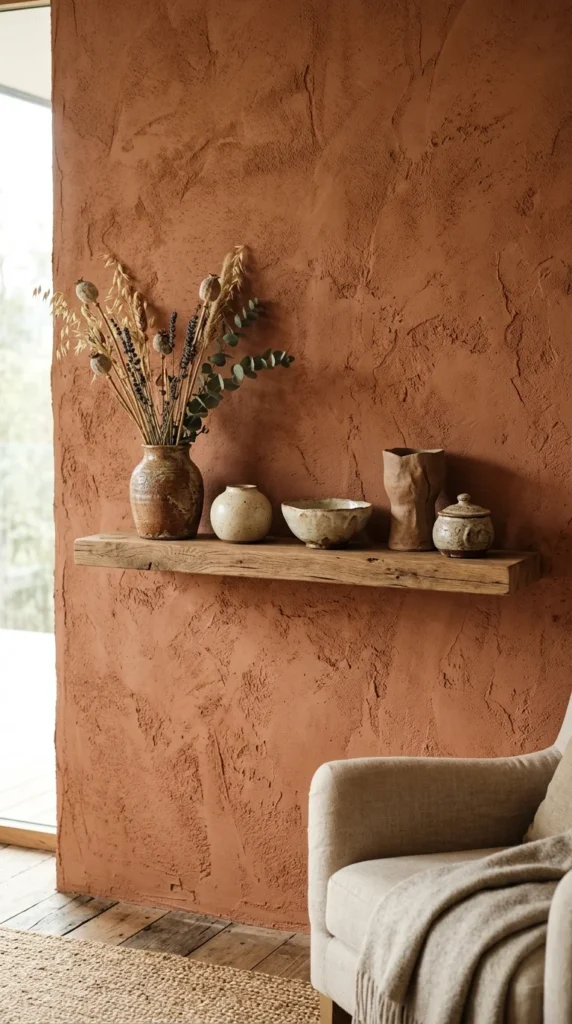
The final element of a perfect earth-toned living room is texture, specifically textures that mimic the earth itself. Plaster walls, lime-wash finishes, and matte pottery bring a tactile quality to the room. Instead of perfectly smooth, painted walls, a clay-based plaster adds a sense of “old world” charm and depth. This approach celebrates imperfection, known in design as “wabi-sabi.” By focusing on raw, unfinished textures in shades of silt, clay, and stone, you create a space that feels deeply connected to the planet and incredibly cozy to inhabit.