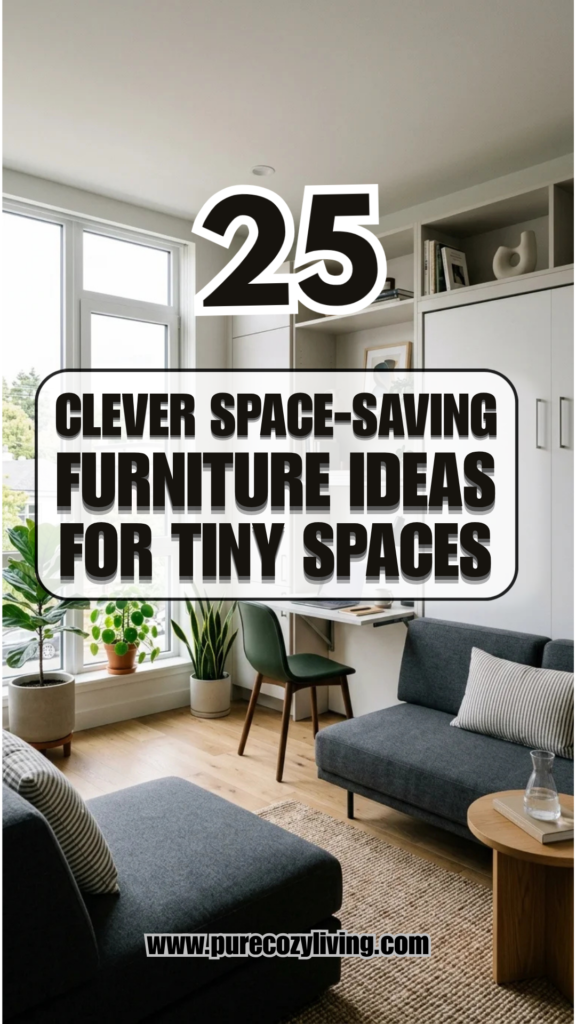

Creating a dedicated sanctuary for reading doesn’t require a sprawling library or a spare room. Even in the most compact apartments or crowded homes, a “book nook” can be carved out with a bit of creativity and strategic styling. The key to a successful small-space reading corner is maximizing vertical real estate, choosing multi-functional furniture, and layering textures to create an inviting atmosphere. Here are 25 inspired ideas to help you transform any tiny corner into a literary retreat.
1. Window Nooks
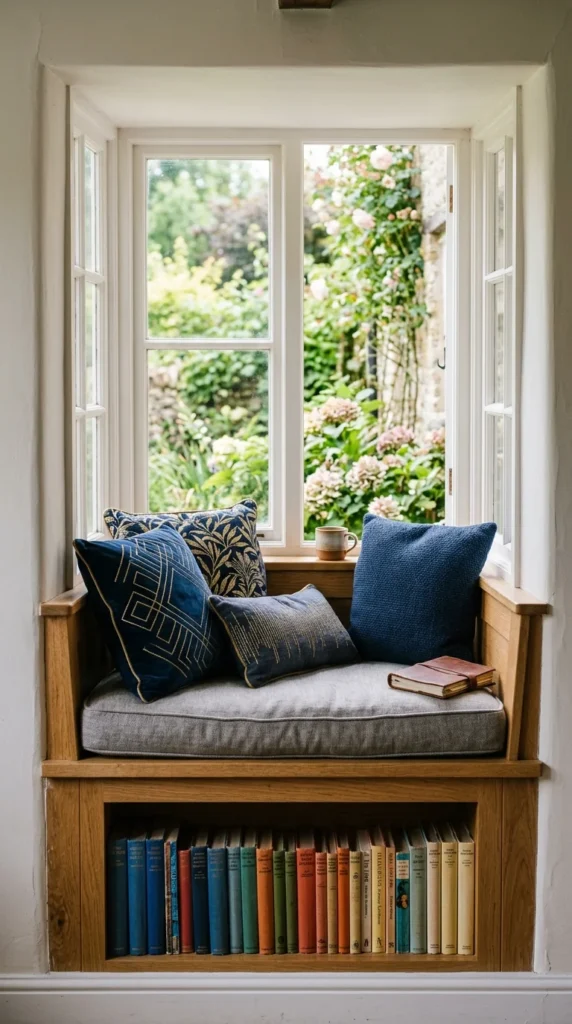
The window nook is the gold standard for reading corners. By utilizing the space directly in front of or inside a window frame, you take advantage of natural light, which is essential for eye health during long reading sessions. If you don’t have a built-in bench, a simple low-profile storage chest topped with a custom foam cushion can create the same effect. This setup keeps the floor clear while providing a panoramic view to look at when you need a break from the pages.
2. Corner Chairs
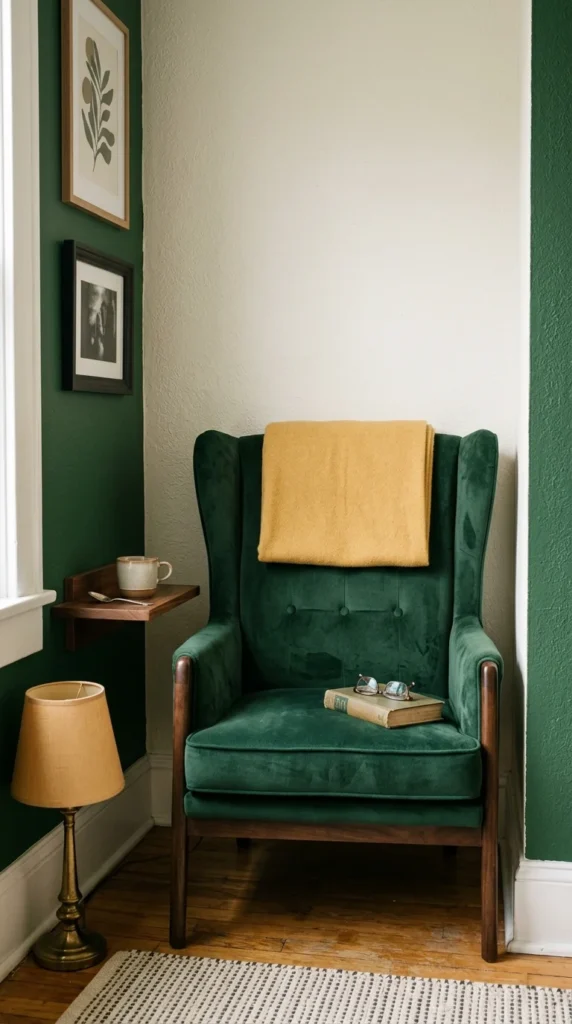
Sometimes, all you need is the right chair. For small spaces, look for “apartment-sized” armchairs that have narrow arms and exposed legs; these features allow light to pass through and under the furniture, making the room feel larger. Tucking the chair into a literal corner provides a sense of enclosure and security, which mimics the feeling of a much larger room.
3. Hanging Seats
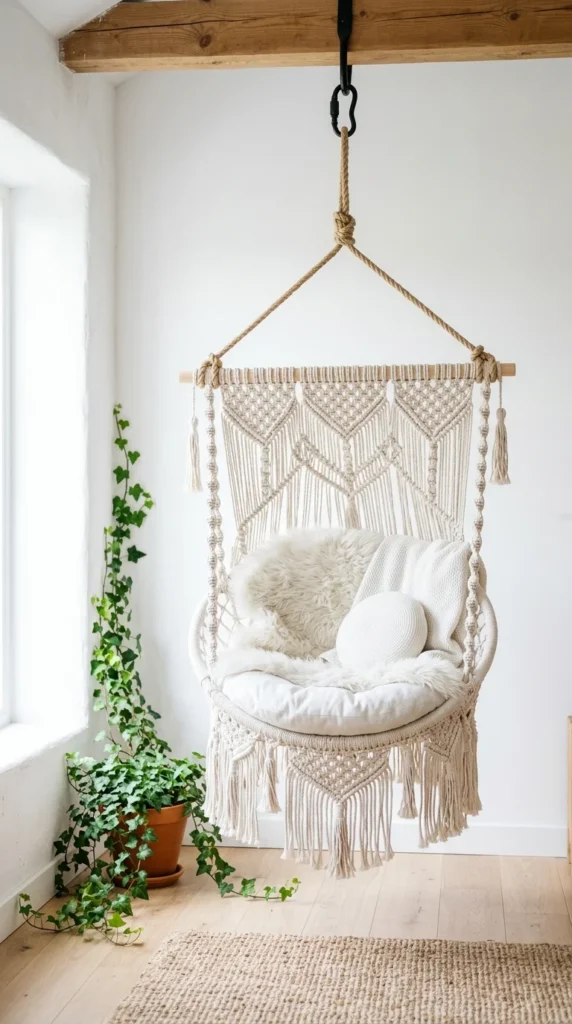
Hanging chairs or “egg chairs” are secret weapons for small floor plans. Because they are suspended from the ceiling, they leave the floor space beneath them visible, which creates an illusion of openness. They also add a playful, whimsical element to your decor. The gentle swaying motion can be incredibly relaxing, helping you sink deeper into your favorite novel.
4. Closet Nooks
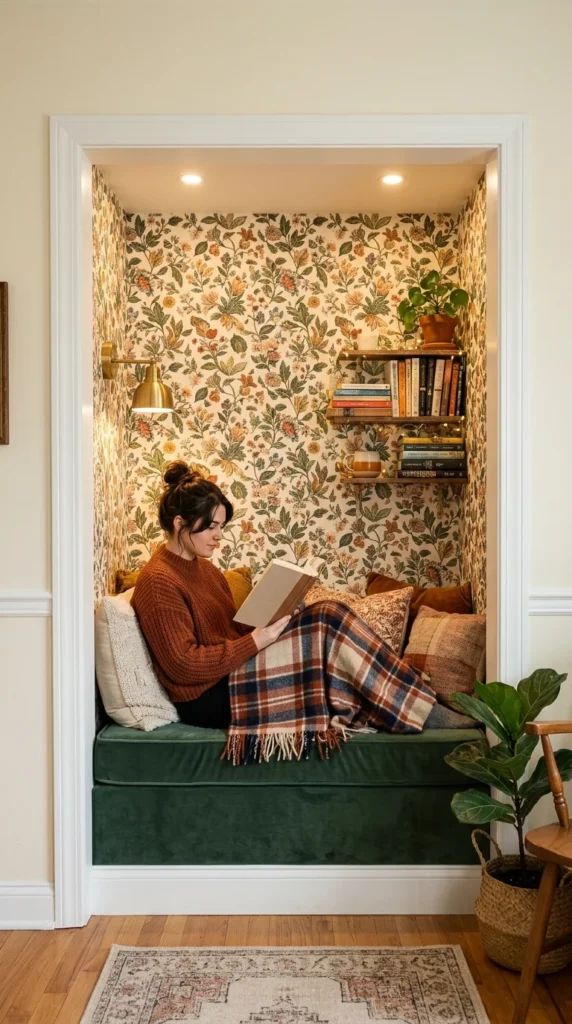
If you have a spare closet or one that is underutilized, consider removing the doors and the clothing rod. By lining the interior with wallpaper or a fresh coat of paint and adding a bench or a large pile of cushions, you create a “secret” hideaway. This “cloffice” (closet-office) inspired concept works perfectly for reading because it naturally defines the boundaries of your sanctuary.
5. Floor Pillows
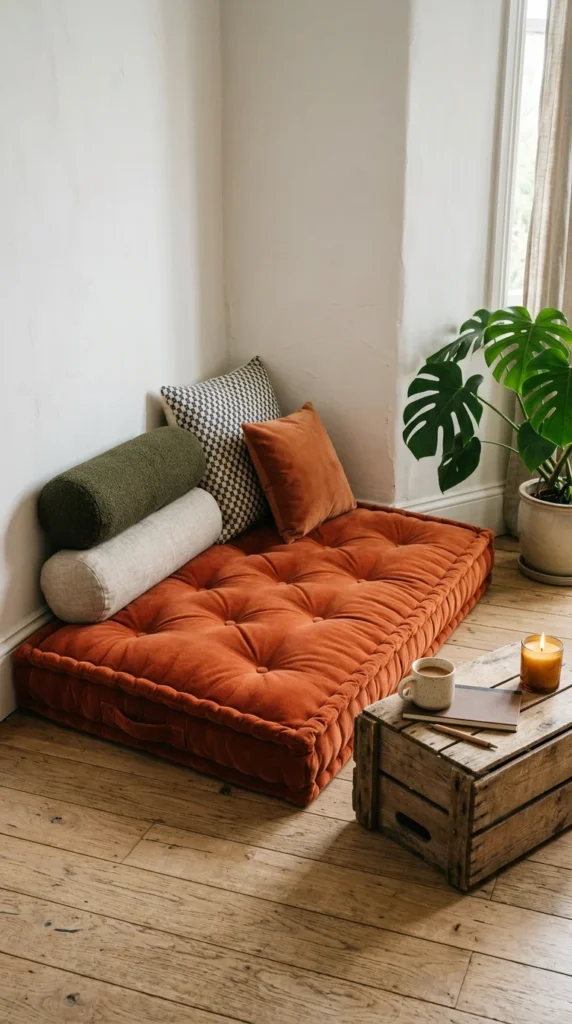
When vertical space is limited, go low. A collection of high-quality floor pillows or a Japanese-style floor mattress can serve as an incredibly cozy reading spot. This approach is particularly effective in rooms with low or slanted ceilings. It’s an affordable, flexible option that can be tucked away when you need the floor space for other activities.
6. Floating Shelves
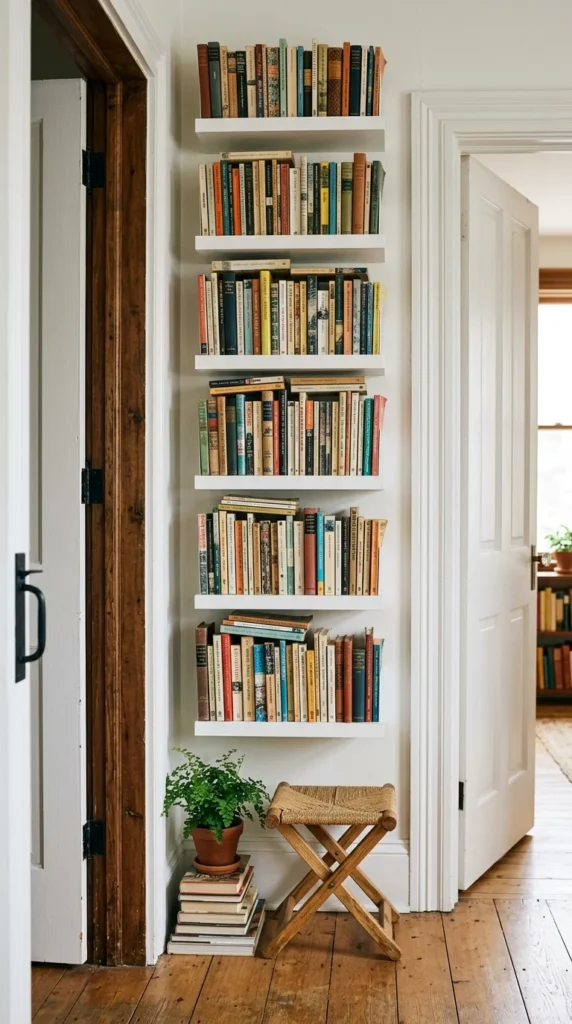
In small spaces, your library should go up, not out. Floating shelves allow you to display your collection without the bulky footprint of a traditional bookcase. By installing them in a vertical column, you create a visual focal point that draws the eye upward. Pair these shelves with a small stool or a lightweight chair to claim the space as your reading zone.
7. Under-Stairs
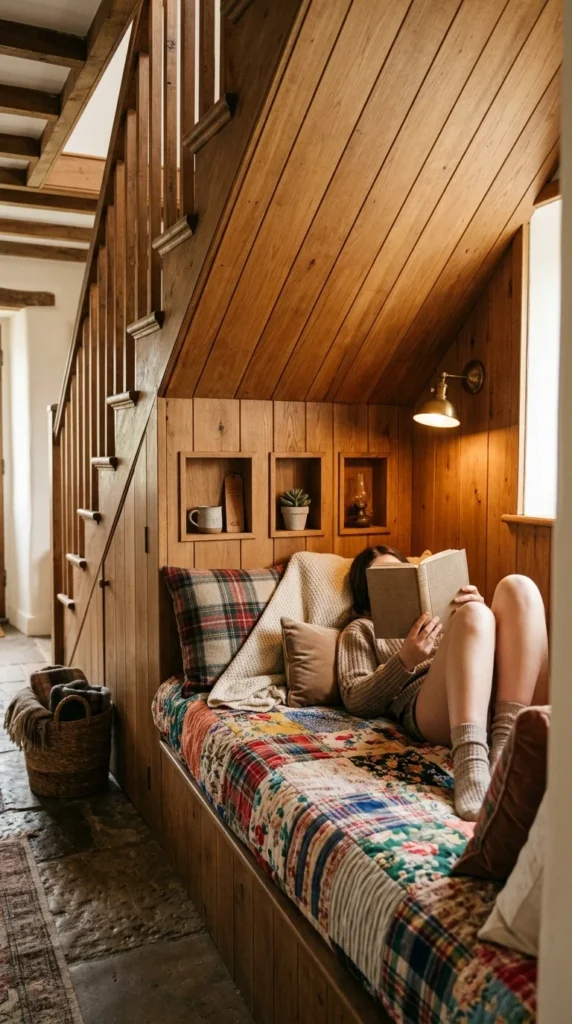
The “Harry Potter” approach is a classic for a reason. The awkward triangular space beneath a staircase is often wasted. Converting it into a reading nook makes use of every square inch of your home. Because these spaces are naturally enclosed, they provide a sense of privacy and quiet that is hard to find in open-concept living areas.
8. Room Dividers
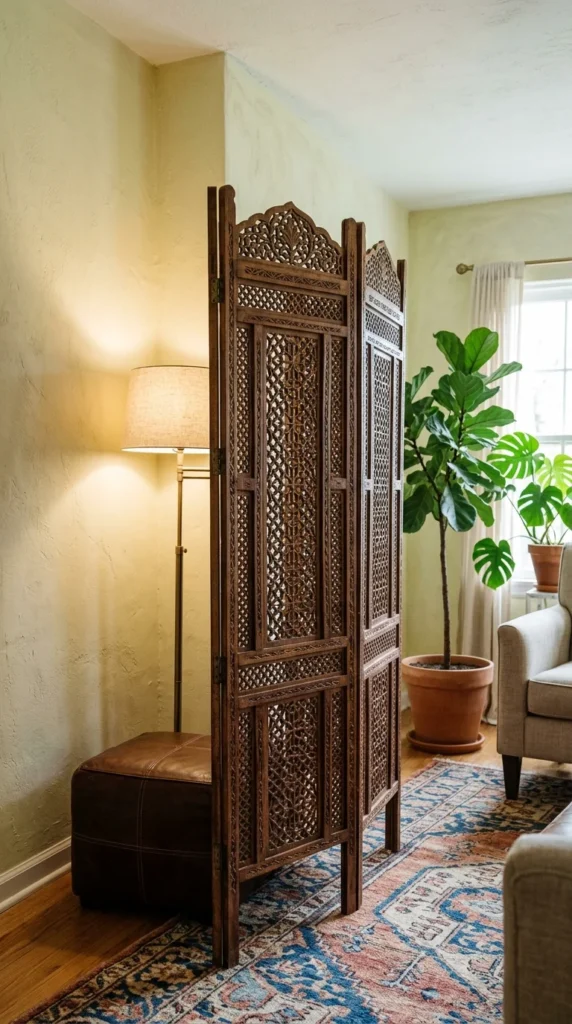
If your reading corner has to exist within a multipurpose room, use a room divider to create a “room within a room.” A folding screen, a tall plant, or even a sheer curtain can provide the psychological separation needed to focus on a book. This defines the reading area as a “quiet zone,” signaling to others in the household that you are not to be disturbed.
9. Attic Slopes
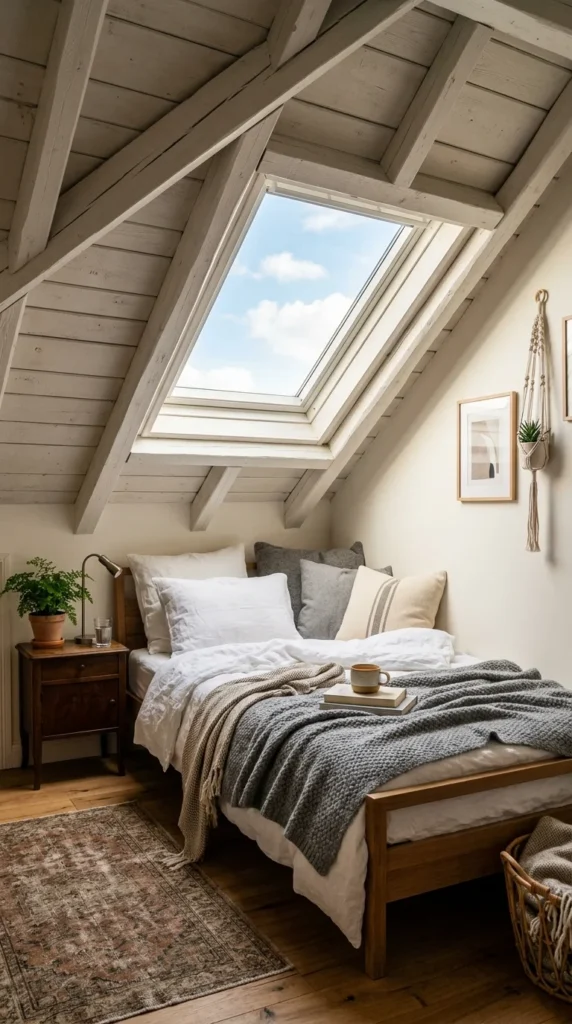
Attics often have “dead zones” where the ceiling is too low for standing. These are the perfect spots for a reading lounge. By placing a daybed or a series of cushions under the slope, you turn a structural challenge into a cozy architectural feature. The closeness of the ceiling creates a cocoon-like environment that is exceptionally snug.
10. Bean Bags
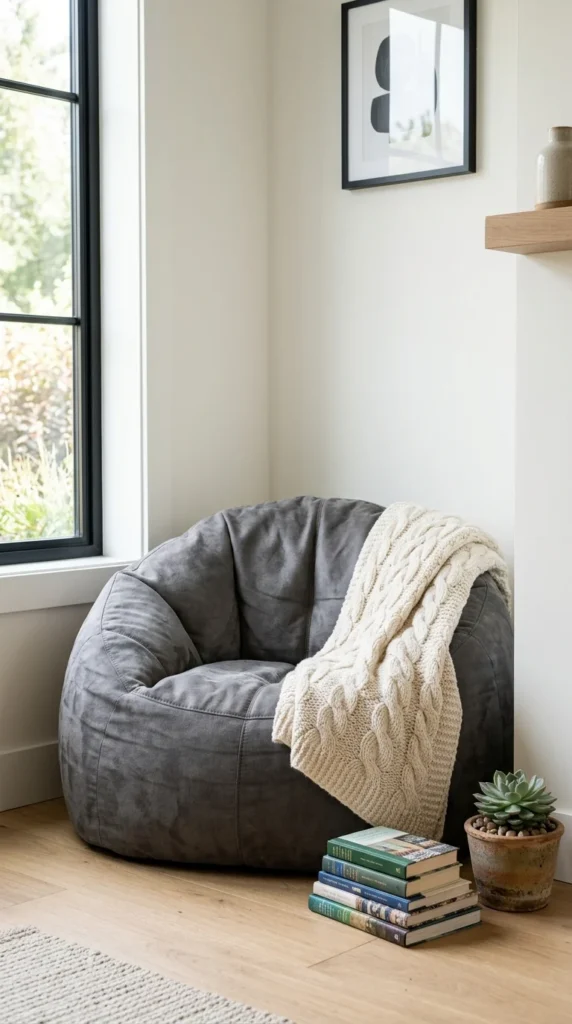
Modern bean bags have come a long way from the plastic versions of the 90s. Today’s high-end bean bags offer ergonomic support and stylish fabrics like velvet or linen. They are perfect for small spaces because they are light enough to move from room to room, and they mold to your body, providing comfort for hours of uninterrupted reading.
11. Book Carts
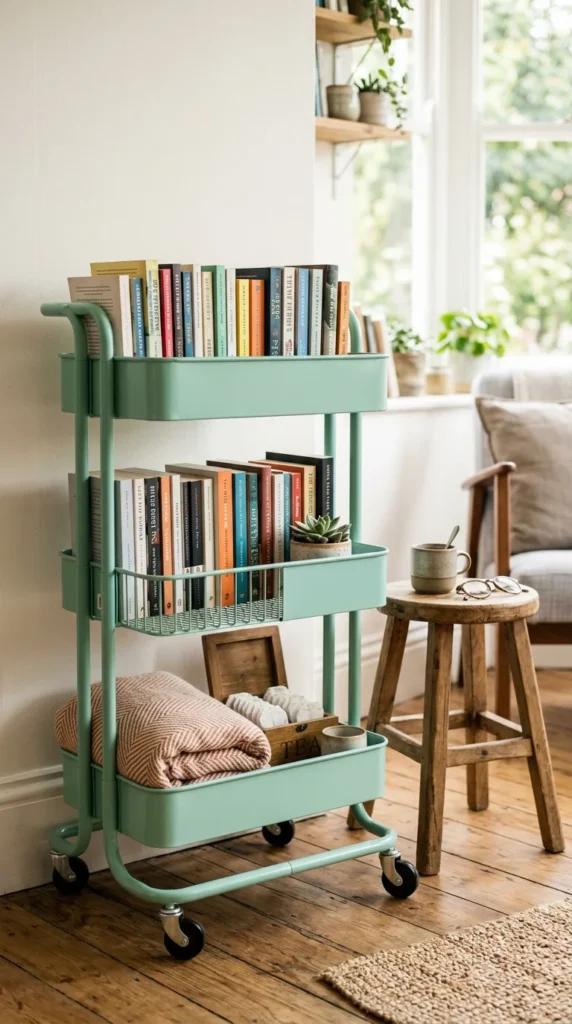
A rolling book cart is a mobile reading corner. You can keep your current “to-be-read” pile, a reading lamp, and a cozy throw on the cart. When you’re ready to read, wheel it next to your favorite chair or even your bed. This is ideal for studio apartments where furniture needs to be adaptable and mobile.
12. Ladder Shelving
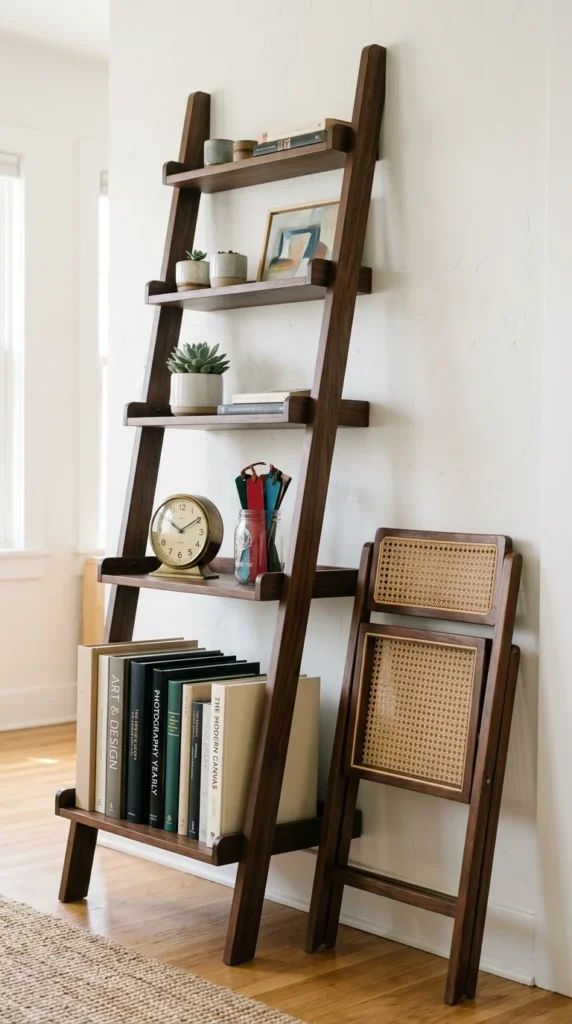
Leaning ladder shelves have a very small footprint but offer a lot of surface area. Because they lean against the wall at an angle, they feel less imposing than a standard bookshelf. Use the lower shelves for books and the eye-level shelves for a small clip-on light or a plant. This creates a vertical library that takes up less than two square feet of floor space.
13. Wall Desks
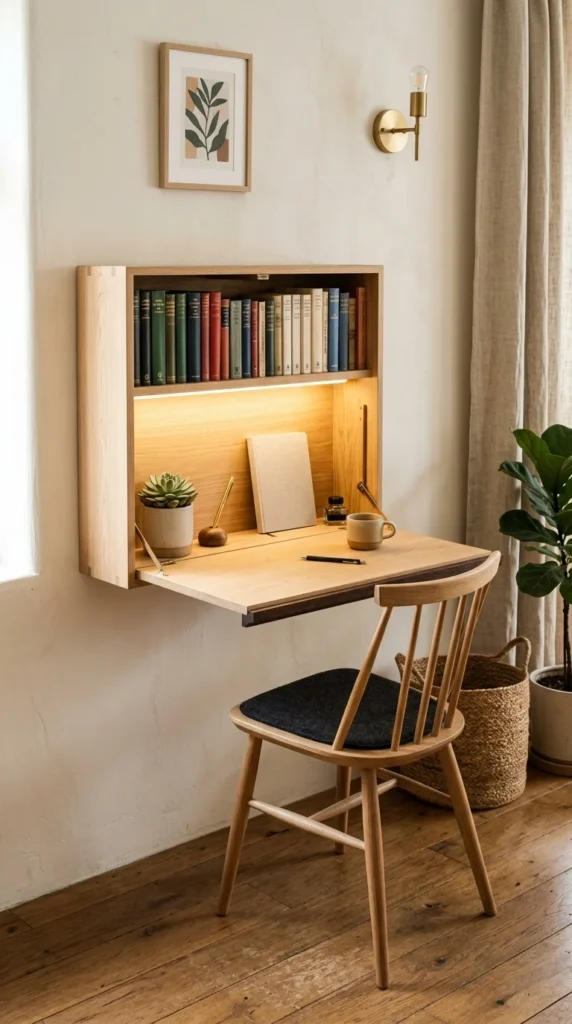
A wall-mounted desk, or “secretary desk,” can serve as a dual-purpose reading and writing station. When the desk is open, it provides a surface for your book and a cup of coffee. When closed, it hides the clutter and frees up floor space. This is a great solution for hallways or narrow bedrooms.
14. Layered Rugs
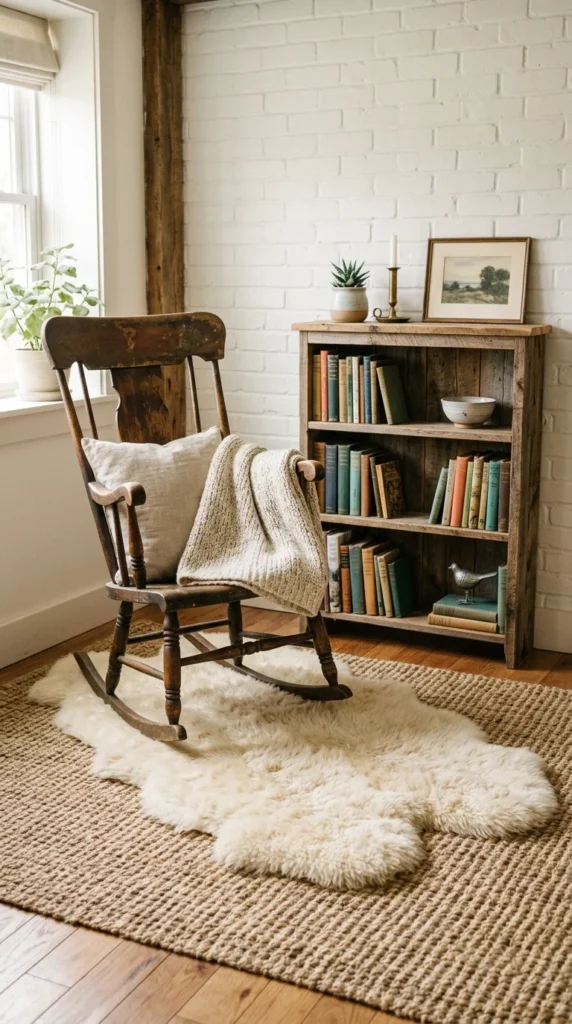
You can define a reading corner without any walls at all. Layering a small, soft rug over a larger one creates a “zone” that feels distinct from the rest of the room. The texture of the rugs adds warmth and sound dampening, which enhances the quiet atmosphere necessary for deep reading.
15. Indoor Canopies
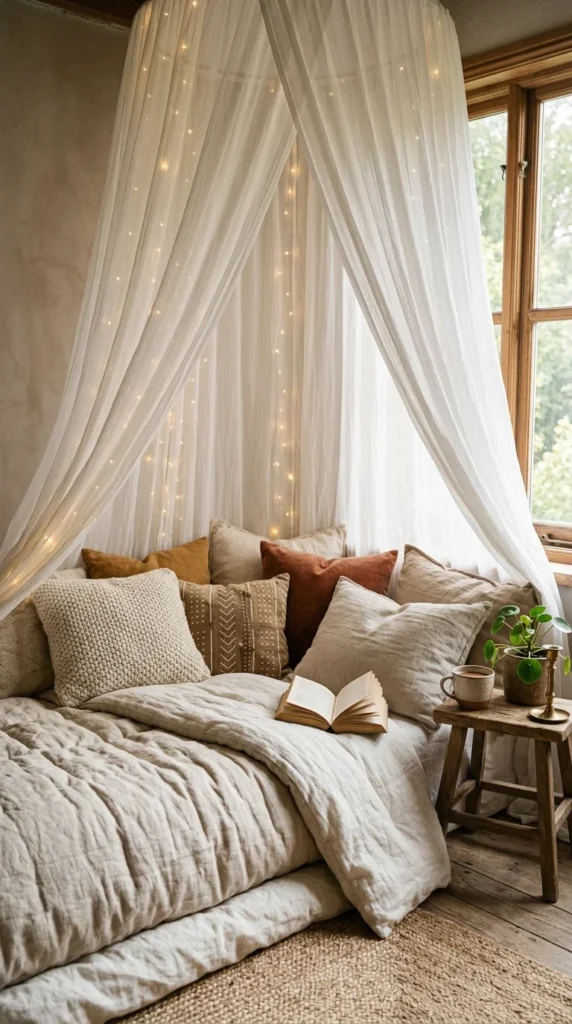
Canopies aren’t just for kids’ rooms. A sheer linen or cotton canopy draped over a corner can create a sophisticated, private retreat. It provides a visual boundary that blocks out the rest of the room’s distractions. Pair it with warm string lights to create an enchanting evening reading environment.
16. Balcony Retreats
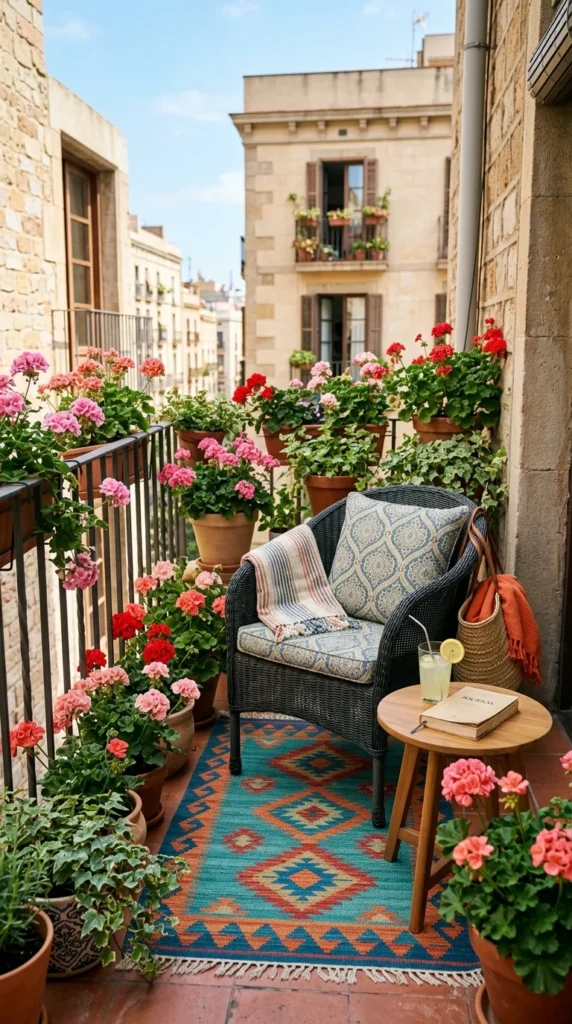
If you lack indoor space, look to your balcony. Even a tiny “Parisian” balcony can fit a slim chair and a small side table. Reading outdoors provides fresh air and a change of scenery, which can be a great way to reset. Just ensure you have weather-resistant cushions or a way to bring them inside quickly.
17. Bedside Bench
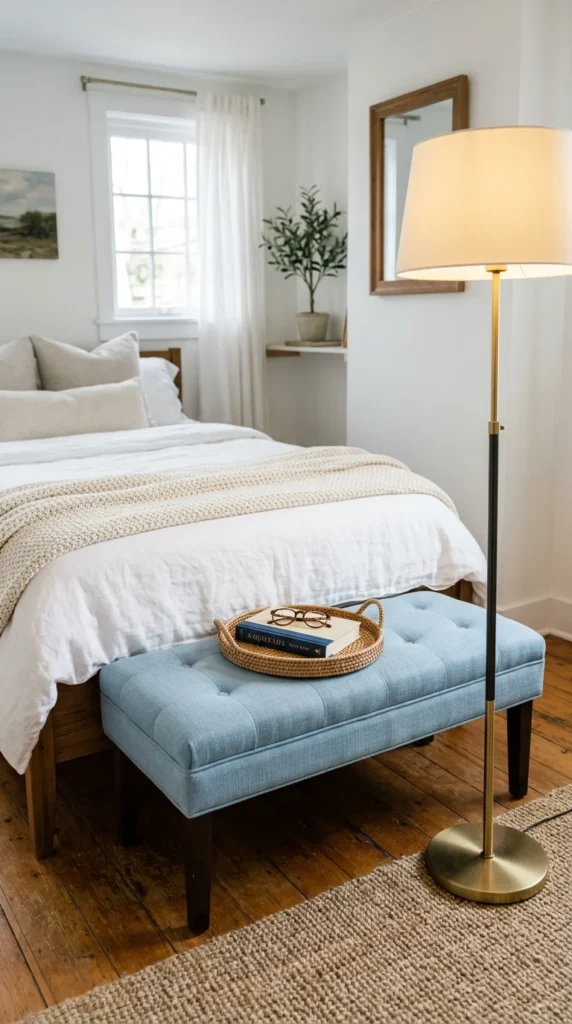
If your bedroom is your only private space, the foot of the bed is an underused asset. A narrow bench or a pair of ottomans can serve as a reading spot that doesn’t interfere with your sleeping area. It’s a great way to utilize the “traffic path” at the end of the bed that is usually left empty.
18. Canopy Drapes
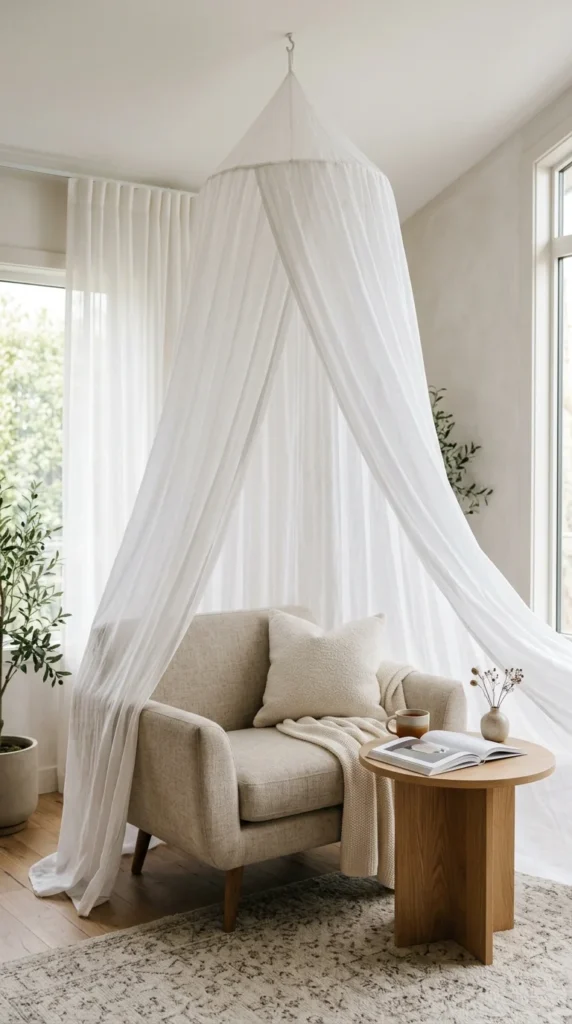
For a sense of ultimate privacy, hang lightweight drapes or a bed canopy over your reading chair. This creates a “room within a room” and provides a sense of sanctuary that is perfect for deep focus and relaxation..
19. Gallery Walls
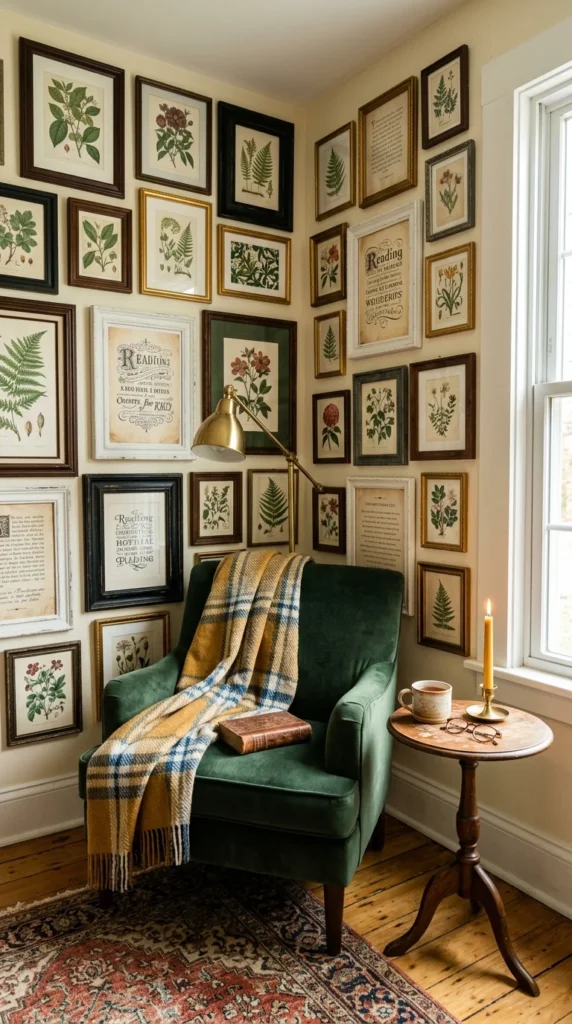
Surround your reading corner with inspiration. A gallery wall of art, maps, or literary quotes helps to “zone” the space visually. It makes the corner feel intentional and curated, rather than just a chair pushed into a corner. Choose art that makes you feel calm and focused to enhance the reading experience.
20. Minimalist Stools
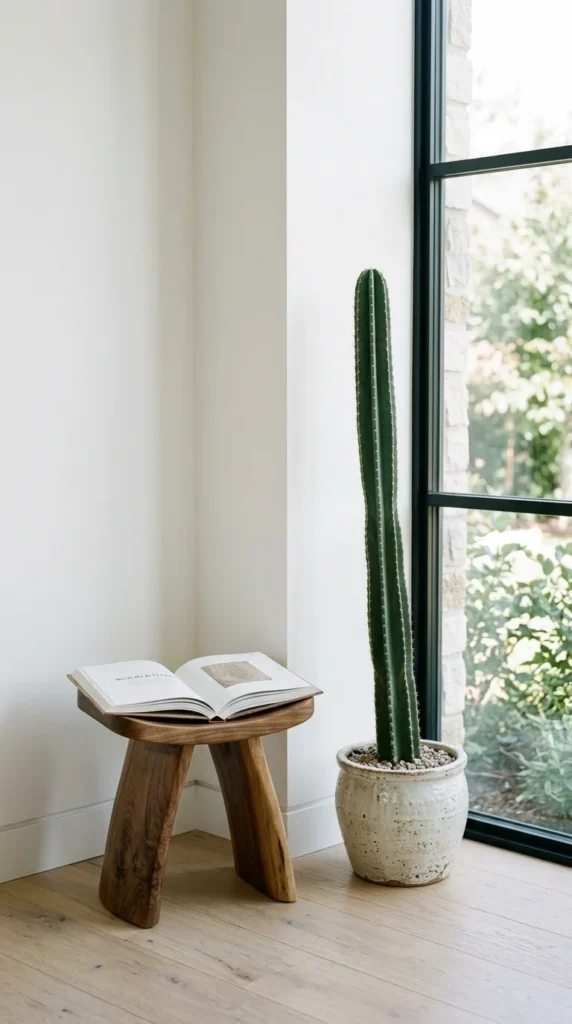
In extremely tight spaces, even a small chair might be too much. A beautiful, ergonomic stool can provide a place to sit and read for shorter bursts. Because stools have no backs or arms, they take up very little visual space and can be easily tucked under a table or into a closet when not in use.
21. Bookcase Wraps
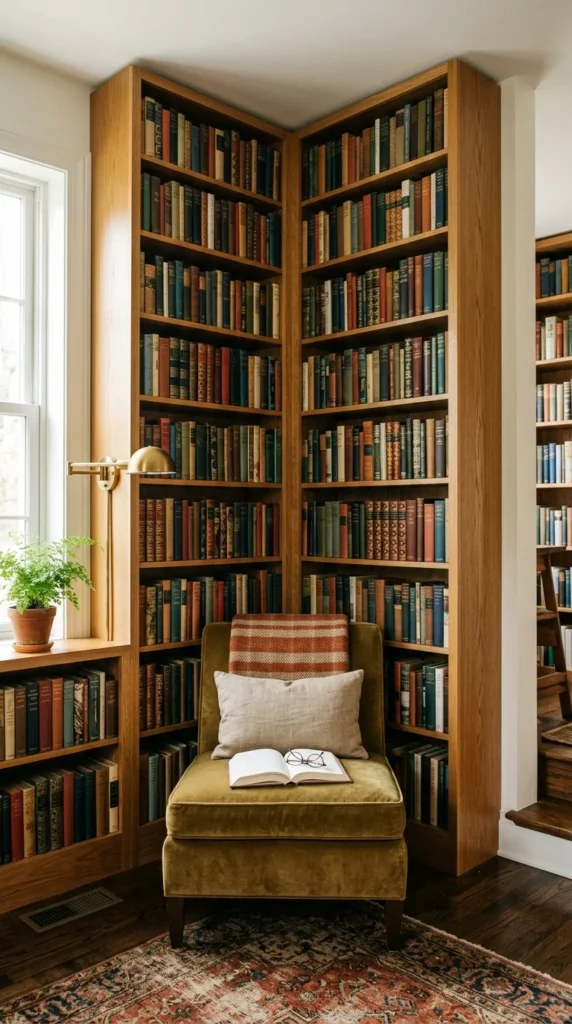
If you have a lot of books, use the bookcases themselves to build your corner. Placing two bookcases at a 90-degree angle creates a small “cove.” Put a comfortable chair in the center of that cove, and you have a reading nook that is entirely defined by your collection. It provides an immersive experience for any bibliophile.
22. Mirrored Accents
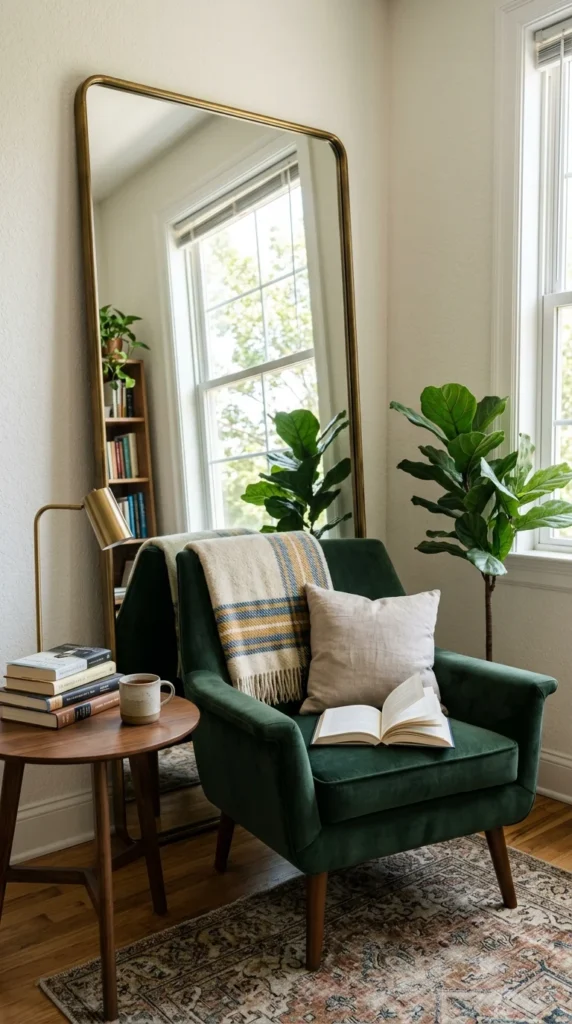
Mirrors are the oldest trick in the book for small spaces. Placing a large mirror behind your reading chair or on an adjacent wall reflects light and gives the appearance of more depth. This prevents a small corner from feeling cramped or claustrophobic, especially if you are using dark-colored furniture.
23. Fairy Lights
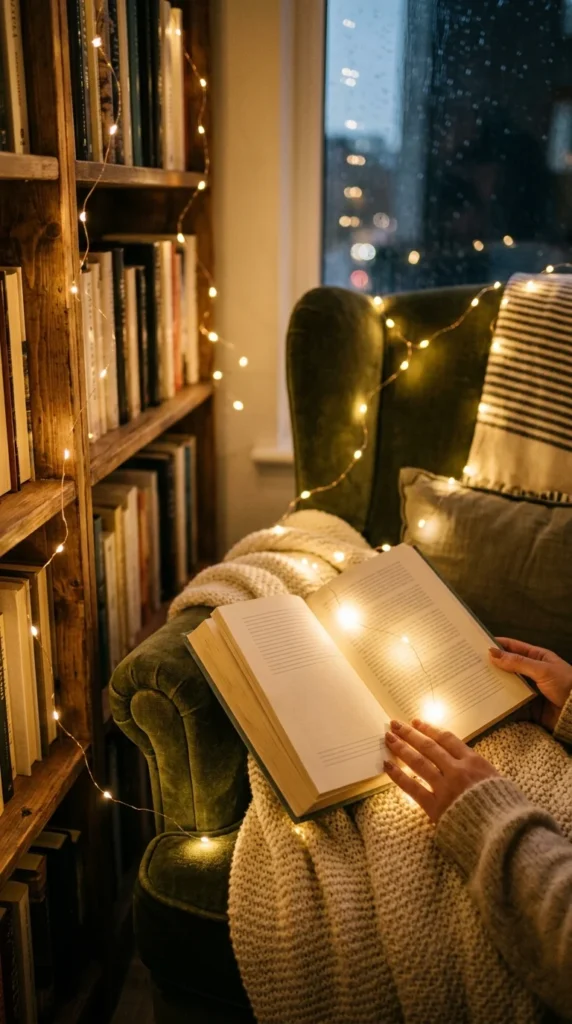
Lighting is the most important element for setting a mood. While a good reading lamp is necessary for the eyes, fairy lights or “string lights” add a layer of coziness that makes you want to stay in the corner for hours. They provide a soft, ambient glow that makes even the smallest corner feel like a high-end retreat.
24. Bold Colors
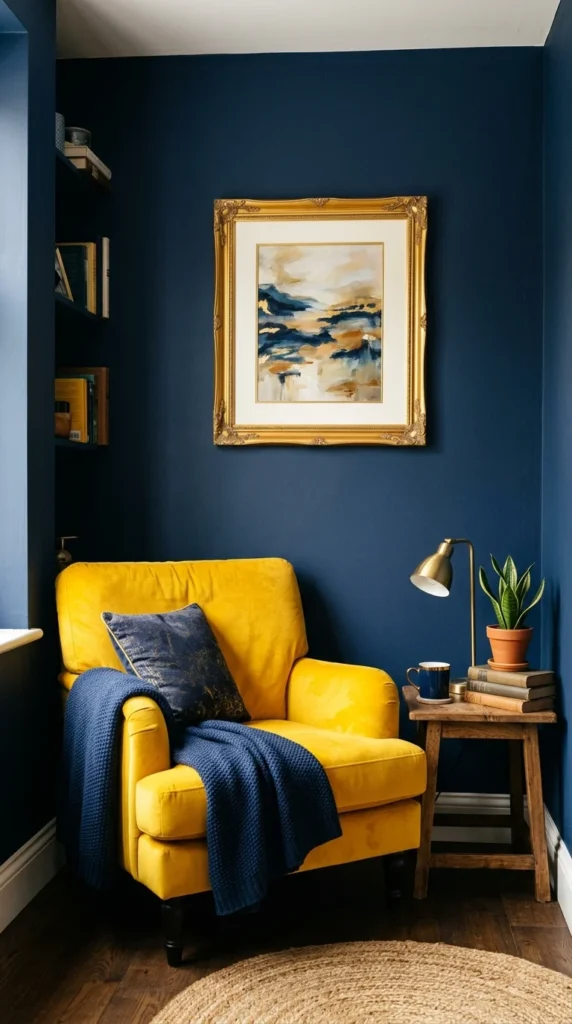
Don’t be afraid of color in small spaces. Painting a small nook a different color than the rest of the room—especially a dark, moody shade like charcoal, emerald, or navy—creates a sense of “enclosure.” This makes the area feel like a separate, cozy “pod” compared to the rest of the home.
25. Storage Trunks
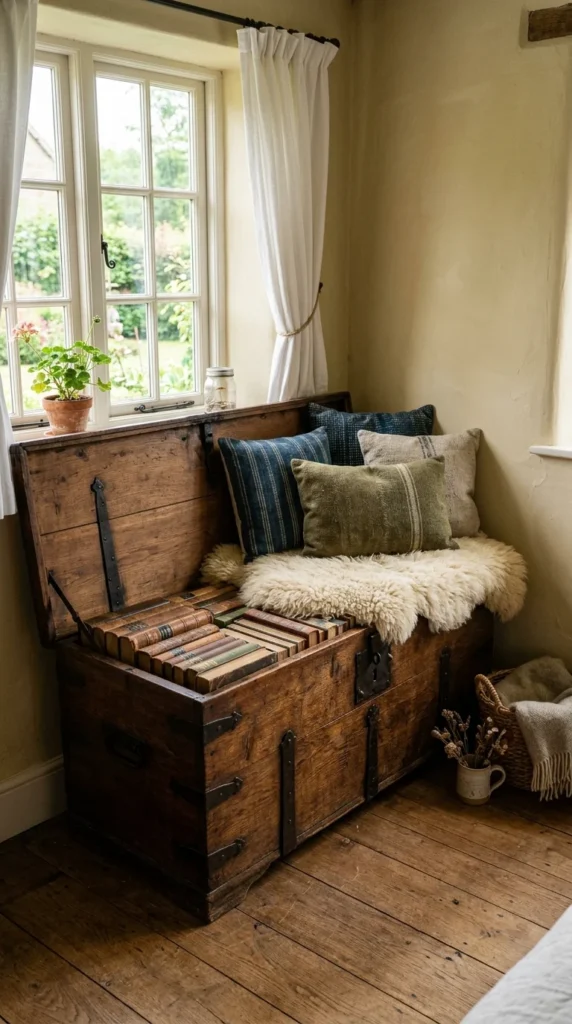
A vintage trunk or a modern storage ottoman is the ultimate multi-functional piece for a small reading corner. It provides a seat, a surface for your tea, and hidden storage for your book collection or extra blankets. It’s a sturdy, space-saving solution that adds character and history to your small-space sanctuary.