
Living in a compact urban apartment often feels like a constant battle between form and function. As square footage becomes a luxury in major cities, the way we furnish our homes has shifted from mere decoration to strategic engineering. The challenge is no longer just about finding a style you like; it’s about finding pieces that work twice as hard, disappear when not in use, and provide hidden pockets of storage.
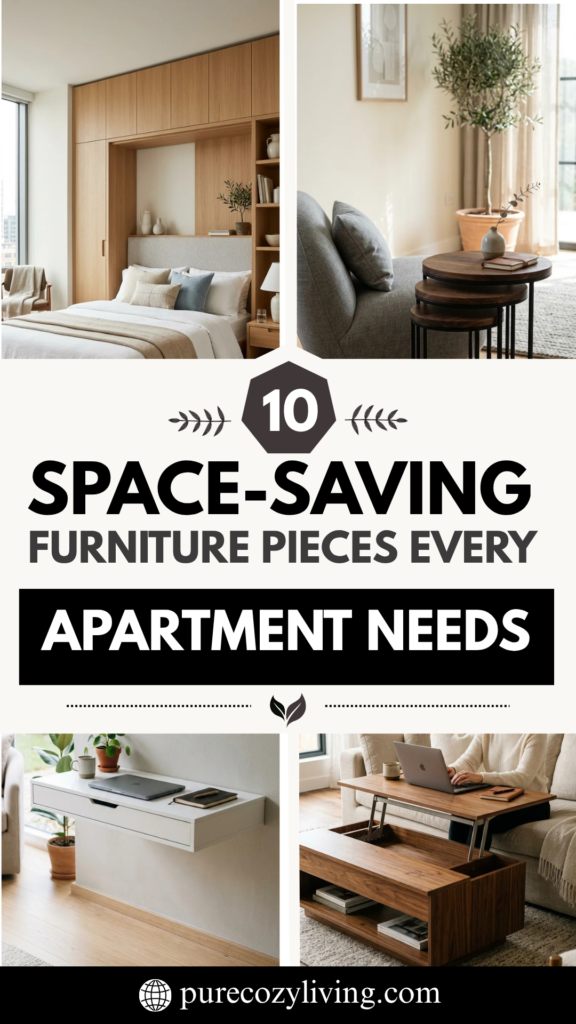
Space-saving furniture isn’t just for tiny homes or “van life” enthusiasts anymore. It is a fundamental necessity for anyone looking to maintain a clean, organized, and breathable living environment in an apartment. By choosing smart, multi-functional designs, you can transform a cramped studio into a multifunctional haven that serves as an office, a dining room, and a bedroom without feeling like any one area is compromised. Here are ten essential space-saving furniture pieces every apartment needs to maximize its potential.
1. Murphy Bed
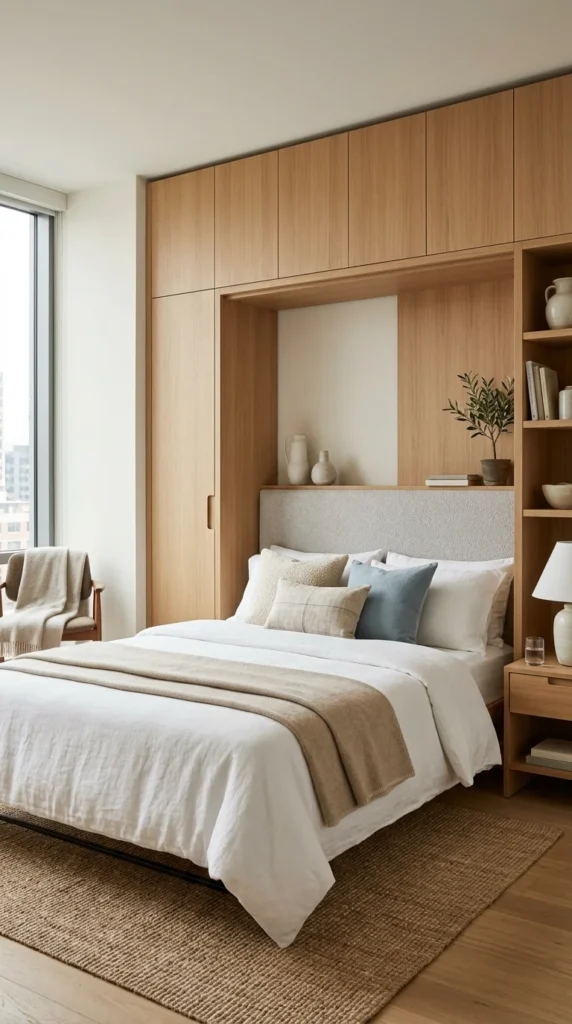
The Murphy bed, once a slapstick comedy trope, has undergone a high-end design revolution. Modern versions are sleek, easy to operate, and often come integrated with other furniture pieces like sofas or desks. In a studio apartment, a Murphy bed is the ultimate space-saver because it reclaims the largest footprint in the room—the sleeping area—during the hours you are awake.
When the bed is folded up into the wall, the room can serve as a spacious living area or a home office. Many contemporary designs feature “sofa-beds” where the bed actually folds down over a low-profile couch, meaning you don’t even have to move your seating to go to sleep. This piece is the cornerstone of small-space living because it effectively adds 30 to 40 square feet of usable floor space back into your daily life.
2. Nesting Tables
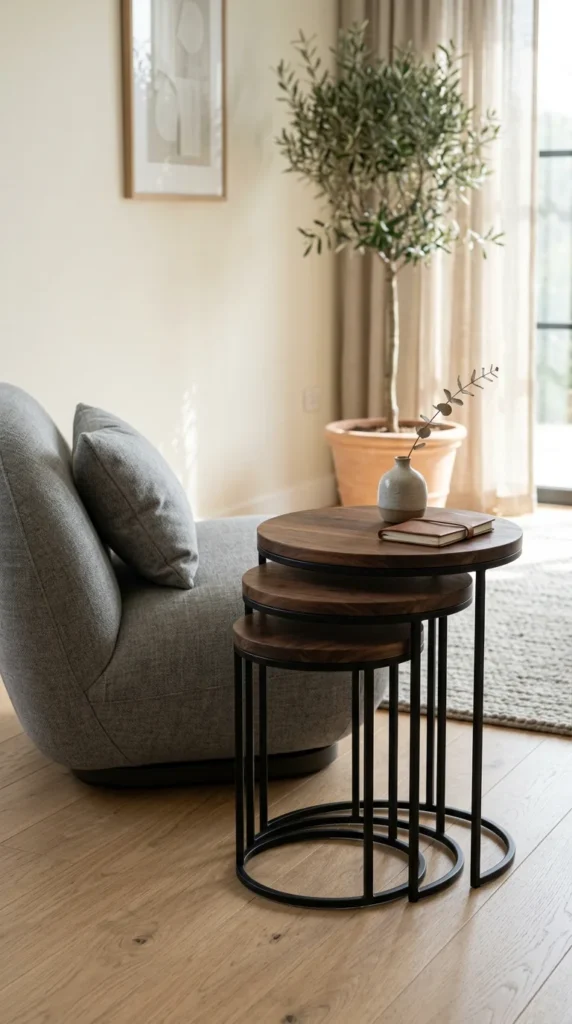
Surface area is a precious commodity in a small living room. You need a place to put your coffee or laptop, but a massive, permanent coffee table can block traffic flow and make a room feel claustrophobic. Enter nesting tables. These sets of two or three tables of varying heights are designed to stack perfectly on top of one another.
The beauty of nesting tables lies in their versatility. When you’re alone, they take up the footprint of a single small end table. When guests arrive, you can pull them out and distribute them around the room to provide everyone with a spot for their drinks or snacks. They are lightweight, easy to move, and provide “on-demand” surface area that disappears the moment you no longer need it.
3. Drop-Leaf Table
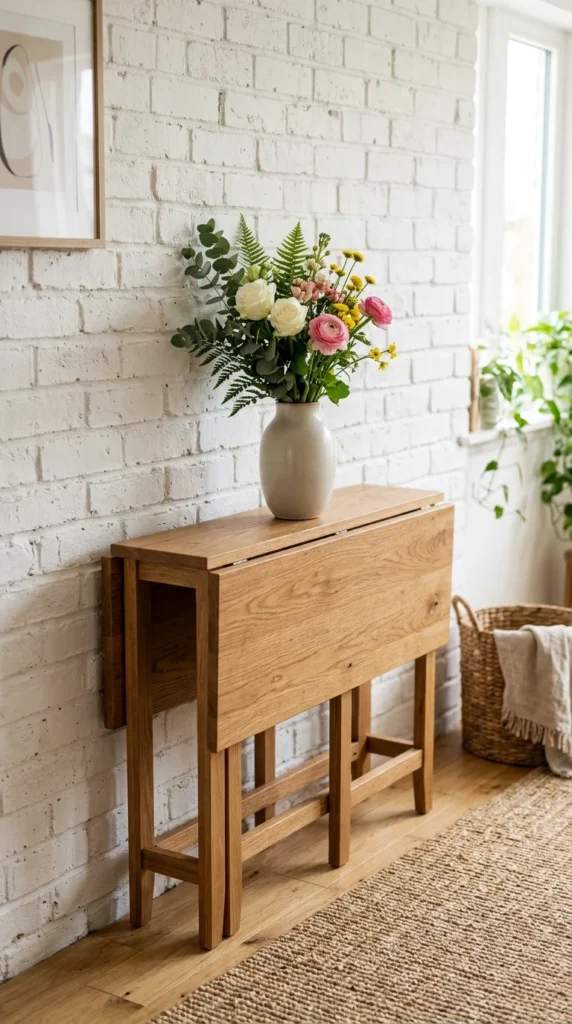
Dining rooms are often the first casualty of small apartment living. Many residents resort to eating on the sofa because a full-sized dining table simply won’t fit. A drop-leaf table solves this by offering a footprint that adjusts to your needs. With the “leaves” folded down, the table can serve as a narrow console behind a sofa or an entryway table.
When it’s time for dinner, you can lift one leaf to accommodate two people or both leaves to seat four to six. This adaptability makes it perfect for those who enjoy hosting but don’t want a massive piece of furniture dominating their daily living space. Look for models with built-in drawers in the center pedestal to store cutlery, napkins, or placemats.
4. Storage Ottoman
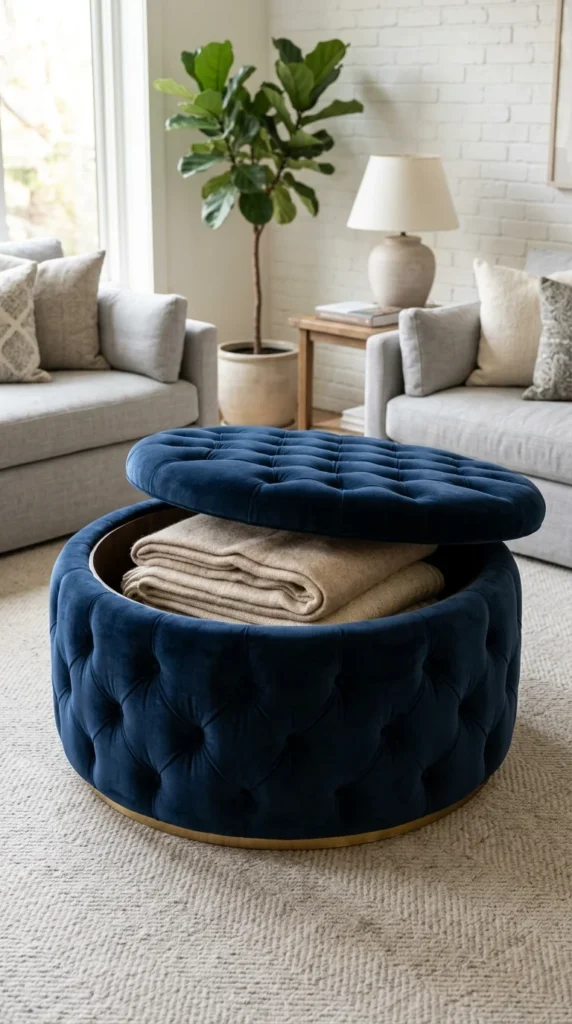
The storage ottoman is perhaps the most underrated hero of the apartment world. It serves three distinct purposes: a footrest, extra seating for guests, and a hidden trunk for clutter. In a small space, “clutter” is the enemy of peace. Items like extra throw pillows, winter blankets, or board games need a home that isn’t visible.
Choosing an ottoman over a traditional coffee table can also make a room feel softer and more inviting. Because they are upholstered, they lack sharp corners, which helps with “visual flow” in tight quarters. If you need a hard surface for drinks, you can simply place a decorative wooden tray on top.
5. Floating Desk
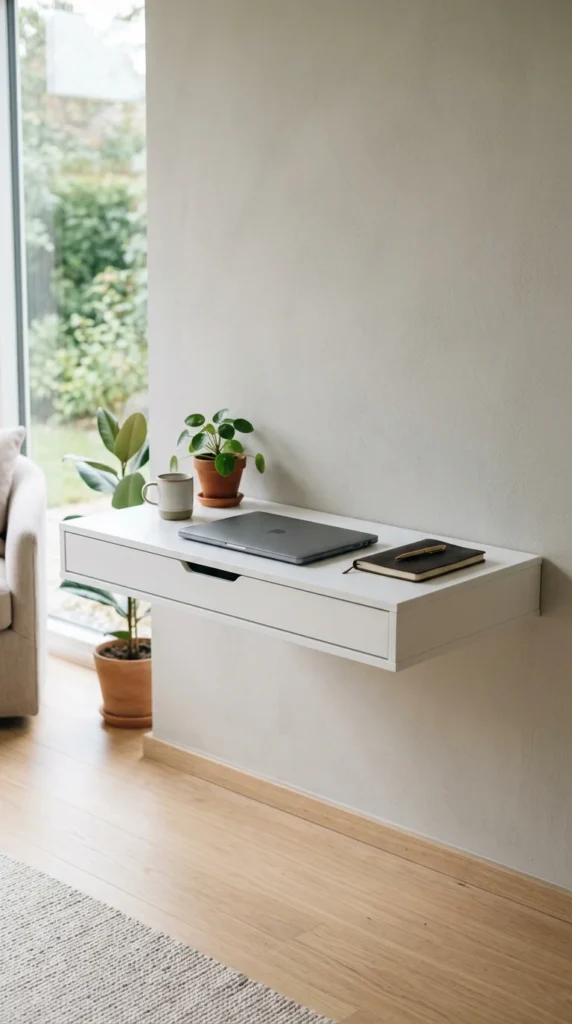
The rise of remote work has made the home office a requirement, but not everyone has a spare room. A floating desk is a wall-mounted surface that eliminates the need for bulky legs. By keeping the floor underneath the desk clear, the room appears larger and more open.
Floating desks can be installed in “dead zones”—like a small nook in the hallway, the space next to a window, or even inside a transformed closet (the “cloffice”). Some models are even “fold-down,” meaning the desk surface flips up against the wall to look like a chalkboard or a piece of art when the workday is over. This mental “closing” of the office is crucial for work-life balance in a small home.
6. Rolling Cart
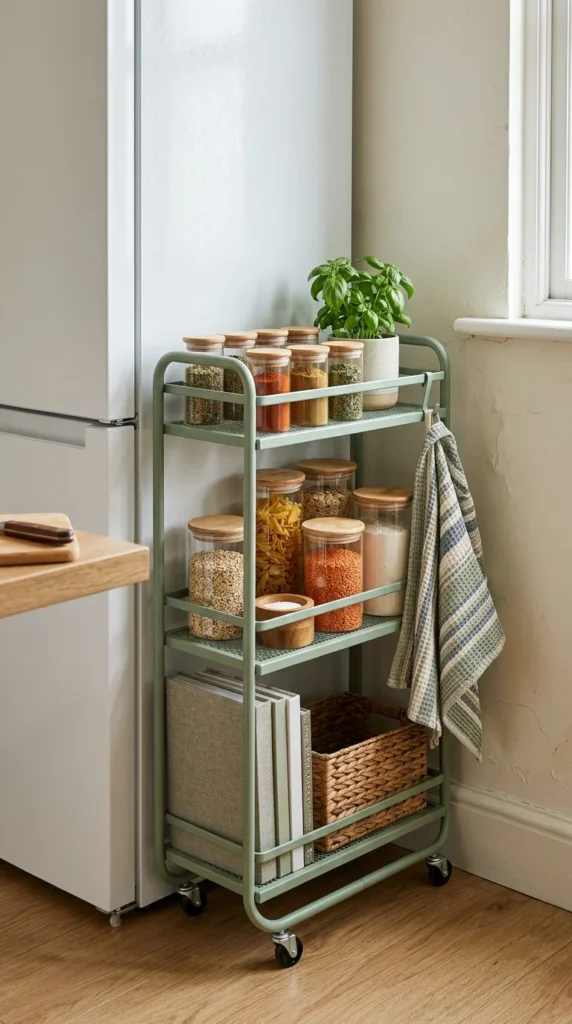
When kitchen cabinet space is non-existent, a rolling utility cart is the solution. These narrow, multi-tiered carts can hold everything from spices and oils to cleaning supplies or even a microwave. Because they are on wheels, they can be tucked into narrow gaps between appliances and pulled out only when needed.
Beyond the kitchen, rolling carts are incredibly versatile. They can serve as a mobile bar cart during a party, a craft station for DIY projects, or a bedside table in a bedroom where there isn’t enough room for a traditional nightstand. Their vertical orientation ensures you are using the air space rather than the floor space.
7. Loft Bed
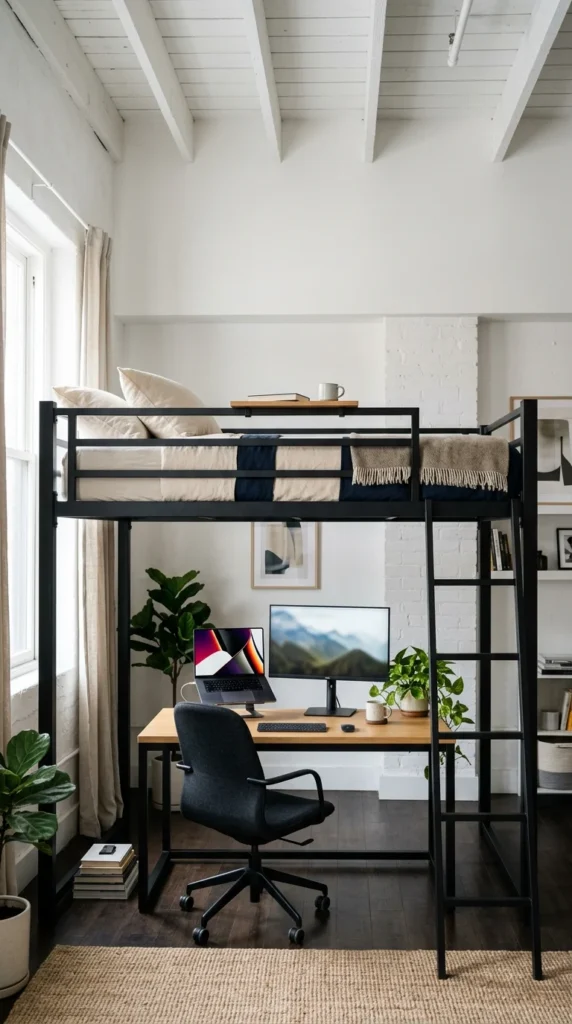
If you are blessed with high ceilings but cursed with low square footage, a loft bed is the ultimate hack. By elevating the sleeping area, you essentially double the usable space of that section of the room. The area beneath a loft bed is a blank canvas: it can become a walk-in closet, a cozy reading nook with a loveseat, or a full-scale home office.
Loft beds aren’t just for dorm rooms anymore; many modern designs use high-quality wood and industrial metal to create a sophisticated, architectural look. For adults living in studios, this “upstairs” sleeping area provides a much-needed sense of separation between “living” and “sleeping” zones, which is often missing in open-concept apartments.
8. Sofa Bed
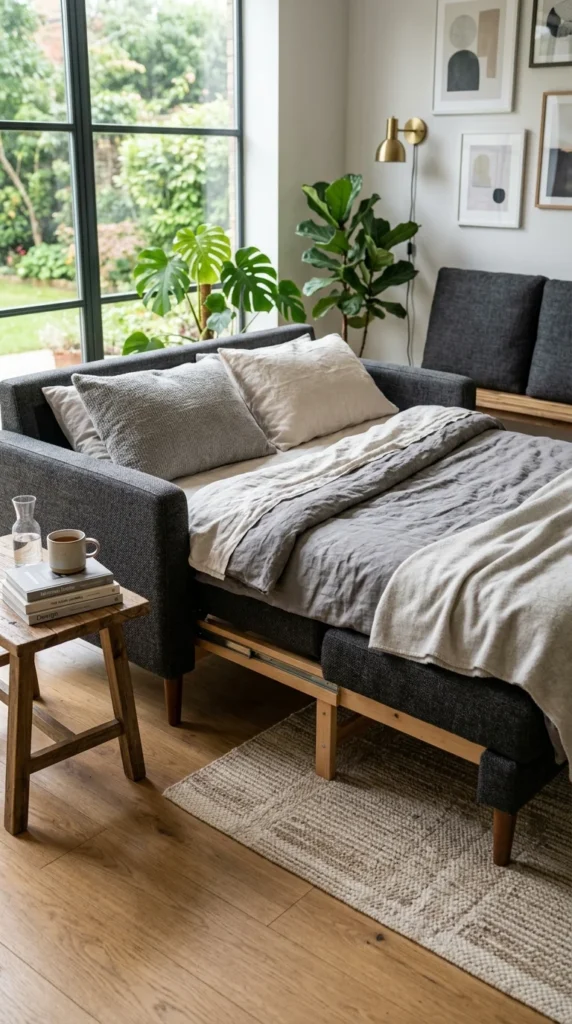
For those who frequently have overnight guests but don’t have a guest room, a sofa bed (or sleeper sofa) is non-negotiable. Modern sofa beds have moved far beyond the thin, springy mattresses of the past. Today’s options include memory foam mattresses and “click-clack” mechanisms that allow the sofa to transform into a bed in seconds.
When selecting a sofa bed for a small apartment, look for “apartment-sized” models that have thinner arms. Bulky, overstuffed armrests can add a foot of width to a sofa without adding any extra seating space. A streamlined sofa bed provides a comfortable place to watch TV by day and a legitimate sleeping option for friends or family by night.
9. Folding Chairs
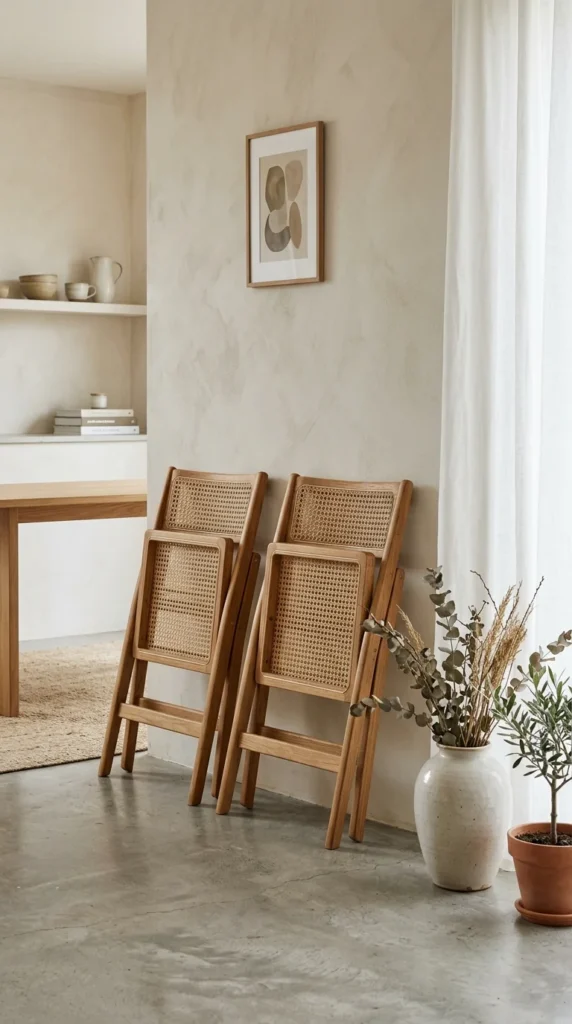
You never want to turn away guests because you don’t have enough chairs, but keeping six full-sized dining chairs in a small apartment is impractical. High-quality folding chairs are the answer. Unlike the flimsy metal chairs found in community halls, modern folding chairs are designed with aesthetics and ergonomics in mind.
When not in use, these chairs can be folded flat and stored under a bed, in the back of a closet, or even hung on decorative wall hooks. Hanging chairs on the wall is a classic Scandinavian design trick that keeps the floor clear while turning the furniture into a minimalist wall feature.
10. Lift-Top Table
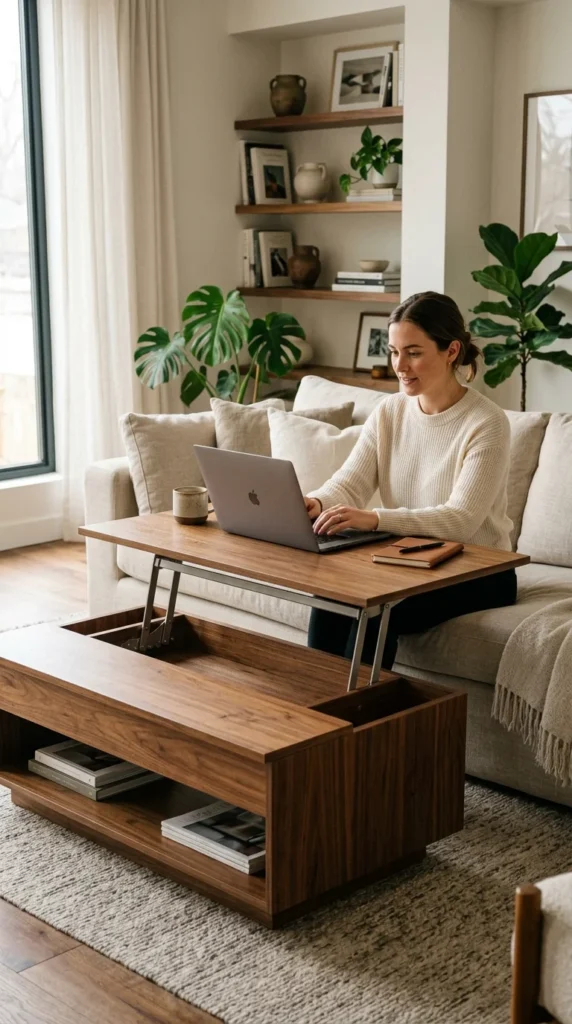
The lift-top coffee table is the ultimate “work-from-home” and “eat-on-the-couch” hybrid. On the outside, it looks like a standard, stylish coffee table. However, the top surface is on a mechanical hinge that allows it to lift up and move toward you, creating a stable, desk-height surface.
This is perfect for using a laptop or eating dinner while watching a movie. Additionally, the lifting mechanism reveals a deep storage compartment inside the table body. This hidden “trunk” is the perfect place to hide remotes, chargers, laptops, and other living room clutter that you want to keep within reach but out of sight.
The Philosophy of Small Space Living
Choosing these pieces requires a shift in mindset. Instead of asking, “Do I like this?” you must ask, “What else can this do for me?” By investing in furniture that is flexible, mobile, and multi-functional, you stop being a victim of your apartment’s size and start becoming the architect of its potential.
The key to a successful small apartment isn’t just about having less stuff—it’s about having the right stuff. When every piece of furniture has a secondary purpose or a way to disappear, the walls of a small apartment feel less like they are closing in and more like they are framing a perfectly curated, highly efficient life.