
Decorating a rental apartment often feels like a balancing act between making a space feel like home and ensuring you don’t lose your security deposit. Unlike homeowners, renters face restrictions on painting, drilling, or structural changes. However, a limited budget and strict lease shouldn’t prevent you from expressing your personal style. Transforming a “cookie-cutter” unit into a curated sanctuary is entirely possible with a bit of creativity and the right temporary solutions.
The key to successful rental decorating is focusing on high-impact, low-cost changes that are easily reversible. By prioritizing items that can move with you to your next home, you maximize your investment while instantly elevating your current environment. Here are 15 budget-friendly ways to transform your rental apartment.
1. Peel-and-Stick
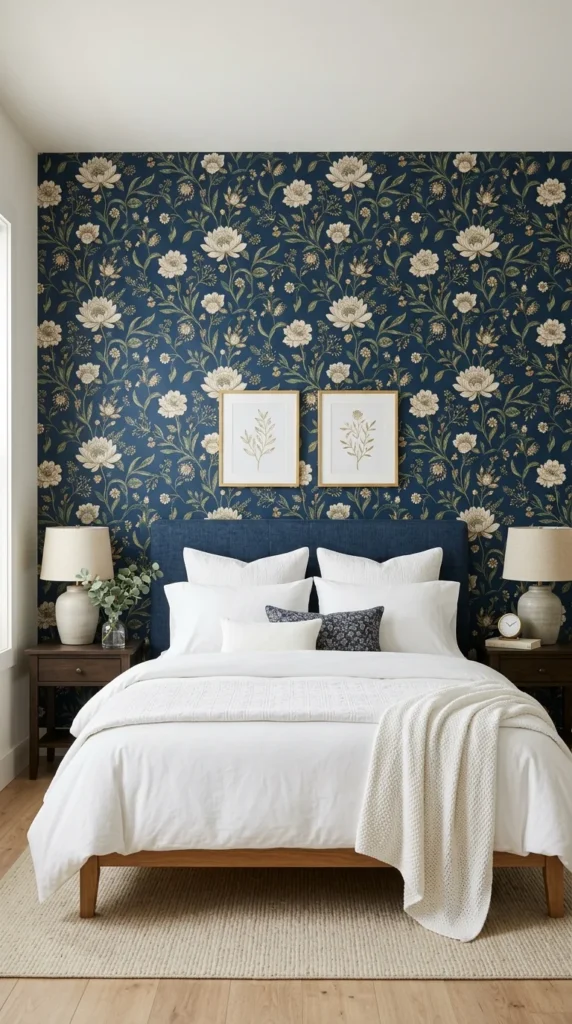
Temporary wallpaper, often called peel-and-stick wallpaper, has revolutionized rental decorating. Unlike traditional wallpaper that requires messy paste and permanent commitment, these vinyl-based sheets act like giant stickers for your walls. They are easy to apply and, more importantly, easy to remove without damaging the paint underneath.
You can use a bold pattern to create a focal point behind your bed or a subtle texture to add warmth to a dining area. If a full wall feels too daunting, consider using leftovers to line the back of bookshelves or the inside of a closet. This simple addition adds layers of visual interest and hides the sterile white walls common in many rental units.
2. Statement Rugs
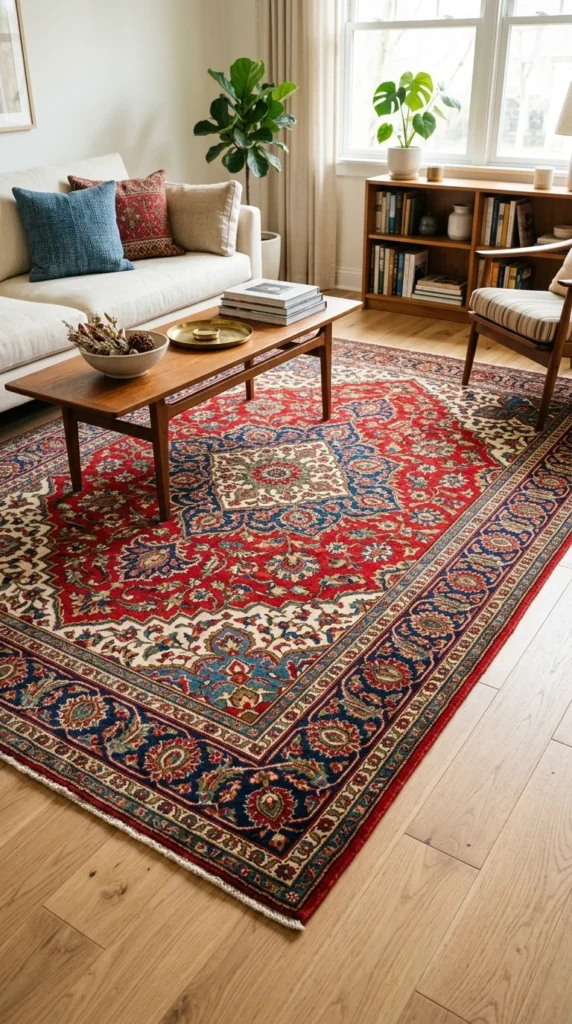
Flooring is often the most disappointing aspect of a rental—be it dated beige carpeting or scratched laminate. A large statement rug is the ultimate “camouflage” tool. Not only does it hide unsightly floors, but it also serves as an anchor for your furniture, defining different zones in an open-concept layout.
When shopping for rugs on a budget, look for materials like jute or seagrass for a natural, earthy vibe, or search for machine-washable synthetic rugs that can withstand high traffic. Layering a smaller, patterned rug over a larger, neutral one is another designer trick that adds depth and comfort to a room without requiring a massive financial layout.
3. Removable Hardware
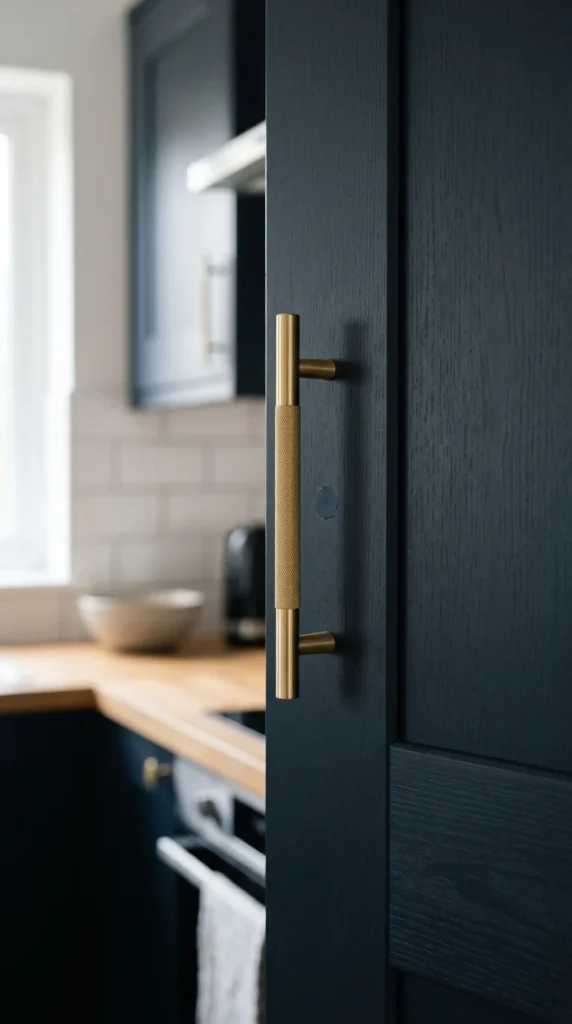
Most rentals come with basic, builder-grade cabinet knobs and drawer pulls that lack character. Replacing these is one of the quickest and most affordable ways to “customize” a kitchen or bathroom. You can find stylish hardware in matte black, brass, or ceramic at hardware stores or online vintage shops.
Keep a small container to store all the original hardware and screws provided by your landlord. When it’s time to move out, simply swap your stylish handles back for the originals. This small detail can make a dated kitchen feel contemporary and high-end for less than the cost of a dinner out.
4. Command Hooks
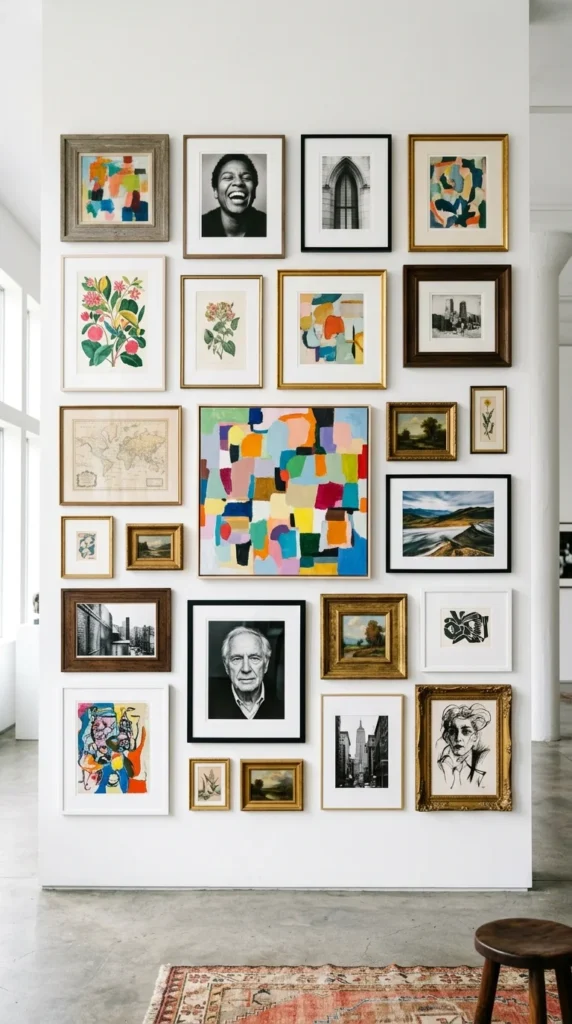
Drilling holes into walls is a major “no-no” for many landlords. Command hooks and adhesive strips are the renter’s best friend, allowing you to hang everything from heavy frames to floating shelves without a single nail. This enables you to create a gallery wall—a collection of art, photos, and mementos that tells your personal story.
To make your gallery wall look professional, lay the frames out on the floor first to find the right arrangement. Once you’re happy with the layout, use adhesive strips to secure them to the wall. This adds vertical interest to your space and makes the apartment feel much more lived-in and intentional.
5. Potted Plants
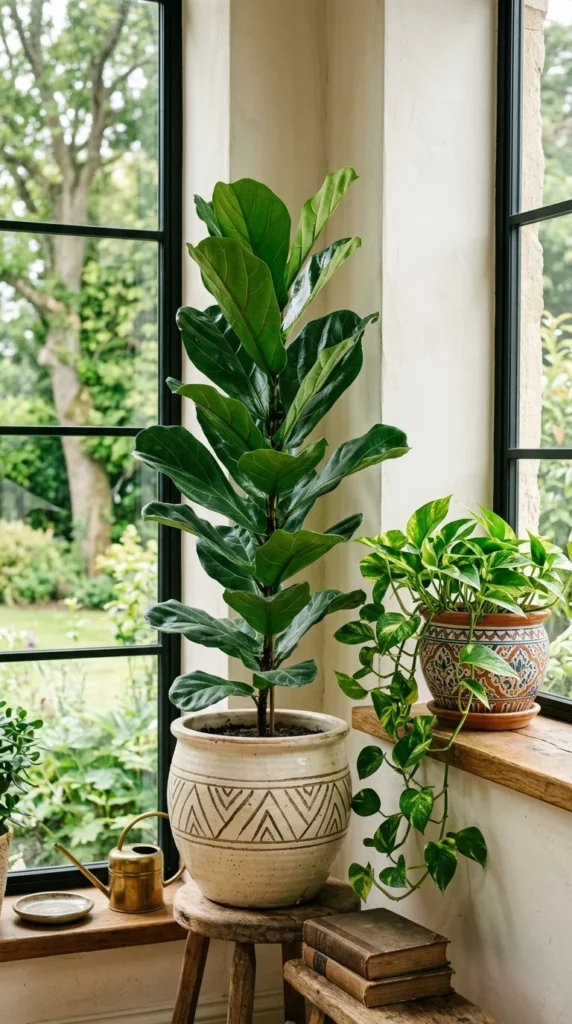
Biophilic design—the practice of bringing the outdoors in—is a powerful tool for renters. Plants add color, life, and texture to a room, and they also help purify the air. Even if you don’t have a “green thumb,” there are many low-maintenance options like snake plants, ZZ plants, or pothos that thrive in varying light conditions.
Use plants to fill empty corners, decorate window sills, or add height to a side table. Matching your pots to your decor style (such as terracotta for a rustic look or sleek white ceramic for a modern look) helps tie the room together. Plus, plants are an investment you take with you wherever you go.
6. Lighting Fixtures
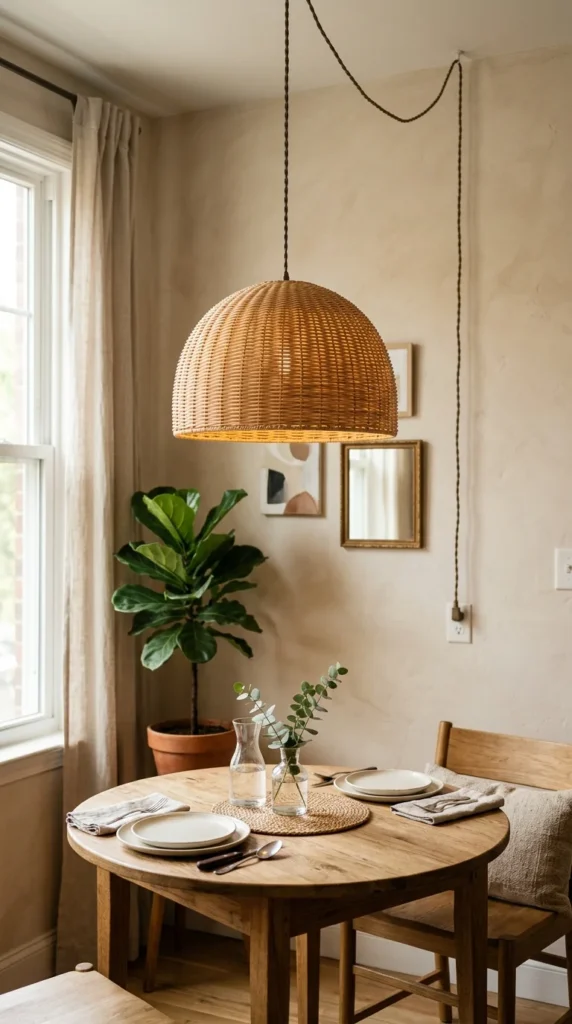
Standard rental lighting is often harsh and clinical. You can significantly change the mood of your home by swapping out boring “boob lights” for something more stylish—provided you know how to safely change a fixture and keep the original for move-out. However, an even easier solution is using plug-in pendant lights.
These fixtures plug into a standard wall outlet and can be draped over a hook in the ceiling. They allow you to place light exactly where you need it, such as over a dining table or a reading nook, without needing an electrician. Swapping out cool-toned LED bulbs for warm-toned ones also goes a long way in creating an inviting atmosphere.
7. Mirror Magic
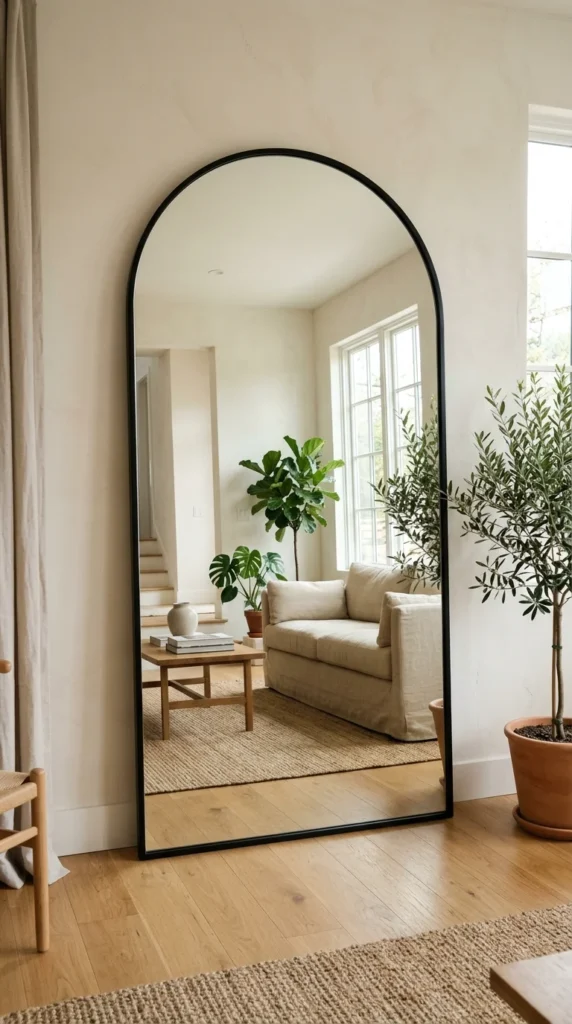
Mirrors are a classic interior design trick for a reason: they bounce light around the room and create the illusion of more space. In a small or dimly lit rental, a well-placed mirror can be transformative. A large floor-length mirror leaning against the wall adds a touch of luxury and eliminates the need for wall mounting.
Look for mirrors with interesting frames—such as ornate gold for a vintage feel or thin black metal for an industrial look. Placing a mirror opposite a window is the most effective way to maximize natural light, making your apartment feel bright and airy even on cloudy days.
8. Window Treatments
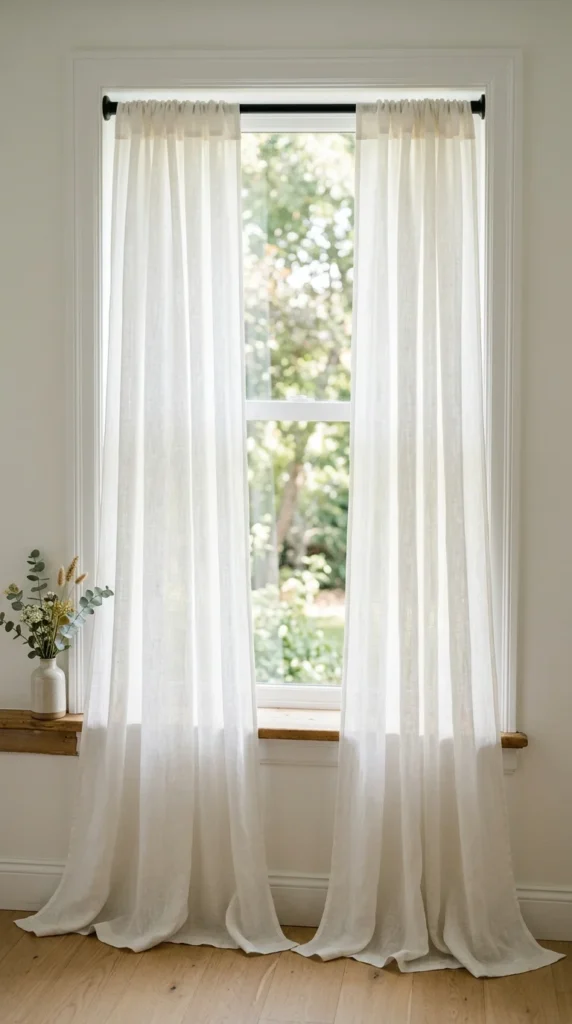
Many rentals come with cheap plastic blinds that are functional but unattractive. You can dramatically improve the look of your windows by adding curtains. If you aren’t allowed to drill holes for curtain rods, “no-drill” brackets that hook onto existing blind headers or heavy-duty tension rods are excellent alternatives.
Choose light, breathable fabrics like linen or cotton to let in natural light while maintaining privacy. Hanging your curtain rod higher and wider than the actual window frame creates the illusion of taller ceilings and larger windows, giving the entire room a more “expensive” feel.
9. Contact Paper
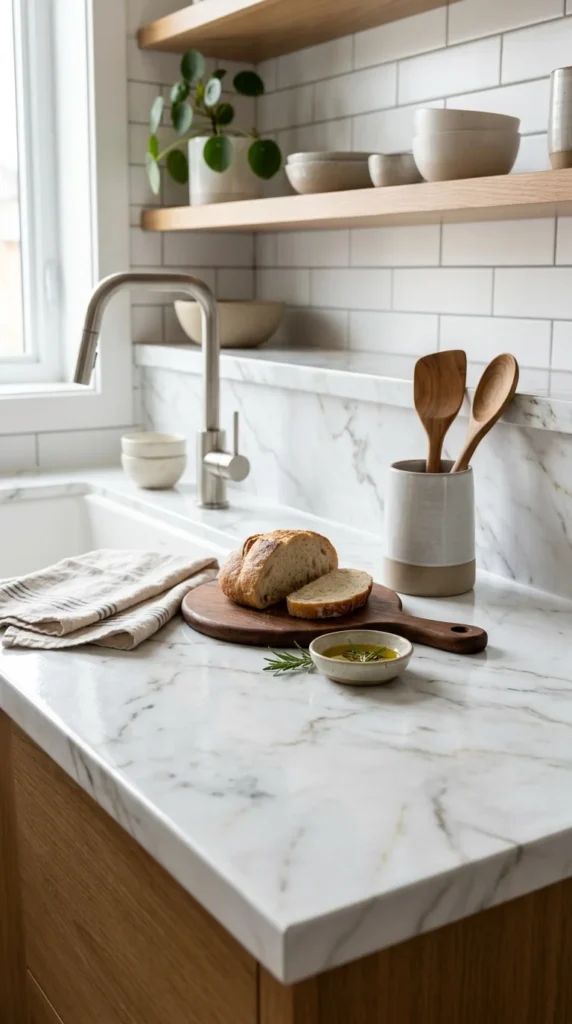
If your rental kitchen has stained or dated countertops, contact paper is a budget-friendly lifesaver. Modern contact paper comes in incredibly realistic finishes, including marble, granite, and wood grain. It is water-resistant and durable enough to handle daily kitchen tasks.
Applying contact paper requires patience and a steady hand (and a squeegee to remove air bubbles), but the result is a completely transformed kitchen or bathroom. Like peel-and-stick wallpaper, it can be removed at the end of your lease, though you may need a hair dryer to warm the adhesive for an easier peel.
10. Floor Lamps
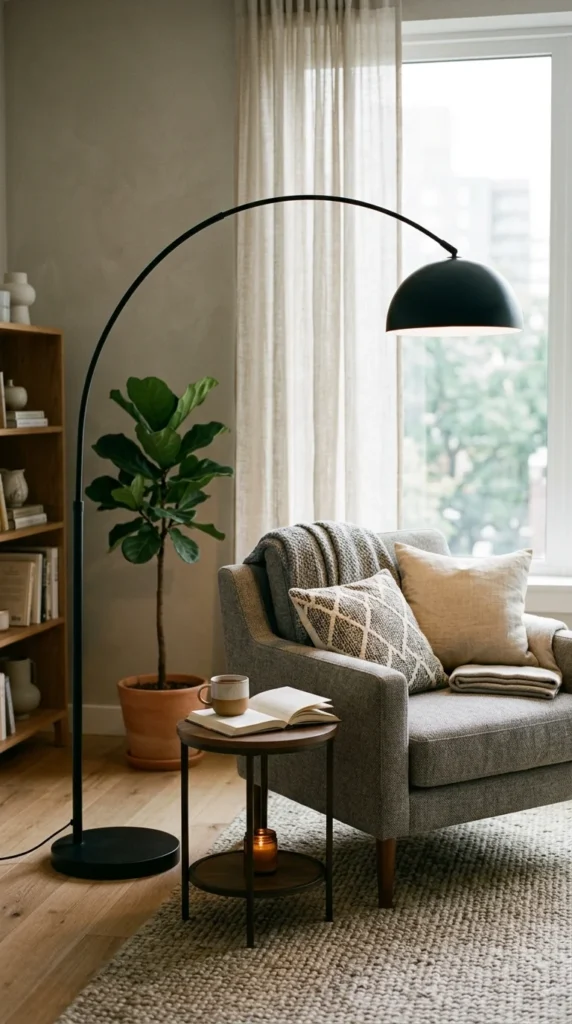
Relying solely on overhead lighting is a common decorating mistake. To create a cozy, layered look, you need “task” and “accent” lighting. Floor lamps are perfect for this because they don’t require any installation and can be moved around as needed.
An arc lamp can provide overhead light for a sectional sofa, while a tripod lamp can fill an empty corner with a soft glow. Using lamps instead of the main ceiling light in the evenings creates a relaxing environment and hides the imperfections of a rental space by controlling where the light falls.
11. Throw Pillows
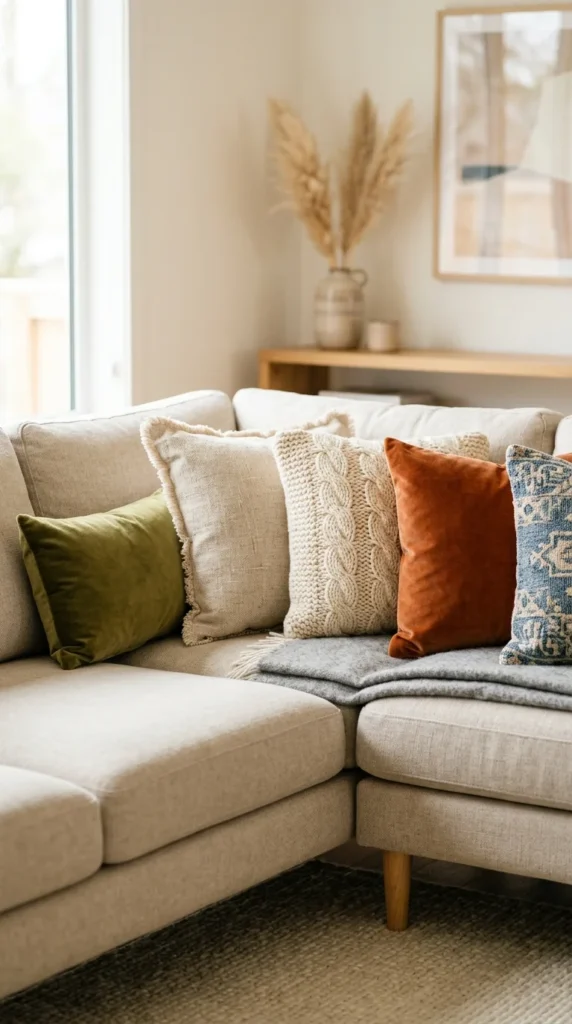
One of the fastest ways to inject your personality into a rental is through textiles. If you’re stuck with a neutral, landlord-provided sofa or an old couch you can’t afford to replace, throw pillows are your best friend. They allow you to experiment with colors, patterns, and textures without a big commitment.
Mix and match different sizes and materials to create a high-end, layered look. For a cohesive feel, pick a color palette of two or three shades and vary the patterns (e.g., one solid, one stripe, and one floral). Best of all, you can swap them out seasonally to keep your space feeling fresh.
12. Bookshelf Styling
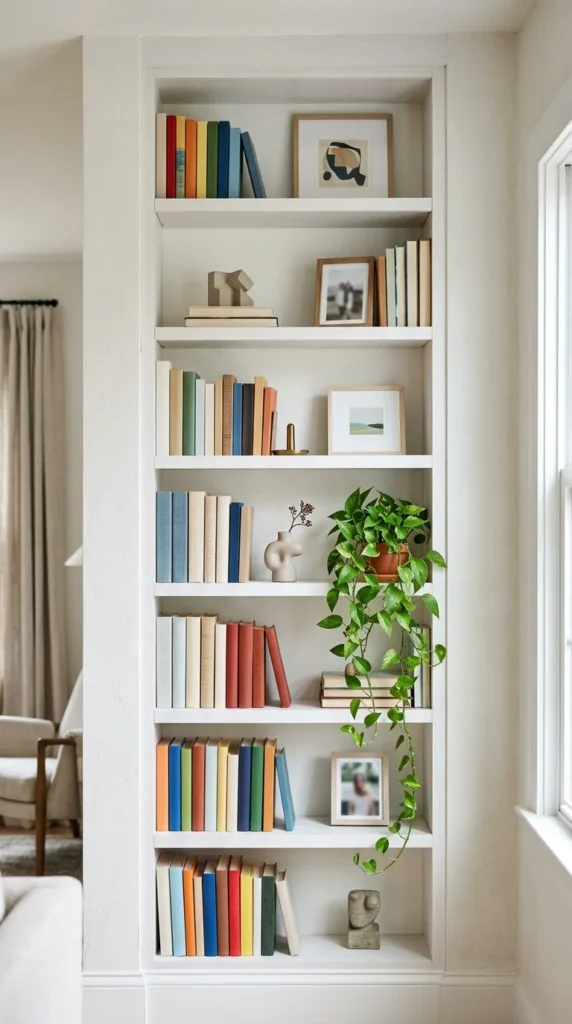
Storage is often a challenge in rentals, leading to cluttered surfaces. A tall bookshelf provides ample storage while offering a “stage” for decor. Instead of just cramming books onto the shelves, treat them as a design element.
Style your shelves by mixing vertical and horizontal book stacks, and leave some “white space” for decorative objects like vases, candles, or small artworks. This turns a functional piece of furniture into a curated display that reflects your interests and adds character to the room.
13. Washi Tape
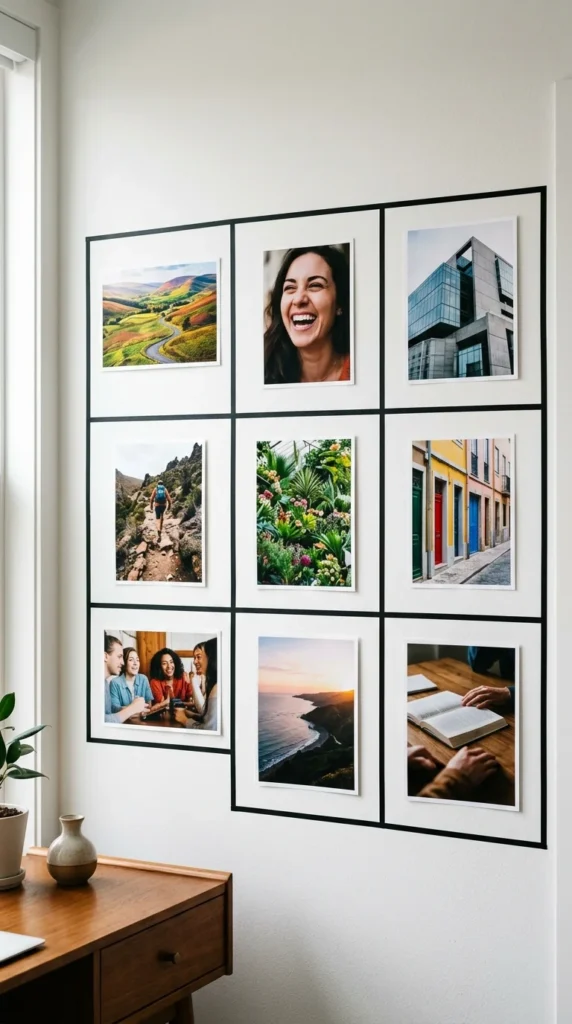
Washi tape is a colorful, paper-based adhesive tape from Japan that is incredibly gentle on surfaces. For renters, it’s a versatile tool for adding small decorative touches. You can use it to create “faux” frames for posters, design geometric patterns on a plain door, or even create a temporary “headboard” on the wall behind your bed.
Because it comes in endless colors and patterns and leaves zero residue, washi tape is perfect for those who like to change their decor frequently. It’s an ultra-low-cost way to add a playful, graphic element to any room.
14. Room Dividers
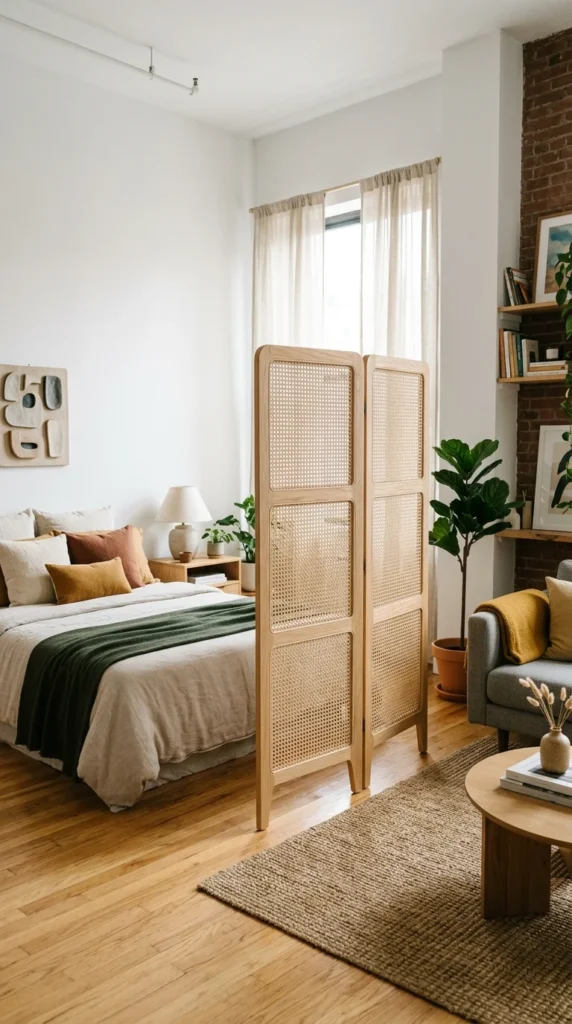
In studio apartments or open-concept rentals, defining separate areas for sleeping, working, and relaxing is essential for mental well-being. Since you can’t build walls, a room divider is the perfect solution. Folding screens, open-backed bookshelves, or even a hanging textile can serve as a temporary partition.
A rattan or wooden screen adds texture and a “bohemian” vibe, while a sleek metal rack can feel more industrial. Beyond separating spaces, dividers can also be used to hide “clutter zones” like a home office or a laundry nook, keeping your main living area looking tidy.
15. Ambiance
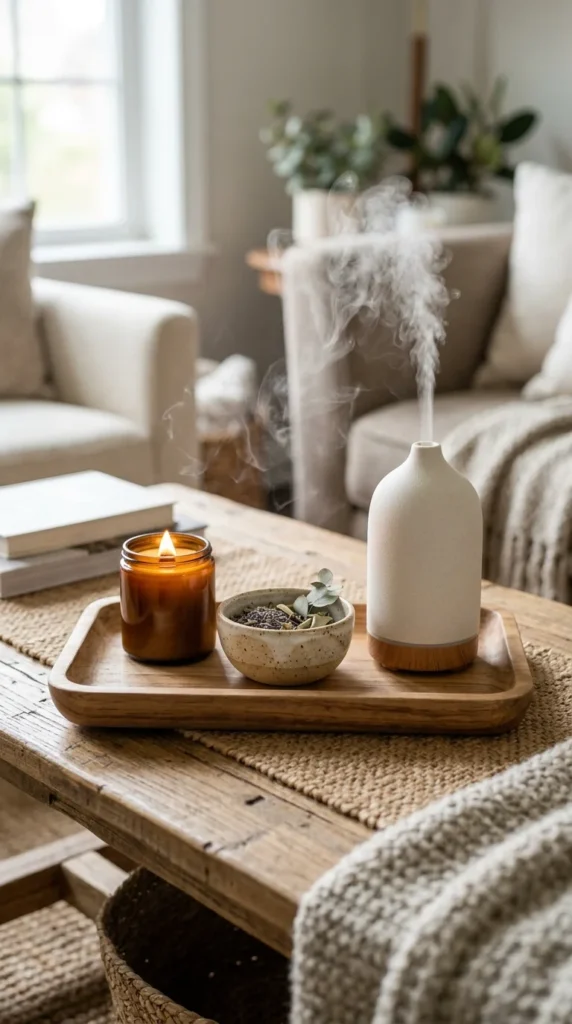
Decor isn’t just about what you see; it’s also about how a space feels and smells. Rental apartments can sometimes have a “stale” or “generic” smell. Creating a signature scent for your home using candles, essential oil diffusers, or incense immediately makes it feel more personal and welcoming.
Pair your scents with other sensory elements like a soft wool throw or a textured wall hanging. These small, intangible details finish a room and turn a temporary house into a true home. By engaging all the senses, you create an environment that feels thoughtfully designed, regardless of who owns the deed.