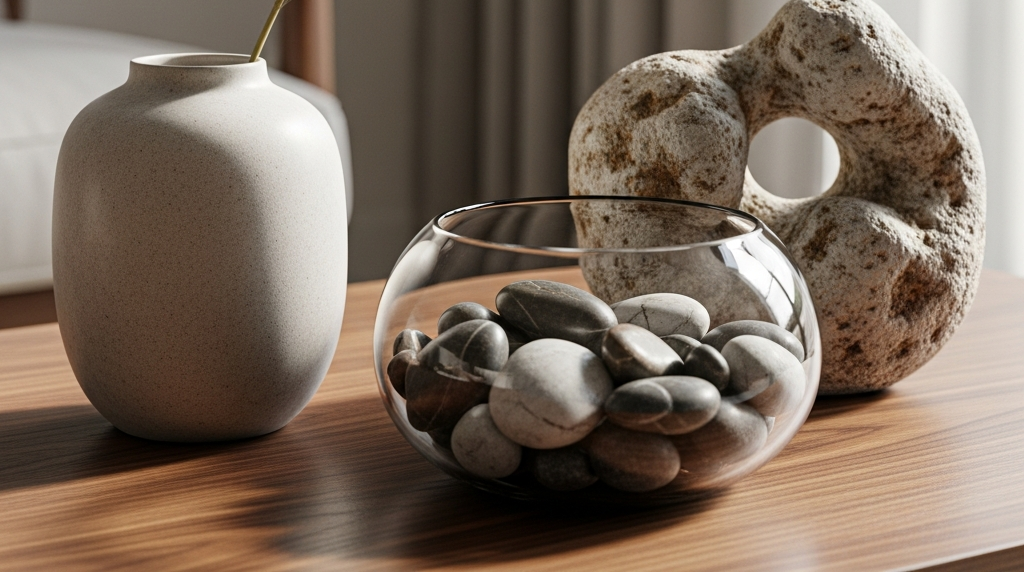
The coffee table is more than just a place to rest a remote or a cup of tea; it is the visual anchor of your living room. In the world of professional interior design, this surface serves as a canvas where personality meets functionality. A well-styled coffee table can transform the entire energy of a room, bridging the gap between comfort and high-end aesthetics. By layering textures, varying heights, and selecting curated objects, you can achieve a look that feels both effortless and professionally polished. This guide explores the foundational techniques used by stylists to create a Pinterest-worthy centerpiece that reflects your unique design sensibility.
1
Establish a Strong Foundation with Oversized Books
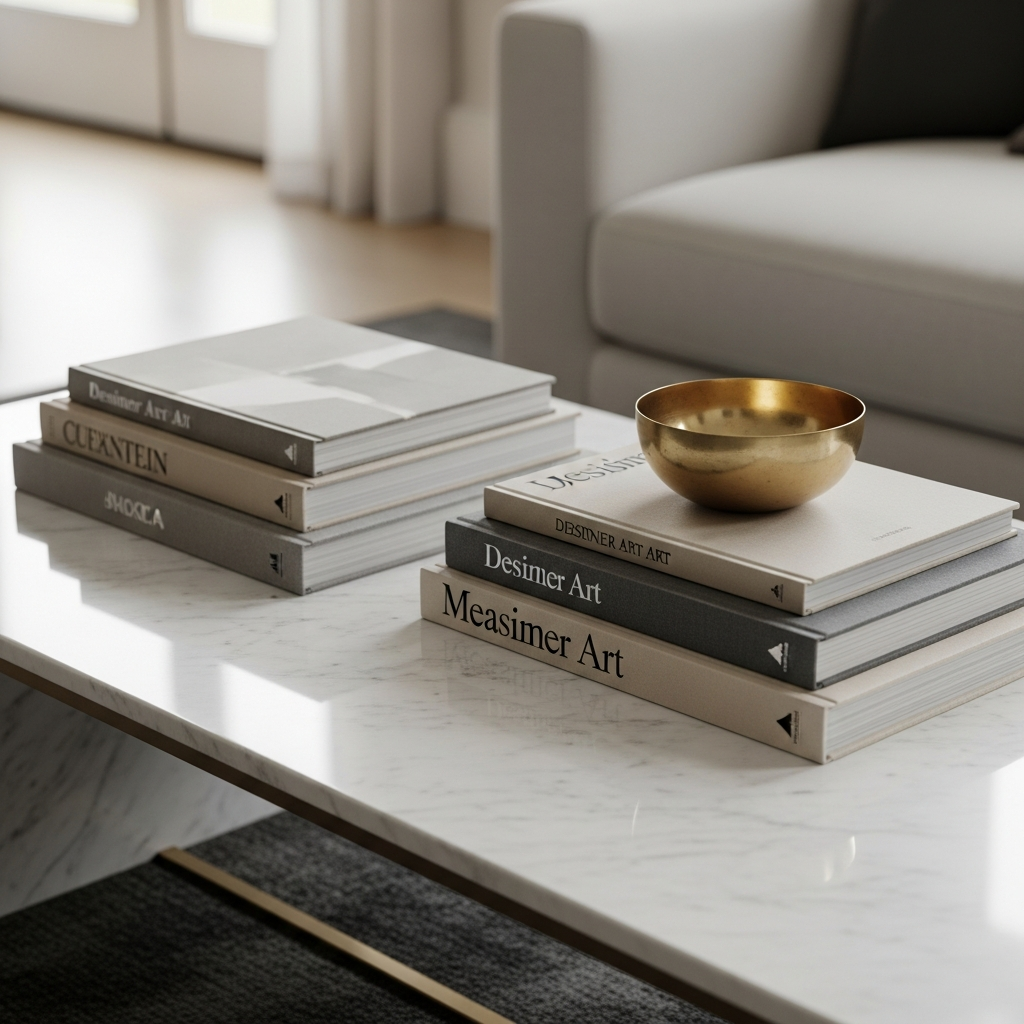
Every professionally styled coffee table begins with a base of beautiful, large-format books. These items provide height, color, and a structural foundation for smaller objects to sit upon. Choose books with spines that complement your room’s color palette, focusing on subjects like art, fashion, or travel. Stack them in two or three neat piles of varying thickness. This creates a tiered landscape that invites guests to browse while providing a solid surface for decorative accents. Aim for books with high-quality linen or matte covers to introduce a soft, tactile element to the surface.
2
Incorporate Organic Elements for Vitality
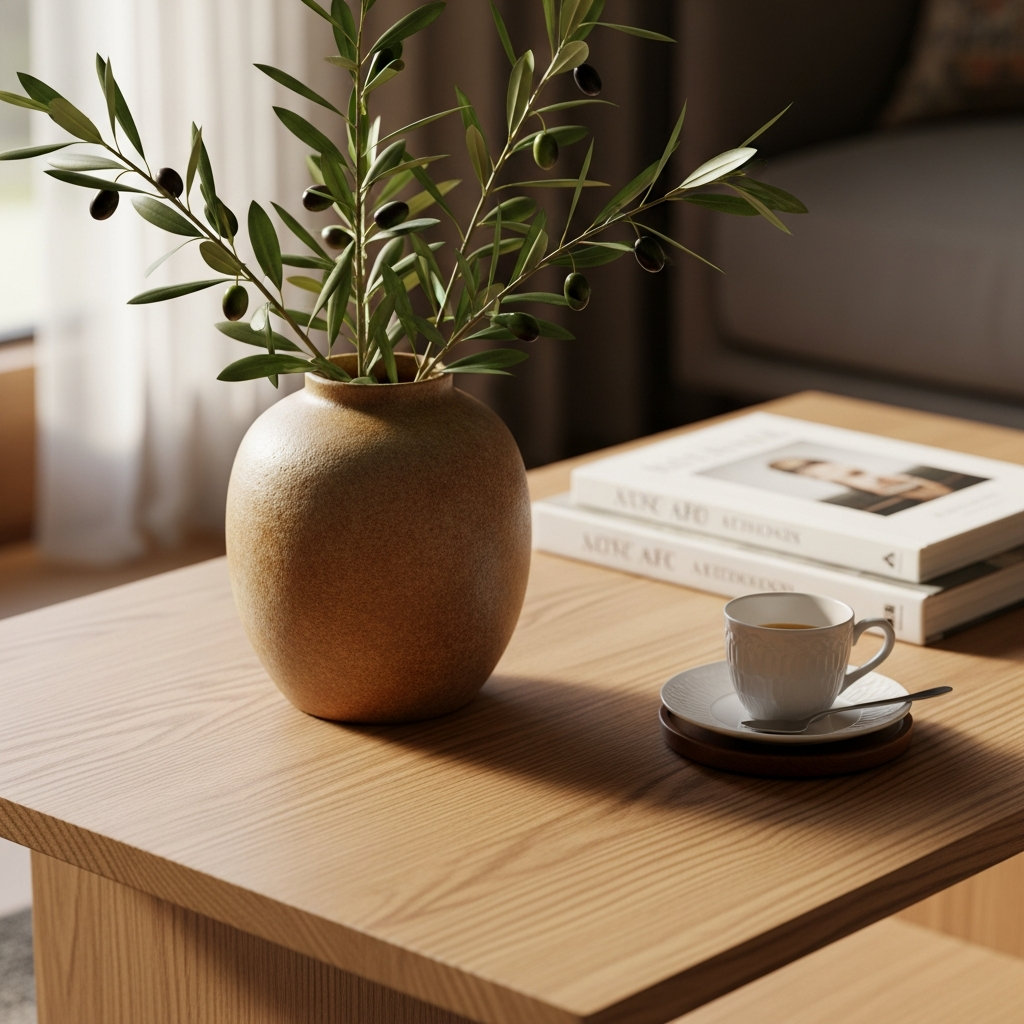
To breathe life into your decor, always include an organic or living element. Whether it is a sculptural vase filled with fresh eucalyptus, a small orchid, or a cluster of dried pampas grass, greenery softens the hard edges of furniture and brings a sense of freshness to the space. For a luxury feel, consider a low-profile stone bowl filled with moss or a single, structural bloom in a glass bud vase. The goal is to introduce natural shapes and textures that contrast with the linear lines of the table and books.
3
Vary Heights and Silhouettes
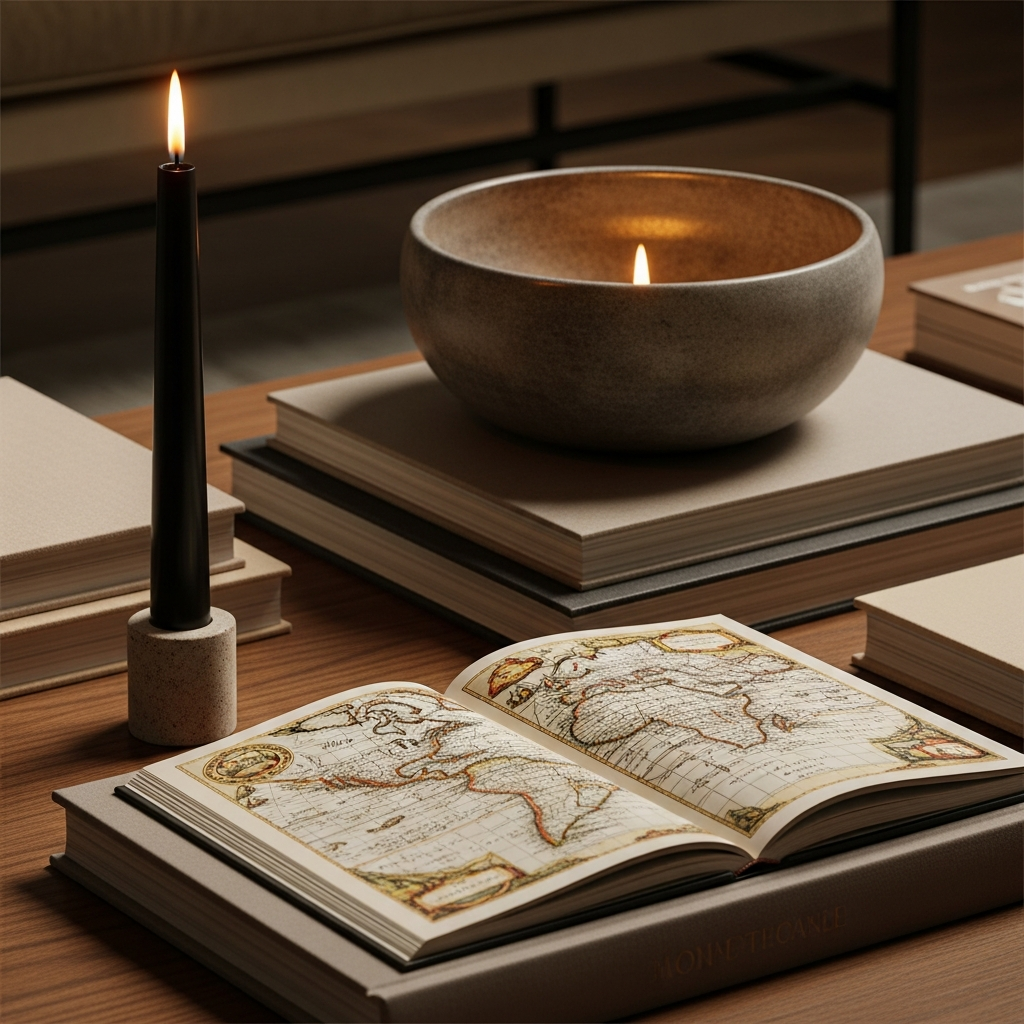
One of the most common mistakes in home styling is keeping all objects at the same level. Designers use height to lead the eye around the room and create visual intrigue. Pair a tall, slender taper candle holder with a mid-height stack of books and a low, wide tray. This variation in scale ensures the arrangement feels dynamic rather than flat. Look for interesting silhouettes, such as a round marble chain link or a geometric brass sculpture, to add a sense of movement and architectural interest to the display.
4
Use Trays to Create Order and Cohesion
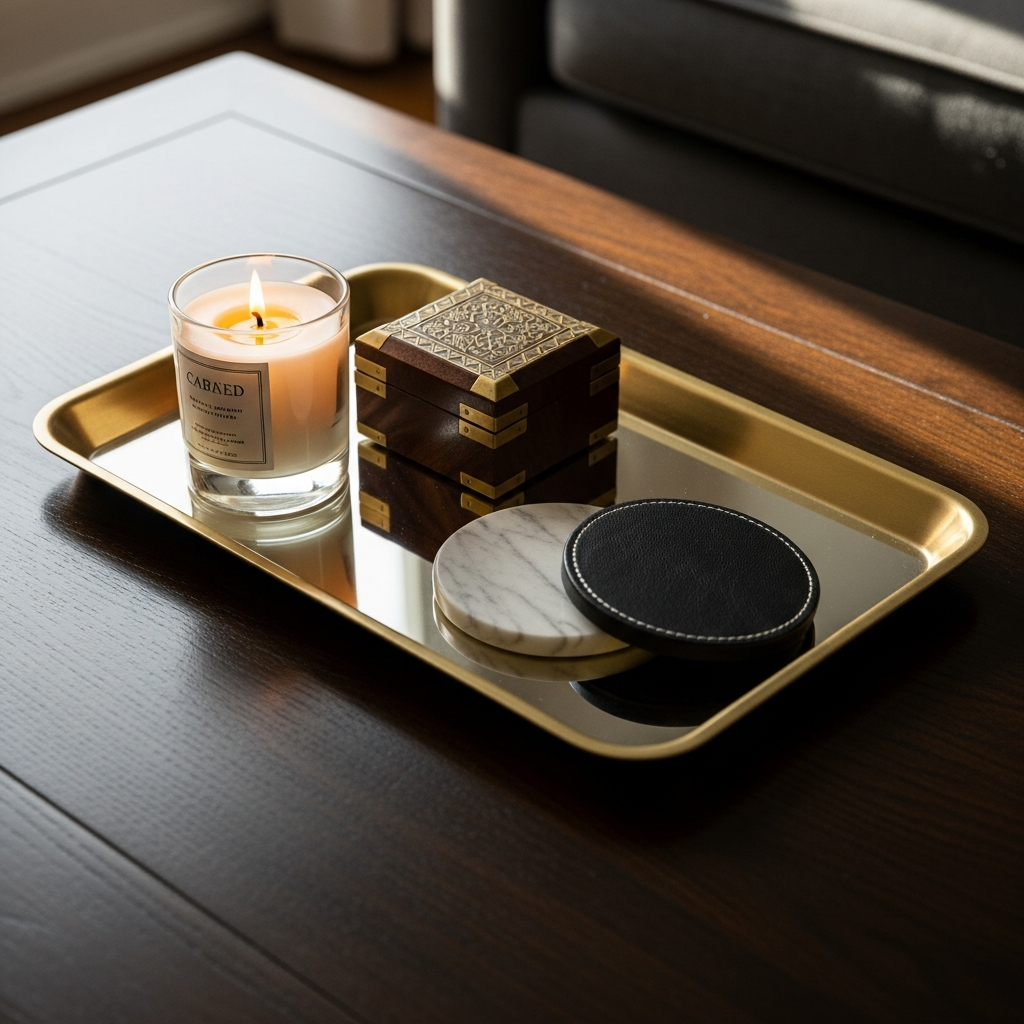
If your coffee table feels cluttered, a decorative tray is the ultimate solution. Trays act as a frame, containing smaller items like coasters, candles, and remote controls into a singular, intentional unit. Choose a material that contrasts with your table for maximum impact; for instance, a gold metallic tray looks stunning on a dark wood table, while a woven rattan tray adds warmth to a modern white lacquer surface. Trays help organize the ‘chaos’ and make even the most disparate items feel like a cohesive collection.
5
Layer Textures for a Multi-Sensory Experience
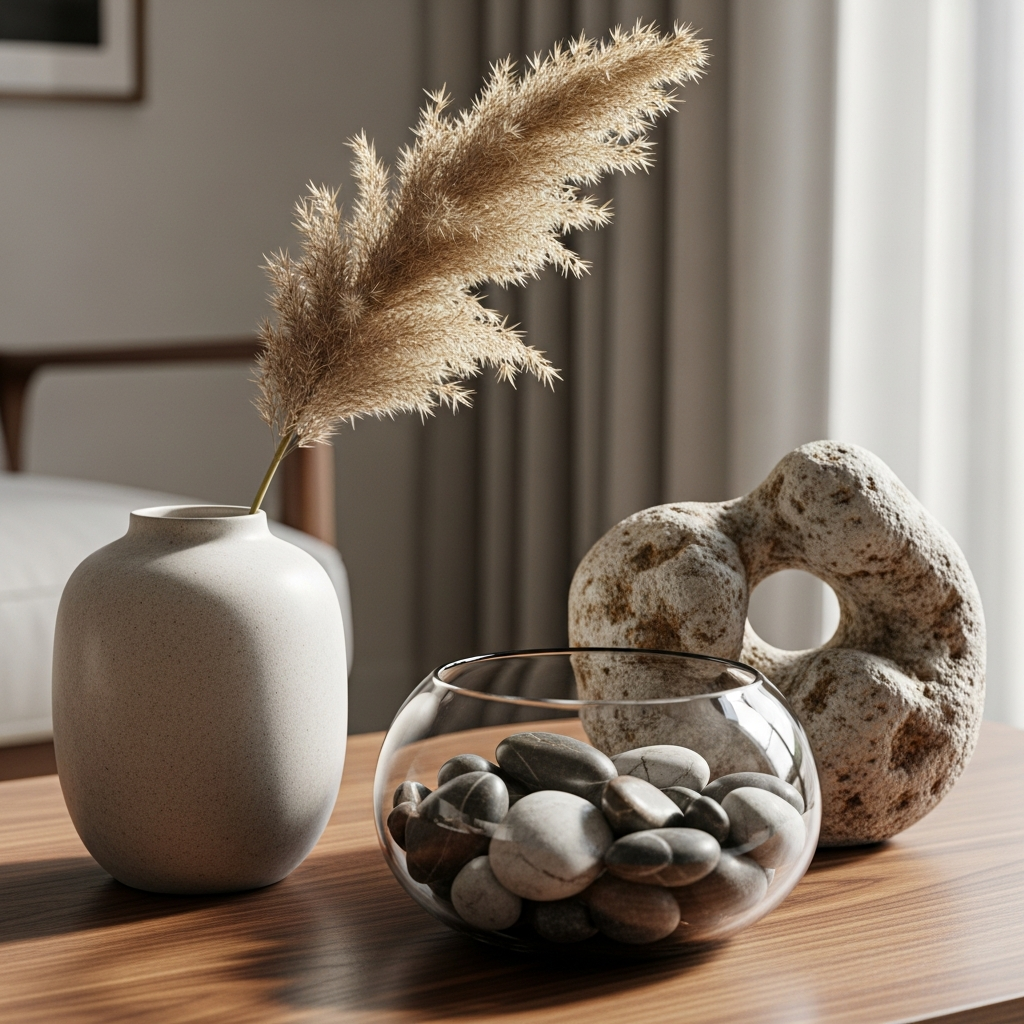
Professional styling is all about the mix of materials. To achieve a sophisticated look, combine different finishes such as cold marble, warm wood, polished metals, and soft paper. A smooth ceramic bowl placed next to a rough-hewn stone object creates a tactile contrast that feels expensive and considered. Think about the play of light as well; a glass cloche or a crystal bowl will catch the afternoon sun, adding a subtle shimmer and a sense of luxury to your living space.
Conclusion
Styling a coffee table is an evolving art form that allows you to showcase your favorite treasures while maintaining a functional living space. By focusing on balance, varying your heights, and layering rich textures, you can elevate your room from ordinary to extraordinary. Remember that there are no permanent rules; the best designs are those that feel personal and inviting. Take these designer secrets and apply them to your own home to create a centerpiece that is as beautiful as it is reflective of your lifestyle.